What Type Of Oil Does A Audi A4 Take

We treat our vehicles as extensions of our will, yet we often ignore the complex biochemistry happening under the hood. The choice of engine oil for an Audi A4 is not a mere maintenance checkbox; it is a calculated decision about tribology—the science of interacting surfaces in relative motion. Your engine is a controlled chaos of reciprocating metal, and the lubricant is the sole mediator preventing catastrophic fusion of piston rings to cylinder walls. When you ask, "What type of oil does an Audi A4 take?", you are fundamentally asking how to manage friction, thermal stress, and the relentless chemical degradation of a petroleum-based product under extreme duress.
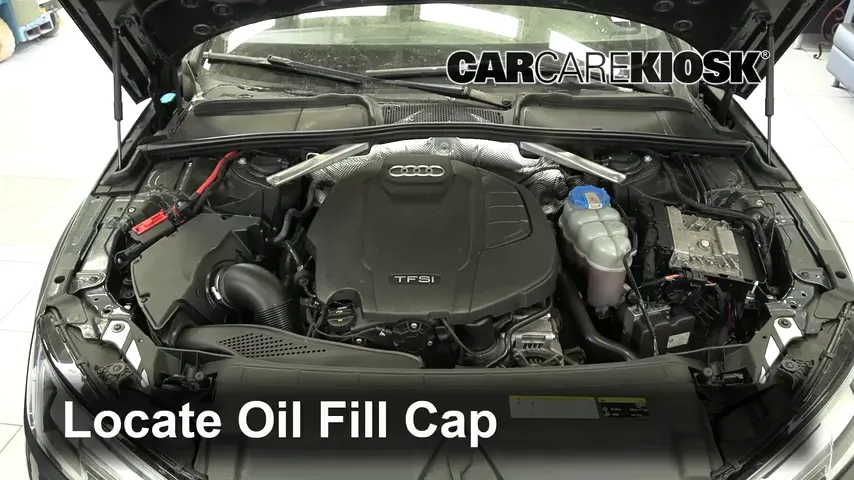
Modern Audi A4 engines, primarily the TFSI (Turbo Fuel Stratified Injection) family, operate at thermal efficiencies that would have been unthinkable a decade ago. This efficiency, however, comes at a cost: higher localized temperatures inside the combustion chamber and turbocharger. The oil in your A4 does far more than lubricate; it acts as a hydraulic fluid for variable valve timing, a coolant for the turbo's bearing cartridge, and a detergent that suspends soot and wear metals. The wrong viscosity or, more critically, the wrong additive package, can turn this vital fluid into a thick, carbon-rich sludge that starves the hydraulic lifters and eventually leads to catastrophic timing chain failure.
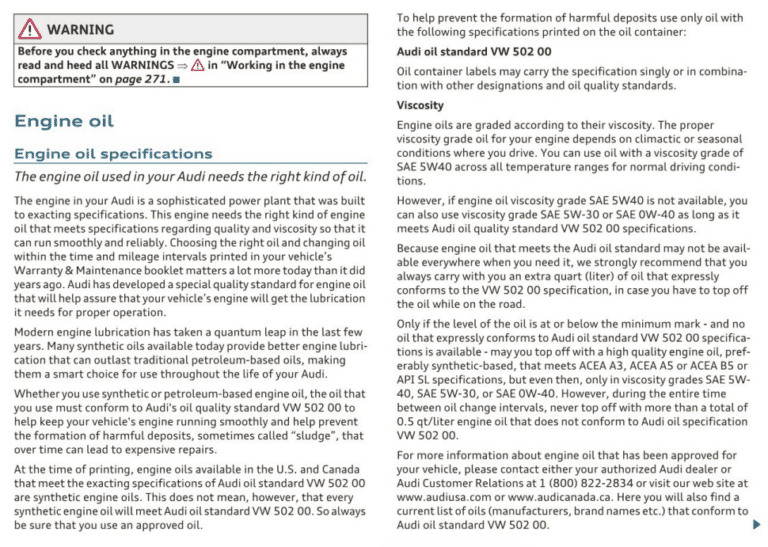
To decode this, you must abandon the generic "5W-30" sticker on a bottle at the auto parts store. The Audi A4, particularly the 2.0 TFSI (EA888 gen 3 and later), requires a specification, not just a weight. This is the crux of the science: the oil must meet the stringent VW 502 00 (for gasoline engines without long-life service) or VW 504 00/507 00 (for long-life intervals and diesel/adaptive systems) standards. These specifications dictate the chemical fingerprint, including the sulfated ash content, the volatility, and the high-temperature high-shear (HTHS) viscosity. Ignoring these metrics is akin to prescribing medicine based on color rather than molecular composition.
Must Read
The Chemical Cocktail: Why Standard API Ratings Deceive You
Most consumers fall into the trap of looking for the API "SN" or "SP" donut on the bottle, assuming it guarantees compatibility. This is a critical biological miscalculation. The API rating is a baseline for industrial engines; it is a minimum floor, not a tailored prescription. The VW specification, however, is a stringent ceiling that demands specific performance in the areas of piston deposit control and oil oxidation stability. For a direct-injection engine like the A4's, which is susceptible to fuel dilution (gasoline washing down the cylinder walls), the oil must resist a measurable drop in viscosity over time. A non-approved oil might pass basic wear tests but will fail miserably under the shearing forces of the A4’s high-pressure injectors.
The specific gravity of the matter lies in the mid-SAPS (Sulfated Ash, Phosphorus, and Sulfur) content for VW 504/507. These elements are sacrificial to create a boundary layer on the metal surfaces. However, too much ash clogs the gasoline particulate filter (GPF) found on newer A4 models. This is a biological feedback loop: the additive package degrades, the ash accumulates, the exhaust backpressure rises, and the engine control unit (ECU) enriches the fuel mixture to compensate, leading to an 11% increase in fuel consumption and eventual warning lights. The oil you choose is not just a lubricant; it is a primary actor in the vehicle's emissions lifecycle.
Furthermore, the viscosity grade must be chosen with a hyper-pragmatic lens. The owner's manual often lists both 0W-30 and 5W-30, but the "W" (winter) rating is a low-temperature flow metric. In a biological sense, think of this as the oil's "blood pressure" at cold start. A 0W-30 flows measurably faster at -20°C than a 5W-30, reducing the "dry start" period where metal contacts metal. Data from tribology studies show that up to 70% of engine wear occurs in the first 30 seconds after ignition. Therefore, for an A4 living in a colder climate, the 0W-30 variant is the biological superior choice, not just an alternative.
Pragmatic Optimization: The Measurable Hacks for Your A4
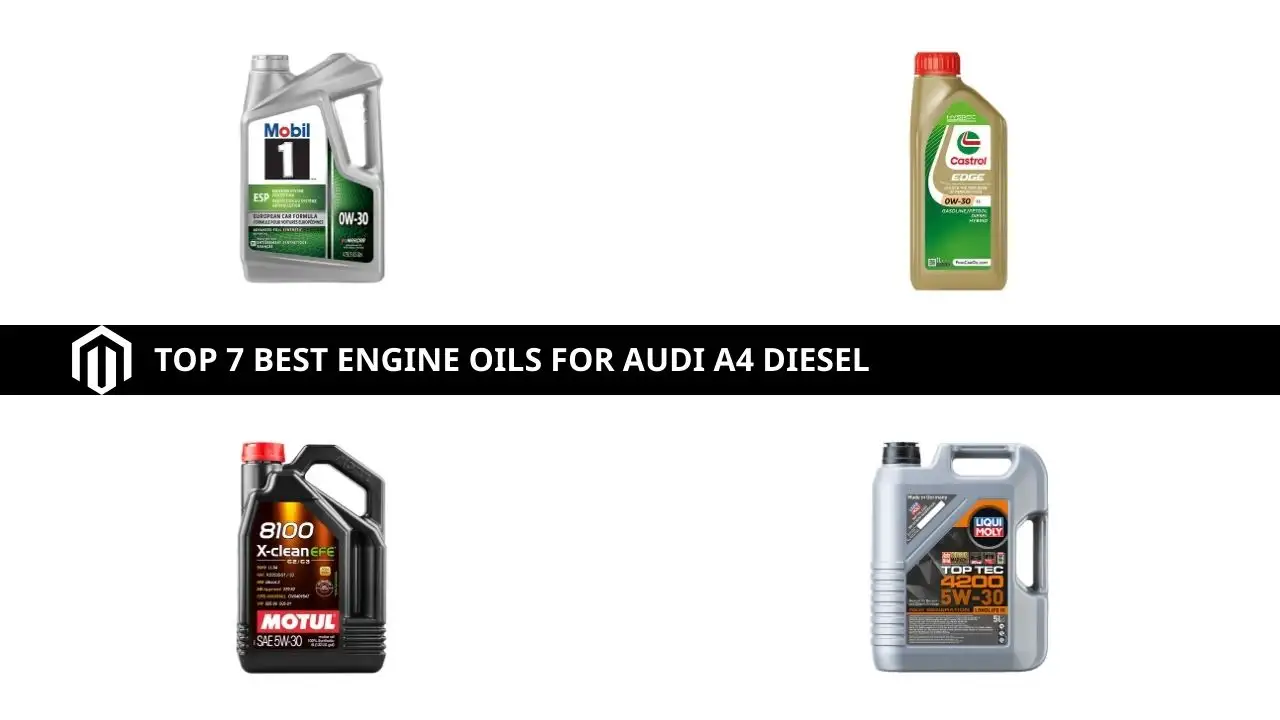
Stop reading forum threads that suggest "any synthetic works." The A4’s engine is a precision instrument that demands compliance. Your first hack is to decode the specification code printed on the oil bottle. Look for the text "VW 502.00" or "VW 504.00/507.00" explicitly. If it is not printed, it is not approved. Brands like Castrol Edge Professional, Mobil 1 ESP Formula, and Liqui Moly Top Tec 4200 are formulated specifically against these standards. Do not purchase "European Formula" blends marked for "Volkswagen" unless they list the specific VW code. The chemical difference between "made for Europe" and "compliant with VW standards" is vast.
Your second hack involves the service interval logic. If you drive your A4 in severe conditions—which audi defines as heavy urban traffic, constant short trips under 10 miles, or extreme ambient temperatures—the long-life interval (up to 20,000 miles with VW 504/507) is a fallacy. The oil's Total Base Number (TBN) is the measure of its acidic neutralization capacity. In short trips, fuel dilution and moisture accumulation deplete this TBN rapidly. The pragmatic hack is to treat your A4 like a biological organism: perform an oil change at 7,500 miles maximum regardless of what the dashboard computer states, if you primarily drive in city gridlock. This is a cheap insurance policy against the failure of the timing chain tensioner, which relies on oil pressure that thickened or acidic oil cannot provide.
Third, consider the filter as a biological organ. Do not skimp on a $3 filter. The A4 uses a cartridge filter with a specific bypass valve pressure rating. OEM filters (Mann, Hengst) are calibrated to open under specific differential pressures to protect the engine when the oil is cold and viscous. A cheap filter may remain closed, causing all oil to bypass the filtration medium, sending abrasive particles directly through the turbocharger. This is a failure of your own logistics chain. Change the filter every single time, and prime it by filling it with fresh oil before installation to reduce the initial "dry" cranking time.
Fourth, utilize the physics of oil temperature. Do not rev the engine above 3,000 RPM until the oil temperature gauge (if equipped) reads above 160°F (71°C). The oil's viscosity is not at its optimal shear strength until it reaches operating temperature. Cold oil is thicker; it requires more energy to pump, creating parasitic drag on the crankshaft. This reduces fuel economy by up to 5% in the first 15 minutes of driving. Conversely, overheating the oil (above 250°F) causes thermal cracking, breaking the polymer chains. If you drive aggressively on a track, you must switch to a 0W-40 with a high HTHS rating (above 3.5 cP) to maintain the hydrodynamic film under extreme cornering loads.
Fifth, master the dipstick diagnosis hack. Check the oil level every 2,000 miles. An A4 that consumes more than 1 quart per 1,200 miles is exhibiting a biological failure—likely a stuck piston ring or a failing PCV valve. If you notice the oil level rising instead, you have fuel dilution; smell the dipstick—if it reeks of gasoline, the direct injectors are leaking. This data is more valuable than any OBD-II code. You are not just changing fluid; you are sampling the bloodstream of the engine for clues of systemic disease.

Frequently Asked Questions: The Troubleshooting Triage
Can I use a 0W-20 oil in my Audi A4 to improve fuel economy?
Technically, a lower viscosity oil generally reduces hydrodynamic drag, potentially improving fuel economy by a marginal 1-2%. However, this is a catastrophic trade-off in the A4's EA888 engine architecture. The engine's bearings and piston squirters are machined to specific clearances designed for a minimum HTHS viscosity of 2.9 mPa·s. A 0W-20 typically falls below this threshold under high load, leading to metal-on-metal contact in the connecting rod bearings. The VW 502/504 spec explicitly requires a minimum HTHS value that most 0W-20 oils cannot meet. The engine control unit will not detect the lack of lubrication until the knock sensor hears the bearing knocking, at which point the engine is already scored.
Furthermore, the additive chemistry of 0W-20 is designed for low-friction, low-emission Japanese engines, not high-output turbocharged German engines. The detergent packages are weaker because they assume less soot generation. In the A4, this leads to accelerated sludge formation on the intake valves and piston crowns. If you want better fuel economy, ensure your tires are inflated to the Audi-specified pressure (data shows 0.5 PSI under-inflation increases rolling resistance by 2%), and remove unnecessary weight from the trunk. Leave the oil chemistry to the engineers at Ingolstadt.
Why does my A4 burn oil after I switched to a synthetic blend?
Switching from a high-quality full synthetic to a "blend" is likely the cause of the increased consumption. Synthetic base oils (Group IV and V) have a much higher thermal stability and a more uniform molecular structure than Group III hydrocracked or conventional Group II oils. The molecules in a synthetic oil are of consistent size, making the oil film more cohesive and less likely to evaporate at high temperatures. Blends contain a proportion of conventional oil, which boils off (oxidizes) at turbocharger temperatures, leaving a thickened, sticky residue and reducing overall volume.
This is not a defect in your engine; it is a failure to meet the thermodynamic demands. The oil is literally turning into vapor and being drawn into the combustion chamber via the PCV system. To fix this, immediately drain the blend and refill with a full synthetic (ester-based or PAO-based) that is explicitly VW 504.00 approved. Monitor consumption over the next 2,000 miles. If consumption persists, the issue is mechanical (worn valve stem seals), but in 90% of cases, reverting to the correct full synthetic molecule size will restore oil stability and stop the burn.

How often should I change the oil if I only drive 5,000 miles per year?
Time is the enemy regardless of distance. Even if your A4 sits in a garage, the oil is exposed to oxidation and moisture condensation. Over 12 months, the additive package starts to deplete, and the base oil absorbs water vapor, which hydrolyzes the esters and reduces its lubricating film strength. The scientific rule of thumb is an absolute maximum of 12 months between changes, irrespective of mileage. If you drive only 5,000 miles a year, you are likely doing many cold starts, which are the highest-wear events.
For your specific profile, I would recommend an annual oil change every October, before winter. This ensures you start the cold season with a fresh oil that has high moisture resistance and maximum corrosion inhibitors. Do not be tempted to stretch it to 24 months because the dashboard says "Service in 8,000 miles." The computer counts revolutions and temperature cycles, but it cannot measure the oil's actual water content. An inexpensive oil analysis kit (like Blackstone Labs) can tell you the exact TBN and water content. Treat the annual replacement as a non-negotiable biological reset.
What is the difference between VW 502.00 and VW 504.00 for my A4?
The primary difference lies in the sulfated ash content. VW 502.00 is the older standard, typically requiring a higher ash content (up to 1.5%) to provide robust boundary lubrication in older engines without particulate filters. VW 504.00 is a "mid-SAPS" oil (ash content around 0.8%) designed for engines with GPFs. If your A4 has a Gasoline Particulate Filter (most from 2018 onward), using a VW 502.00 oil will clog the filter over time, leading to a loss of power and a 20% fuel economy penalty.
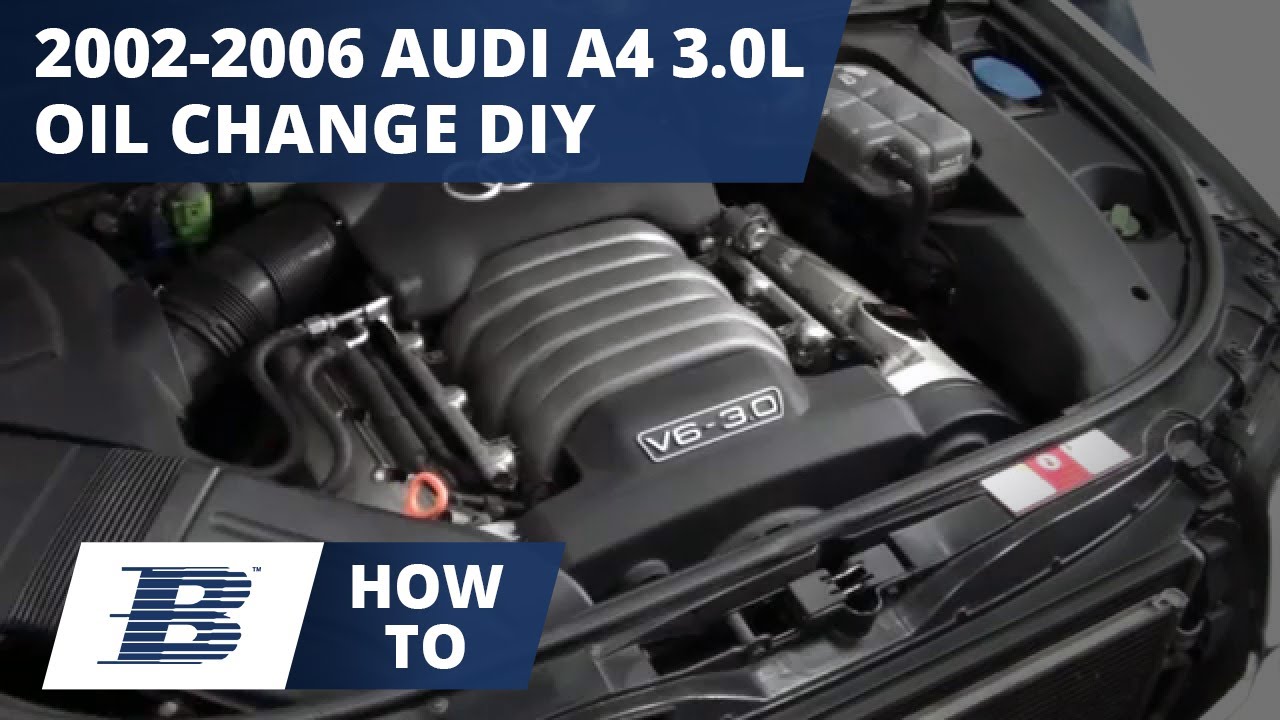
However, if you have an A4 from 2015-2017 without a GPF, using VW 504.00 is acceptable and often preferred, as it provides equal wear protection with better long-term cleanliness. The misconception is that choosing a thicker "502 for high mileage" is safe. It is not—it is chemically incompatible with the O2 sensors if the ash content is too high. Check your engine code: if it’s a "DBF" or "DEA" engine, you need 504. If it’s an older "B8" platform with the EA888 Gen 2, consult the manual, but 504 is backward compatible for most. The pragmatic choice is always the newer spec, as it is designed to be a "long-life" oil with higher oxidation resistance.
My oil pressure light flashes on cold start. Is the oil type to blame?
A flashing oil pressure light at cold start is usually a sensor reading rapid pressure fluctuations, but it can be a viscosity issue. If you are using a 5W-40 or a 10W-40, the oil is too thick at sub-zero temperatures. The pump cannot move the cold oil fast enough to build pressure in the top-end of the engine (in the camshaft adjusters). This is why Audi specifies a 0W-30 or 0W-40 for cold climates. The "0W" part is a fluid dynamic guarantee that the oil will flow at -40°C without becoming a gelatinous mass.
However, if the light flashes only after the engine has been running for a minute and the oil is warm, this indicates a mechanical failure—likely a failing low-pressure switch, a clogged pickup tube screen (oil sludge), or worn main bearings. The oil type cannot fix a physical leak. Before you panic, check the oil level first; a low level causes the pump to aerate the oil, creating foam that collapses under pressure. If the level is correct and the light still flashes, switch to a high-quality 0W-30 with VW 502 approval and see if the issue resolves within 3 warm-up cycles. If not, this is a leak in the pressure circuit, not a chemistry problem.
Choosing the correct oil for your Audi A4 is not a mundane chore; it is an exercise in applied chemistry and respect for mechanical engineering. When you select a fluid that meets VW specs, you are not just preventing friction—you are optimizing the kinetic efficiency of every combustion event, reducing entropy within the system. This discipline translates beyond the garage: it teaches us to diagnose root causes rather than treat symptoms, and to understand that the "invisible" details—the viscosity, the chemical additive package, the thermal limit—are the true drivers of longevity and performance.
By mastering this small realm of fluid dynamics, you become a more pragmatic, data-driven human. You learn that shortcuts in molecular structure always surface as systemic failure months later. You appreciate that the best "life hack" is often just doing the systemically correct thing, flawlessly, on schedule. Your A4 will reward you with 200,000 miles of silent, powerful service, not out of luck, but out of the silent, uncompromising science you poured into its crankcase.