What To Do After Masterbation
The topic of what to do after masturbation is often shrouded in mystery and misconception. However, by delving into the biological and chemical responses that occur during and after the act, we can gain a deeper understanding of how to optimize our lifestyle choices. Masturbation triggers the release of neurotransmitters such as dopamine and serotonin, which can lead to feelings of relaxation and reduced stress levels. Understanding these mechanisms can help us make informed decisions about our post-masturbation routine.
From a physiological perspective, masturbation can cause a temporary increase in heart rate and blood pressure. This is due to the release of adrenaline and other hormones that prepare the body for the "fight or flight" response. After the act, the body returns to its normal state, but the effects of the hormonal response can linger. By acknowledging these physiological changes, we can develop strategies to mitigate any negative effects and maximize the benefits of masturbation.
In addition to the biological and physiological responses, it's essential to consider the psychological impact of masturbation. The act can elicit feelings of guilt or shame in some individuals, which can negatively affect their mental health. By recognizing that masturbation is a natural and normal part of human behavior, we can work to reframe our perceptions and cultivate a more positive and empowering mindset. This, in turn, can lead to improved self-esteem, confidence, and overall well-being.
Biological and Chemical Reactions
During masturbation, the body experiences a surge in oxytocin and vasopressin, often referred to as the "cuddle hormones." These hormones promote feelings of attachment and bonding, which can be beneficial for emotional well-being. However, the post-masturbation drop in oxytocin levels can lead to feelings of melancholy or lethargy. By understanding this hormonal response, we can develop strategies to maintain optimal oxytocin levels and minimize negative effects.
The chemical reactions that occur during masturbation also involve the release of endorphins, which are the body's natural painkillers. These chemicals can lead to feelings of euphoria and relaxation, making masturbation a potential tool for stress relief. However, the chemical response can also be influenced by individual factors such as diet, sleep patterns, and exercise habits. By optimizing these lifestyle choices, we can enhance the benefits of masturbation and promote overall well-being.
Furthermore, research has shown that masturbation can have a positive impact on immune function. The act has been found to increase the production of antibodies and activate natural killer cells, which can help to fight off infections. This immunological response can be influenced by factors such as nutrition and hygiene, highlighting the importance of maintaining a healthy lifestyle to maximize the benefits of masturbation.
Practical Strategies and Life Hacks
To optimize the benefits of masturbation, it's essential to develop a post-masturbation routine that promotes relaxation and reduces stress. This can include activities such as meditation, yoga, or deep breathing exercises. These practices can help to regulate the body's hormonal response and promote a sense of calm and well-being. Additionally, engaging in physical activity such as walking or stretching can help to release endorphins and improve mood.
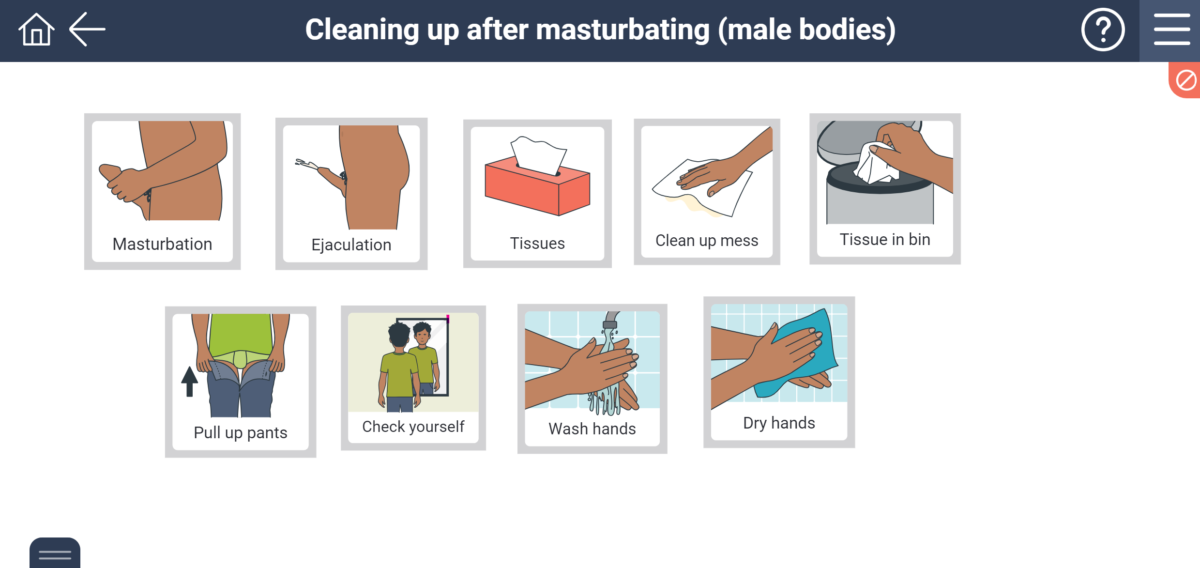
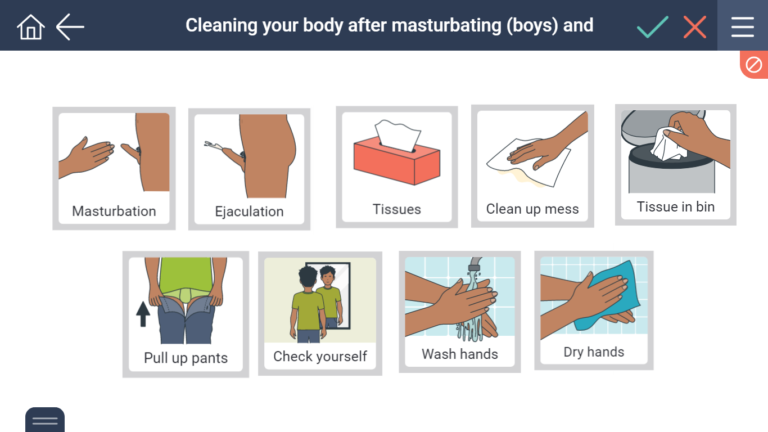
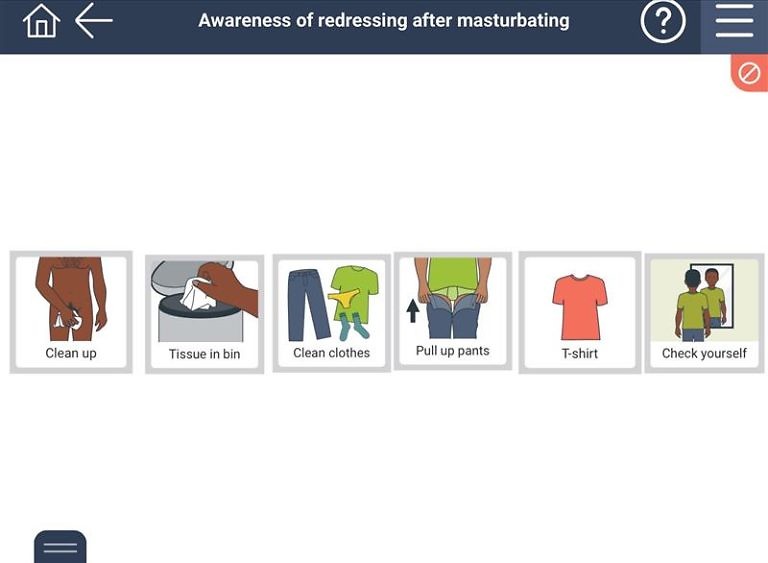
Another crucial aspect of post-masturbation care is hygiene. Practicing good genital hygiene can help to prevent infections and promote healthy bacterial flora. This can include activities such as washing the genitals with mild soap and warm water, as well as avoiding harsh chemicals or douching. By prioritizing hygiene, we can minimize the risk of complications and ensure a healthy and positive experience.
In addition to these strategies, it's essential to listen to the body and respond to its needs. This can involve paying attention to physical sensations such as fatigue or hunger, and adjusting our routine accordingly. By tuning in to our bodily needs, we can optimize our post-masturbation routine and promote overall well-being. Furthermore, setting boundaries and communicating with partners can help to maintain a healthy and positive relationship with masturbation.
Finally, educating oneself about the science and biology of masturbation can be a powerful tool for empowerment. By understanding the biological and chemical responses that occur during and after the act, we can develop a more positive and informed relationship with our bodies. This can involve reading reputable sources, consulting with healthcare professionals, and engaging in open and honest discussions about masturbation.
Frequently Asked Questions
Is it normal to feel guilty or ashamed after masturbation?
Feeling guilty or ashamed after masturbation is a common experience for many individuals. However, it's essential to recognize that these feelings are often rooted in cultural or social stigma, rather than any inherent moral or ethical failing. By reframing our perceptions and cultivating a more positive and empowering mindset, we can work to overcome these feelings and develop a healthier relationship with masturbation.
One strategy for addressing feelings of guilt or shame is to practice self-compassion. This can involve acknowledging and accepting our emotions, rather than judging or criticizing ourselves. By treatng ourselves with kindness and understanding, we can work to rebuild our self-esteem and develop a more positive body image.
How can I minimize the risk of infection or complication after masturbation?
To minimize the risk of infection or complication after masturbation, it's essential to prioritize hygiene. This can include activities such as washing the genitals with mild soap and warm water, as well as avoiding harsh chemicals or douching. Additionally, practicing safe sex and using protection can help to prevent the transmission of STIs and promote healthy bacterial flora.
Another crucial aspect of minimizing risk is to listen to the body and respond to its needs. This can involve paying attention to physical sensations such as discomfort or pain, and seeking medical attention if necessary. By tuning in to our bodily needs, we can optimize our post-masturbation routine and promote overall well-being.
Can masturbation have any negative effects on mental health?
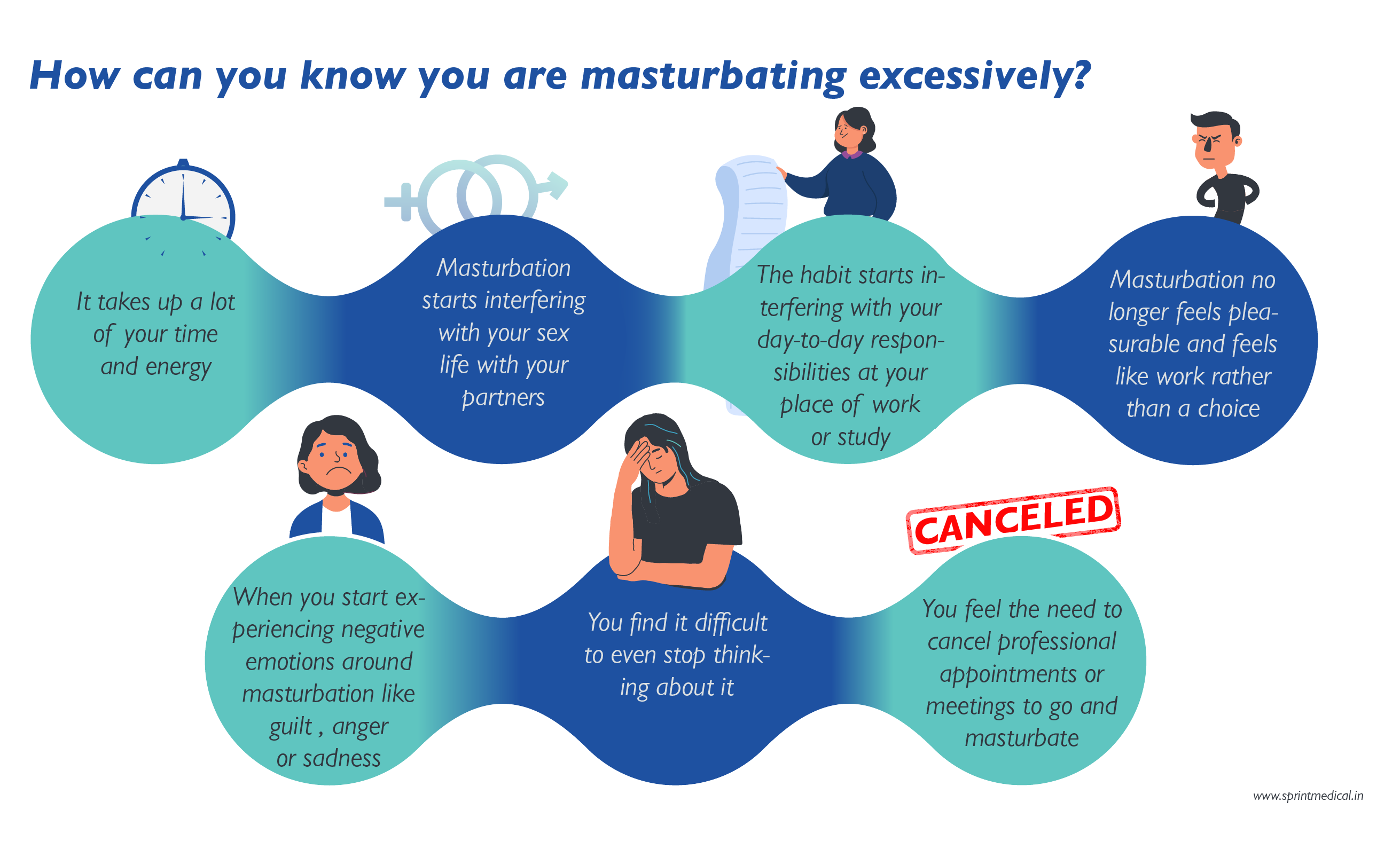
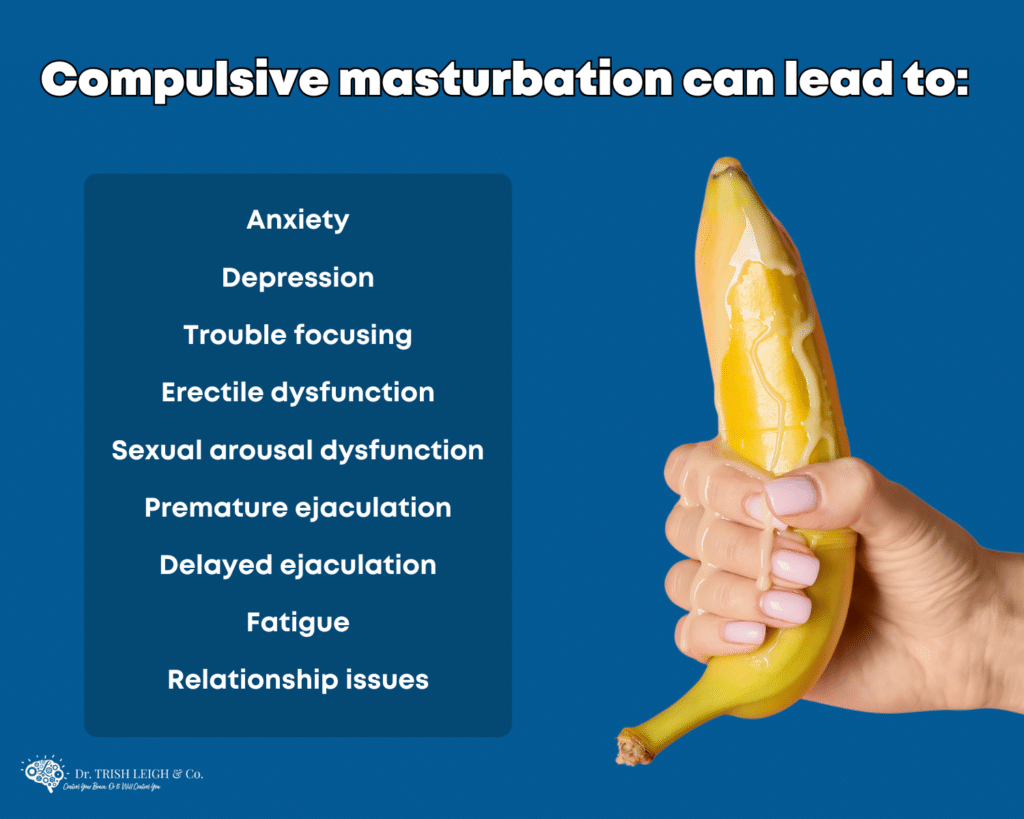
While masturbation can have numerous benefits for mental health, it's essential to acknowledge that it can also have negative effects in certain individuals. For example, excessive or compulsive masturbation can lead to feelings of anxiety or depression. Additionally, negative self-talk or shame surrounding masturbation can exacerbate mental health issues such as low self-esteem or body dysmorphia.
To mitigate these risks, it's essential to practice self-awareness and self-regulation. This can involve setting boundaries and communicating with partners, as well as seeking support from mental health professionals if necessary. By prioritizing our mental health and well-being, we can develop a healthier and more positive relationship with masturbation.
How can I talk to my partner about masturbation?
Talking to a partner about masturbation can be a challenging but ultimately rewarding experience. It's essential to approach the conversation with empathy and understanding, and to listen actively to their thoughts and feelings. By creating a safe and non-judgmental space, we can foster open and honest communication about masturbation and promote a healthier and more positive relationship.
One strategy for initiating the conversation is to use "I" statements and express our own feelings and desires. This can help to avoid blame or criticism, and to focus on our own needs and boundaries. By taking ownership of our desires and communicating effectively, we can build trust and intimacy with our partner and promote a more positive and empowering relationship with masturbation.

Can masturbation be a part of a healthy and fulfilling sex life?
Masturbation can indeed be a part of a healthy and fulfilling sex life. By incorporating masturbation into our routine, we can enhance our understanding of our own desires and needs, and communicate more effectively with our partner. Additionally, masturbation can increase libido and improve overall sexual function, leading to a more satisfying and fulfilling sex life.
One strategy for integrating masturbation into our sex life is to practice mutual masturbation with our partner. This can involve exploring each other's bodies and desires, and communicating openly and honestly about our needs and boundaries. By prioritizing mutual pleasure and consent, we can build trust and intimacy with our partner and promote a healthier and more positive relationship with masturbation.
By respecting the science behind masturbation, we can gain a deeper understanding of our bodies and develop a more positive and empowering relationship with our desires. By prioritizing our physical and mental well-being, we can optimize our lifestyle choices and promote overall health and happiness. Whether we choose to masturbate or not, it's essential to listen to our bodies and respond to their needs, and to communicate openly and honestly with our partners.
Ultimately, the key to a healthy and fulfilling relationship with masturbation is to approach it with an open mind and a willingness to learn. By embracing the science and biology of masturbation, we can enhance our understanding of our bodies and promote a more positive and empowering relationship with our desires. Whether we choose to masturbate or not, it's essential to respect our bodies and listen to their needs, and to communicate openly and honestly with our partners. By doing so, we can build a stronger, healthier, and more fulfilling relationship with ourselves and others.