What Should Be The Humidity Level In Basement
The concept of humidity levels in basements is a topic that has been widely discussed and debated among homeowners, architects, and engineers. But have you ever wondered why this is such a crucial aspect of home maintenance? The answer lies in the history of basement construction, which dates back to the early 20th century. During this time, basements were primarily used as storage spaces or workshops, and humidity was not a major concern. However, as homes became more sophisticated and basements began to be used as living spaces, the importance of controlling humidity levels became increasingly apparent.
Today, maintaining the right humidity level in your basement is more important than ever. Excessive moisture can lead to the growth of mold and mildew, causing a range of health problems and structural issues. On the other hand, low humidity can result in dry air, which can exacerbate respiratory problems and damage furniture and other belongings. As we delve into the world of basement humidity, it's clear that finding the perfect balance is key to creating a healthy and comfortable living space. From the damp caves of ancient times to the high-tech dehumidifiers of today, the quest for optimal humidity levels has been a long and winding road.
Understanding the Basics
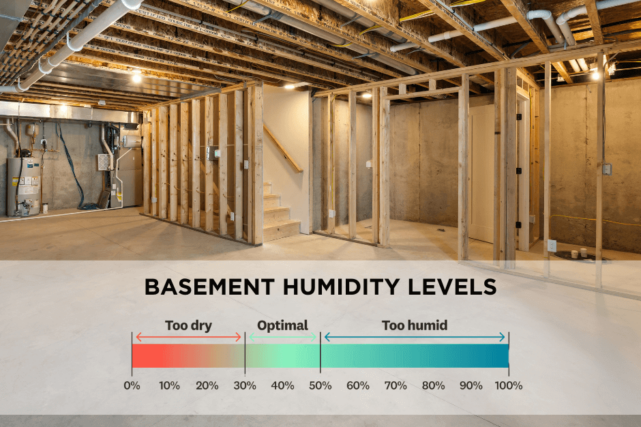
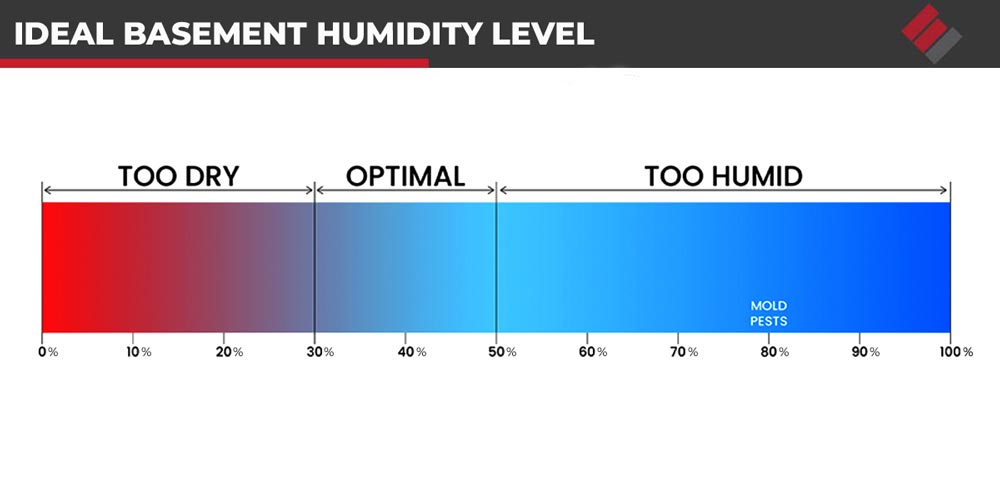
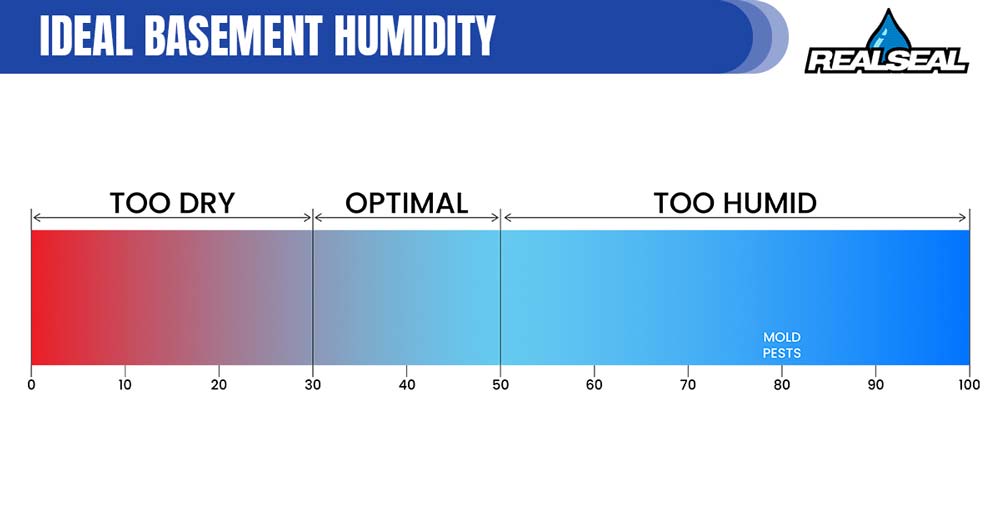
So, what exactly is the ideal humidity level for a basement? The answer is not as straightforward as you might think. The American Society of Heating, Refrigerating, and Air-Conditioning Engineers (ASHRAE) recommends a relative humidity (RH) level of between 30% and 60% for most basements. However, this can vary depending on factors such as the climate, the type of construction, and the intended use of the space. For example, a basement used as a home gym or yoga studio may require a lower humidity level to prevent the growth of bacteria and odor-causing microorganisms.
But humidity levels are not just about numbers; they also have a profound impact on our psychological well-being. A dry and dusty basement can feel oppressive and claustrophobic, while a damp and musty one can be downright depressing. This is why it's essential to consider the human factor when designing and maintaining a basement space. By incorporating elements such as natural light, ventilation, and appealing aesthetics, we can create a space that not only feels comfortable but also nourishes our minds and bodies.
As we explore the world of basement humidity, it's fascinating to note the cultural references that abound. From the dark and dank dungeons of medieval castles to the cozy and intimate cellars of modern wine bars, the concept of basement spaces has evolved significantly over time. And yet, despite these changes, the importance of maintaining optimal humidity levels remains a constant theme. Whether you're a history buff, a design enthusiast, or simply a homeowner looking to create a comfortable living space, understanding the basics of basement humidity is an essential part of the journey.
Real-World Applications
So, how do we put this knowledge into practice? Let's consider a few scenarios. Imagine you're a homeowner looking to convert your basement into a home office or studio. In this case, you'll want to ensure that the humidity level is optimal for electronic equipment and comfortable for long periods of use. This might involve investing in a high-quality dehumidifier or improving ventilation to reduce moisture levels.
.jpg?width=3508&name=Humidity level chart (1).jpg)
Alternatively, suppose you're a builder or architect designing a new home with a basement. In this case, you'll want to consider factors such as climatic conditions, soil type, and construction materials when determining the optimal humidity level. This might involve incorporating moisture-resistant materials or designing a drainage system to prevent water accumulation.
Another scenario might involve a homebuyer looking to purchase a home with a basement. In this case, it's essential to inspect the basement carefully for signs of water damage or excessive moisture. This might involve checking for mold or mildew, water stains, or musty odors. By doing your due diligence, you can avoid costly repairs down the line and ensure that your basement remains a comfortable and healthy living space.
Finally, let's consider the cost-benefit analysis of maintaining optimal humidity levels in your basement. While investing in a dehumidifier or ventilation system may seem like a significant upfront cost, the long-term benefits far outweigh the expenses. By preventing water damage and mold growth, you can avoid costly repairs and ensure that your basement remains a valuable and comfortable living space.
Frequently Asked Questions
What are the risks of high humidity in a basement?
High humidity in a basement can lead to a range of problems, including mold and mildew growth, water damage, and structural issues. When moisture levels are too high, it can create an ideal environment for mold and mildew to thrive, which can cause a range of health problems, from allergies and respiratory issues to neurological problems. Additionally, excessive moisture can cause wood rot and damage to furniture and belongings, leading to costly repairs and replacement.
To mitigate these risks, it's essential to maintain optimal humidity levels in your basement. This might involve investing in a dehumidifier or improving ventilation to reduce moisture levels. Regular inspections and maintenance can also help identify potential issues before they become major problems. By taking these steps, you can ensure that your basement remains a healthy and comfortable living space.
How do I measure the humidity level in my basement?
Measuring the humidity level in your basement is relatively straightforward. You can use a hygrometer, which is a device specifically designed to measure relative humidity (RH) levels. There are several types of hygrometers available, including digital and analog models, as well as wireless and smart options. When choosing a hygrometer, consider factors such as accuracy, ease of use, and durability to ensure that you get a reliable reading.
Once you have a hygrometer, you can place it in your basement and take regular readings to monitor the humidity level. It's essential to calibrate your hygrometer regularly to ensure accuracy and to take readings at different times to account for fluctuations in humidity levels. By monitoring the humidity level in your basement, you can identify potential issues before they become major problems and take steps to maintain optimal conditions.
What are the benefits of a dehumidifier in a basement?
A dehumidifier can be a valuable investment for any homeowner looking to maintain optimal humidity levels in their basement. By removing excess moisture from the air, a dehumidifier can help prevent mold and mildew growth, water damage, and structural issues. Additionally, a dehumidifier can help reduce dust mites and other allergens, creating a healthier living space for you and your family.

When choosing a dehumidifier, consider factors such as capacity, efficiency, and noise level to ensure that you get a model that meets your needs. It's also essential to maintain your dehumidifier regularly to ensure optimal performance and to monitor the humidity level in your basement to adjust the dehumidifier as needed.
Can I use a humidifier in my basement?
useful tool in certain situations, it's generally not recommended for use in basements. This is because basements are prone to high humidity levels, and adding more moisture to the air can exacerbate mold and mildew growth and water damage. However, if you live in a dry climate or have a very dry basement, a humidifier might be necessary to maintain optimal humidity levels.
In this case, it's essential to use a humidifier carefully and monitor the humidity level in your basement to avoid over-humidifying the space. You should also consider alternative solutions, such as improving ventilation or using a dehumidifier, to maintain optimal humidity levels in your basement.
How often should I inspect my basement for moisture-related issues?
Regular inspections are crucial to maintaining optimal humidity levels in your basement. It's recommended to inspect your basement at least twice a year, ideally during the spring and fall when humidity levels are typically at their highest. During these inspections, look for signs of water damage, mold and mildew growth, and musty odors, and take action to address any issues you find.

In addition to regular inspections, it's also essential to monitor the humidity level in your basement and to taking steps to prevent moisture-related issues. This might involve improving ventilation, using a dehumidifier, or fixing any water leaks to ensure that your basement remains a healthy and comfortable living space.
As we reflect on the importance of maintaining optimal humidity levels in our basements, it's clear that this is a topic that affects us all. Whether we're homeowners, builders, or simply human beings looking to create comfortable and healthy living spaces, understanding the basics of basement humidity is essential. By exploring the cultural references, historical context, and practical applications of this topic, we can gain a deeper appreciation for the complexities of basement humidity and take steps to create living spaces that nourish both our minds and bodies.
As we go about our daily lives, it's easy to overlook the humble basement. But this often-neglected space plays a critical role in our overall health and well-being. By maintaining optimal humidity levels, we can prevent a range of problems, from mold and mildew growth to water damage and structural issues. And by creating a comfortable and healthy living space, we can improve our mental and physical health, boost our productivity, and enhance our overall quality of life.
In the end, the quest for optimal humidity levels in our basements is a journey that requires patience, dedication, and a willingness to learn. By embracing this challenge and taking steps to maintain optimal humidity levels, we can create living spaces that are not only comfortable and healthy but also nourishing and uplifting. So the next time you venture into your basement, remember that this often-overlooked space holds the key to a happier, healthier you.