What Normal Vaginas Look Like

The human body is a complex and wondrous thing, full of mysteries and intricacies that can often leave us feeling curious, confused, or even ashamed. One area that has been shrouded in mystery and misconception is the vagina. For many, the idea of what a "normal" vagina looks like can be a source of anxiety, self-doubt, and body insecurity. Our brains are wired to respond to societal norms and expectations, and when it comes to our bodies, this can lead to a deep-seated fear of not measuring up. The psychological root of this issue stems from the fact that we are constantly bombarded with unrealistic and unattainable beauty standards, which can lead to feelings of inadequacy and low self-esteem.
In modern times, the topic of vaginal appearance has become increasingly relevant, particularly with the rise of social media and online platforms. These outlets can often perpetuate unrealistic and unhealthy beauty standards, showcasing airbrushed and Photoshopped images that can leave individuals feeling insecure and self-conscious about their own bodies. Furthermore, the lack of open and honest discussions about vaginal health and appearance can lead to a sense of isolation and shame, making it even more challenging for individuals to cope with their concerns. By exploring the psychological aspects of this topic, we can begin to break down these barriers and foster a more positive and empowering relationship with our bodies.
The Emotional Landscape of Vaginal Appearance
For many individuals, the appearance of their vagina can be a source of emotional distress. The fear of being judged, rejected, or ridiculed can lead to intense anxiety and self-doubt, causing individuals to withdraw from intimate relationships or avoid discussing their concerns with healthcare professionals. This cognitive bias can be attributed to the fact that our brains are wired to respond to potential threats, and in this case, the threat of being deemed "abnormal" or "unattractive" can be overwhelming. Moreover, the lack of representation and diversity in media and popular culture can exacerbate these feelings, making it even more challenging for individuals to develop a positive body image.
A vivid example of this emotional trigger can be seen in the story of Sarah, a 25-year-old woman who had always been self-conscious about her vaginal appearance. After a painful and traumatic experience with a previous partner, Sarah began to withdraw from intimate relationships, fearing that her body was not good enough. This deep-seated fear led to a downward spiral of anxiety and depression, further perpetuating her negative body image. It wasn't until Sarah sought out professional help and support that she was able to begin her journey towards healing and self-acceptance.
Another important aspect to consider is the impact of social and cultural norms on our perception of vaginal appearance. In many cultures, the vagina is seen as a taboo subject, and discussing it openly can be considered improper or embarrassing. This can lead to a lack of education and awareness about vaginal health and appearance, further perpetuating myths and misconceptions. By acknowledging and addressing these cultural and social biases, we can begin to create a more inclusive and supportive environment for individuals to discuss their concerns and develop a positive body image.
Breaking Free from Negative Body Image
So, how can we begin to break free from the negative body image and emotional distress associated with vaginal appearance? The first step is to educate ourselves about vaginal health and appearance, seeking out reliable and trustworthy sources of information. This can help to dispel myths and misconceptions and foster a more positive and informed relationship with our bodies. Additionally, practicing self-care and self-compassion can be incredibly empowering, allowing us to develop a more loving and accepting attitude towards our bodies.
A key aspect of this journey is to challenge negative thoughts and emotions, reframing them in a more positive and realistic light. For example, instead of thinking "I'm not good enough," we can reframe this thought as "I am unique and beautiful, just like every other person." This mindset shift can be incredibly powerful, allowing us to develop a more confident and resilient relationship with our bodies. Furthermore, seeking out supportive relationships and communities can provide a sense of belonging and connection, helping us to feel less isolated and more empowered in our journey towards self-acceptance.
Another important aspect to consider is the role of self-reflection and introspection in our journey towards self-acceptance. By taking the time to reflect on our thoughts and emotions, we can begin to identify patterns and triggers that may be contributing to our negative body image. This increased self-awareness can be incredibly empowering, allowing us to develop more effective coping mechanisms and strategies for managing stress and anxiety. Additionally, practicing mindfulness and meditation can be a powerful tool for cultivating a more positive and present relationship with our bodies, helping us to stay grounded and focused on the present moment.
Finally, it's essential to seek out professional help and support when needed. This can include therapy, counseling, or support groups, which can provide a safe and non-judgmental space for individuals to discuss their concerns and develop a more positive body image. By acknowledging the importance of mental health and well-being, we can begin to create a more supportive and inclusive environment for individuals to thrive and develop a positive relationship with their bodies.
Frequently Asked Questions
What is a "normal" vagina, and how does it vary from person to person?
The concept of a "normal" vagina is often misunderstood and misinterpreted, leading to confusion and anxiety for many individuals. In reality, the vagina is a unique and varied aspect of the human body, with no two vaginas looking exactly alike. The shape, size, and color of the vagina can vary greatly from person to person, and there is no one "right" or "normal" way for a vagina to look. By acknowledging and embracing this diversity, we can begin to foster a more positive and inclusive environment for individuals to discuss their concerns and develop a positive body image.
This varied and individualized nature of the vagina can be attributed to a range of factors, including genetics, hormones, and lifestyle. For example, the shape and size of the vagina can be influenced by factors such as childbirth, aging, and overall health. Additionally, the color and texture of the vagina can vary greatly from person to person, with some individuals having a more pigmented or sensitive vagina. By understanding and embracing these variations, we can begin to break down barriers and stigmas surrounding vaginal health and appearance, and foster a more positive and empowering relationship with our bodies.
How can I overcome feelings of shame and anxiety related to my vaginal appearance?
Overcoming feelings of shame and anxiety related to vaginal appearance can be a challenging and ongoing process, requiring patience, self-compassion, and support. The first step is to acknowledge and accept your feelings, rather than trying to suppress or deny them. This can involve practicing self-care and self-compassion, such as engaging in activities that bring you joy and help you feel good about your body. Additionally, seeking out supportive relationships and communities can provide a sense of belonging and connection, helping you to feel less isolated and more empowered in your journey towards self-acceptance.
A key aspect of this journey is to challenge negative thoughts and emotions, reframing them in a more positive and realistic light. For example, instead of thinking "I'm ashamed of my body," you can reframe this thought as "I am unique and beautiful, just like every other person." This mindset shift can be incredibly powerful, allowing you to develop a more confident and resilient relationship with your body. Furthermore, practicing mindfulness and meditation can be a powerful tool for cultivating a more positive and present relationship with your body, helping you to stay grounded and focused on the present moment.
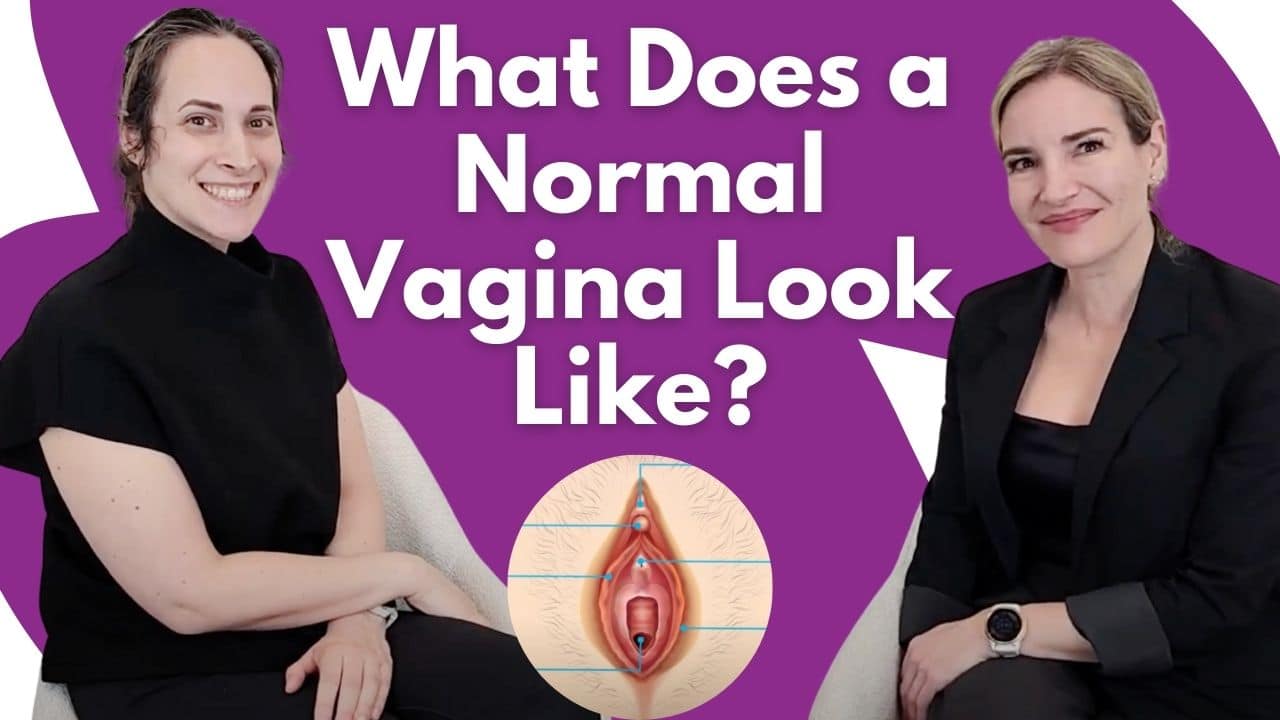
What role does social media play in shaping our perceptions of vaginal appearance, and how can we mitigate its negative effects?
Social media can play a significant role in shaping our perceptions of vaginal appearance, often perpetuating unrealistic and unattainable beauty standards. These platforms can showcase airbrushed and Photoshopped images that can leave individuals feeling insecure and self-conscious about their own bodies. Moreover, the lack of diversity and representation in media and popular culture can exacerbate these feelings, making it even more challenging for individuals to develop a positive body image.
To mitigate the negative effects of social media, it's essential to be mindful of the content you consume, seeking out reliable and trustworthy sources of information. This can include following body-positive influencers and accounts that promote diversity, inclusivity, and self-acceptance. Additionally, practicing critical thinking and media literacy can help you to critically evaluate the images and messages you encounter, recognizing that they are often constructed and manipulated to sell products or promote unrealistic beauty standards.
How can I communicate with my partner about my concerns and feelings related to vaginal appearance?
Communicating with your partner about your concerns and feelings related to vaginal appearance can be a challenging and vulnerable experience, requiring empathy, understanding, and open and honest communication. The first step is to choose the right time and place for the conversation, selecting a private and comfortable setting where you both feel safe and supported. It's also essential to be clear and direct about your concerns and feelings, using "I" statements to express your thoughts and avoid blaming or criticizing your partner.
A key aspect of this conversation is to listen actively and empathetically, seeking to understand your partner's perspective and validate their feelings. This can involve asking open-ended questions and providing reassurance and support, helping your partner to feel heard and understood. By communicating openly and honestly, you can begin to build a stronger and more intimate connection with your partner, fostering a more positive and supportive relationship.

What are some common myths and misconceptions about vaginal appearance, and how can we dispel them?
There are many common myths and misconceptions about vaginal appearance that can perpetuate negative body image and low self-esteem. For example, the idea that a "normal" vagina should be pink, small, and symmetrical is a common myth that can lead to feelings of insecurity and self-doubt. In reality, the vagina is a unique and varied aspect of the human body, with no two vaginas looking exactly alike. By acknowledging and embracing this diversity, we can begin to dispel these myths and misconceptions, fostering a more positive and inclusive environment for individuals to discuss their concerns and develop a positive body image.
To dispel these myths and misconceptions, it's essential to educate ourselves and others about vaginal health and appearance, seeking out reliable and trustworthy sources of information. This can include consulting with healthcare professionals and engaging in open and honest discussions with friends, family, and partners. By promoting education, awareness, and acceptance, we can begin to break down barriers and stigmas surrounding vaginal health and appearance, and foster a more positive and empowering relationship with our bodies.
Mastering the topic of vaginal appearance and developing a positive body image can have a profound impact on our overall mental and emotional well-being. By acknowledging and embracing the diversity and uniqueness of the vagina, we can begin to foster a more inclusive and supportive environment for individuals to discuss their concerns and develop a positive relationship with their bodies. This, in turn, can lead to a range of benefits, including improved self-esteem, increased confidence, and enhanced overall health and well-being.
Ultimately, the journey towards self-acceptance and positive body image is a unique and individualized process, requiring patience, self-compassion, and support. By being kind and gentle with ourselves, and by seeking out reliable and trustworthy sources of information and support, we can begin to develop a more positive and empowering relationship with our bodies. This, in turn, can lead to a more fulfilling and meaningful life, filled with purpose, passion, and joy. By embracing our uniqueness and individuality, we can begin to break free from negative body image and societal expectations, and foster a more positive and inclusive environment for ourselves and others to thrive.