What Is The Difference Between Polarized And Unpolarized Sunglasses
Imagine yourself driving on a sunny day, the glare from the road and cars is blinding, making it hard to focus on the road. You reach for your trusty sunglasses to save the day, but have you ever wondered what makes some sunglasses better at reducing glare than others? It all comes down to the type of lens, specifically whether they are polarized or unpolarized.
What's the Big Deal About Polarization?
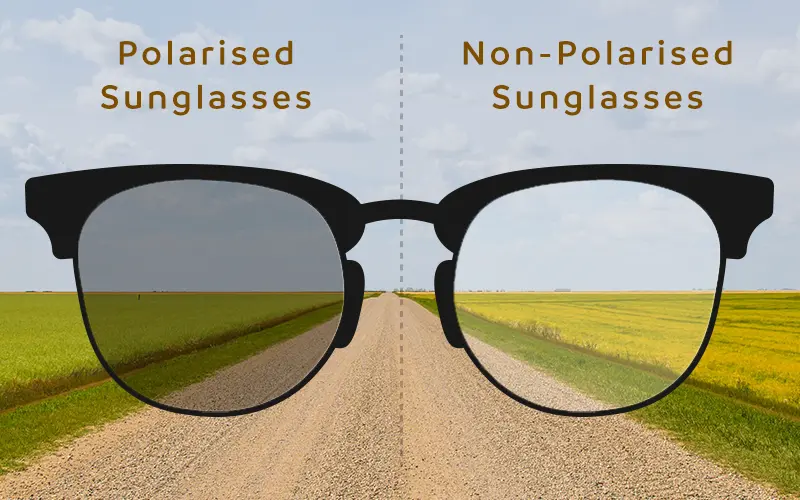
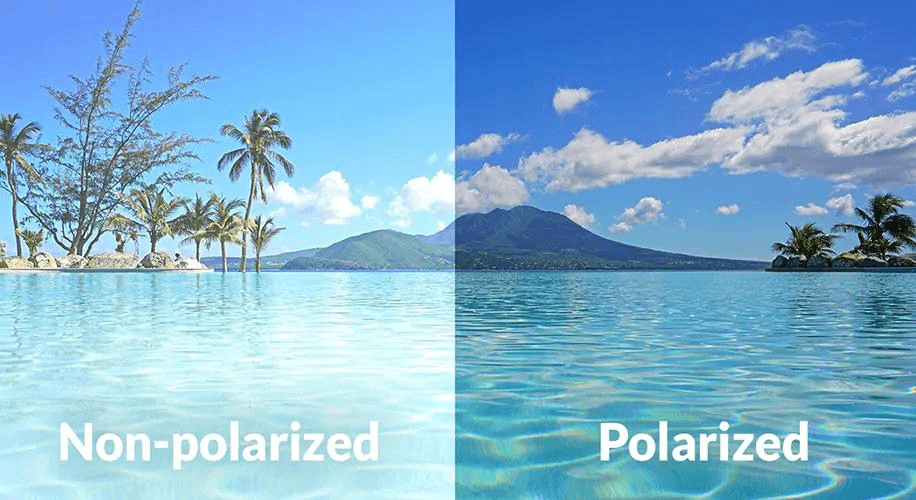
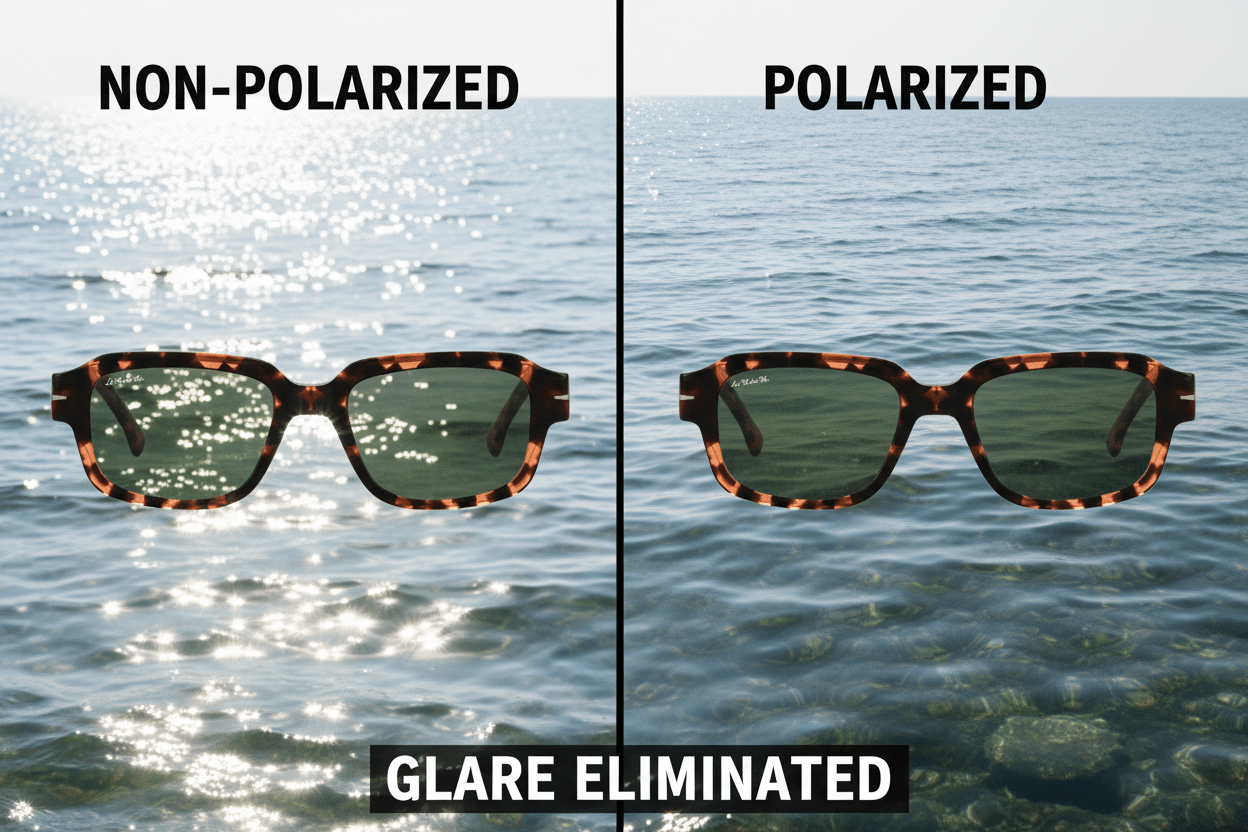
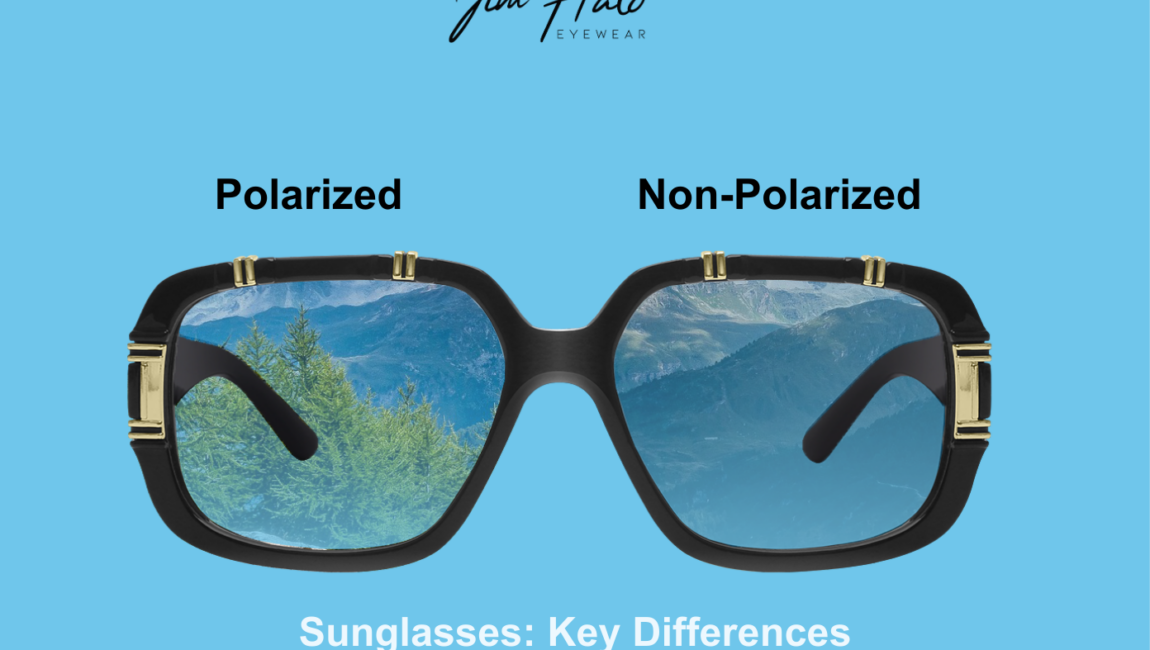
Polarized sunglasses have a special filter that blocks horizontal light waves, which are the ones that cause glare from reflective surfaces like water, snow, or car windshields. This means that if you're a fan of water activities, like fishing or surfing, polarized sunglasses are a must-have to reduce eye strain. By reducing glare, you'll be able to see what's beneath the surface, like fish swimming in the water.
On the other hand, unpolarized sunglasses don't have this filter, so they might not be as effective at reducing glare. However, they can still provide UV protection and help with overall eye comfort in sunny conditions. Think of unpolarized sunglasses like a basic sunscreen, they get the job done, but might not provide the extra benefits that polarized sunglasses offer.
Real-Life Examples: When Polarization Matters
Let's say you're driving on a highway surrounded by cars, the glare from the windshield and hood of the cars can be overwhelming. Polarized sunglasses would help reduce this glare, making it easier to focus on the road. In contrast, unpolarized sunglasses might not be as effective, leaving you squinting and straining to see.
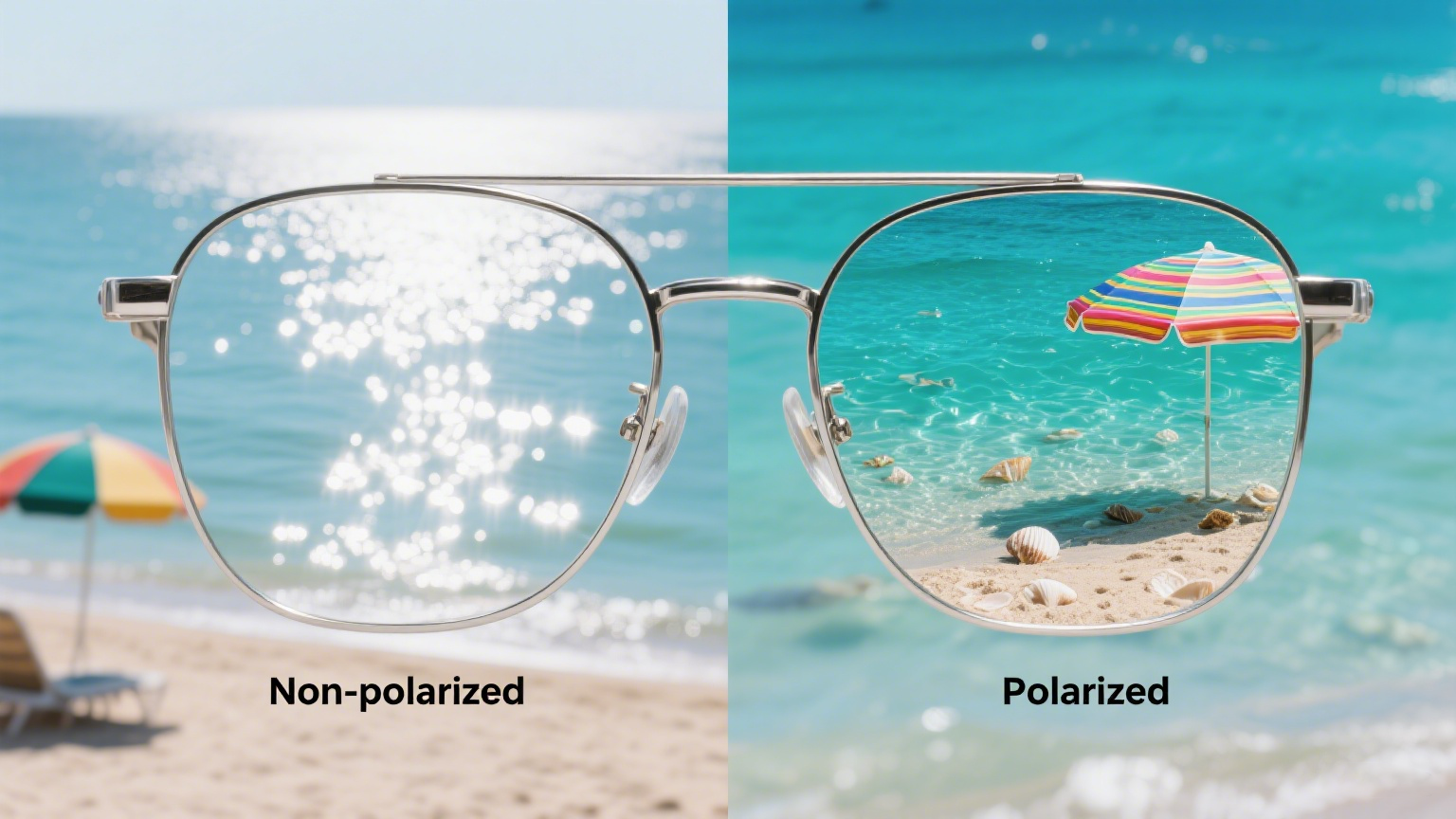
Another example is when you're out on the beach, trying to enjoy the sun and surf. The glare from the water can be intense, but polarized sunglasses can help reduce this glare, allowing you to see the beautiful scenery without straining your eyes. It's like having a built-in filter that enhances your view and makes your outdoor experience more enjoyable.
When it comes to everyday activities, like walking or hiking, unpolarized sunglasses might be sufficient. However, if you're engaging in activities that involve a lot of reflective surfaces, like skiing or cycling, polarized sunglasses are the way to go. They can help reduce glare and provide better visibility, making your experience safer and more enjoyable.
Why Should You Care?
The difference between polarized and unpolarized sunglasses might seem minor, but it can make a big impact on your daily life. By choosing the right type of sunglasses, you can enhance your outdoor experience, reduce eye strain, and even improve your safety while driving or engaging in sports. So, next time you're shopping for sunglasses, take a closer look at the type of lens and consider what activities you'll be using them for.
In conclusion, polarized and unpolarized sunglasses have their own unique benefits and drawbacks. While unpolarized sunglasses provide basic UV protection, polarized sunglasses offer an extra layer of glare reduction, making them ideal for activities that involve reflective surfaces. By understanding the difference, you can make an informed decision and choose the right sunglasses for your lifestyle, making your outdoor adventures more enjoyable and safe.