What Is The Difference Between Mft And Lpcc In California

As we navigate the complexities of our mental health and well-being, it's essential to understand the various roles and certifications that professionals in the field hold. In California, two prominent licenses are the Marriage and Family Therapist (MFT) and the Licensed Professional Clinical Counselor (LPCC). While both licenses enable professionals to provide mental health services, there are distinct differences between them. Our brains react to these differences because we inherently seek the most effective and personalized support for our unique struggles. The modern relevance of understanding these differences lies in our growing awareness of mental health and our desire to make informed decisions about our care.
The psychological root of our interest in MFT and LPCC licenses stems from our deep-seated desire for emotional connection and personal growth. We yearn for therapists who can empathize with our experiences, help us navigate our thoughts and emotions, and guide us toward self-improvement. As we explore the differences between MFT and LPCC licenses, we begin to unravel the complexities of our own mental health and the types of support that can facilitate our growth. By understanding these differences, we can make informed decisions about our mental health care and cultivate a more compassionate and supportive relationship with ourselves and others.
Understanding the Licenses
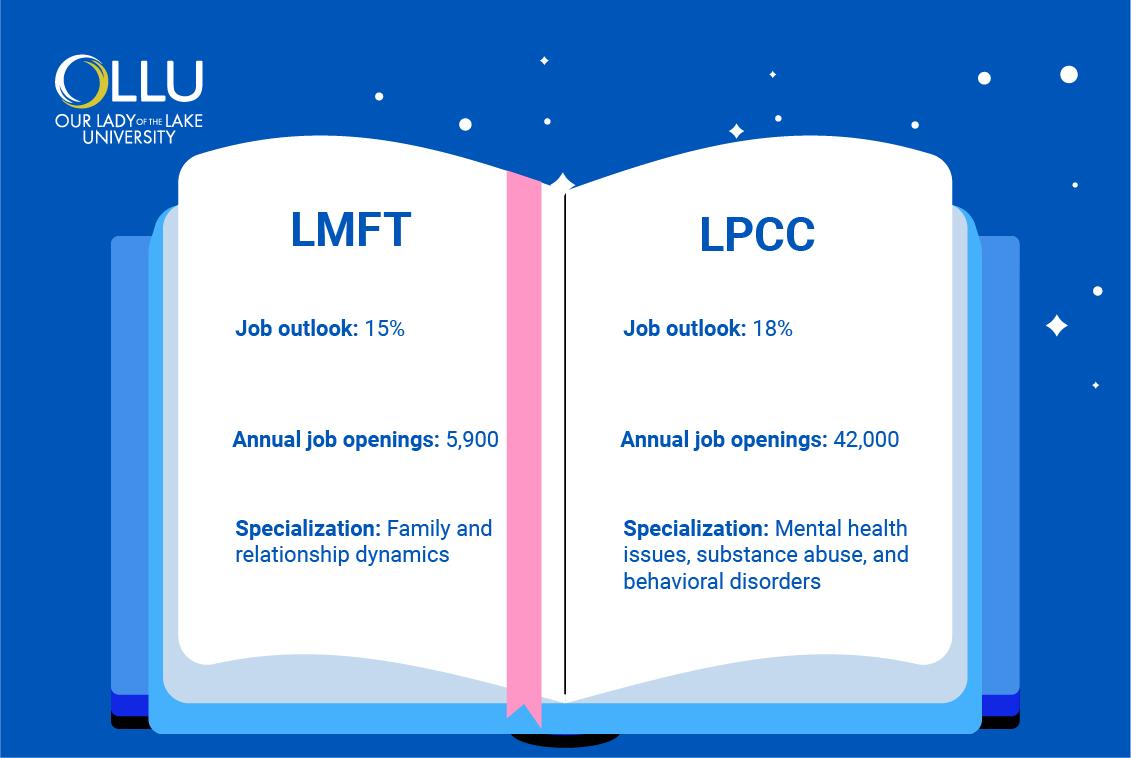
One of the primary differences between MFT and LPCC licenses is the focus of their training and practice. MFTs are trained to work with individuals, couples, and families, emphasizing the interconnectedness of relationships and the impact of systemic dynamics on mental health. In contrast, LPCCs are trained to work with individuals, groups, and communities, focusing on the unique experiences and resilience of each client. This difference in focus can significantly influence the type of support and guidance a client receives. For instance, an individual struggling with relationship issues may benefit from the systemic approach of an MFT, while someone coping with personal trauma may find the individualized focus of an LPCC more helpful.
Must Read
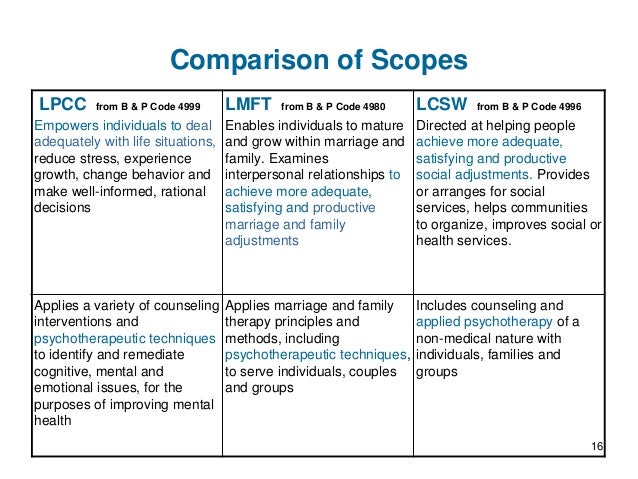
Another significant difference between the two licenses is the scope of practice. MFTs are licensed to diagnose and treat mental health disorders, while LPCCs are also trained to provide career counseling and vocational guidance. This distinction can be crucial for clients who are struggling to find purpose or direction in their lives. By understanding the different areas of expertise, clients can seek out the most appropriate support for their specific needs. For example, a client experiencing burnout and career dissatisfaction may benefit from the holistic approach of an LPCC, which incorporates both personal and professional development.
The emotional triggers associated with seeking mental health support can be intense and overwhelming. Fear of vulnerability, shame, and judgment can prevent individuals from seeking help. However, by understanding the differences between MFT and LPCC licenses, clients can begin to feel more empowered and in control of their mental health care. This sense of agency can be a powerful catalyst for personal growth and healing, as individuals begin to recognize that they have the ability to choose the type of support that best aligns with their needs and values.
Coping Mechanisms and Mindset Shifts
To navigate the complexities of mental health care, it's essential to develop resilience and coping strategies. One effective approach is to practice self-compassion and self-awareness, recognizing that our mental health is a unique and ongoing journey. By cultivating a growth mindset, we can begin to view challenges as opportunities for growth and development, rather than threats to our ego or sense of self. This mindset shift can be incredibly liberating, allowing us to approach our mental health with a sense of curiosity and openness, rather than fear or resistance.
Another crucial aspect of navigating mental health care is developing a support network. This can include friends, family members, support groups, or online communities. By surrounding ourselves with empathetic and understanding individuals, we can begin to feel less isolated and more connected. This sense of connection can be a powerful antidote to the stigma and shame that often surround mental health issues, allowing us to feel more comfortable and confident in seeking support.
In addition to developing coping mechanisms and mindset shifts, it's essential to recognize the importance of self-care and self-nurture. This can include activities such as meditation, yoga, or creative pursuits, which help to regulate our emotions and recharge our energy. By prioritizing self-care, we can begin to feel more grounded and resilient, better equipped to navigate the challenges of mental health care. For instance, a client struggling with anxiety may find that regular exercise or mindfulness practice helps to reduce their symptoms and improve their overall sense of well-being.
Finally, it's essential to recognize that seeking mental health support is a sign of strength, rather than weakness. By seeking help, we demonstrate our willingness to confront our challenges and grow as individuals. This realization can be incredibly liberating, allowing us to approach our mental health with a sense of empowerment and hope, rather than fear or shame. By understanding the differences between MFT and LPCC licenses, we can take the first step toward seeking the support that best aligns with our unique needs and values.
Frequently Asked Questions
What is the primary difference between MFT and LPCC licenses?
The primary difference between MFT and LPCC licenses lies in their focus and scope of practice. MFTs are trained to work with individuals, couples, and families, emphasizing the interconnectedness of relationships and the impact of systemic dynamics on mental health. In contrast, LPCCs are trained to work with individuals, groups, and communities, focusing on the unique experiences and resilience of each client. This difference in focus can significantly influence the type of support and guidance a client receives.

Understanding the differences between MFT and LPCC licenses is crucial for individuals seeking mental health support. By recognizing the unique strengths and areas of expertise of each license, clients can make informed decisions about their care and seek out the most appropriate support for their specific needs. For instance, a client struggling with relationship issues may benefit from the systemic approach of an MFT, while someone coping with personal trauma may find the individualized focus of an LPCC more helpful.
How do I choose between an MFT and an LPCC?
Choosing between an MFT and an LPCC depends on your unique needs and preferences. If you're struggling with relationship issues or seeking support for your family, an MFT may be the best fit. On the other hand, if you're coping with personal trauma or seeking guidance on career development, an LPCC may be more suitable. It's essential to research and understand the differences between the two licenses, as well as the individual therapist's approach and areas of expertise.
Ultimately, the choice between an MFT and an LPCC should be based on your personal comfort and connection with the therapist. It's essential to find a therapist who resonates with you, understands your unique experiences, and can provide the type of support that aligns with your values and goals. By taking the time to research and understand the differences between MFT and LPCC licenses, you can make an informed decision about your mental health care and cultivate a positive and supportive therapeutic relationship.
Can MFTs and LPCCs provide the same services?
Despite these similarities, it's essential to recognize that MFTs and LPCCs may approach their work from different perspectives. MFTs may focus more on the systemic dynamics of relationships, while LPCCs may emphasize the unique experiences and resilience of each client. By understanding these differences, clients can seek out the most appropriate support for their specific needs and values. For instance, a client struggling with anxiety may benefit from the systemic approach of an MFT, while someone coping with depression may find the individualized focus of an LPCC more helpful.
How do I know if I need an MFT or an LPCC?
Determining whether you need an MFT or an LPCC depends on your unique circumstances and needs. If you're struggling with relationship issues, such as communication problems or conflict resolution, an MFT may be the best fit. On the other hand, if you're coping with personal trauma, such as abuse or neglect, an LPCC may be more suitable.
It's also essential to consider your personal preferences and values. If you prefer a systemic approach that emphasizes the interconnectedness of relationships, an MFT may be the best choice. If you prefer a more individualized focus that emphasizes your unique experiences and resilience, an LPCC may be more suitable. Ultimately, the decision to seek support from an MFT or an LPCC should be based on your unique needs and values, as well as your personal connection with the therapist.
Can I see both an MFT and an LPCC?
However, it's essential to ensure that both therapists are aware of your decision to seek support from both professionals. This can help prevent conflicts or miscommunication between the two therapists, ensuring that you receive the most effective and cohesive support possible. By being open and honest with both therapists, you can cultivate a positive and supportive therapeutic relationship that addresses your unique needs and values.
As we reflect on the differences between MFT and LPCC licenses, it becomes clear that mastering this topic leads to a better, more balanced human experience. By understanding the unique strengths and areas of expertise of each license, we can make informed decisions about our mental health care and cultivate a more compassionate and supportive relationship with ourselves and others. This, in turn, can lead to greater self-awareness, emotional intelligence, and resilience, enabling us to navigate the complexities of life with greater ease and confidence.
Ultimately, the journey toward understanding MFT and LPCC licenses is a journey of self-discovery and growth. By embracing this journey, we can develop a deeper understanding of ourselves and our unique needs, cultivating a more positive and empowering relationship with our mental health. As we continue to navigate the complexities of MFT and LPCC licenses, we can trust that we are taking the first steps toward a more balanced, compassionate, and fulfilling life.