What Is The Average Clit Size

The average clitoral size has been a topic of interest and speculation for many, with various studies and surveys attempting to shed light on this often-stigmatized aspect of female anatomy. It is essential to approach this topic with a pragmatic and data-driven mindset, recognizing that variability is a natural and beautiful part of human biology. By exploring the biological and physiological aspects of the clitoris, we can work towards a better understanding of its role in female health and pleasure.
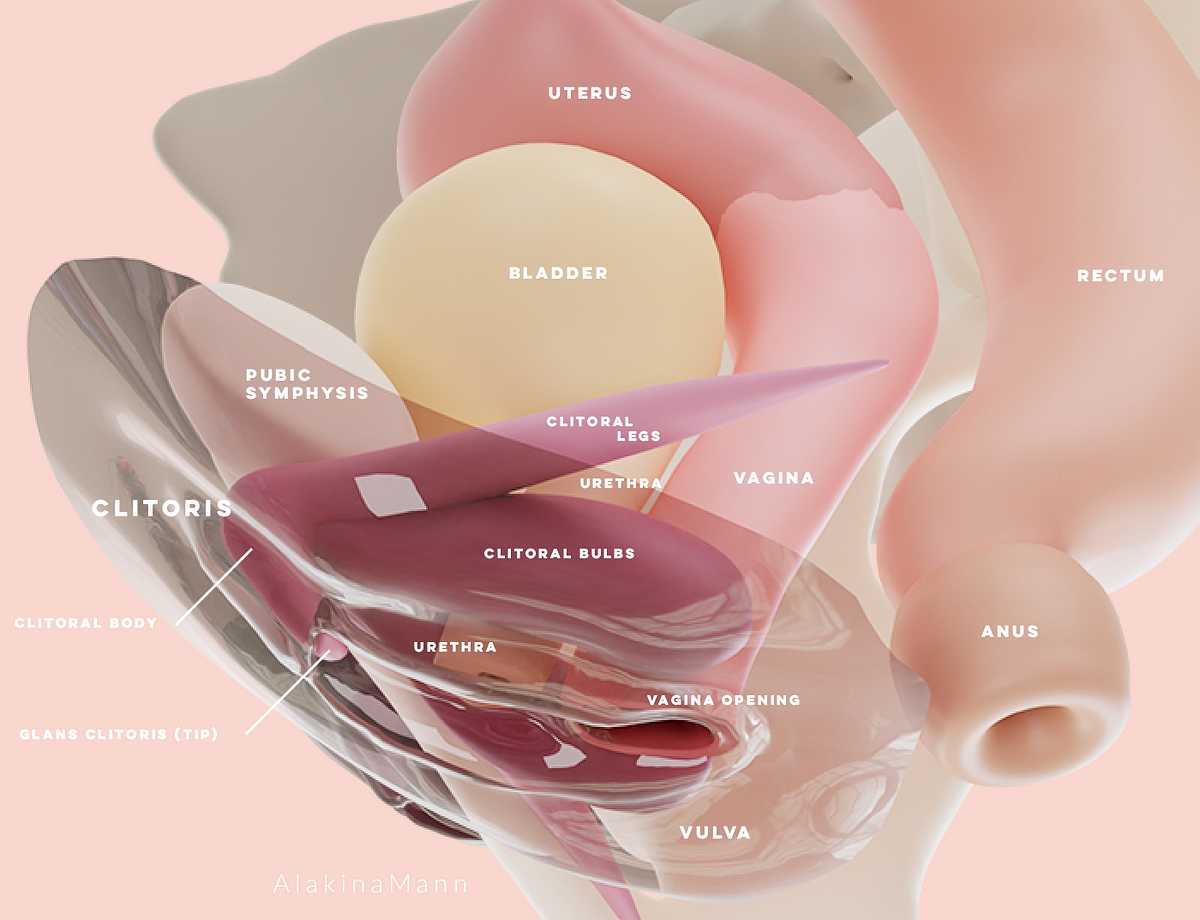
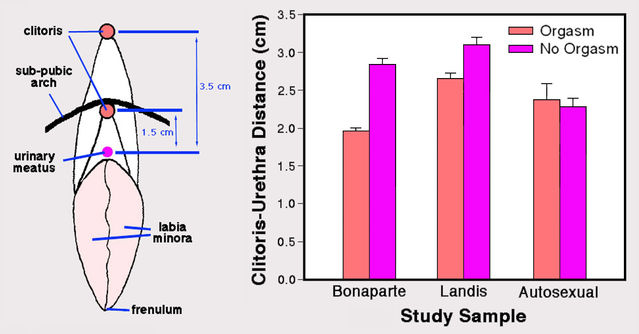
From a biological perspective, the clitoris is a complex and highly innervated organ, responsible for sensitive and erotic sensations. Comprising a glans, shaft, and roots, the clitoris is a dynamic structure, and its size can vary significantly from one individual to another. Research has shown that the average length of the clitoral glans is approximately 1.5 to 2.5 cm, while the clitoral shaft can range from 2 to 4 cm in length.
Understanding the anatomy and physiology of the clitoris is crucial for promoting female sexual health and addressing any related concerns or issues. By acknowledging the diversity of clitoral sizes and shapes, we can foster a more inclusive and accepting environment, where individuals feel empowered to explore and understand their own bodies. In this article, we will delve into the science behind clitoral size, exploring the biological, chemical, and systemic reactions that influence this aspect of female anatomy.
Must Read
The Biology of Clitoral Size
The development of the clitoris is a complex process, influenced by a combination of genetic, hormonal, and environmental factors. During fetal development, the clitoris forms from the same tissue as the penis, and its size and shape are determined by the interaction of various hormones and growth factors. Research has shown that estrogen and testosterone play a crucial role in shaping the clitoris, with fluctuations in hormone levels affecting its size and sensitivity.
In addition to hormonal influences, genetic factors can also contribute to variations in clitoral size. Studies have identified several genetic variants associated with clitoral size, highlighting the complex interplay between genetic and environmental factors. Furthermore, lifestyle choices, such as exercise and nutrition, can also impact clitoral health and function, with a balanced diet and regular physical activity promoting overall sexual well-being.
The neurological aspects of clitoral size are also significant, with the clitoris containing a high concentration of nerve endings and sensory receptors. This complex neural network enables the clitoris to respond to a wide range of stimuli, from gentle touch to intense pressure. By understanding the neural mechanisms underlying clitoral sensation, we can better appreciate the intricate relationships between the clitoris, brain, and body.
Optimizing Clitoral Health and Pleasure
To promote clitoral health and pleasure, it is essential to adopt a holistic approach, incorporating physical, emotional, and psychological strategies. One effective technique is self-exploration, which involves getting to know one's own body and clitoris through gentle touch, massage, and experimentation. By developing a deeper understanding of their clitoris, individuals can better communicate their needs and desires to their partners, enhancing intimacy and connection.
In addition to self-exploration, education and communication are vital components of clitoral health and pleasure. By learning about the anatomy and physiology of the clitoris, individuals can better appreciate its role in female sexual health and pleasure. Open and honest communication with partners, healthcare providers, and friends can also help to reduce stigma and promote a more inclusive and accepting environment.
Mindfulness and relaxation techniques, such as meditation and deep breathing, can also enhance clitoral pleasure and overall sexual well-being. By cultivating a greater awareness of their body and emotions, individuals can better respond to their desires and needs, leading to more fulfilling and satisfying experiences. Furthermore, exercise and physical activity can improve blood flow and sensation in the clitoris, while nutrition and hormonal balance can support overall reproductive health.
For those experiencing clitoral concerns or discomfort, it is essential to seek guidance from a qualified healthcare provider. A comprehensive evaluation and diagnosis can help identify underlying causes and develop effective treatment plans, promoting optimal clitoral health and pleasure. By prioritizing preventative care and regular check-ups, individuals can maintain their reproductive health and address any concerns or issues promptly.
Frequently Asked Questions
What is the average clitoral size, and how does it vary among individuals?
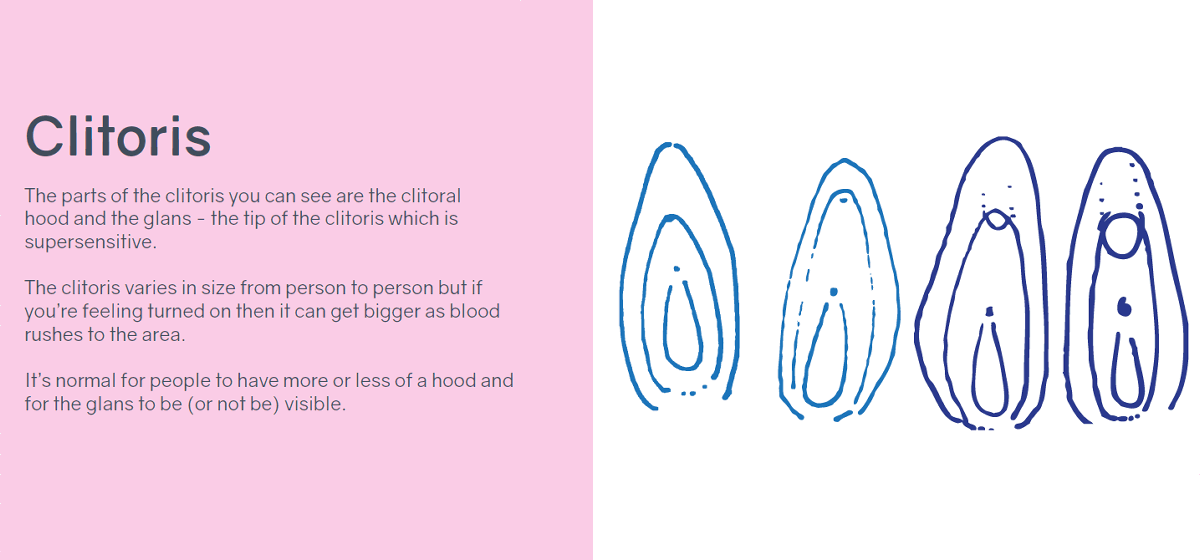
The average clitoral size can vary significantly among individuals, with studies suggesting that the length of the clitoral glans ranges from 1.5 to 2.5 cm, and the clitoral shaft from 2 to 4 cm. This variability is influenced by a combination of genetic, hormonal, and environmental factors, and it is essential to recognize that there is no single "normal" or "ideal" clitoral size. By embracing this diversity, we can promote a more inclusive and accepting environment, where individuals feel empowered to explore and understand their own bodies.
It is crucial to note that clitoral size is not directly correlated with sexual pleasure or orgasmic ability. Instead, the complexity of the clitoris and its rich innervation enable it to respond to a wide range of stimuli, making every individual's experience unique. By focusing on communication, self-exploration, and education, individuals can optimize their clitoral health and pleasure, regardless of their clitoral size.
How does hormone balance affect clitoral size and sensitivity?
Hormone balance plays a significant role in shaping the clitoris, with estrogen and testosterone influencing its size and sensitivity. Fluctuations in hormone levels, such as those experienced during menstruation, pregnancy, or menopause, can affect clitoral size and sensation. Additionally, hormonal imbalances, such as polycystic ovary syndrome (PCOS), can also impact clitoral health and function.
It is essential to maintain hormonal balance through a combination of lifestyle modifications, such as a balanced diet, regular exercise, and stress management, as well as medical interventions, if necessary. By prioritizing hormonal health, individuals can support their overall reproductive well-being and optimize their clitoral function.

Can clitoral size be increased or enhanced through surgery or other means?
While there are various surgical and non-surgical procedures aimed at enhancing clitoral size or sensation, it is essential to approach these options with caution and careful consideration. Clitoral enhancement surgery can be a complex and invasive procedure, carrying risks and potential complications. Furthermore, the effectiveness and safety of these procedures are not always guaranteed, and individuals should prioritize education and informed decision-making when exploring these options.
Instead of focusing on surgical or invasive procedures, individuals can prioritize self-exploration, communication, and education to optimize their clitoral health and pleasure. By developing a deeper understanding of their body and clitoris, individuals can enhance their sexual well-being and intimacy, without resorting to unnecessary or risky interventions.
How can I maintain good clitoral health and prevent potential issues?
To maintain good clitoral health, it is essential to prioritize preventative care, including regular check-ups with a qualified healthcare provider. Individuals should also engage in healthy lifestyle habits, such as a balanced diet, regular exercise, and stress management, to support their overall reproductive well-being. Additionally, safe sex practices and STI prevention can help reduce the risk of clitoral infections or other complications.
By staying informed about their body and clitoris, individuals can take proactive steps to maintain their clitoral health and prevent potential issues. This includes self-exploration, communication with partners and healthcare providers, and education about clitoral anatomy, physiology, and health. By embracing this holistic approach, individuals can optimize their clitoral health and pleasure, while reducing the risk of complications or concerns.
What role does the clitoris play in female orgasm and sexual pleasure?
The clitoris plays a vital role in female orgasm and sexual pleasure, with its rich innervation and complex neural network enabling it to respond to a wide range of stimuli. The clitoris is responsible for sensitive and erotic sensations, and its stimulation can lead to intense pleasure and orgasm. By understanding the clitoris and its role in female sexual health, individuals can better appreciate the importance of communication, self-exploration, and education in optimizing their sexual well-being.
It is essential to recognize that female orgasm and sexual pleasure are complex and multi-faceted, involving a combination of physical, emotional, and psychological factors. By prioritizing clitoral health and pleasure, individuals can enhance their overall sexual well-being, intimacy, and connection with their partners. By embracing this comprehensive approach, individuals can unlock their full potential for sexual pleasure and fulfillment.
By respecting the science behind clitoral size and health, we can work towards a more inclusive and accepting environment, where individuals feel empowered to explore and understand their own bodies. By prioritizing education, self-exploration, and communication, we can optimize our clitoral health and pleasure, while reducing the risk of complications or concerns. By embracing this holistic approach, we can become better, more efficient humans, capable of navigating the complexities of female sexual health with confidence and clarity.
In conclusion, the average clitoral size is just one aspect of the complex and fascinating world of female anatomy and physiology. By exploring the biology, chemistry, and physics of the clitoris, we can gain a deeper understanding of its role in female health and pleasure. By applying this knowledge in a practical and actionable way, we can optimize our clitoral health, pleasure, and overall well-being, leading to a more fulfilling and satisfying life. By respecting the science behind clitoral size and health, we can unlock our full potential for sexual pleasure, intimacy, and connection, and become the best version of ourselves.