What Is It Called When You Get Pleasure From Pain

Let's dive into the fascinating world of masochism, where the lines between pain and pleasure get blurred. This phenomenon has been a part of human culture for centuries, with references in literature, art, and even music. From the iconic novel Fifty Shades of Grey to the hit song Pain by Three Days Grace, it's clear that this concept has captivated our imagination.
Understanding the Concept
The term masochism was coined by Austrian psychologist Richard von Krafft-Ebing in the late 19th century, derived from the name of Leopold von Sacher-Masoch, an Austrian author known for his erotic novels. In essence, masochism refers to the paradoxical experience of deriving pleasure from pain, often in a physical or emotional context. This can manifest in various forms, from sensory play to emotional masochism, where individuals seek out painful or uncomfortable situations.
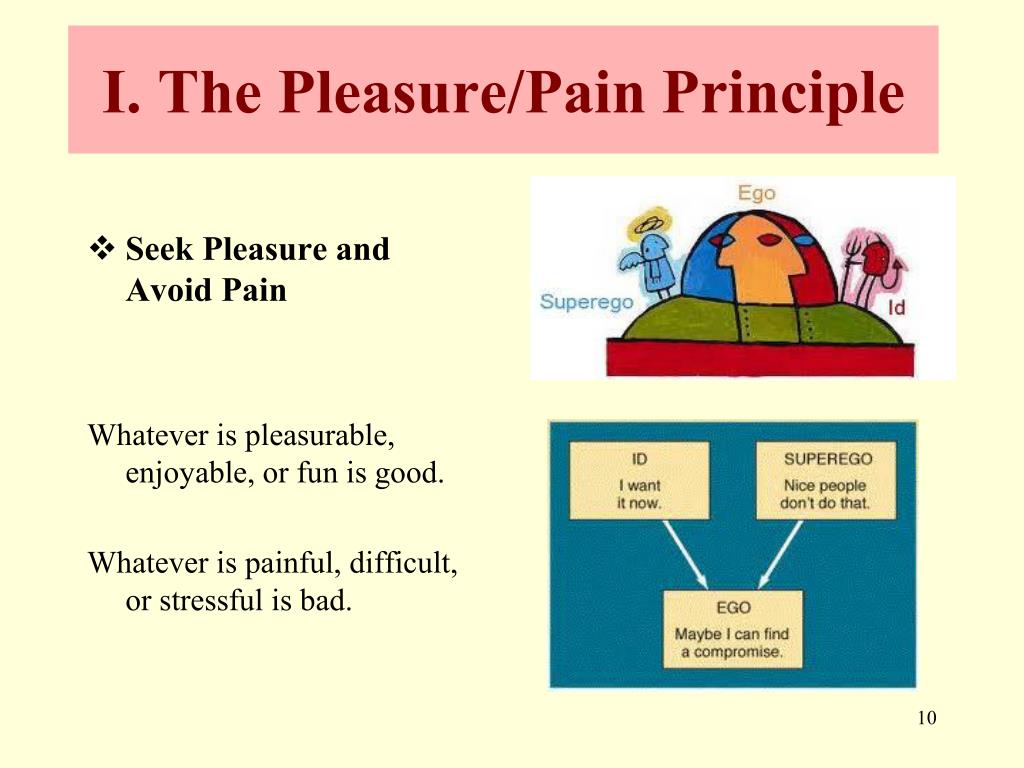
Research suggests that dopamine release plays a significant role in the experience of pleasure from pain, as the brain's reward system is triggered by the release of this neurotransmitter. Additionally, cultural and social factors can influence an individual's perception of pain and pleasure, with some societies or communities normalizing or even glorifying masochistic behaviors. For instance, the BDSM community has its own set of rules, protocols, and safety measures to ensure that participants engage in consensual and safe activities.
Must Read
- Heart Of Mexico City Football: Pinpointing The Azteca Stadium Location
- Guadalajara Stadium Parking Guide: Avoid The Matchday Traffic
- Houston Stadium Bag Policy: Clear Bag Rules For Visitors
- Sofi Stadium Capacity: How Many Fans It Can Hold
- Reliant Stadium Parking: A Guide To The Old Name And Current Venue
Types of Masochism
There are several types of masochism, including physical masochism, which involves deriving pleasure from physical pain or discomfort. This can range from mild forms of spanking or flogging to more extreme practices like branding or cutting. On the other hand, emotional masochism refers to the experience of pleasure from emotional pain or distress, such as self-sabotage or toxic relationships. It's essential to note that these practices should always be consensual and safe, with clear boundaries and communication between all parties involved.
In Japanese culture, the concept of ikigai (finding purpose in life) can sometimes involve experiencing pain or discomfort as a means to achieve personal growth or spiritual enlightenment. Similarly, in some Extreme Sports, athletes push their bodies to the limit, often enduring physical pain to achieve a sense of accomplishment or thrill. These examples illustrate how masochism can be a complex and multifaceted phenomenon, influenced by cultural and personal factors.

Practical Tips and Considerations
For those interested in exploring masochistic activities, it's crucial to prioritize safety and consent. This means establishing clear boundaries, communicating openly with partners, and ensuring that all activities are consensual and safe. Start slow and be gentle with yourself and others, as it's essential to respect individual limits and comfort levels. Additionally, education and research are key to understanding the complexities of masochism and making informed decisions about one's own desires and boundaries.
In daily life, we can apply some of the principles of masochism to challenge ourselves and grow as individuals. For example, engaging in physical activities that push our limits, like marathon running or extreme hiking, can help us build resilience and confidence. Similarly, emotional challenges like public speaking or creative pursuits can help us develop coping strategies and self-awareness. By embracing these challenges, we can cultivate a sense of personal growth and self-discovery, even in the face of discomfort or pain.

Cultural References and Fun Facts
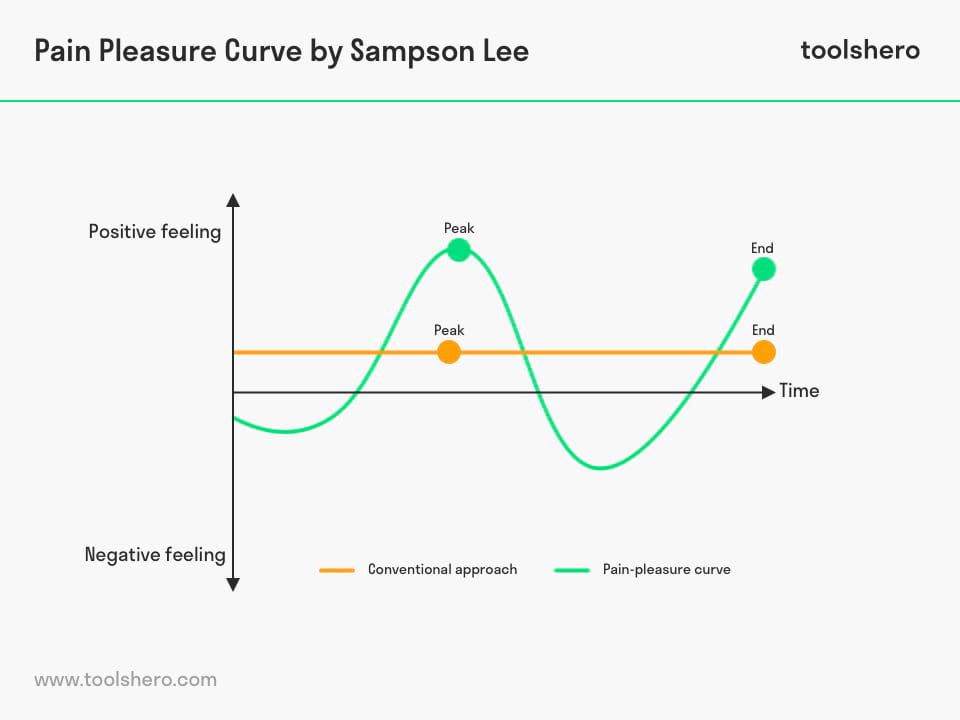
In pop culture, references to masochism can be found in music, film, and literature. From the iconic song "Master of Puppets" by Metallica to the novel "The Story of O" by Pauline Réage, masochism has been a timeless and thought-provoking theme. Interestingly, some studies suggest that individuals who engage in masochistic activities may have a higher pain threshold and be more resilient to stress than those who do not. Furthermore, neuroscientific research has shown that the brain's reward system is closely linked to the experience of pleasure and pain, highlighting the complex interplay between these two sensations.
As we navigate the complexities of masochism, it's essential to remember that individual experiences and desires are unique and should be respected. By fostering an open and non-judgmental dialogue about masochism, we can work towards creating a more inclusive and empathetic society. As the ancient Greek philosopher, Aristotle, once said, "We are what we repeatedly do. Excellence, then, is not an act, but a habit." By embracing our desires and exploring the intricacies of masochism, we can cultivate a deeper understanding of ourselves and the world around us.
In conclusion, the experience of pleasure from pain is a multifaceted and intriguing phenomenon that has been a part of human culture for centuries. By understanding the complexities of masochism and embracing our individual desires, we can foster a more inclusive and empathetic society. As we reflect on our own experiences and boundaries, let's remember to prioritize safety, consent, and respect, and to approach the topic of masochism with an open mind and a willingness to learn. In doing so, we can unlock a deeper understanding of ourselves and the world around us, and cultivate a more authentic and fulfilling life.