What Is Hypersexual Behavior
:max_bytes(150000):strip_icc()/hypersexuality-definition-symptoms-treatment-5199535_final1-ef11bd0eb66e431da6a4244aa30f5e4e.png)
Let's talk about sex, baby! Or rather, let's talk about hypersexual behavior, a topic that's often shrouded in mystery and controversy. From the sexual liberation of the 60s to the hookup culture of today, our society's relationship with sex is complex and multifaceted.
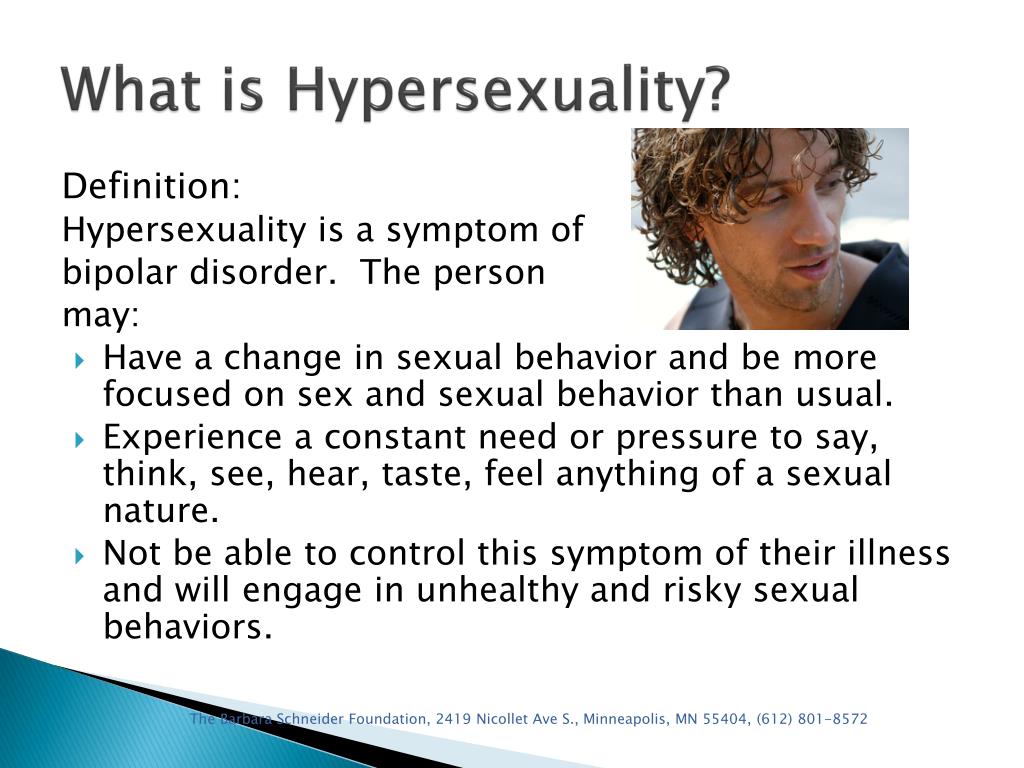
In simple terms, hypersexual behavior refers to an excessive preoccupation with sex, which can manifest in different ways, such as compulsive masturbation, excessive pornography consumption, or high-risk sexual behavior. But what drives this behavior, and how can we distinguish between a healthy sex drive and an unhealthy obsession? To answer these questions, let's dive into the world of sexology and explore the psychological, social, and cultural factors that contribute to hypersexual behavior.
Understanding Hypersexual Behavior
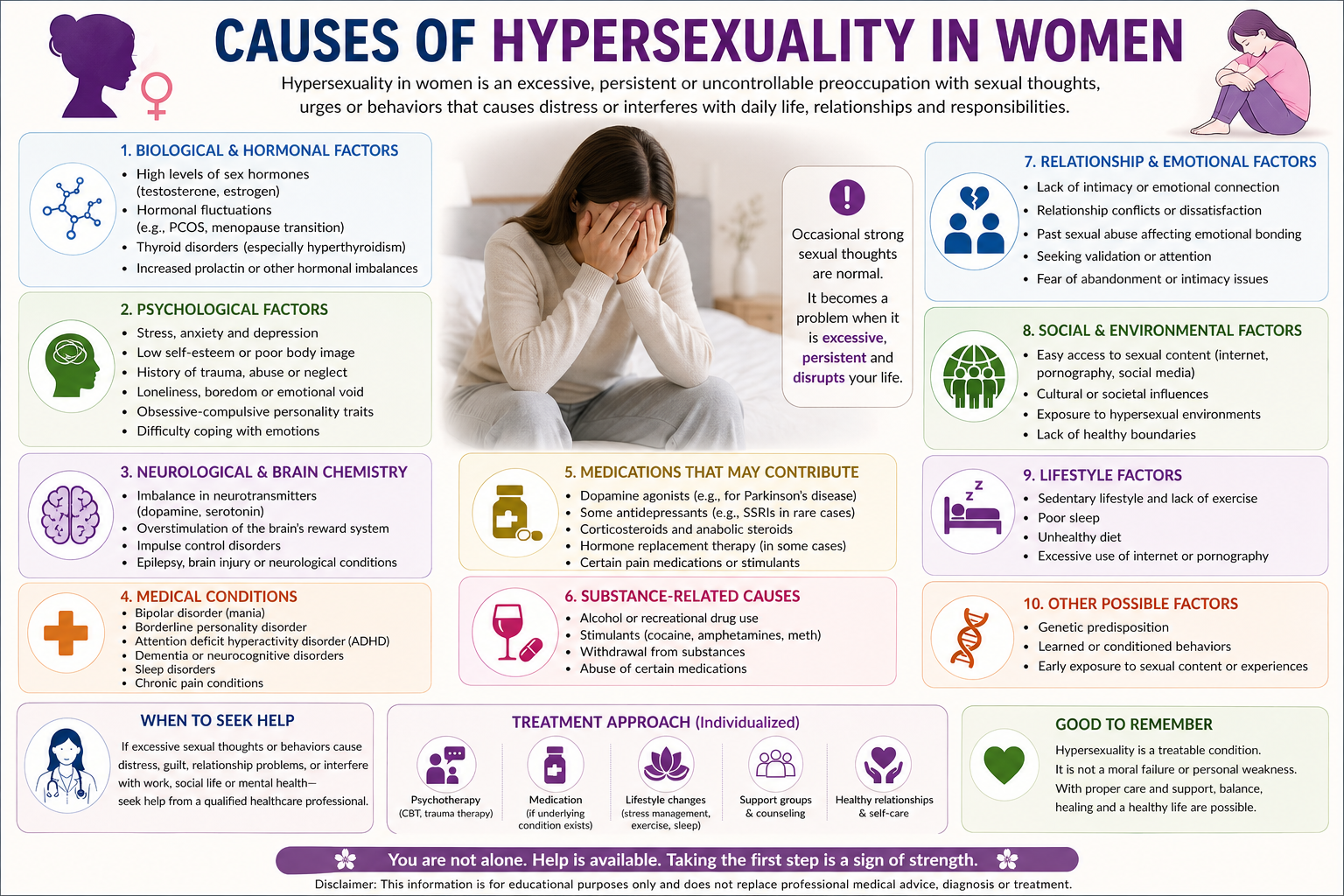
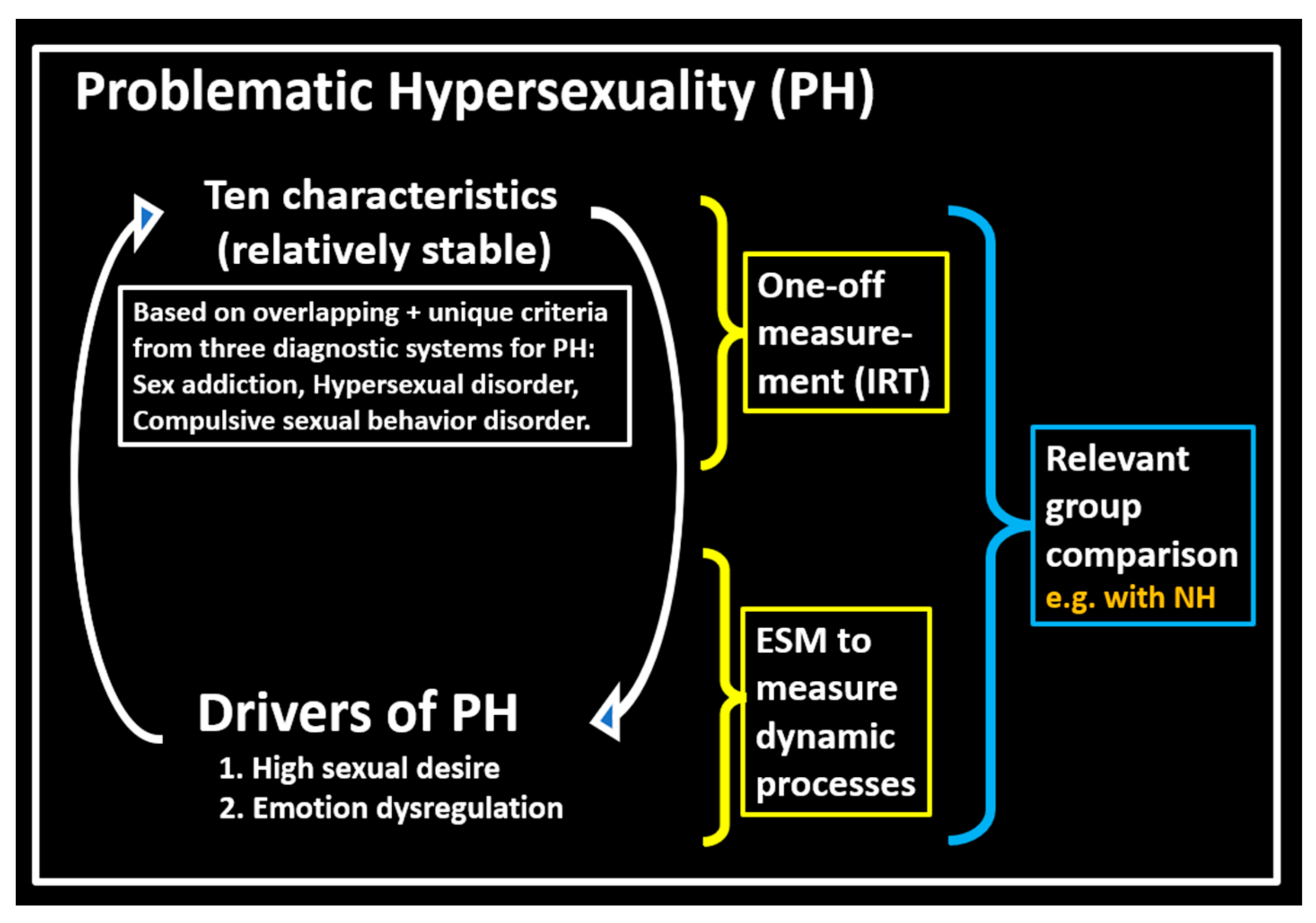
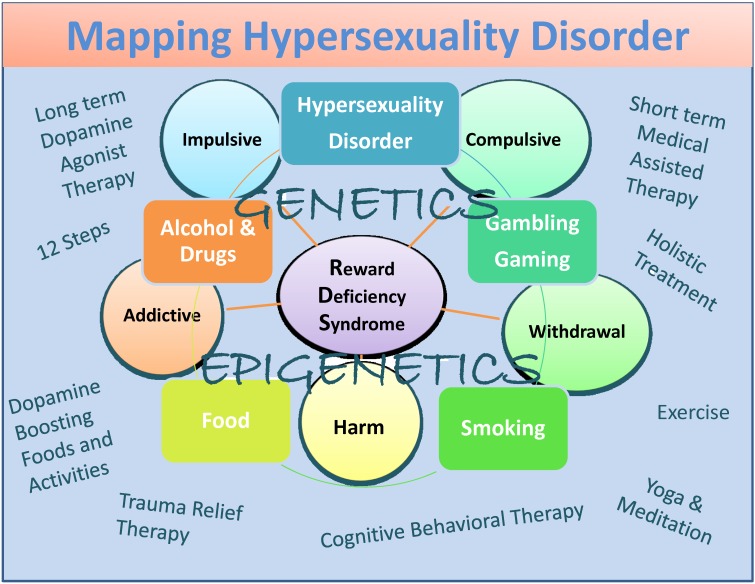
According to sex researchers, hypersexual behavior is often linked to underlying psychological issues, such as anxiety, depression, or low self-esteem. For instance, some individuals may use sex as a coping mechanism to deal with stress or emotional pain, while others may struggle with sexual addiction, which can be just as debilitating as any other addiction.
Must Read
But hypersexual behavior is not just a personal issue; it's also shaped by cultural and societal factors. Think about it: we live in a world where sex is everywhere – in the media, in advertising, in music, and even in our social media feeds. This constant exposure can create unrealistic expectations and distorted views of sex, leading some individuals to engage in risky or compulsive behavior.
The Role of Technology
Technology has also played a significant role in the rise of hypersexual behavior. With the internet at our fingertips, it's easier than ever to access pornography, hookup apps, and other sex-related content. While these tools can be harmless or even beneficial for some, they can also fuel addiction and compulsive behavior in others.
Take, for example, the pornography industry, which has grown exponentially in recent years. While porn can be a healthy part of a sexual relationship, excessive consumption can lead to desensitization, unrealistic expectations, and even sexually transmitted infections. It's essential to be aware of these risks and to consume porn responsibly, if at all.
Breaking the Cycle
So, how can we break the cycle of hypersexual behavior and develop a healthier relationship with sex? For starters, it's essential to communicate openly and honestly with our partners about our desires, boundaries, and concerns. We should also prioritize self-care and self-awareness, taking the time to reflect on our motivations and values.

Additionally, seeking professional help can be incredibly beneficial. Therapists and counselors can help individuals address underlying issues and develop strategies for change. We can also support each other by encouraging healthy attitudes towards sex and promoting positive body image.
Embracing a Positive Body Image
A positive body image is essential for a healthy sex life. When we love and accept our bodies, we're more likely to feel confident and comfortable in our own skin. This, in turn, can enhance our sexual experiences and deepen our connections with others.

So, what can we do to promote positive body image? For starters, we can practice self-care and self-compassion, focusing on our strengths and accomplishments rather than our flaws and shortcomings. We can also challenge societal beauty standards and celebrate diversity in all its forms.
As we conclude this journey into the world of hypersexual behavior, let's take a moment to reflect on our own relationships with sex. Are we using sex as a means of escape or as a way to connect with others? Are we respecting our boundaries and prioritizing our well-being? By asking ourselves these questions and seeking wisdom from others, we can cultivate a healthier, more positive, and more fulfilling relationship with sex – and with ourselves.