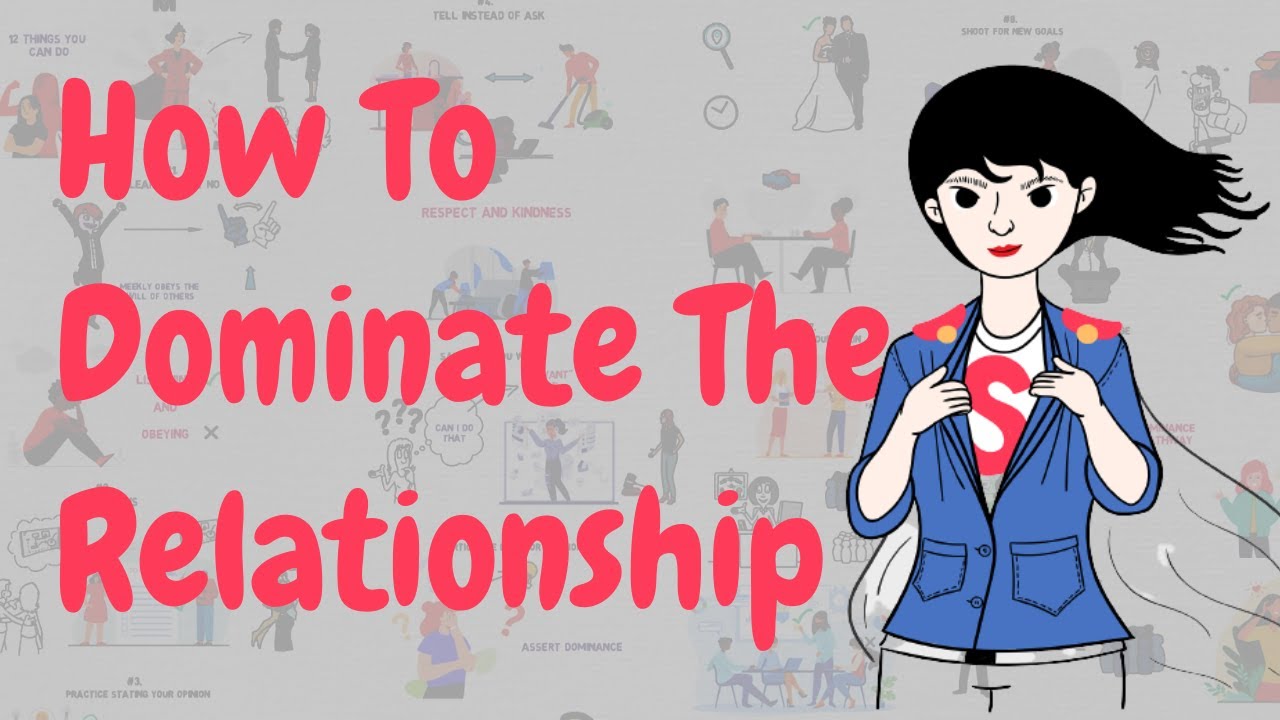
What Is Dominant In A Relationship

Dominance in a relationship refers to the social hierarchy that emerges between two individuals, where one partner has more control or influence over the other. This concept is rooted in evolutionary biology, where dominant individuals have historically had greater access to resources, mating opportunities, and survival advantages. In modern relationships, dominance can manifest in various ways, such as decision-making, emotional support, or financial control. Understanding the dynamics of dominance is essential for building healthy and balanced relationships.
The science behind dominance in relationships is complex and multifaceted. Attachment theory suggests that our early experiences with caregivers shape our attachment styles, which can influence our dominance dynamics in adult relationships. Individuals with an anxious-preoccupied attachment style may be more likely to seek dominance, while those with an avoidant style may prefer to maintain independence. Furthermore, neurobiology plays a significant role, as the release of oxytocin and vasopressin can reinforce bonding and attachment, potentially leading to dominant behaviors.
Moreover, the concept of dominance is not limited to romantic relationships. It can also apply to friendships, family dynamics, and even professional settings. In these contexts, dominance can manifest as social status, influence, or control over resources. Recognizing and navigating these dynamics is crucial for effective communication, conflict resolution, and building strong, mutually beneficial relationships.
Must Read
- Heart Of Mexico City Football: Pinpointing The Azteca Stadium Location
- Guadalajara Stadium Parking Guide: Avoid The Matchday Traffic
- Houston Stadium Bag Policy: Clear Bag Rules For Visitors
- Sofi Stadium Capacity: How Many Fans It Can Hold
- Reliant Stadium Parking: A Guide To The Old Name And Current Venue
Biological and Systemic Reactions
From a biological perspective, dominance is closely linked to the hypothalamic-pituitary-adrenal (HPA) axis, which regulates our stress response. When we perceive a threat or feel dominated, our HPA axis is activated, releasing cortisol and other stress hormones. Chronic activation of the HPA axis can have negative consequences, such as anxiety, depression, and immune system suppression. On the other hand, dominant individuals may experience a role-induced stress, where the pressure to maintain control and responsibility can lead to burnout and emotional exhaustion.
The neurotransmitter dopamine also plays a significant role in dominance dynamics. Dopamine release is associated with reward, pleasure, and motivation, which can reinforce dominant behaviors. However, an overactivation of the dopamine system can lead to addiction, impulsivity, and aggression. Understanding the complex interplay between dopamine, stress, and dominance is essential for developing effective strategies to manage and optimize our relationships.
In addition to biological factors, systemic reactions also contribute to dominance dynamics. Social learning theory suggests that we learn dominant behaviors by observing and imitating others, such as family members, peers, or cultural icons. Furthermore, cultural norms and gender roles can influence our perceptions of dominance and submission, shaping our expectations and behaviors in relationships.

Practical Strategies for Optimization
To master the dynamics of dominance in relationships, it is essential to develop self-awareness and emotional intelligence. This involves recognizing your own attachment style, dominant tendencies, and emotional triggers. By acknowledging and understanding your motivations and behaviors, you can begin to optimize your relationships and develop more balanced and healthy dynamics.
One effective strategy for managing dominance is to practice active listening and empathy. By genuinely engaging with your partner's perspective and emotions, you can build trust and rapport, reducing the need for dominance and control. Additionally, setting clear boundaries and communicating effectively can help prevent conflicts and promote a more egalitarian relationship.
Furthermore, recognizing and challenging negative thought patterns can help you overcome dominant tendencies and develop a more secure attachment style. This involves identifying and reframing cognitive distortions, such as all-or-nothing thinking or emotional reasoning. By cultivating a more flexible and adaptive mindset, you can navigate complex relationship dynamics with greater ease and confidence.
Another crucial aspect of optimizing dominance dynamics is to foster a growth mindset and embrace vulnerability. By acknowledging and accepting your own limitations and weaknesses, you can create a safe and supportive environment for your partner to do the same. This can lead to deeper emotional intimacy and a more balanced distribution of power and control in the relationship.

Frequently Asked Questions
What are the signs of a dominant partner in a relationship?
Recognizing the signs of a dominant partner is crucial for maintaining a healthy and balanced relationship. Some common indicators of dominance include controlling behavior, such as limiting your autonomy or making decisions without your input. Other signs may include emotional manipulation, gaslighting, or belittling. It is essential to address these behaviors early on and establish clear boundaries to prevent the relationship from becoming toxic.
To troubleshoot dominant behaviors, it is essential to communicate effectively and assertively express your needs. This involves setting clear boundaries, using "I" statements to describe your feelings and experiences, and actively listening to your partner's perspective. By doing so, you can create a more balanced and egalitarian relationship, where both partners feel heard, validated, and respected.
How can I overcome my dominant tendencies and develop a more secure attachment style?
Overcoming dominant tendencies requires self-reflection and a willingness to challenge negative thought patterns. It is essential to recognize how your attachment style and dominant behaviors may be impacting your relationships and to develop emotional awareness and regulation strategies. This may involve practicing mindfulness, journaling, or seeking professional help to address underlying issues and develop a more secure attachment style.
Additionally, building empathy and practicing active listening can help you develop a more secure attachment style and reduce dominant tendencies. By genuinely engaging with your partner's perspective and emotions, you can build trust and rapport, creating a more balanced and healthy relationship. It is also essential to challenge negative self-talk and reframe cognitive distortions, such as

What role does biology play in dominance dynamics?
Biology plays a significant role in dominance dynamics, as hormones and neurotransmitters can influence our behaviors and attachment styles. For example, oxytocin and vasopressin can reinforce bonding and attachment, while cortisol and adrenaline can stimulate dominant behaviors. Understanding the complex interplay between biology and dominance is essential for developing effective strategies to manage and optimize our relationships.
Furthermore, genetics and epigenetics can also influence our dominance dynamics, as our genetic predispositions and environmental factors can shape our attachment styles and behaviors. By recognizing the interplay between biology and environment, we can develop more effective and targeted strategies for managing dominance and building healthier relationships.
Can dominance be a positive force in relationships?
While dominance can be a negative force in relationships, it can also be a positive and necessary aspect of human interaction. In certain contexts, such as emergency situations or high-stakes decision-making, dominant behaviors can be adaptive and effective. Additionally, healthy dominance can manifest as leadership, guidance, or support, where one partner takes the lead and provides direction, while the other partner feels safe and supported.
However, it is essential to distinguish between healthy and unhealthy dominance. Unhealthy dominance can lead to abuse, manipulation, and exploitation, while healthy dominance is characterized by mutual respect, trust, and communication. By recognizing the difference between these two forms of dominance, we can cultivate healthier and more balanced relationships.

How can I maintain a balance of power in my relationship?
Maintaining a balance of power in relationships requires ongoing effort and communication. It is essential to regularly check-in with your partner, discuss boundaries, and negotiate conflicts in a fair and respectful manner. By doing so, you can create a more egalitarian relationship, where both partners feel heard, validated, and respected.
Additionally, practicing emotional intelligence and empathy can help you navigate power imbalances and maintain a healthy relationship. By recognizing and addressing your own emotions and needs, as well as your partner's, you can build a more balanced and resilient relationship. It is also essential to challenge societal norms and gender roles that may contribute to power imbalances, and to support each other's autonomy and independence.
By embracing the science behind dominance in relationships, we can develop a deeper understanding of ourselves and our partners. This knowledge can empower us to build stronger, more resilient relationships, where both partners feel seen, heard, and valued. By recognizing the complex interplay between biology, environment, and social dynamics, we can cultivate healthier and more balanced relationships, and become more effective and compassionate individuals.
Ultimately, respecting the science behind dominance in relationships can help us become better, more efficient humans. By acknowledging and addressing our own dominant tendencies, we can develop greater self-awareness, emotional intelligence, and empathy. This, in turn, can lead to more fulfilling and meaningful relationships, and a greater sense of purpose and belonging. By embracing the complexities of dominance, we can create a more harmonious and equitable social landscape, where individuals can thrive and reach their full potential.