What Is A Submissive Female
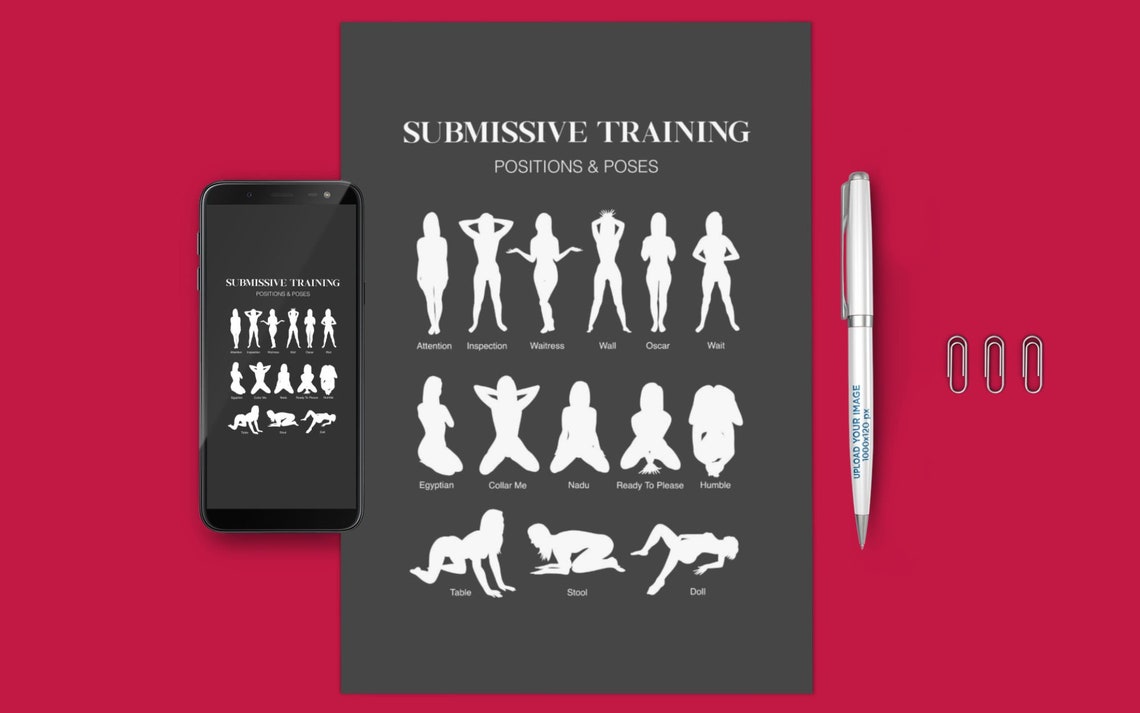
The concept of a submissive female is one that has been around for centuries, with its roots deeply embedded in societal norms and expectations. The term itself can evoke a range of emotions and reactions, from curiosity to discomfort, depending on one's perspective and experiences. At its core, being a submissive female in a relationship or social context means embracing a role where one yields control and decision-making power to another, often a male partner or figure of authority. This dynamic has been both romanticized and criticized across various cultures and historical periods, reflecting the complex interplay between power, gender, and personal relationships.
Throughout history, the portrayal and perception of submissive females have varied significantly, influenced by cultural, religious, and ideological factors. In some contexts, submissiveness has been seen as a virtue, synonymous with compliance, modesty, and devotion. Conversely, feminist movements and critics of patriarchal societies have challenged these norms, viewing them as oppressive and limiting to women's potential and autonomy. Today, the discussion around submissive females continues, with a modern twist that includes explorations of consent, boundaries, and the blurring of lines between traditional roles and more fluid, egalitarian relationships.
Exploring the Concept
Diving deeper into the concept of a submissive female, it's essential to consider the psychological and emotional aspects that drive individuals towards this role. For some, being submissive is a natural extension of their personality, characterized by a desire to please, nurture, and support their partner. This inclination can be rooted in early life experiences, attachment styles, and even neurological predispositions that influence how one responds to authority and intimacy. The psychology of submission reveals a complex interplay between the need for security, the fear of abandonment, and the pursuit of emotional connection, all of which can lead individuals to embrace submissive behaviors in their relationships.
Must Read
The cultural impact of submissive females cannot be overstated, as it reflects and influences societal attitudes towards gender, power, and intimacy. In media and literature, submissive female characters have been portrayed in a myriad of ways, from the tragic figures of Victorian novels to the empowered, consensual participants in modern BDSM communities. These representations not only shape our perceptions of what it means to be submissive but also contribute to ongoing discussions about consent, agency, and the ethics of power exchange in personal relationships. Furthermore, the cultural references to submissive females, whether in art, music, or film, often serve as a catalyst for conversations about gender roles, challenging traditional norms and stereotypes.
Delving into the lesser-known facts about submissive females, one discovers a rich tapestry of experiences and motivations that defy simplistic categorization. For instance, many submissive women are also strong, independent, and successful in their professional and personal lives, debunking the myth that submissiveness is synonymous with weakness. Moreover, the practice of submission, especially within consensual BDSM relationships, requires a high degree of communication, trust, and negotiation, skills that are highly valued and transferable to other areas of life. This aspect highlights the practical insights that can be gleaned from understanding the dynamics of submissive relationships, including the importance of clear boundaries, mutual respect, and open dialogue.
Practical Insights and Scenarios
In exploring the practical aspects of being a submissive female, it's crucial to examine real-life scenarios and case studies that illustrate the diversity of experiences. From the romantic partnerships where submission is a negotiated aspect of the relationship, involving clear boundaries and safe words, to the professional dominatrix who embodies control and power in her work, the spectrum of submission is broad and nuanced. These examples underscore the importance of consent, communication, and mutual respect in any power exchange dynamic, whether personal or professional.

For those interested in exploring submission, either as a personal preference or out of curiosity, there are several actionable takeaways. First, education and self-reflection are key, involving a deep exploration of one's desires, boundaries, and motivations. Seeking out communities, whether online or in-person, can provide valuable resources and support, offering a space to learn from others and share experiences. Additionally, the practice of negotiation and contracting in relationships can be a powerful tool, allowing partners to discuss and agree upon terms, ensuring that all parties feel seen, heard, and respected.
The case studies of submissive females in different contexts also offer insights into the psychological and emotional benefits of embracing this role. For some, submission provides a sense of release and freedom, allowing them to let go of control and responsibility in a safe and consensual environment. Others find that the structure and discipline associated with submissive roles help them achieve personal goals and cultivate self-discipline. These narratives highlight the diversity of experiences and the importance of understanding that submission, like any aspect of human sexuality and relationship dynamics, is highly individualized and context-dependent.
In conclusion, the journey of understanding and embracing one's submissive side is deeply personal and requires a commitment to self-discovery, communication, and mutual respect. By exploring the complexities of submission, individuals can gain a deeper understanding of their own desires and boundaries, as well as cultivate stronger, more fulfilling relationships. Whether through workshops and seminars focused on consent and communication or online forums and support groups, there are numerous resources available for those looking to explore this aspect of their sexuality and relationships.
Frequently Asked Questions
What is the difference between being submissive and being weak?
The distinction between being submissive and being weak is fundamental, as it underscores the consensual and voluntary nature of submission. Unlike weakness, which implies a lack of power or agency, submission involves a deliberate choice to yield control or power to another, often within a framework of mutual respect, trust, and clear boundaries. This choice can be empowering, as it requires a high degree of self-awareness, communication, and negotiation. In the context of relationships or personal growth, embracing submission can be a powerful act of self-definition and intimacy, far removed from the connotations of weakness.

In practical terms, recognizing the difference between submission and weakness involves understanding the role of consent, communication, and mutual respect in any power exchange dynamic. It's about acknowledging that submission is not a passive state but an active choice, one that is made with awareness and intention. By framing submission in this light, individuals can begin to see it as a valid expression of their desires and preferences, rather than a reflection of their inherent strength or capability. This perspective opens up new avenues for exploring power dynamics in relationships, emphasizing the importance of dialogue, boundary-setting, and empathy.
How does one know if they are naturally submissive?
Discovering one's natural inclinations towards submission involves a process of self-reflection and exploration. It may start with noticing patterns in one's relationships or sexual preferences, where a desire to please, follow, or surrender to a partner is present. This could be accompanied by feelings of comfort or arousal in scenarios where control is relinquished, or a sense of peace in obeying commands or following rules within a consensual framework. For some, this realization may emerge through experimentation with BDSM practices, role-playing, or other forms of power exchange, under the guidance of experienced partners or within safe, educational settings.
A key part of this journey is recognizing the importance of self-awareness and communication. Understanding one's own desires, boundaries, and needs is crucial for navigating submissive experiences safely and consensually. This involves not only introspection but also open dialogue with partners, ensuring that all parties are aware of and respect each other's limits and preferences. By embracing this process of discovery, individuals can move towards a more authentic expression of their sexuality and relational preferences, one that is grounded in mutual respect, trust, and a deep understanding of the complexities of power dynamics.
Can a submissive female be a strong, independent person?
One of the most enduring misconceptions about submissive females is that they cannot be strong or independent. However, this stereotype is far from the truth. Many submissive women are highly successful, independent, and confident in their personal and professional lives. The act of submission, especially when consensual and negotiated, does not diminish one's strength or autonomy but rather represents a choice within the context of a relationship or personal expression. In fact, the skills and traits that make someone a strong, independent person—such as decisiveness, resilience, and the ability to set boundaries—can also serve them well in navigating submissive roles and relationships.
The intersection of submissiveness and independence highlights the complexity of human identity and the variety of ways individuals can express their strengths and preferences. It challenges the simplistic dichotomies that often surround discussions of power and gender, instead revealing a nuanced landscape where personal autonomy, sexual preference, and relational dynamics intersect. By recognizing that submissiveness and strength are not mutually exclusive, we can work towards a more inclusive understanding of human sexuality and relationships, one that values diversity and promotes healthy, consensual expressions of power and intimacy.
How does culture influence perceptions of submissive females?
Cultural attitudes and norms significantly impact how submissive females are perceived and treated. In some cultures, submissiveness is valued as a trait, associated with modesty, loyalty, and devotion. In contrast, more egalitarian societies may view submissiveness with skepticism, seeing it as a relic of patriarchal oppression. The media and literature also play a crucial role in shaping these perceptions, through the characters and narratives they portray. Cultural references to submissive females can either reinforce traditional gender roles or challenge them, influencing how individuals understand and relate to concepts of submission and power.
The influence of culture on perceptions of submissive females underscores the importance of cultural sensitivity and awareness in any discussion of power dynamics and gender. It highlights the need for a nuanced understanding of how societal norms, historical context, and personal experiences intersect to shape our views on submissiveness. By engaging with these complexities, we can foster a more empathetic and inclusive environment, where individuals feel empowered to explore their desires and preferences without fear of judgment or reprisal. This, in turn, can lead to healthier, more consensual relationships, built on a foundation of mutual respect, trust, and open communication.
Is being a submissive female a permanent or fixed aspect of one's identity?
The notion that being a submissive female is a fixed or permanent aspect of one's identity is a misconception. Like any aspect of human sexuality or relational preference, submissiveness can evolve over time, influenced by personal growth, new experiences, and changes in relationships or life circumstances. Individuals may find that their desires and preferences shift, perhaps becoming more or less submissive as they navigate different contexts or partners. This fluidity reflects the dynamic nature of human identity and the complexity of personal relationships, where growth, exploration, and negotiation are ongoing processes.

Recognizing the potential for change and evolution in one's submissive nature encourages a mindset of openness and resilience. It underscores the importance of continuous communication and negotiation in relationships, ensuring that all parties remain aware of and respectful towards each other's evolving needs and boundaries. By embracing this fluidity, individuals can cultivate a deeper sense of self-awareness and adaptability, essential for navigating the complexities of relationships and personal growth. This perspective also promotes a healthier, more flexible approach to understanding and expressing one's submissive side, one that acknowledges the interplay between personal identity, relationship dynamics, and the ongoing process of self-discovery.
As we reflect on the concept of a submissive female, it becomes clear that this topic connects deeply to our daily lives and human nature. The desire for intimacy, connection, and expression of power dynamics is inherent to the human experience, manifesting in various ways across different cultures and personal relationships. By exploring the complexities of submissiveness, we gain insights into the nature of consent, communication, and mutual respect, elements that are fundamental to building strong, healthy relationships.
The exploration of submissive females also invites us to challenge our assumptions and stereotypes, fostering a more inclusive and empathetic understanding of human sexuality and relational preferences. It encourages us to recognize the diversity of experiences and the importance of individual autonomy, self-awareness, and open dialogue in navigating power dynamics and intimacy. Through this lens, we can work towards creating a society that values and respects the complexity of human identity, promoting environments where individuals can express their desires and preferences without fear of judgment or marginalization.
In conclusion, the journey of understanding and embracing one's submissive side is a deeply personal and complex one, influenced by a myriad of factors including psychology, culture, and personal relationships. By approaching this topic with sensitivity, openness, and a commitment to education and self-reflection, individuals can cultivate a deeper understanding of their own desires and boundaries, as well as contribute to a more nuanced and respectful dialogue about power dynamics, gender, and intimacy. This, in turn, can lead to more fulfilling relationships, built on a foundation of mutual respect, trust, and a profound appreciation for the complexity and diversity of human experience.