What Does Slight Polychromasia Mean

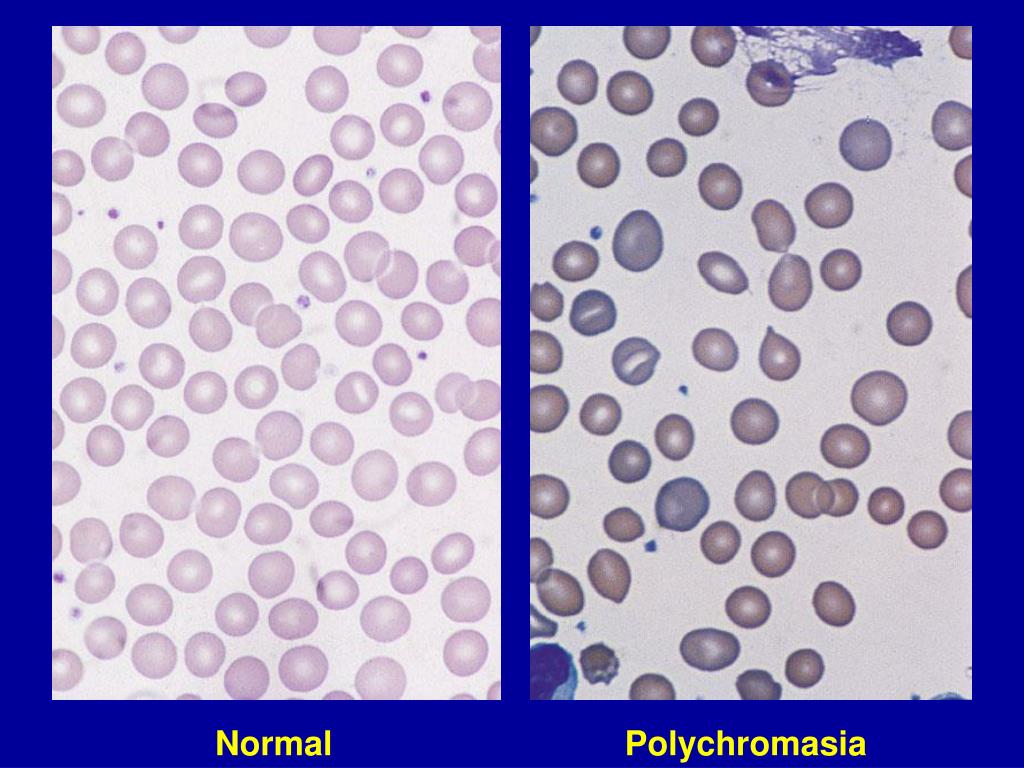
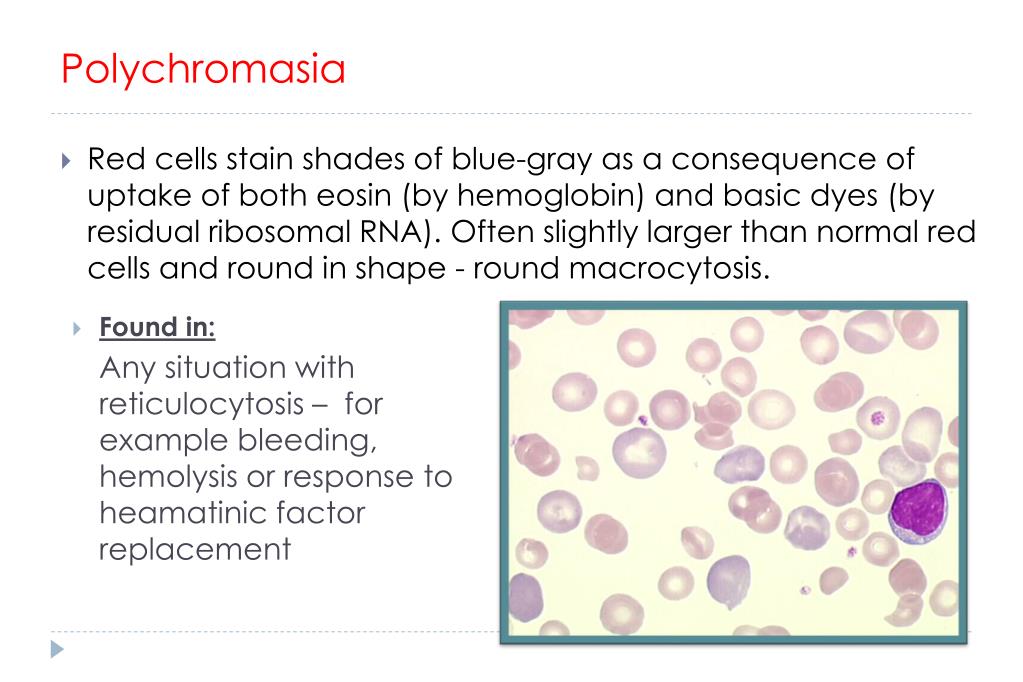
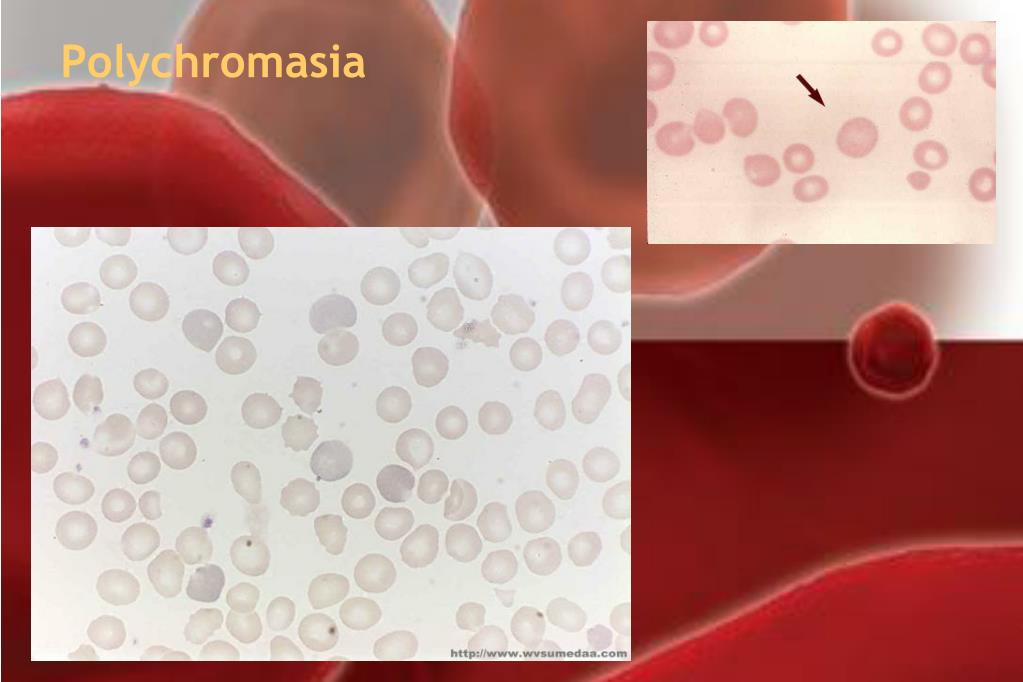
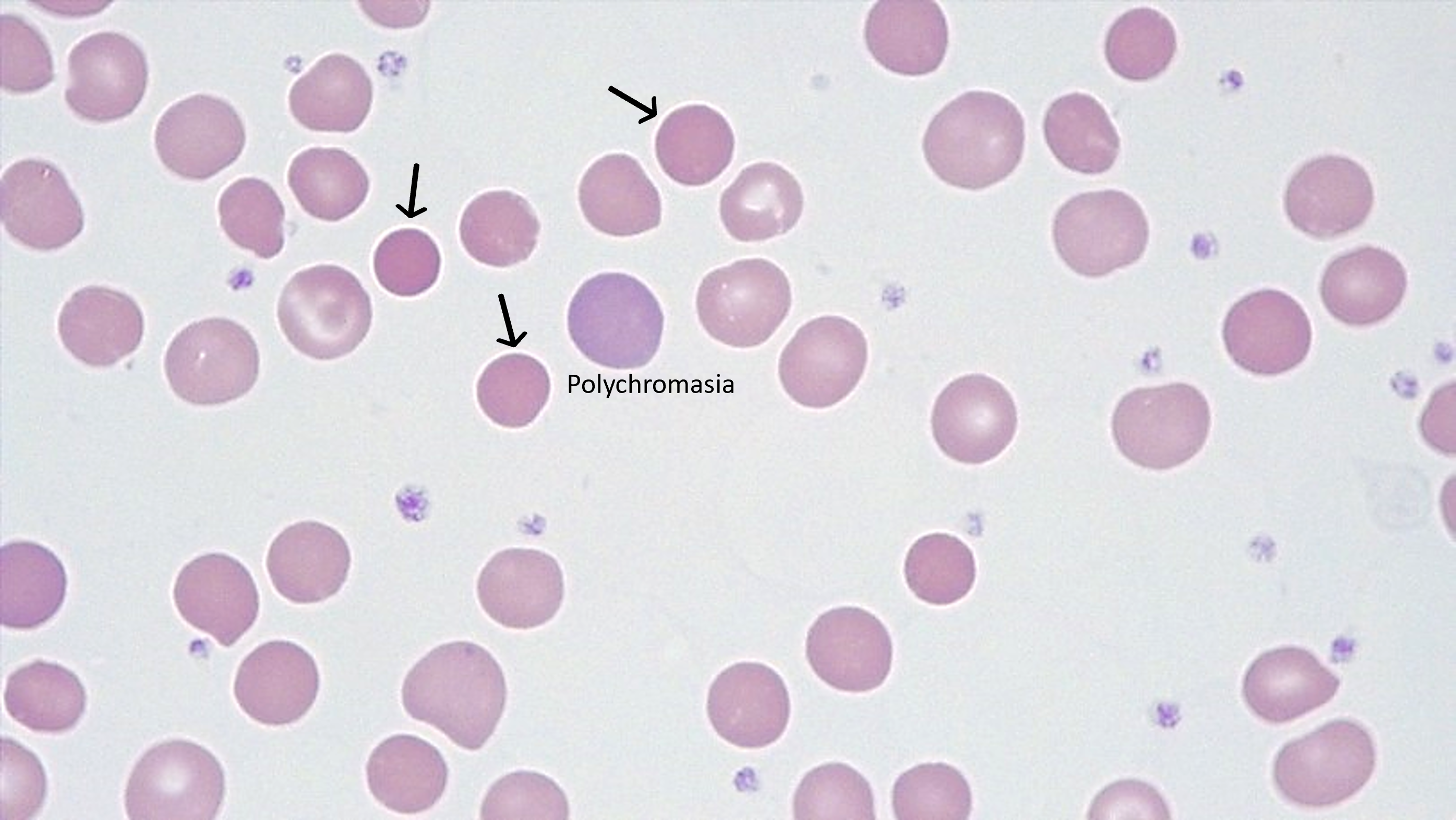
You’ve just opened your lab results portal, coffee in hand, and your eyes snag on a single, cryptic line: “Slight Polychromasia.” Your first instinct might be to catastrophize, but let’s hit the pause button on the panic. In the lexicon of hematology, polychromasia is simply a description of how your red blood cells (RBCs) take up stain under a microscope. Instead of the uniform, salmon-pink hue of a mature erythrocyte, some cells appear blue-gray or purplish. This isn’t a disease; it’s a biological data point—a snapshot of your bone marrow’s current production line.
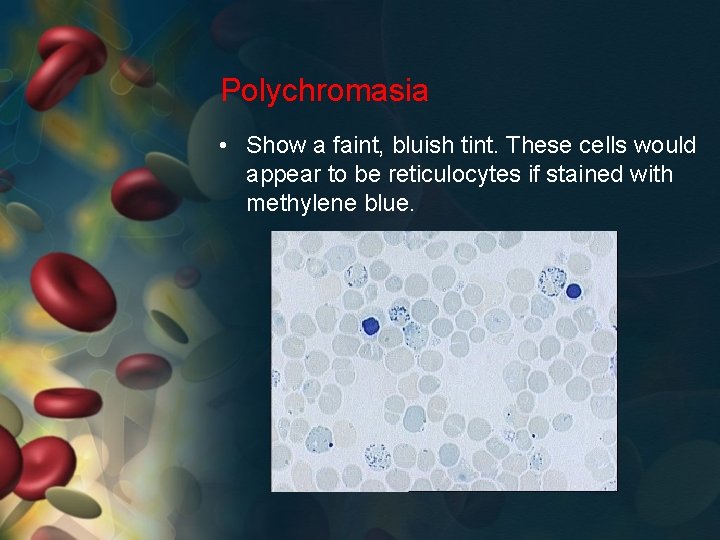
To decode this, we have to look at the physics of a red blood cell’s life. A mature RBC is essentially a biconcave sac of hemoglobin, devoid of a nucleus and most organelles. It’s built for maximal gas exchange, not for reproduction. When your body detects low oxygen (hypoxia) or a drop in RBC count, it signals the kidneys to release erythropoietin (EPO). This hormone instructs your bone marrow to push out reticulocytes—the "teenage" red blood cells. Unlike their mature counterparts, these reticulocytes still contain residual ribosomal RNA and mitochondria. When stained with a standard Wright-Giemsa dye, that leftover RNA grabs the basic (blue) dye, while the abundant hemoglobin grabs the acidic (red/pink) dye. The result? A mixed, polychromatic hue.
Therefore, "slight" polychromasia is the clinical equivalent of seeing a few freshly minted workers on a factory floor. It tells you that your marrow is actively responding to a demand signal. In a healthy, optimized individual, this is a transient, normal physiological response. However, as a pragmatic data-driven enthusiast, you must understand that this finding is a spectrum. It’s not a diagnosis but a clue. The question isn’t “Is this bad?” but rather, “What is my body trying to tell me, and how can I give it the raw materials to do its job better?”
Must Read
The Biology of the Blue Shift: Why Your Marrow Hits the Gas Pedal
Let’s dig into the systemic reactions that produce slight polychromasia, because context is king. In a healthy adult, the bone marrow holds a reserve of hematopoietic stem cells. When EPO levels spike, the maturation time in the marrow shortens, and cells are released prematurely. The presence of these reticulocytes in your peripheral blood smear is the visual proof of that shortened transit time. But why would EPO spike? The most common non-pathological reason is a physiological response to altitude, intense aerobic training, or even a recent episode of dehydration that temporarily concentrated your blood.
However, from a biochemical standpoint, slight polychromasia can also indicate a transient increase in RBC turnover. If your body is clearing older, senescent red blood cells (a process called eryptosis) at a slightly faster rate than baseline, the marrow compensates by pumping out reticulocytes to maintain equilibrium. This happens commonly after a viral illness, during pregnancy (due to increased plasma volume), or even after starting a new, more intense exercise regimen. The key metric to watch is not just the polychromasia, but your hemoglobin and hematocrit levels. If those are stable and within optimal ranges, the slight polychromasia is a sign of a highly responsive, resilient hematopoietic system.
But there is a darker, less benign pathway that we must respect. If the polychromasia is accompanied by a low MCV (Mean Corpuscular Volume) and low ferritin, it suggests iron-restricted erythropoiesis. Here, the marrow is trying to produce cells, but lacks the iron to fully hemoglobinize them. This results in smaller, paler, and slightly blue-shifted cells. Similarly, if your B12 and folate are suboptimal, the DNA synthesis in the marrow is impaired, leading to ineffective erythropoiesis where cells die prematurely in the marrow, forcing a frantic release of reticulocytes. The "slight" qualifier is your early warning system—it gives you a window where nutrition and lifestyle interventions can prevent a full-blown anemic state.
We must also consider the splenic filter. The spleen is the quality control inspector of blood. It culls rigid or damaged RBCs. If the spleen is slightly hyperactive (hypersplenism), it might be destroying older cells at a higher rate, prompting a mild reticulocyte response. Interestingly, slight polychromasia is also a documented, benign finding in the third trimester of pregnancy, where plasma volume expands by nearly 50%. This dilutes the RBCs, tricking the kidneys into thinking oxygen is low, thus triggering a physiological, compensatory reticulocytosis. It’s a beautiful, engineered feedback loop—but only when it’s slight and transient.
Optimization Protocol: Hacking Your Hematological Setpoints
You are not a passive passenger in this biological process. You can manipulate the variables. The first, most aggressive hack is to address your iron saturation kinetics. Even if you are not anemic, slight polychromasia often indicates a "functional iron deficiency"—meaning your iron stores are normal, but the iron isn't being transported efficiently to the marrow. To optimize this, you must decouple iron absorption from inhibitors. Do not consume tea, coffee, or high-calcium dairy within one hour of your main iron-rich meal. Pair heme iron (red meat, poultry) with 25mg of vitamin C (a squeeze of lemon) to reduce ferric iron to ferrous iron, increasing absorption by up to 300%. Test your ferritin; if it’s below 30 ng/mL, you are functionally iron deficient, regardless of what the reference range says.
Next, audit your B-vitamin military complex. While slight polychromasia is usually about RNA remnants, a lack of B12 and folate causes nuclear maturation defects that mimic this finding. The hack here is to stop relying on generic multivitamins. Instead, supplement with methylated B12 (methylcobalamin) at 1000mcg and L-methylfolate at 400mcg. These are the bioactive forms, bypassing the need for your liver to convert them—a crucial hack for the 30-40% of the population with MTHFR gene mutations. Track your homocysteine levels; if they are above 7.2 µmol/L, you are not optimizing methylation, and your marrow is struggling to divide efficiently.
Your training and altitude protocol is a potent, legal performance-enhancing drug for hematopoiesis. If your baseline shows slight polychromasia, your body is already in "respond" mode. This is the perfect time to introduce high-intensity interval training (HIIT) or "hypoxic" training. Exercising at a lactate threshold intensity increases EPO production for up to 24-48 hours post-exercise. However, the hack is to train with the polychromasia, not against it. Do not overtrain. Monitor your resting heart rate; if it spikes 5-7 beats per minute above baseline, you are inducing too much oxidative stress, and your marrow will shift from production to damage control. Aim for two hard interval sessions per week, followed by active recovery with adequate hydration (3-4 liters of water) to maintain plasma volume.
Finally, the most overlooked hack is sleep depth and timing. EPO secretion follows a circadian rhythm, peaking during the night, particularly during slow-wave sleep (stages 3 and 4). If you are sleep-deprived or using alcohol to fall asleep (which fragments deep sleep), you are suppressing this nocturnal EPO spike. Optimize for 7.5 to 8 hours of sleep, and minimize alcohol entirely, as it directly impairs the bone marrow’s response to EPO. Additionally, reduce your exposure to environmental toxins like benzene (found in car exhaust and some cleaning products) and lead, which can interfere with heme synthesis, making a slight polychromasia worse. Use a high-quality air purifier in your bedroom to reduce the load on your hematopoietic system.
Mastering the Metrics: Your Actionable FAQ Protocol
1. My report says "slight polychromasia" but my hemoglobin is normal. Should I worry?
Absolutely not. This is the most reassuring combination possible. A normal hemoglobin (>13.5 g/dL for men, >12.0 g/dL for women) alongside slight polychromasia indicates that your marrow is efficiently compensating for a minor stressor. It is like seeing a backlog of finished goods in a warehouse while demand is steady. The system is functioning. Your job is to maintain this equilibrium by ensuring adequate iron (via diet or supplementation) and B-vitamins. I would suggest re-testing in 3 months to see if the finding disappears, proving it was a transient physiological blip, or if it persists, which would warrant looking at other subtle metrics like reticulocyte count.
However, without a hemoglobin measurement, this finding is meaningless. The polychromasia is a flow indicator, not a reservoir gauge. The hemoglobin is the reservoir. If your hemoglobin is rising (by 0.5 g/dL over a month), then the slight polychromasia is your body’s way of saying "new recruits are arriving." If it is stable, it means you are in a healthy steady-state. Error on the side of action: get a full iron panel (ferritin, TIBC, saturation) done. Optimizing your ferritin to 50-100 ng/mL is the baseline for excellent physical and cognitive performance.
2. I’m a vegetarian. Is slight polychromasia a sign I’m deficient?
It’s a strong probability signal, but not a certainty. Vegetarians are prone to iron deficiency because plant-based iron (non-heme) has a bioavailability of only 2-20% compared to heme iron at 25-30%. Furthermore, phytates in legumes and grains bind to iron, blocking absorption. This can create a "production bottleneck" where your marrow attempts to make reticulocytes (slight polychromasia) but produces microcytic, hypochromic ones. The hack is to use a cast-iron skillet for cooking acidic foods like tomato sauce, which can increase iron content by up to 16%.
Beyond iron, check your B12, as strict vegetarians often miss this critical cofactor. A deficiency here causes megaloblastic changes, which also appear as polychromasia. I recommend a sublingual methylcobalamin supplement (500mcg daily) regardless of your current levels, because it is water-soluble and virtually non-toxic. If your polychromasia persists after 60 days of optimized iron and B12 intake, consult a hematologist to rule out thalassemia trait, which is common in certain ethnicities and can present with this exact smear finding, even with normal iron levels.
3. Can stress cause slight polychromasia?
Yes, but indirectly. Psychological stress elevates cortisol and catecholamines. Chronic high cortisol can suppress bone marrow function in the long term, but acutely, stress can cause a shift in fluid balance (leading to hemoconcentration), which can artificially trigger a perception of hypoxia. More importantly, stress severely disrupts sleep architecture, which, as we discussed, is the primary window for EPO release. If you are highly stressed and sleeping 6 hours a night, you are likely suppressing EPO, paradoxically leading to a lack of reticulocytes. But if stress has caused gastrointestinal inflammation, you may have poor iron absorption, leading to a mild deficiency and a compensatory, albeit inefficient, release of polychromatic cells.
The pragmatic hack here is to separate "physiological stress" (exercise) from "psychological stress." Regular moderate exercise helps. But explosive stress (panic attacks, chronic anxiety) triggers the sympathetic nervous system, causing splenic contraction and the release of stored RBCs, which can transiently alter the smear. To optimize, focus on cold exposure (a 1-minute cold shower) which has been shown to lower baseline cortisol and improve nocturnal sleep quality by 15-20%, thereby indirectly stabilizing your hematological setpoints. Manage the stress, and your marrow will follow suit.
4. Does slight polychromasia affect my athletic performance or recovery?
It can, but in a positive way. Slight polychromasia indicates a fresh cohort of reticulocytes in circulation. These young cells are more deformable and have higher oxygen-carrying capacity than older cells. This is the exact physiological state you want during a performance peak period. Reticulocytes are 10-15% larger than mature RBCs and contain more enzymatic activity, allowing for faster release of oxygen to working muscles. If you are seeing slight polychromasia alongside good hemoglobin, your VO2 max should be improving.
However, if you are training too hard (overtraining syndrome), your marrow may be releasing highly immature reticulocytes (seen as marked polychromasia) that are biologically inefficient. That is a red flag. You want slight polychromasia, not moderate or marked. If you see "moderate," reduce training volume by 30% for two weeks. Specifically, monitor your recovery HRV (heart rate variability). If HRV drops by more than 10% from your baseline, it is a sign of systemic physiological stress, and your bone marrow is the first organ to sacrifice efficiency. Balance your training with extra 1-2 grams of omega-3 fatty acids (EPA/DHA) to reduce systemic inflammation and stabilize red blood cell membranes.

5. I have slight polychromasia and slightly high bilirubin. What does this mean together?
This is a fascinating datapoint that suggests mild, compensated hemolysis (red blood cell breakdown). Bilirubin is a yellow byproduct of heme breakdown. If your liver is fine (normal ALT/AST), high bilirubin plus polychromasia is a classic presentation of "shortened RBC lifespan." Your marrow is cranking out new cells (polychromasia) to replace the ones being destroyed faster than normal. This can be benign, as in the case of Gilbert’s Syndrome (affecting 5-10% of the population), where the liver has a benign inefficiency in processing bilirubin.
But it can also indicate a nutritional antioxidant deficiency. Red blood cells are extremely susceptible to oxidative damage. If you lack Vitamin E or Coenzyme Q10, the lipid membranes are fragile and lyse prematurely. The optimization hack is to dramatically increase your antioxidant intake, specifically 100-200mg of CoQ10 daily and a high-quality polyphenol blend from berries or green tea. Also, check your haptoglobin levels; if low, it confirms hemolysis. In the absence of autoimmune disease (which you should test for if symptoms worsen), this combination is manageable. Ensure you are not over-supplementing with iron, as excess free iron is a potent pro-oxidant that worsens hemolysis.
Respecting the science of polychromasia is an exercise in system thinking. It teaches us that a single lab value, a tiny smear of blue-gray cells, is not an isolated anomaly but a data point deeply integrated with our sleep, our nutrition, our stress levels, and our physical output. When we see this finding, we are not looking at a disease to be feared but at a signal to be decoded. It forces us to respect the incredible, demanding efficiency of our bone marrow, which works tirelessly, processing billions of cells daily to keep us conscious, moving, and alive.
By adopting this data-driven, pragmatic lens, we shift from being passive victims of our blood work to active engineers of our biology. We understand that a "slight" deviation is often a message of resilience, not decay. It empowers us to ask better questions, to test smarter metrics, and to implement precise interventions that upgrade our baseline performance. Ultimately, mastering the science of everyday life isn’t about chasing a pristine, all-normal lab result; it’s about learning to read the adaptive signals that indicate a body capable of responding to pressure, repairing itself, and optimizing for the long haul.