What Does Queerplatonic Mean

The term queerplatonic refers to a type of relationship that doesn't fit into the traditional categories of romantic or platonic relationships. It's a concept that has been gaining traction in recent years, particularly among members of the LGBTQ+ community. But what does it mean to be in a queerplatonic relationship, and how does it differ from other types of relationships? To answer these questions, we must first understand the core mechanics of queerplatonic relationships and how they interact with our daily lives.
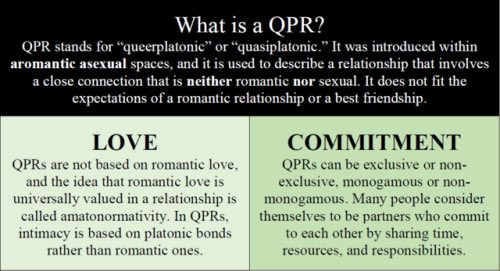
At its core, a queerplatonic relationship is one that involves a deep emotional connection between two people, but it doesn't necessarily involve romance or sex. It's a type of relationship that blends elements of both romantic and platonic relationships, creating something unique and sui generis. This can manifest in different ways, such as a strong emotional bond, a high level of commitment, or a deep sense of intimacy. However, it's essential to note that queerplatonic relationships are not the same as romantic relationships, and they shouldn't be confused with one another.
One of the key aspects of queerplatonic relationships is the idea of emotional intimacy. This refers to the ability to share one's thoughts, feelings, and desires with another person, without fear of judgment or rejection. Emotional intimacy is a crucial component of any relationship, and it's particularly important in queerplatonic relationships. By cultivating emotional intimacy, individuals in these relationships can create a strong foundation for trust, communication, and mutual understanding. This, in turn, can lead to a deeper sense of connection and a more fulfilling relationship.
Must Read
Understanding the Science Behind Queerplatonic Relationships
From a biological perspective, queerplatonic relationships can be understood through the lens of attachment theory. This theory proposes that humans have an innate tendency to form close relationships with others, which is essential for our emotional and psychological well-being. In queerplatonic relationships, attachment theory can help explain the strong emotional bonds that form between individuals. By understanding how attachment works, we can better appreciate the complexities of queerplatonic relationships and how they impact our daily lives.
Another important aspect of queerplatonic relationships is the role of neurotransmitters such as oxytocin and dopamine. These chemicals play a crucial role in regulating our emotional responses, including feelings of attachment, trust, and pleasure. In queerplatonic relationships, the release of oxytocin and dopamine can contribute to the development of strong emotional bonds, as well as a sense of pleasure and satisfaction. By understanding how these neurotransmitters work, we can gain insight into the biological mechanisms that underlie queerplatonic relationships.
In addition to attachment theory and neurotransmitters, social learning theory can also help explain the development of queerplatonic relationships. This theory proposes that we learn new behaviors and attitudes by observing and imitating others. In the context of queerplatonic relationships, social learning theory can help explain how individuals learn to navigate these relationships and develop the skills and strategies necessary for maintaining them. By understanding how social learning works, we can better appreciate the complex social dynamics that underlie queerplatonic relationships.

Practical Strategies for Navigating Queerplatonic Relationships
So, how can we navigate queerplatonic relationships in a way that is healthy, fulfilling, and respectful of all parties involved? One key strategy is to communicate openly and honestly with our partner. This involves sharing our thoughts, feelings, and desires with each other, as well as being receptive to feedback and concerns. By communicating effectively, we can build trust, resolve conflicts, and strengthen our emotional bond.
Another important strategy is to establish clear boundaries and expectations. This involves discussing and agreeing upon what is and isn't acceptable in the relationship, as well as being respectful of each other's needs and desires. By establishing clear boundaries, we can avoid misunderstandings and conflicts, and create a safe and supportive environment for emotional intimacy to flourish.
In addition to communication and boundary-setting, emotional intelligence is also essential for navigating queerplatonic relationships. This involves being aware of our own emotions and those of our partner, as well as being able to regulate and manage them in a healthy way. By developing emotional intelligence, we can better understand each other's needs and desires, and respond in a way that is empathetic and supportive.
Finally, self-reflection and self-care are also crucial for maintaining healthy queerplatonic relationships. This involves taking time to reflect on our own thoughts, feelings, and desires, as well as engaging in activities that promote our physical, emotional, and mental well-being. By prioritizing self-reflection and self-care, we can maintain our own emotional resilience, as well as develop the skills and strategies necessary for navigating complex relationships.

Frequently Asked Questions
What is the difference between a queerplatonic relationship and a romantic relationship?
The main difference between a queerplatonic relationship and a romantic relationship is the level of emotional intimacy and commitment involved. While both types of relationships can involve deep emotional connections, romantic relationships typically involve a higher level of commitment, intimacy, and exclusivity. Queerplatonic relationships, on the other hand, can involve a range of different dynamics, from casual to intense, and may or may not involve exclusivity.
It's also important to note that queerplatonic relationships can be just as fulfilling and meaningful as romantic relationships, and should not be seen as inferior or less valuable. By understanding and respecting the unique dynamics of queerplatonic relationships, we can create a more inclusive and supportive environment for individuals of all relationship styles.
How do I know if I'm in a queerplatonic relationship?
Figuring out whether you're in a queerplatonic relationship can be a process of self-discovery and exploration. One way to start is to reflect on your feelings and desires, and consider whether they align with the characteristics of a queerplatonic relationship. You may also want to consider talking to your partner or a trusted friend or therapist, to gain a deeper understanding of your relationship dynamics.
It's also important to remember that relationships are complex and multifaceted, and may not always fit into neat categories. By being open-minded, flexible, and communicative, you can work with your partner to create a relationship that is unique and fulfilling for both of you.
Can queerplatonic relationships involve sex or physical intimacy?
While queerplatonic relationships can involve physical intimacy or sex, they don't necessarily have to. The level of physical intimacy or sex involved in a queerplatonic relationship will depend on the unique needs and desires of the individuals involved. Some queerplatonic relationships may involve a high level of physical intimacy, while others may involve little to no physical contact.
It's essential to prioritize communication and consent in any relationship, including queerplatonic ones. By discussing boundaries, desires, and expectations with your partner, you can create a safe and supportive environment for physical intimacy to flourish.
How can I navigate conflicts or challenges in a queerplatonic relationship?
Navigating conflicts or challenges in a queerplatonic relationship requires a high degree of emotional intelligence, communication, and empathy. One strategy is to practice active listening, which involves fully engaging with your partner and seeking to understand their perspective. You may also want to consider seeking the help of a therapist or counselor, who can provide guidance and support as you work through challenges.
It's also essential to prioritize self-care and self-reflection in times of conflict or challenge. By taking care of your own emotional and physical needs, you can maintain your resilience and develop the skills and strategies necessary for navigating complex relationships.

Are queerplatonic relationships recognized or accepted by mainstream society?
While queerplatonic relationships are not yet widely recognized or accepted by mainstream society, there is a growing movement to increase awareness and understanding of these relationships. By promoting education, advocacy, and inclusivity, we can work to create a more supportive and accepting environment for individuals in queerplatonic relationships.
It's essential to remember that relationships come in all shapes and sizes, and that every individual has the right to pursue a relationship that is authentic and fulfilling for them. By respecting and celebrating the diversity of human relationships, we can create a more compassionate and inclusive society for all.
By respecting the science behind queerplatonic relationships, we can gain a deeper understanding of the complex social dynamics that underlie these relationships. This, in turn, can help us create a more inclusive and supportive environment for individuals of all relationship styles. By promoting education, advocacy, and inclusivity, we can work to break down barriers and challenge societal norms, creating a more compassionate and accepting world for all.
Ultimately, the key to navigating queerplatonic relationships is to prioritize communication, empathy, and mutual respect. By being open-minded, flexible, and supportive, we can create relationships that are unique, fulfilling, and meaningful for all parties involved. By embracing the diversity of human relationships, we can create a more vibrant, inclusive, and compassionate society, where every individual has the opportunity to thrive and flourish.