What Does It Take To Charge A Tesla
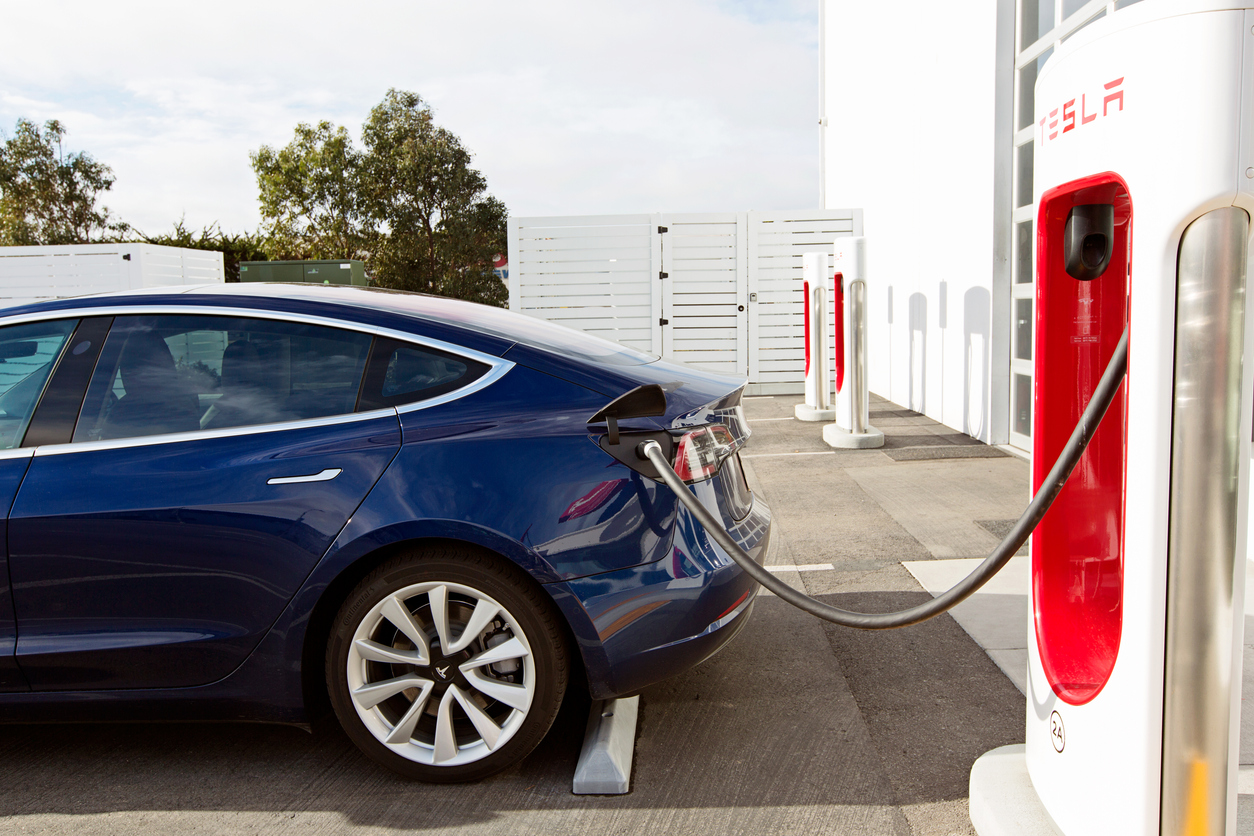
There’s a specific kind of silence that follows the click of a Tesla charging cable locking into place. It’s not just the absence of an engine; it’s the absence of the entire ritual we’ve associated with refueling for a century—the smell of gasoline, the flicker of a pump, the impatient beep of a credit card reader. Instead, you get a soft, robotic thunk, a subtle hum, and a dashboard that suddenly starts telling you how many miles per hour you’re gaining, as if the car itself is breathing in. Charging an EV, particularly a Tesla, is less about “filling up” and more about negotiating a relationship with time, infrastructure, and your own anxiety. It’s a cultural shift disguised as a plug.
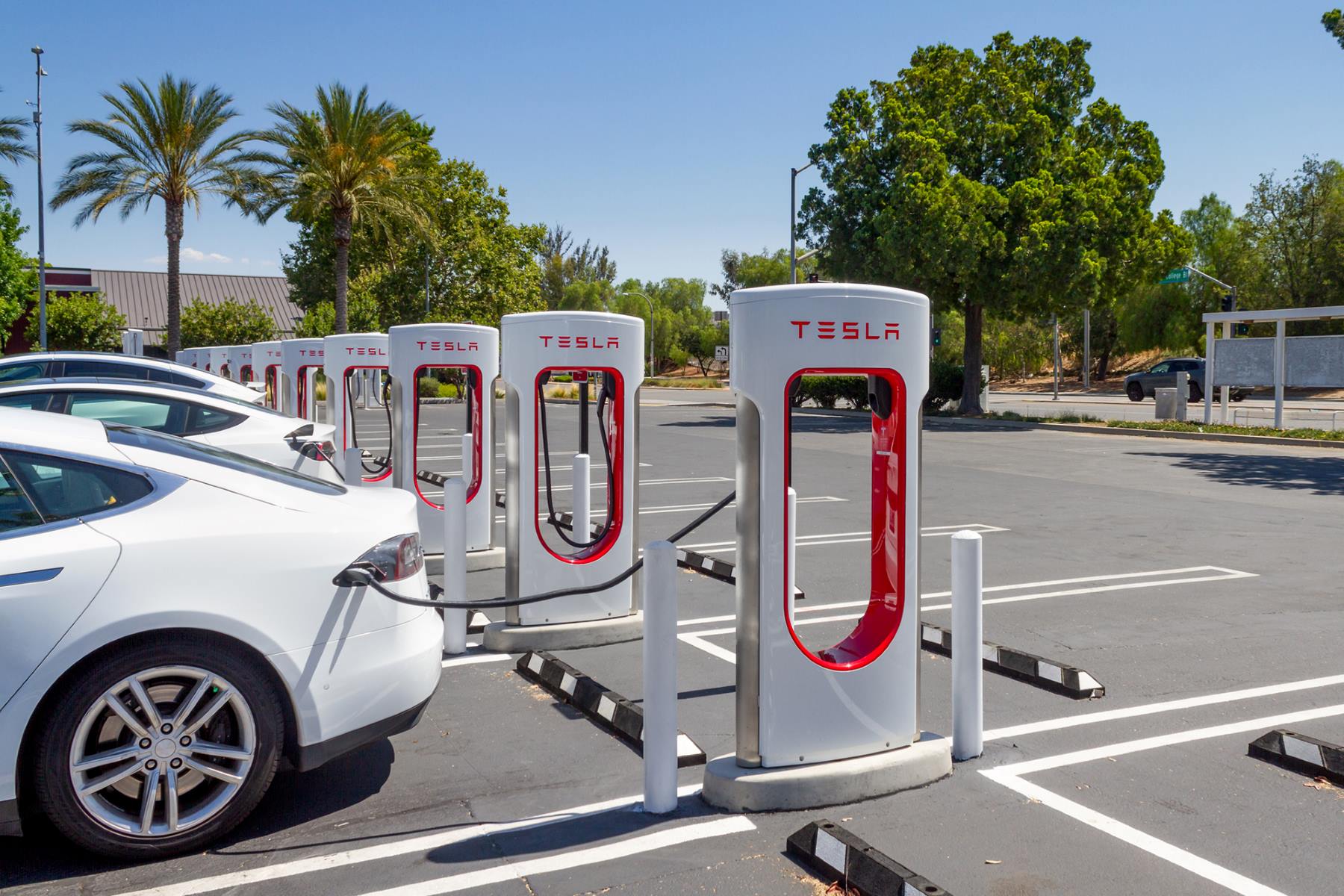
The story begins in 2012, when Tesla launched its Supercharger network with six stations in California. At the time, it felt like a sci-fi prop—a sleek, futuristic monolith promising 90 miles of range in 30 minutes. Fast forward to today, and the network spans over 50,000 connectors globally, but the act of using them still carries a mystique that gas stations never had. Why? Because unlike a petrol pump, which is a dumb terminal for liquid energy, a Tesla charger is a digital handshake. It negotiates voltage, temperature, battery state, and even your route history. It’s not just electricity; it’s a conversation between your car and the grid. This matters more than ever as EV adoption hits the mainstream, turning a once-niche luxury into a daily logistical puzzle for millions. The question isn’t just “how do you plug it in?”—it’s “how do you master the invisible rules that govern the volts?”
The Psychodrama of the Plug: Range Anxiety, Etiquette, and the 80% Rule
Let’s talk about the elephant in the charging bay: the 80% rule. Most Tesla owners know that charging to 100% on a daily basis is a slow-motion act of self-sabotage for the battery’s long-term health. Lithium-ion cells prefer to live in a sweet spot between 20% and 80% charge—think of it as a metabolic equilibrium. Yet, the moment you see a low battery warning, the lizard brain takes over. Your heart rate spikes, you picture yourself stranded on a highway shoulder, and you override the car’s gentle suggestion to stop at 80% just to feel “full.” This psychological tug-of-war is uniquely electric. A gas tank has no memory; a battery does. Every fast-charge session above 80% adds microscopic stress to the anode, which translates to gradual degradation over years. The car knows this, and your phone app knows this, but your ego doesn’t care.
Must Read
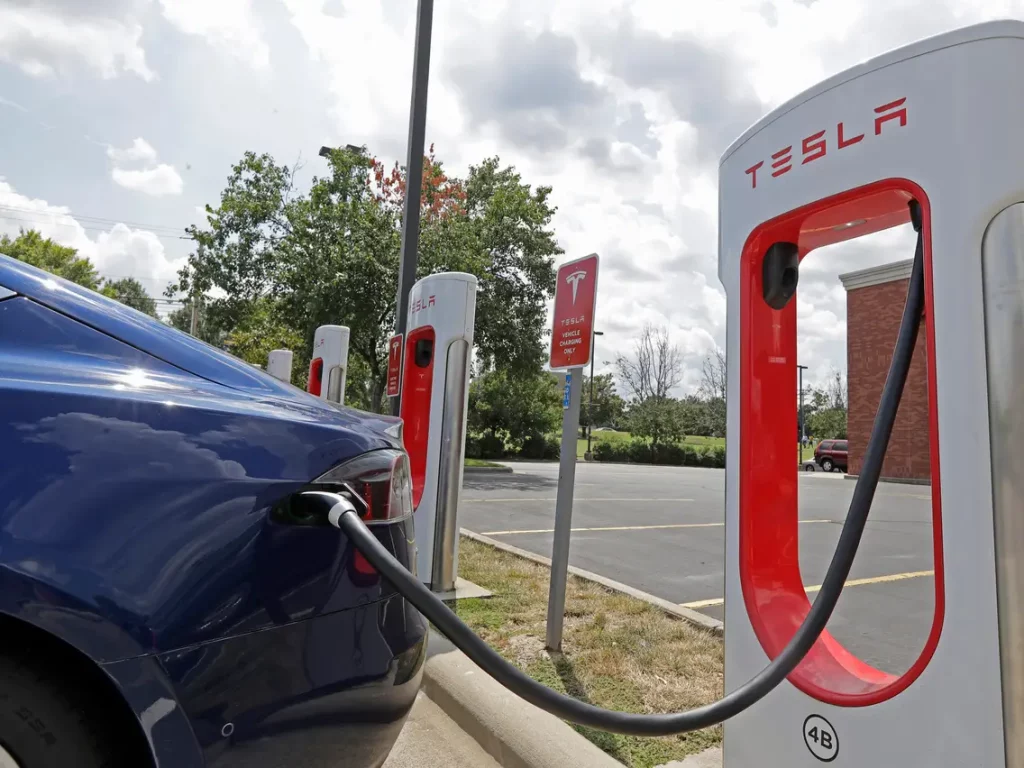
Then there’s the unspoken social code of the Supercharger stall. Unlike a gas station where you pull up, pump, and leave, a Supercharger bay is a tiny theater of human behavior. You’ll see the “ice-ing” phenomenon (gas cars parked in EV spots) which triggers a unique form of Tesla-owner rage, a righteous fury that feels almost tribal. More subtle is the drama of the “paired stalls.” In older V2 Superchargers, two cars share a single power source. If your neighbor pulls in and starts charging, your speed might drop. This shared-fate model creates a bizarre social equilibrium: you might secretly wish the other driver would leave, but you also nod politely when they walk past. Newer V3 and V4 chargers largely solve this, but the cultural memory persists. It’s a microcosm of modern urban life—sharing resources, managing expectations, and trying not to glare at the person who’s plugged into the only 250kW stall while their battery is already at 60%.
Culturally, charging a Tesla has become a status signal, but not in the way you’d expect. Parking at a Supercharger in a major city is almost a form of public meditation. You sit in your car, scroll on your phone, or—if you’re feeling performative—get out and stretch. It’s slower than a gas fill-up, which forces a pause that our dopamine-addicted brains initially resist. Yet, regular owners report a strange fondness for this 30-minute forced break. It’s the antithesis of the drive-thru. It’s a chance to catch up on podcasts, eat a snack, or simply stare at the Tesla’s minimalist dashboard while the battery bar fills like a blue wave. In a world obsessed with speed, the Tesla charger is a subtle rebellion—a slow ritual that asks you to recalibrate your definition of “waiting.”
The Logistics of Juice: Home Charging vs. The Road Warrior Lifestyle
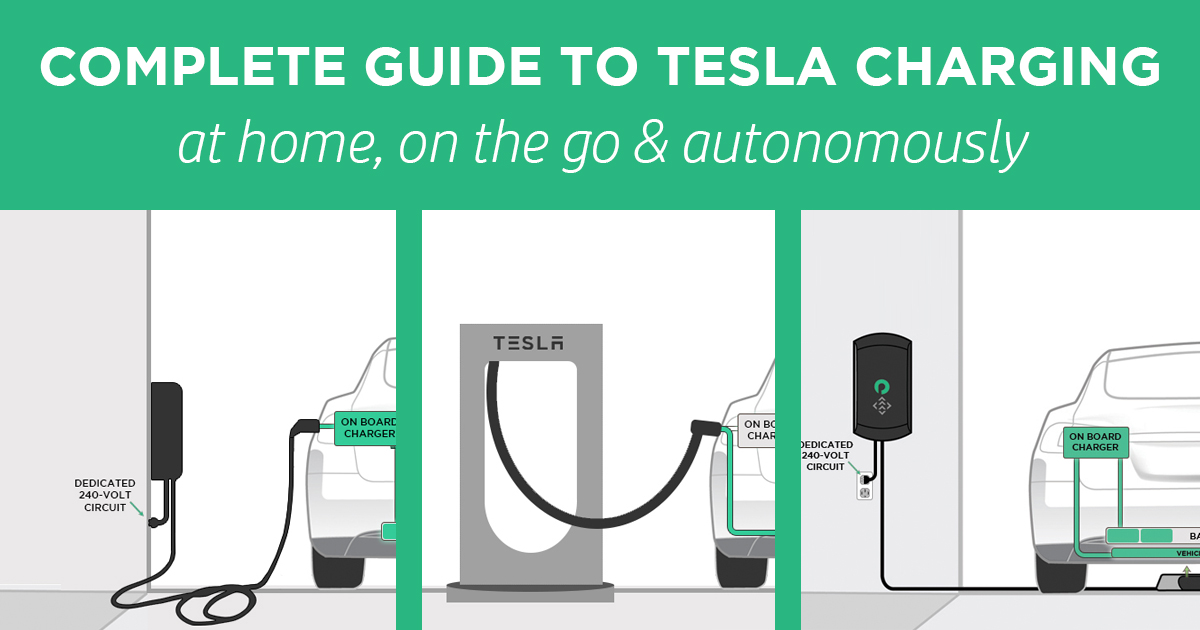
Let’s get practical. The reality of charging a Tesla hinges almost entirely on your base of operations. If you own a home with a garage or a private driveway, the game is fundamentally effortless. Installing a Wall Connector (Tesla’s home charger) is the single best investment you can make. It’s a straightforward process: hire a licensed electrician, run a 60-amp circuit to your panel, and bolt the sleek white unit to your wall. The result is a nightly ritual that takes five seconds—plug in, walk away, and wake up to a “full” tank every morning. This is the secret that most reviews miss: the best Tesla charging experience is the one you never think about. Home charging turns the car into a phone. You don’t “go to the gas station”; you just come home, and the energy replenishes while you sleep. The cost is laughably low—often $10 to $15 for a full “tank” depending on your utility rates, compared to $50 to $70 for petrol.
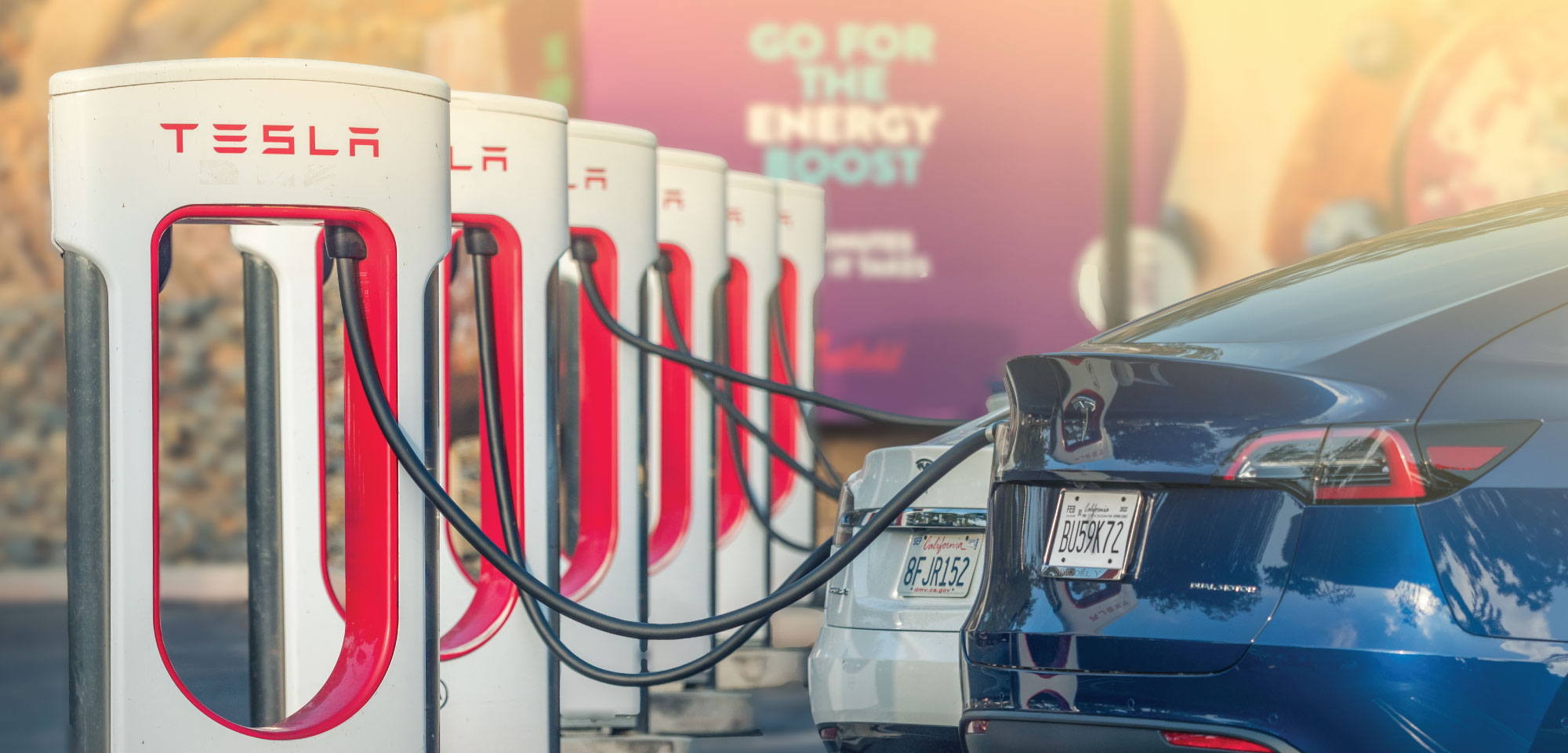
But what if you live in an apartment? Or you’re on a 400-mile road trip? The calculus shifts dramatically. For apartment dwellers, the situation is improving—many new buildings are adding Level 2 chargers—but it’s still a dice roll. You might be relying on public Level 2 chargers (those slow, 6-8 kW units that take hours) which require you to plan your life around a parking spot. This is where the “range anxiety” narrative truly lives. It’s not the fear of the battery dying; it’s the fear of the battery dying and then having nowhere to plug in for three hours. For road warriors, the Supercharger network is your lifeline, but it demands a different kind of navigation. The car’s trip planner is brilliant—it will route you through Superchargers and pre-condition your battery for optimal fast charging—but you still need to understand the terrain. For example, cold weather is a silent vampire. A freezing battery will not accept a fast charge as quickly, so you might arrive at a Supercharger only to see your charging speed crawl at 60kW instead of 250kW because it’s 20°F outside.
Let’s talk about the “destination charging” hack. Seasoned Tesla owners know that the best strategy for long trips is not to fast-charge to 100% at a Supercharger. Instead, you fast-charge to 60-70% at a station, drive to your hotel or restaurant, and then plug into a slower “destination charger” (often provided free by hotels) to top up to 100% overnight. This is a chess move. It saves you time (since the fast-charging taper above 80% is painfully slow) and saves you money (destination chargers are frequently free). Case study: A trip from Los Angeles to San Francisco typically requires two or three Supercharger stops. A new owner might stop for 45 minutes each time. A savvy owner stops for 20 minutes at Kettleman City, then another 15 minutes at Harris Ranch, and arrives at a hotel in Palo Alto with a destination charger. The total “wasted” time is reduced by half, and the experience feels less like a chore and more like a scenic break.
There’s also the bizarre world of public parking garages and mall chargers. Tesla’s “Charge on Your Schedule” feature is a game-changer. You plug into a Level 2 charger in a mall, set the car to only charge between 11 PM and 7 AM (when utility rates drop to 10 cents/kWh), and let the car wait. It’s an automated arbitrage. You’re not just consuming energy; you’re trading time for cheap electrons. The psychological shift here is profound—you stop thinking of electricity as a constant cost and start seeing it as a commodity with a time value. This is the deep end of EV ownership. It’s not for everyone, but for the dedicated adherent, it’s a satisfying, almost gamified way to interact with the grid.
Charging Conundrums: Five FAQs from the Electrified Frontier
1. Is it true that charging a Tesla to 100% ruins the battery?
Yes, but with a crucial caveat. It’s not the “100%” that’s inherently damaging—it’s the state of high voltage combined with time. Lithium-ion batteries experience the most stress when they are fully charged (at high voltage) and then left to sit, especially in warm climates. This accelerates the growth of the solid electrolyte interphase (SEI) layer inside the cells, which reduces capacity over time. Tesla’s BMS (Battery Management System) actually reserves a small buffer even at 100%, but the chemistry is still working against you.

The practical guidance is to reserve 100% for road trips. If you charge to 100% and then immediately drive away, using the energy to deplete the battery within a few hours, the damage is negligible. The problem arises when you charge to 100% on a Sunday night and then only drive 10 miles to work all week, leaving the battery at 99% for days. That’s the silent killer. For daily driving, stick to the 80-90% limit that the car suggests in the app. Your battery will thank you with a longer lifespan and better resale value.
2. Can I charge my Tesla at any charging station, or only Tesla Superchargers?
This is a misconception that is rapidly dissolving. For years, Tesla used a proprietary connector (a sleek, now-familiar plug), but the company has been rolling out the North American Charging Standard (NACS) which is now becoming the de facto industry standard. This means many third-party networks—like Electrify America and ChargePoint—now offer Tesla-compatible plugs or adapters. However, you still need to carry a J1772 adapter to use most Level 2 public chargers (the slower ones), which Tesla includes with the car.
The bigger shift is the “Magic Dock” at Superchargers. Tesla has started retrofitting its own stations with built-in adapters that allow CCS-compatible EVs (like Ford and Rivian) to plug in. This is forging a universal charging ecosystem. For you, the Tesla owner, this means your charging map is expanding. You’re not locked into Tesla’s walled garden anymore. It’s easier than ever to use a work charger, a municipal charger, or a hotel charger, as long as you understand the connector physics. Check the car’s navigation—it will show you all compatible third-party stations, not just Superchargers, and will even pre-condition the battery for them if they are fast chargers.
3. How does cold weather actually affect the charging speed?
Cold weather is the saboteur of electron flow. The chemical reactions inside a lithium-ion cell slow down significantly when the temperature drops below 50°F (10°C). This increased internal resistance does two things: it restricts how quickly the battery can accept incoming energy, and it also hampers the battery’s ability to deliver that energy back to the motor. So, on a frigid morning, you might see a “snowflake” icon on your battery gauge, indicating that a portion of your range is temporarily locked away.

Tesla has countered this with a clever feature called “Preconditioning.” When you set a Supercharger as a destination in the navigation, the car automatically uses its onboard heater to warm the battery to the optimal charging temperature (roughly 77°F) before you arrive. This is why you should always trust the car’s navigation for a road trip. If you just randomly pull into a Supercharger without navigating there, the battery will be cold, and you’ll get a painfully slow charging session. This is the number one cause for “why is my Tesla charging slowly?” complaints in winter. The car is smart; you just have to let it do its internal warm-up dance.
4. Is it cheaper to charge a Tesla compared to gas? Is it always?
Generally, yes, it is significantly cheaper. The average cost to charge a Tesla at home using residential rates (around $0.14/kWh) is about $0.04 to $0.05 per mile. A gas car at $3.50/gallon and 25 mpg costs about $0.14 per mile. The savings are dramatic—often a 70% reduction in fuel cost. However, the “always” part is false. If you rely heavily on Tesla Superchargers, especially in states with high electricity prices like California (where Supercharging can hit $0.48/kWh), the cost per mile jumps closer to $0.13, roughly par with a hybrid car. During peak hours (4 PM to 9 PM), Supercharging can be brutally expensive—sometimes $2 to $4 more per session than off-peak.
The smart money is on home charging during off-peak hours. Tesla’s app allows you to set a “scheduled departure” time, so the car waits to charge until 1 AM when utilities are cheapest. If you're on a Time-of-Use (TOU) plan, that overnight electricity can be as low as $0.08/kWh, making a full charge cost less than a fast-food meal. The variable rate is the wildcard. Charging a Tesla is only a bargain if you are willing to be a bit flexible about when you plug in.
5. Do I need to install a special charger at home, or can I use a regular wall outlet?
You can use a regular household outlet (Level 1, 120V), but you will hate it. The standard “mobile connector” that comes with the car plugs into a normal socket and delivers a frustratingly slow 3 to 5 miles of range per hour. If you drive 30 miles a day, you’ll need about 10 hours to recover that energy, which basically means the car is perpetually plugged in and never quite set for a spontaneous evening drive. It’s a band-aid solution for emergencies or for very low-mileage daily routines.

The proper solution is a Level 2 charger (240V). This can be a Tesla Wall Connector or a generic J1772 unit with an adapter. This delivers 30 to 44 miles of range per hour, allowing you to fully recharge a Model 3 Long Range overnight (under 8 hours) without stress. The installation cost varies widely based on your home’s electrical panel; a simple install might be $500, while a complex panel upgrade could cost $3,000. However, many utilities offer rebates (up to $500) to offset this. Think of it as the cost of a plumbing upgrade—it’s an infrastructure investment in the car’s convenience. Unless you love the thrill of waiting 48 hours for a full charge, get the 240V outlet installed. Your future self will thank you.
The Electrified Soul: Charging as a Mirror of Modern Life
This seemingly mundane act of plugging in a car has quietly reshaped how we think about patience and dependence. For decades, gasoline trained us to chase immediate gratification—a 5-minute stop for 400 miles of freedom. The electric car breaks that addiction. It forces us to recalibrate our sense of urgency, to acknowledge that some things (like battery chemistry and grid capacity) operate on a timescale we cannot override. There’s a darkly poetic irony in this: the technology designed to liberate us from fossil fuel dependence also demands that we submit to a slower, more deliberate rhythm of life. We are, in a sense, returning to the agrarian mindset of waiting for the harvest, just with a glowing app to oversee it.
On a human level, the charging ritual has become a new social glue. Look around a Supercharger station on a busy Saturday—you’ll see strangers comparing battery health, swapping stories about the best routes to the Grand Canyon, or commiserating about a recently closed station. It’s a community born from shared infrastructure, not unlike the water cooler at an old office. That brief interaction—a nod, a question about a software update—reminds us that while the car is autonomous in drive mode, the human is still very much in the loop for charging. We are not just drivers; we are energy managers, grid participants, and amateur chemists all at once.
Finally, charging a Tesla is a quiet act of optimism. Every electron you pull from the grid (assuming it’s not from a coal-burning power plant) is a small vote for a different future. It’s a refusal of the inevitability of oil wars and smog-filled horizons. Yet, it’s also a reminder of our vulnerability—the fragility of a power grid, the complexity of a supply chain for lithium ions, the sheer engineering audacity of moving a two-ton vehicle on the equivalent of a few AA batteries. The moment you see that green connector light up, you are participating in one of the most profound technological transitions of the 21st century, one small, humming plug at a time. That’s not just charging a car; that’s powering a change in the human psyche.