What Does It Take To Be A Pararescue

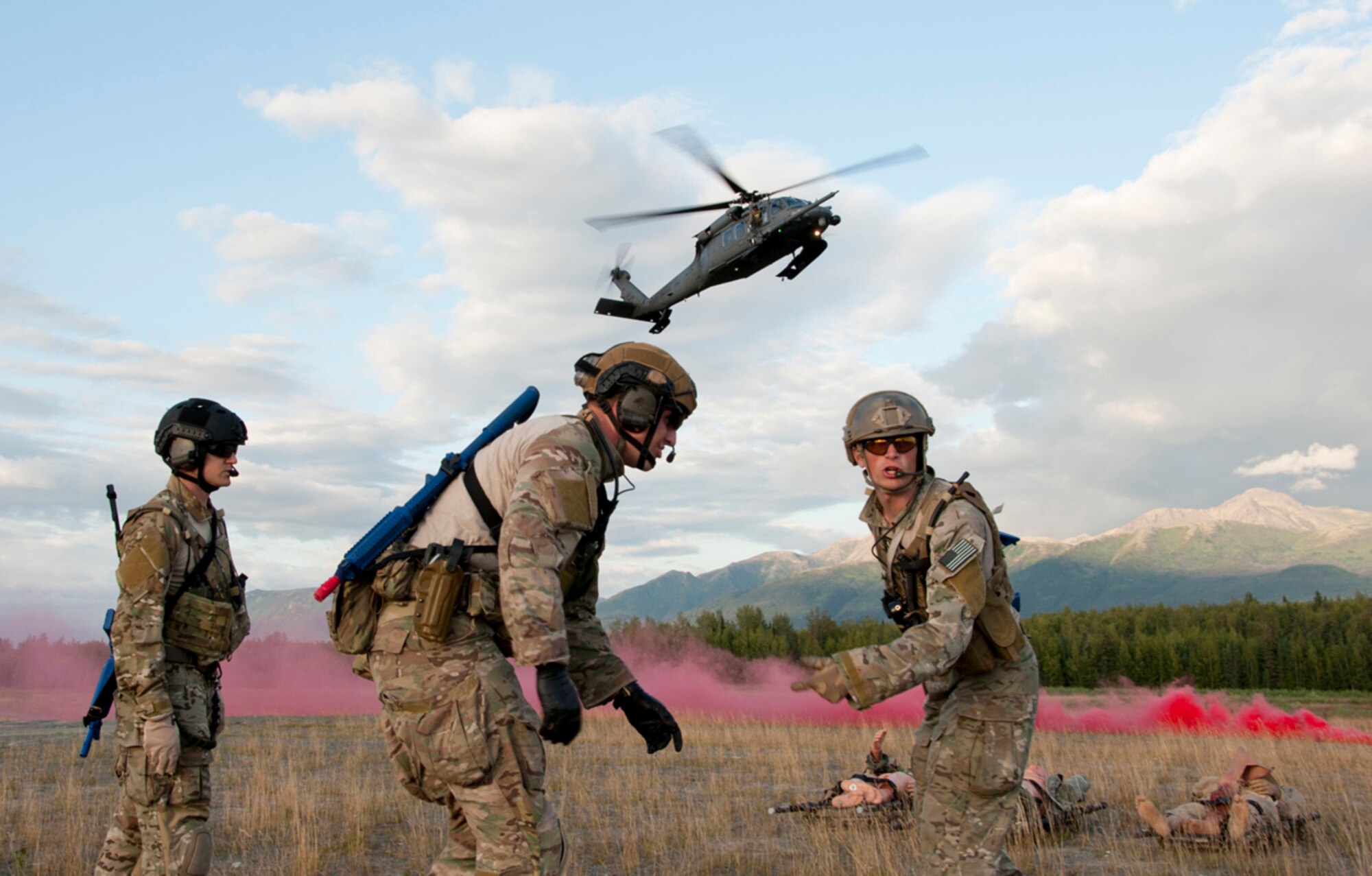
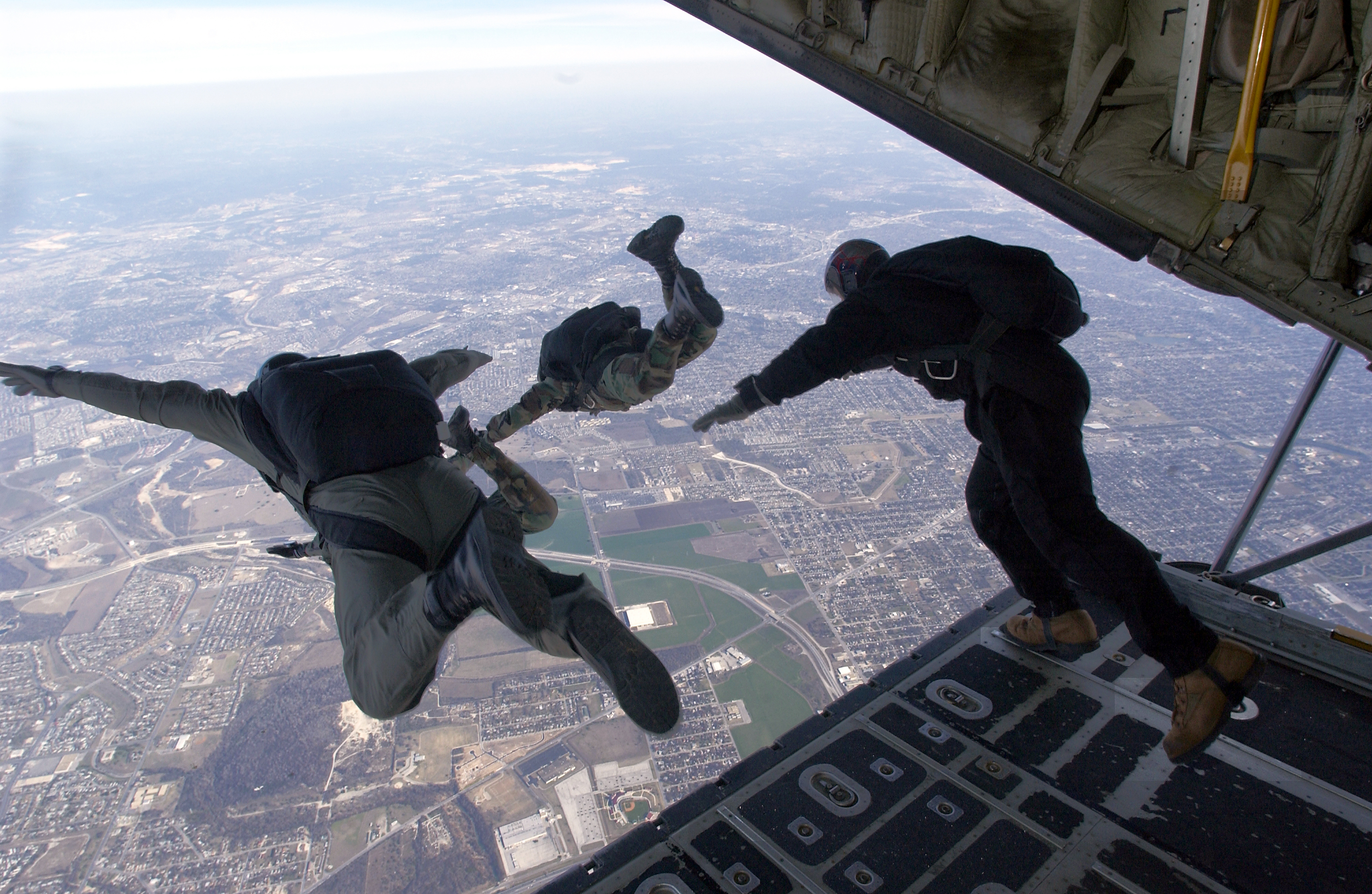
Let’s be real: for most of us, “going viral” means a TikTok of a golden retriever stealing a Chipotle burrito. For the 1% of human beings who’ve even heard of Pararescue (PJs), going viral means jumping out of a perfectly good aircraft at 25,000 feet into the icy North Atlantic to save a downed pilot’s life while machine-gun fire zips past your ears. Somehow, this elite Air Force unit has migrated from the gritty depths of military forums to your FYP, thanks to a weird cocktail of “sigma male” edits, Joe Rogan podcast clips, and the algorithm’s insatiable hunger for content that makes CrossFit look like a gentle stretch.
The internet has a parasocial obsession with "the hardest job in the military," and it’s not hard to see why. In a culture obsessed with optimized morning routines and 5 AM "grindset" culture, the PJ represents the absolute terminus of human performance—a walking, breathing, medically-trained, combat-equipped demigod. But the discourse online is wildly bifurcated. On one side, you have the giga-chad worshippers who think it’s just about doing 1,000 push-ups. On the other, you have the jaded vets laughing at civilians who think they can "train" for this. The truth? It’s more brutal, more boring, and infinitely more fascinating than the memes suggest. And yes, we’re here for it. Let’s break down the ultimate "unlock your potential" core memory, shall we?
The Subculture: A Digital Minefield of Bro-Science and Quiet Suffering
Dive into any Reddit thread r/Pararescue, and you’ll immediately smell the testosterone and the anxiety. The subculture is a bizarre ecosystem of 19-year-old college wrestlers asking if they can "wing it," interspersed with salty active-duty PJs dropping cryptic one-liners like "Just show up." The toxicity isn't loud; it’s passive-aggressive. It’s the “gym bro” culture of stoicism, where admitting you’re tired is akin to admitting you voted for the wrong candidate. The online spaces are filled with "selection prep" gurus selling PDFs on water concurrency, while the real guys are doing 500-meter fin swims in full kit, completely silent. The clash is generational: Gen Z wants a blueprint; the old guard wants you to figure it out through sheer suffering.
Must Read
Social media has turned the PJ pipeline into a spectacle. YouTube channels dedicated to "Special Warfare Training" get millions of views, often featuring grainier footage of guys getting smoked in the surf. The comment sections are a warzone between "chair force" jokes and legitimately reverent civilians. But the trendiest shift is the "AI-generated" content—videos of a hyper-realistic PJ rescuing a puppy from a burning building with a voiceover about "mental fortitude." It’s the commodification of sacrifice. The cultural shift is that we’ve moved from respecting veterans to demanding they be superhuman prophets of discipline. We’ve turned a career path into a personality test, and the internet’s binary thinking—"you’re either a PJ or a loser"—doesn’t help the guys who actually wash out, a statistic hovering around 90%.
How to "Train" Without Destroying Your Life (And Your Bank Account)
You saw the viral edit. You felt the urge. You looked at your dusty running shoes with a newfound sense of purpose. Before you quit your finance job and move to a swamp, let’s get pragmatic. The first step is Not Telling Anyone. Seriously. The moment you post “Starting my PJ journey” on Instagram, you’ve jinxed it. The training pipeline is a psychological game of attrition; the ego is your first enemy. So, delete the social media pressure and operate in the shadows. Your goal isn’t to look like you’re training; it’s to be a void of endurance that devours miles and pool laps silently.

Second, accept that the Pool is Your New Religion. Most candidates fail in the water. Not because they can’t swim, but because they panic. You need to be a marine mammal. This means underwater laps (20+ meters) with fins, treading water with bricks, and mask recovery drills until you can do them in your sleep. This isn’t a gym workout; it’s a breath-control meditation. You’ll need a good pair of fins (think OMS or Jet Fins) and a tempo trainer that beeps faster than you want to breathe. Prepare to spend $300+ on gear you’ll hate. It’s worth it.
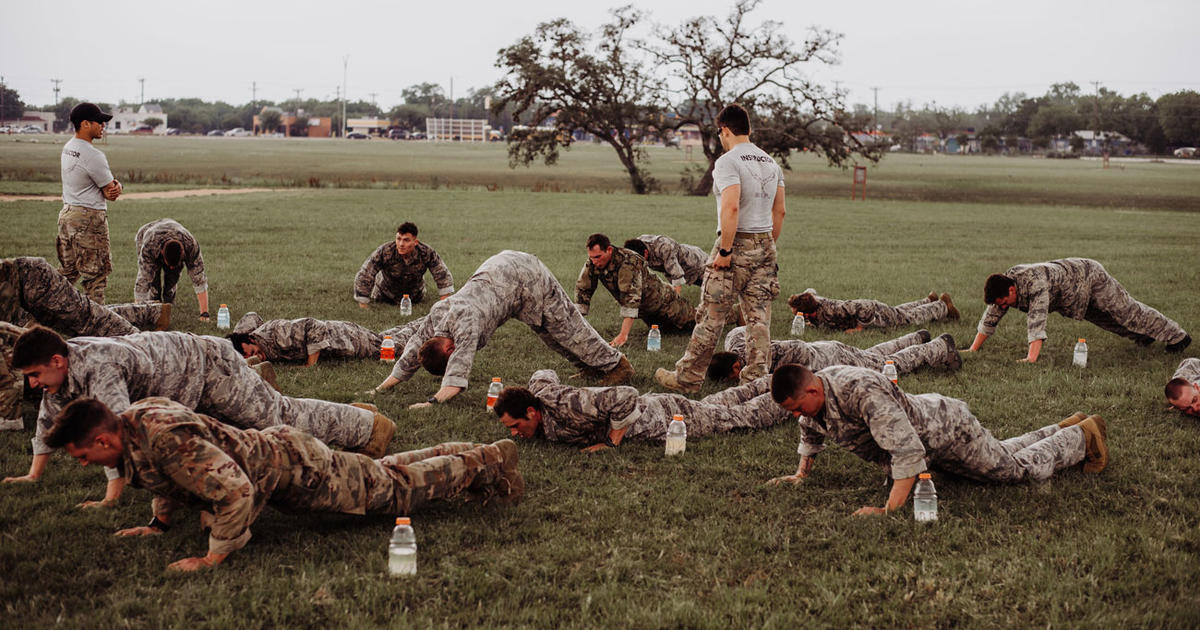
Third, let’s talk about Calisthenics vs. The Iron Temple. You don’t need to bench 315. You need ungodly pull-up stamina, push-up volume, and core stability for days. The internet loves to show heavy deadlifts, but the PJ selection is a marathon of bodyweight movement. Start doing "Murph" variations until you see stars, and run. Oh, the running. You’ll run 5 miles before breakfast, then run 6 miles after lunch. Your shins will scream, and that’s okay. Use a couch-to-5k plan, but then push it to a 10k, then a half-marathon, and then add a weighted vest. Your wallet will hurt from buying new shoes and ibuprofen.
Finally, the Mental Game. This is where the "trend" fails you. You cannot hack your way to a PJ contract with an app. You need to practice "controlled panic." Go for a run in the rain. Swim in a lake with muddy water. Get yourself into uncomfortable, cold, dark situations voluntarily. Why? Because on the actual test, you’ll be cold, wet, and exhausted. You need to have a pre-written internal script: "I am fine. My stroke is efficient. I will keep moving." If you can’t do that during a 45-minute pool session, you’re not ready. Budget for a coach or a swim club—accountability is better than a $200 dopamine hit from a new hydration vest.

FAQs: The Internet’s Burning Questions, Answered
1. Is it true that Pararescue has a 90% failure rate? And why is it so high?
Yes, the attrition rate is legendary and often cited as being north of 85-90%. But the reason isn’t always the physical capacity—it’s the accumulation of misery. The pipeline (Basic Military Training, Indoctrination, Dive School, Survival School, etc.) is designed to break you slowly. The instructors aren't looking for the fastest runner; they’re looking for the guy who can run slow, then dive, then run again, then solve a math problem, then carry a teammate. The failure is usually voluntary (the "bell ringer") because the mental calculus of constant cold, wet, and fatigue becomes overwhelming. It’s a Darwinian filter for volition, not just strength.
Furthermore, the high rate is a self-fulfilling prophecy. Candidates arrive thinking they know what to expect because they saw a YouTube doc. They don't. The reality of "water con" (water confidence) is an absurd level of physical exertion combined with the involuntary gasping reflex. When you're doing buddy breathes in a 12-foot pool while the instructors are dumping water on your face, the fear is primal. The internet debates whether "candidates wash out or quit." The truth is nuanced; many quit because they realize they don't want to be PJs more than they fear the shame of quitting. It’s a brutally honest moment, and the military prefers that self-broken ego to a resentful soldier.
2. Can I prepare at home, or do I absolutely need a formal military background?
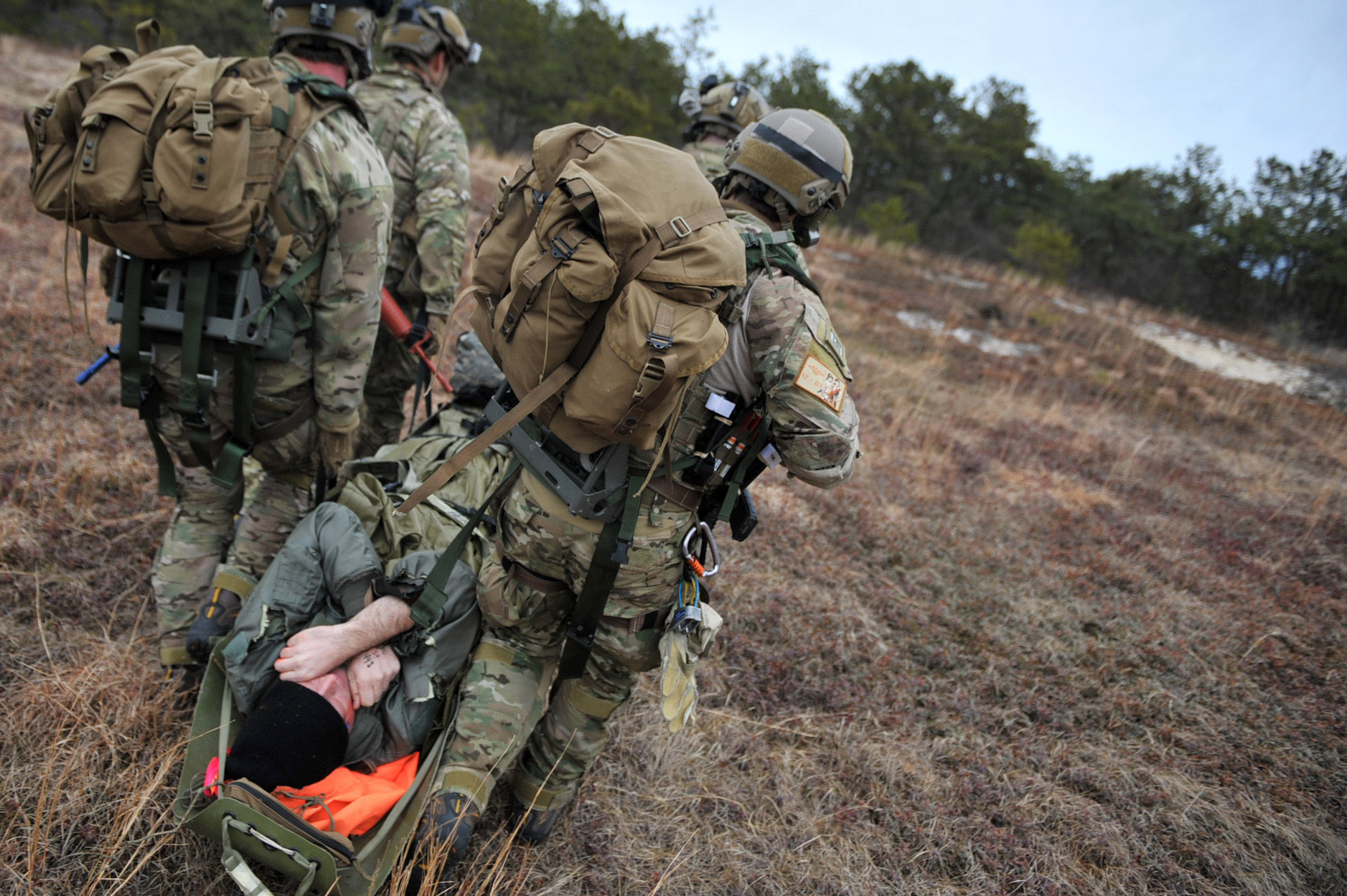
You can absolutely prepare at home, but you must be intelligent about it. A formal military background isn't a requirement; in fact, many PJs are recruited straight from civilian life. However, your training must mimic the specific stressors of the Air Force Special Warfare pipeline. That means composite workouts are your best friend. You need to do circuits: 800m run, 20 pull-ups, 40 push-ups, 60 squats, then a 500m swim—repeat until you puke. The key is to replicate the "cross-training" chaos. The military tests your base fitness, but the selection tests your ability to switch modalities while fatigued.
If you lack a swim background, that’s your biggest liability. You cannot fake water comfort. I highly recommend finding a Master's swim club or a private coach who can teach you bilateral breathing and efficient fins technique. The "home" prep is mostly about running and calisthenics. But the pool is a professional requirement. There’s a reason the military sends you to a 9-week Indoctrination course—they expect you to be a decent athlete with zero water skills, but the washout rate spikes if you show up unable to tread water. So, set up a "pool schedule" and stick to it. If you don't have a pool membership, now is the time to get one. Don't argue about the cost; argue about your excuses.
3. Is the "PJ" life actually cool, or is it just a TikTok aesthetic?
Let's separate the aesthetic from the vocation. The TikTok aesthetic—the beard, the sunglasses, the jump gear, the "I save lives with my biceps" vibe—is 100% cringe and misleading. The actual job involves long hours of mundane training, maintaining gear, studying medical protocols (you become an EMT/Paramedic), and sitting alert for 24 hours at a time waiting for a call that might never come. It’s 90% boredom and 10% sheer terror. The "cool" moments—the high-altitude jumps into the ocean—are terrifying, dangerous, and often involve you being violently seasick on the way back.

However, the purpose is genuinely badass. You are a rescue specialist with trauma medicine skills operating in the most austere environments on Earth. The internet romanticizes the "loneliness of the long-distance runner," but the PJ reality is intense teamwork and a quiet professionalism. They don't want heroes; they want medics who can function under fire. So, yes, it’s cool in the sense that it’s the ultimate expression of selflessness. But it’s not a vibe. It’s a lifestyle of constant preparation for other people’s worst days. If you want the aesthetic, buy a beanie. If you want the life, bring your soul to the pool deck.
So, is this a passing fad or a permanent cultural shift? The obsession with Pararescue is likely a reaction to a society that feels increasingly soft, digitized, and disconnected from physical reality. In a world where you can order dinner with a swipe and get your dopamine from a like button, the PJ represents a mythic, analog ideal of human grit. The trend will fade from the FYP eventually—something else shiny will appear—but the archetype of the "Guardian Angel" is permanent. It taps into a primal respect for sacrifice and competence.
Ultimately, the internet’s fascination with Pararescue is less about the military and more about our own desire for meaning. We want to believe that limits are meant to be broken and that the human body can endure anything. The PJs are the proof of concept. So, enjoy the videos, laugh at the memes, but remember the reality: it takes an ordinary person who is willing to do extraordinarily unpleasant things for a very long time. And that’s the most unfuckwithable trend of all. Whether you're training for the pipeline or just trying to survive your Tuesday, channel a little of that PJ energy: keep moving, keep your head down, and don't overthink the cold.