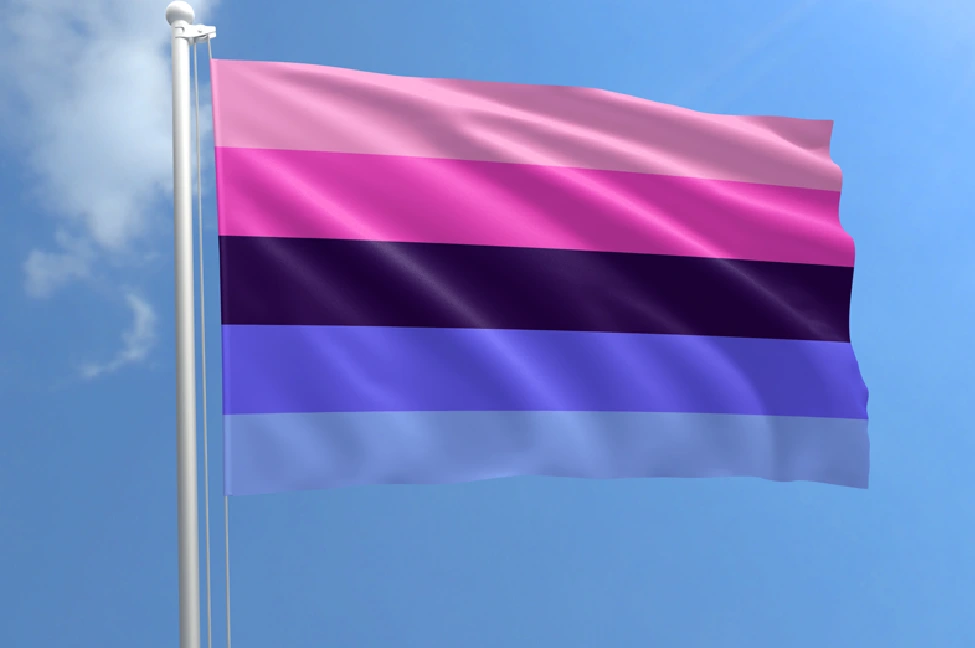
What Does It Mean Omnisexual

In recent years, the term omnisexual has gained significant attention and recognition, particularly among the younger generation and within the LGBTQ+ community. But what does it mean to be omnisexual, and how does it differ from other sexual orientations? To understand this concept, it's essential to delve into its history and significance in today's society. The term omnisexual is derived from the Latin words "omni," meaning all, and "sexual," referring to sexual attraction. It is often used to describe individuals who are attracted to people of all genders, including men, women, non-binary, and transgender individuals.
The concept of omnisexual has been around for decades, but it has only recently gained mainstream recognition. This shift in awareness can be attributed to the growing acceptance and visibility of non-heterosexual identities, as well as the increasing use of social media platforms to express and explore one's sexuality. As a result, many people are now feeling more comfortable embracing their true selves and identifying with terms that accurately reflect their experiences and feelings. In this article, we will explore the complexities of omnisexual identity, its psychological and cultural implications, and provide practical insights for individuals who identify as omnisexual or are looking to learn more about this orientation.
Understanding Omnisexuality
One of the most critical aspects of omnisexuality is its distinction from other sexual orientations, such as pansexuality and bisexuality. While these terms are often used interchangeably, they have distinct meanings and connotations. Pansexuality refers to the attraction to people regardless of their gender, whereas bisexuality typically implies an attraction to two specific genders, usually men and women. Omnisexuality, on the other hand, encompasses a broader range of attractions, including those towards people who identify as non-binary, genderqueer, or genderfluid. This subtle yet significant difference highlights the complexity and diversity of human sexuality.
Must Read
From a psychological perspective, omnisexuality can be seen as a natural extension of human attraction, which is often influenced by a combination of biological, social, and cultural factors. Research suggests that sexual orientation is not strictly binary, but rather exists on a spectrum, with many individuals experiencing varying degrees of attraction to different genders. This understanding is essential in recognizing the validity and legitimacy of omnisexual identities, which are often marginalized or erased in heteronormative societies.
The cultural impact of omnisexuality is also noteworthy, as it challenges traditional notions of sexuality and gender. In many cultures, omnisexuality is seen as a threat to established norms and power structures, leading to discrimination and stigma against individuals who identify as omnisexual. However, the growing visibility and acceptance of omnisexuality are helping to break down these barriers, promoting a more inclusive and diverse understanding of human sexuality. As pop culture continues to play a significant role in shaping our perceptions and attitudes, it is essential to include and represent omnisexual characters and storylines in media, such as TV shows, films, and literature.
Living as an Omnisexual Individual
For individuals who identify as omnisexual, navigating the complexities of relationships, social interactions, and personal identity can be challenging. One of the most significant hurdles is finding a supportive community that understands and accepts omnisexual identities. This can involve seeking out online forums, social media groups, and local LGBTQ+ organizations that provide a safe and inclusive space for omnisexual individuals to connect and share their experiences.
:max_bytes(150000):strip_icc()/Omnisexual-vs-Pansexual-7556506-FINAL-1-c74237ae5cd44e068c1086365f1d846e.png)
In romantic relationships, omnisexual individuals may face unique challenges, such as navigating the complexities of attraction, communication, and intimacy with partners of different genders. It is essential to prioritize open and honest communication, ensuring that all parties involved feel seen, heard, and respected. Additionally, omnisexual individuals may need to confront and challenge societal norms and expectations, which can be damaging and limiting to their relationships and overall well-being.
Another critical aspect of living as an omnisexual individual is self-care and self-acceptance. This involves acknowledging and embracing one's true feelings and attractions, rather than trying to conform to societal expectations or norms. By prioritizing self-care and self-acceptance, omnisexual individuals can cultivate a deeper sense of self-love and self-worth, leading to more fulfilling and authentic relationships with themselves and others.
In terms of practical advice, omnisexual individuals can benefit from seeking out supportive therapists, counselors, or coaches who specialize in LGBTQ+ issues and identity exploration. These professionals can provide a safe and non-judgmental space for omnisexual individuals to explore their feelings, concerns, and aspirations, helping them to develop a more profound understanding of themselves and their place in the world.
Frequently Asked Questions
What is the difference between omnisexuality and pansexuality?
The distinction between omnisexuality and pansexuality is often subtle, yet significant. While both terms refer to a broad range of attractions, omnisexuality tends to emphasize the attraction to people of all genders, including non-binary and genderqueer individuals. Pansexuality, on the other hand, often focuses on the attraction to people regardless of their gender, without necessarily emphasizing the inclusion of non-binary or genderqueer individuals. This difference in emphasis can be important, as it highlights the complexity and diversity of human sexuality.
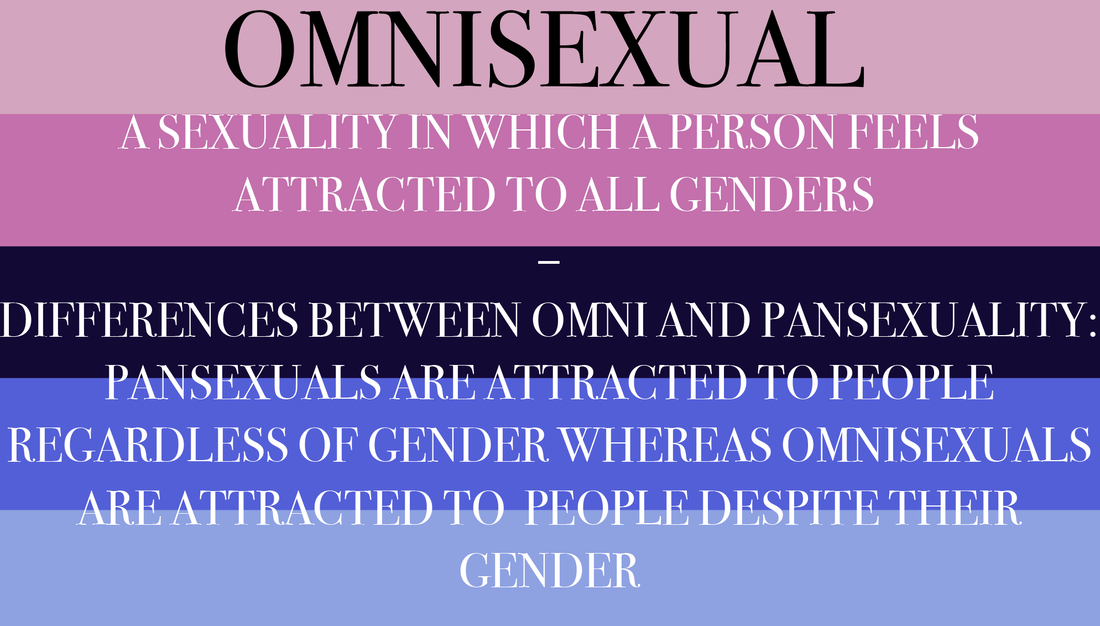
In practice, the distinction between omnisexuality and pansexuality may not be immediately apparent, and individuals may identify with both terms or use them interchangeably. However, it is essential to recognize and respect the unique experiences and perspectives of individuals who identify as omnisexual or pansexual, rather than assuming that these terms are synonymous or interchangeable. By doing so, we can promote a more inclusive and nuanced understanding of human sexuality, acknowledging the rich diversity of attractions and experiences that exist within our communities.
How do I know if I am omnisexual?
Discovering one's sexual orientation can be a complex and ongoing process, involving self-reflection, exploration, and experimentation. For individuals who are questioning their orientation or wondering if they might be omnisexual, it is essential to prioritize self-care, self-acceptance, and open-mindedness. This may involve exploring one's feelings and attractions, seeking out supportive communities or online resources, and engaging in honest and open communication with oneself and others.
A key aspect of exploring one's omnisexuality is recognizing and challenging societal norms and expectations, which can be damaging and limiting to one's sense of identity and self-worth. By embracing a more inclusive and diverse understanding of human sexuality, individuals can cultivate a deeper sense of self-love and self-acceptance, leading to more fulfilling and authentic relationships with themselves and others. It is also essential to remember that sexual orientation is not strictly fixed and can evolve over time, so it's crucial to be patient, compassionate, and kind to oneself throughout the process of self-discovery.
Can omnisexual individuals be in monogamous relationships?
Omnisexual individuals can certainly be in monogamous relationships, just like anyone else. However, the key to success lies in open and honest communication, mutual respect, and a deep understanding of each other's needs, desires, and boundaries. In a monogamous relationship, it's essential for omnisexual individuals to prioritize their partner's feelings, concerns, and expectations, while also being true to themselves and their own attractions and desires.
In practice, this may involve negotiating boundaries, discussing desires and attractions, and cultivating a sense of trust, empathy, and understanding. By doing so, omnisexual individuals can build strong, healthy, and fulfilling relationships that honor their own needs and desires, as well as those of their partner. It's also important to recognize that monogamy is not the only option for omnisexual individuals, and that non-monogamous or polyamorous relationships can also be a valid and fulfilling choice.
How can I support my omnisexual friend or partner?
Supporting an omnisexual friend or partner involves empathy, understanding, and a willingness to learn and grow. It's essential to create a safe and non-judgmental space for them to express themselves, share their feelings and experiences, and explore their attractions and desires. This may involve educating oneself about omnisexuality, challenging societal norms and expectations, and advocating for inclusivity and acceptance within one's community.
Practically, this can involve using inclusive language, respecting their boundaries and desires, and being patient and compassionate when they are navigating the complexities of their identity. By doing so, you can help your omnisexual friend or partner feel seen, heard, and valued, cultivating a deeper sense of trust, empathy, and understanding in your relationship. It's also essential to recognize that everyone's experience of omnisexuality is unique, so it's crucial to listen to and respect their individual needs, desires, and perspectives.
Is omnisexuality a phase or a permanent orientation?
The question of whether omnisexuality is a phase or a permanent orientation is complex and multifaceted. For some individuals, omnisexuality may be a lasting and enduring aspect of their identity, while for others, it may be a transitional or exploratory phase. It's essential to recognize that sexual orientation is not strictly fixed and can evolve over time, influenced by a range of biological, social, and cultural factors.

Rather than trying to determine whether omnisexuality is a phase or a permanent orientation, it's more important to focus on supporting and accepting individuals as they navigate their identities and attractions. By doing so, we can promote a more inclusive and nuanced understanding of human sexuality, acknowledging the rich diversity of experiences and perspectives that exist within our communities. Ultimately, the most important thing is to prioritize self-love, self-acceptance, and empathy, rather than trying to fit individuals into narrow or predetermined categories.
As we reflect on the complexities of omnisexuality, it becomes clear that this orientation is not just a personal identity, but also a cultural and societal phenomenon. The growing recognition and acceptance of omnisexuality are helping to challenge traditional notions of sexuality and gender, promoting a more inclusive and diverse understanding of human experience. By embracing this diversity and complexity, we can cultivate a more compassionate, empathetic, and accepting society, where individuals of all orientations and identities can thrive and flourish.
The connection between omnisexuality and human nature is also noteworthy, as it highlights the intricate and multifaceted nature of human attraction and desire. By recognizing and accepting the diversity of human sexuality, we can gain a deeper understanding of ourselves and others, fostering a more profound sense of empathy, compassion, and connection. Ultimately, the journey of self-discovery and exploration that omnisexual individuals embark upon can be a powerful catalyst for personal growth, healing, and transformation, leading to a more authentic, fulfilling, and meaningful life.
In conclusion, omnisexuality is a complex and multifaceted orientation that encompasses a broad range of attractions and experiences. By exploring the history, psychology, and cultural implications of omnisexuality, we can gain a deeper understanding of this orientation and its significance in today's society. As we continue to navigate the complexities of human sexuality, it's essential to prioritize empathy, compassion, and acceptance, recognizing the rich diversity of experiences and perspectives that exist within our communities. By doing so, we can promote a more inclusive, diverse, and accepting world, where individuals of all orientations and identities can thrive, flourish, and live authentically.