What Does Hermaphrodite Mean
I still remember the day I stumbled upon the word hermaphrodite in my biology textbook. I was in high school, and my curious mind was eager to learn more about this term that seemed so mysterious and intriguing. Little did I know that it would spark a fascination in me that would last for years to come.
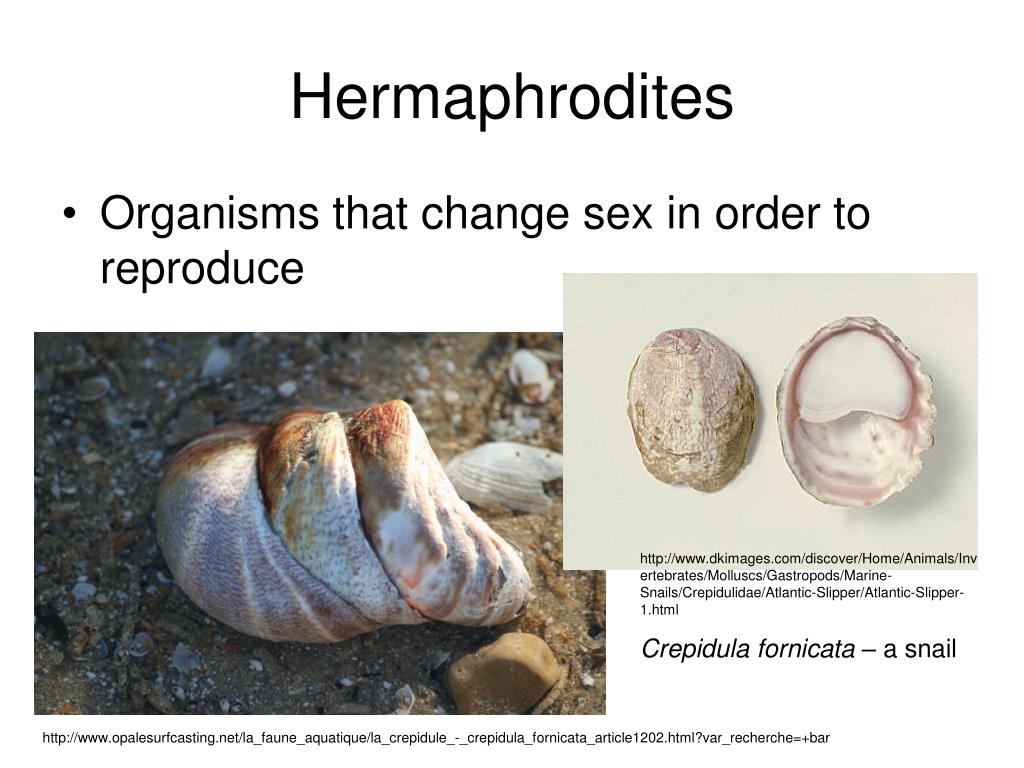
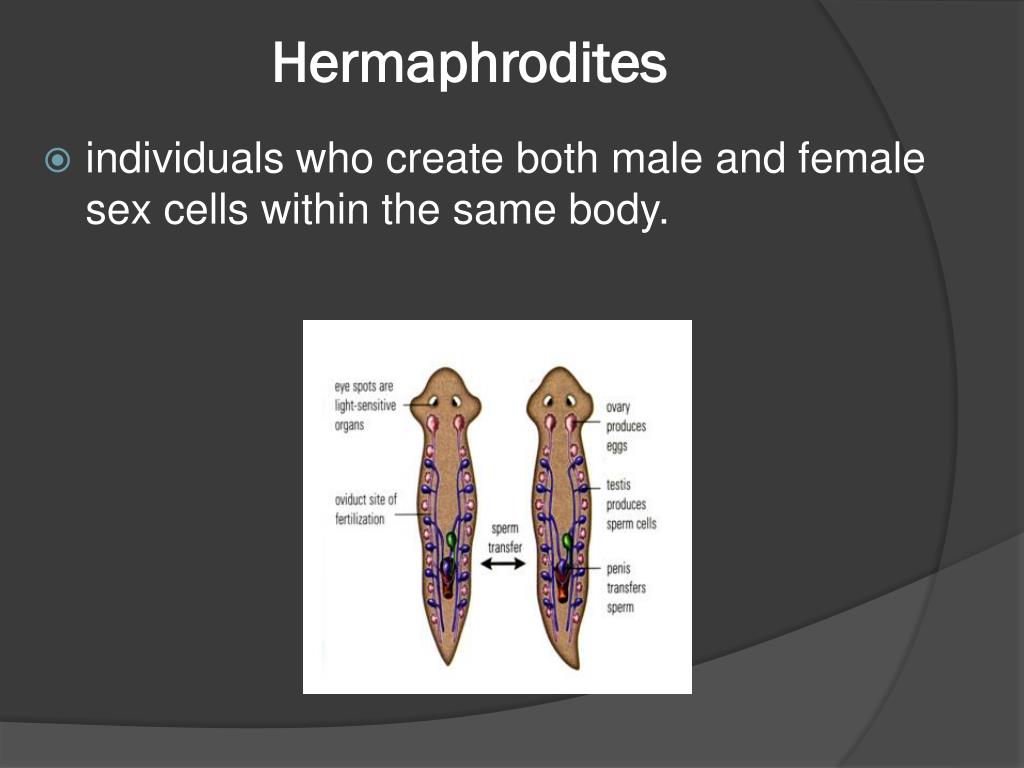
So, what does hermaphrodite actually mean? In simple terms, a hermaphrodite is an organism that has both male and female reproductive organs. This can occur in various species, including plants and animals, and it's more common than you might think.
Understanding the Term
Let's break it down: the word hermaphrodite comes from Greek mythology, where Hermaphroditus was the child of Aphrodite and Hermes. According to legend, Hermaphroditus was a beautiful youth who was transformed into a being with both male and female characteristics. It's fascinating to see how this mythological story has influenced the way we understand and use the term today.
Now, you might be wondering: what does it mean to be a hermaphrodite in the biological sense? In essence, it means that an individual has the reproductive organs of both sexes, which can be either functional or non-functional. This can manifest in different ways, depending on the species and the specific characteristics of the individual.
Types of Hermaphroditism
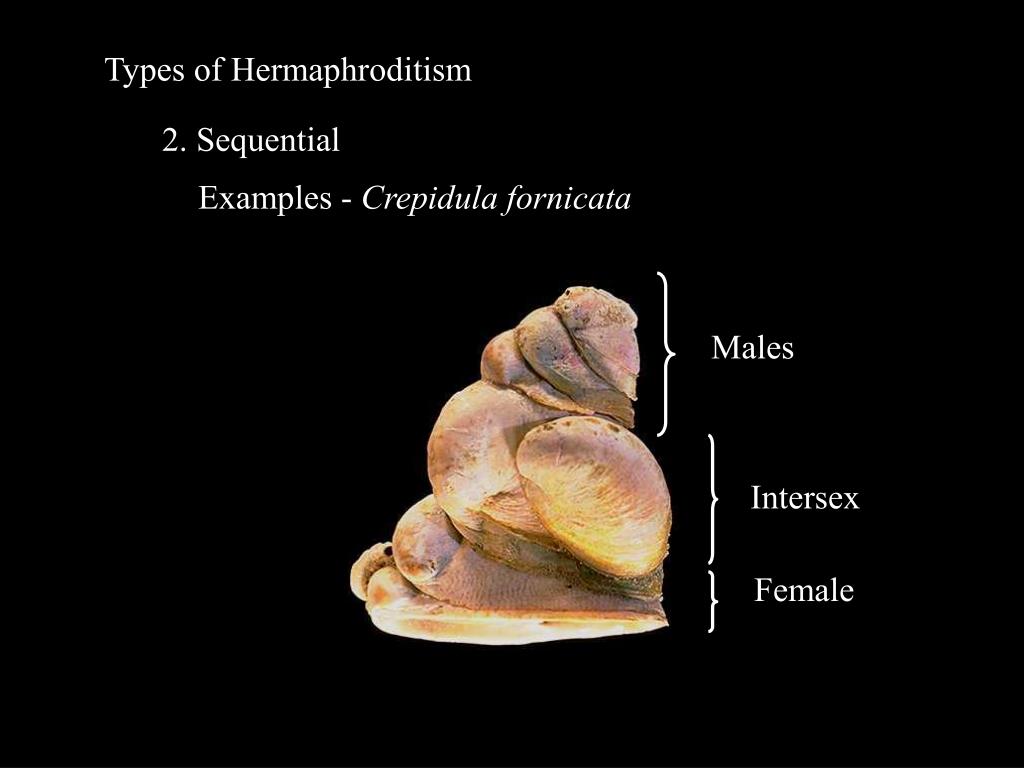
There are several types of hermaphroditism, including simultaneous hermaphroditism, where an individual has both male and female reproductive organs that are functional at the same time. This is common in some species of fish, corals, and plants. On the other hand, sequential hermaphroditism occurs when an individual starts as one sex and then switches to the other, often in response to environmental cues.

It's worth noting that hermaphroditism is different from intersex, which refers to a condition where an individual is born with reproductive or sexual anatomy that doesn't fit typical definitions of male or female. While the two terms are related, they have distinct meanings and connotations.
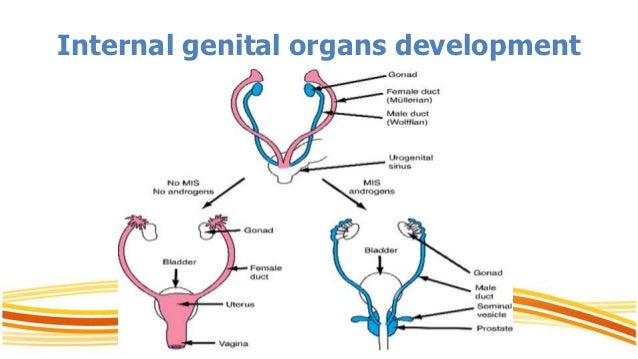
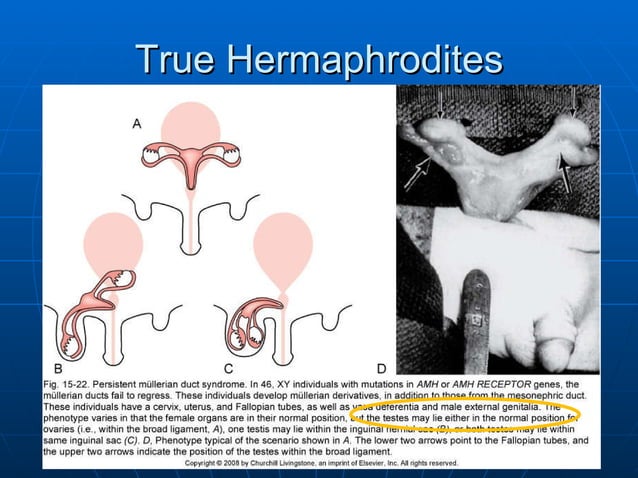
I know what you're thinking: what about humans? Can humans be hermaphrodites? The answer is yes, but it's extremely rare. In humans, hermaphroditism is often associated with intersex conditions, where an individual may be born with both male and female reproductive organs or characteristics.
Myths and Misconceptions
Unfortunately, there are many myths and misconceptions surrounding hermaphroditism. Some people view it as a disorder or an abnormality, which is not only inaccurate but also hurtful to individuals who are intersex or identify as hermaphrodites. It's essential to approach this topic with sensitivity and respect, recognizing that diversity in nature is what makes it so fascinating.
As we explore the complexities of hermaphroditism, it's essential to remember that language matters. Using respectful and inclusive language can help reduce stigma and promote greater understanding. So, the next time you hear someone use the term hermaphrodite, you'll know the fascinating story behind it.
Celebrating Diversity
In conclusion, hermaphroditism is a natural phenomenon that deserves our appreciation and respect. By embracing the diversity of life on our planet, we can gain a deeper understanding of the intricate complexities that make each species unique. So, let's celebrate the hermaphrodites among us – whether they're plants, animals, or humans – and recognize the beauty of difference that makes our world so rich and fascinating.
As you finish reading this article, I hope you'll join me in embracing the wonders of hermaphroditism and the many secrets it still holds. Who knows what other fascinating stories are waiting to be uncovered? The world of biology is full of mysteries, and it's up to us to explore and appreciate them with curiosity and wonder.