What Does Eiffel Tower Mean
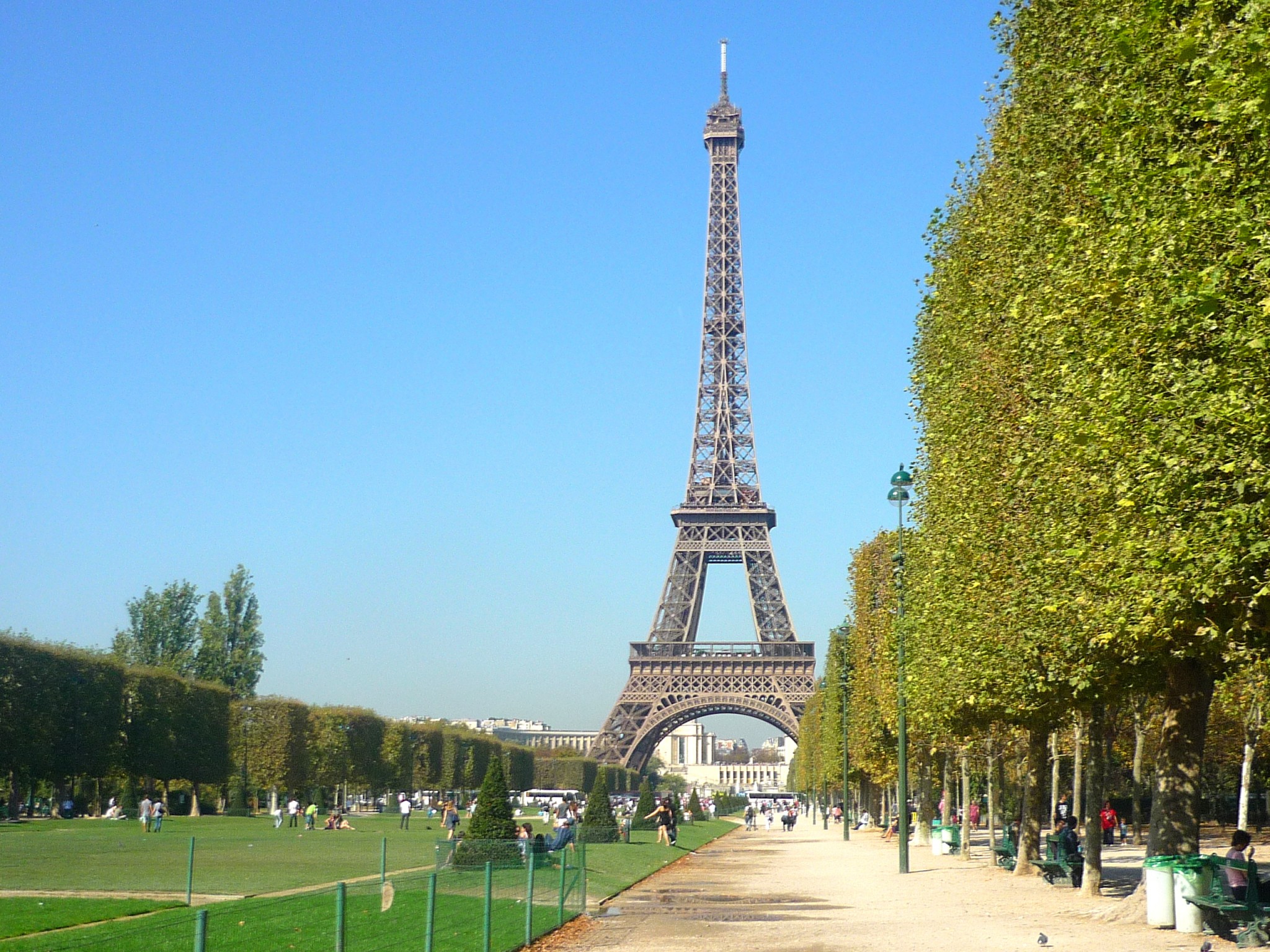
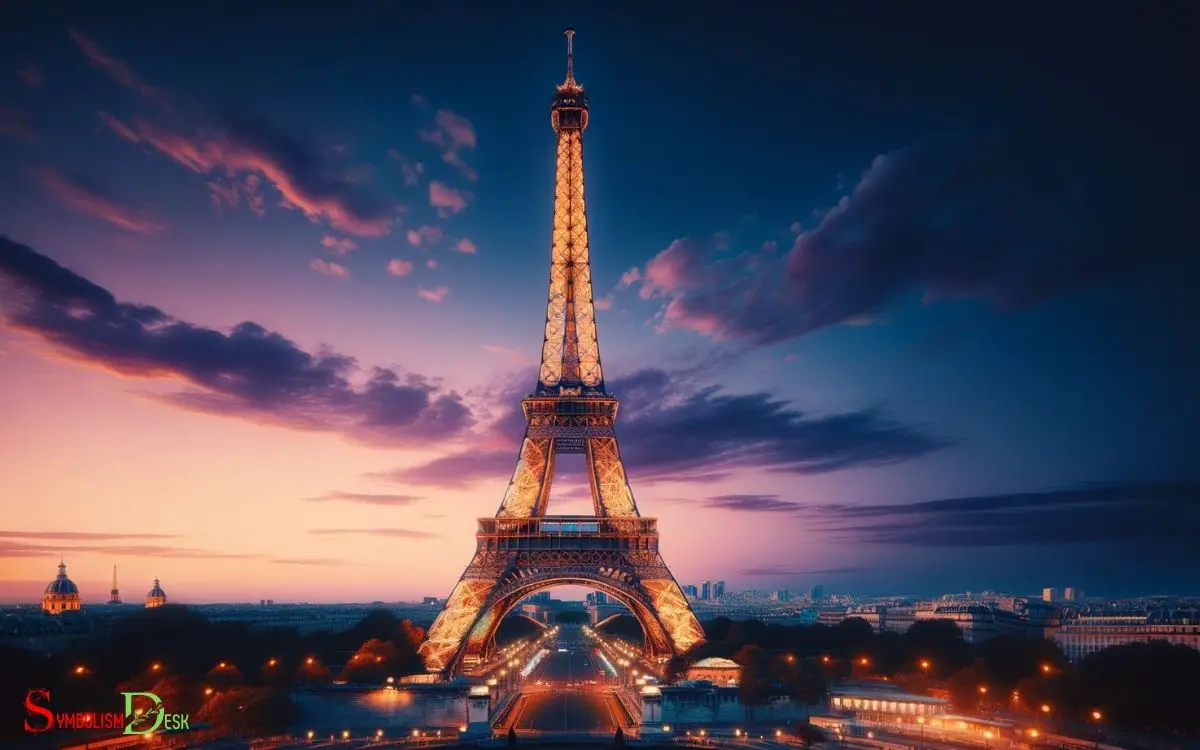
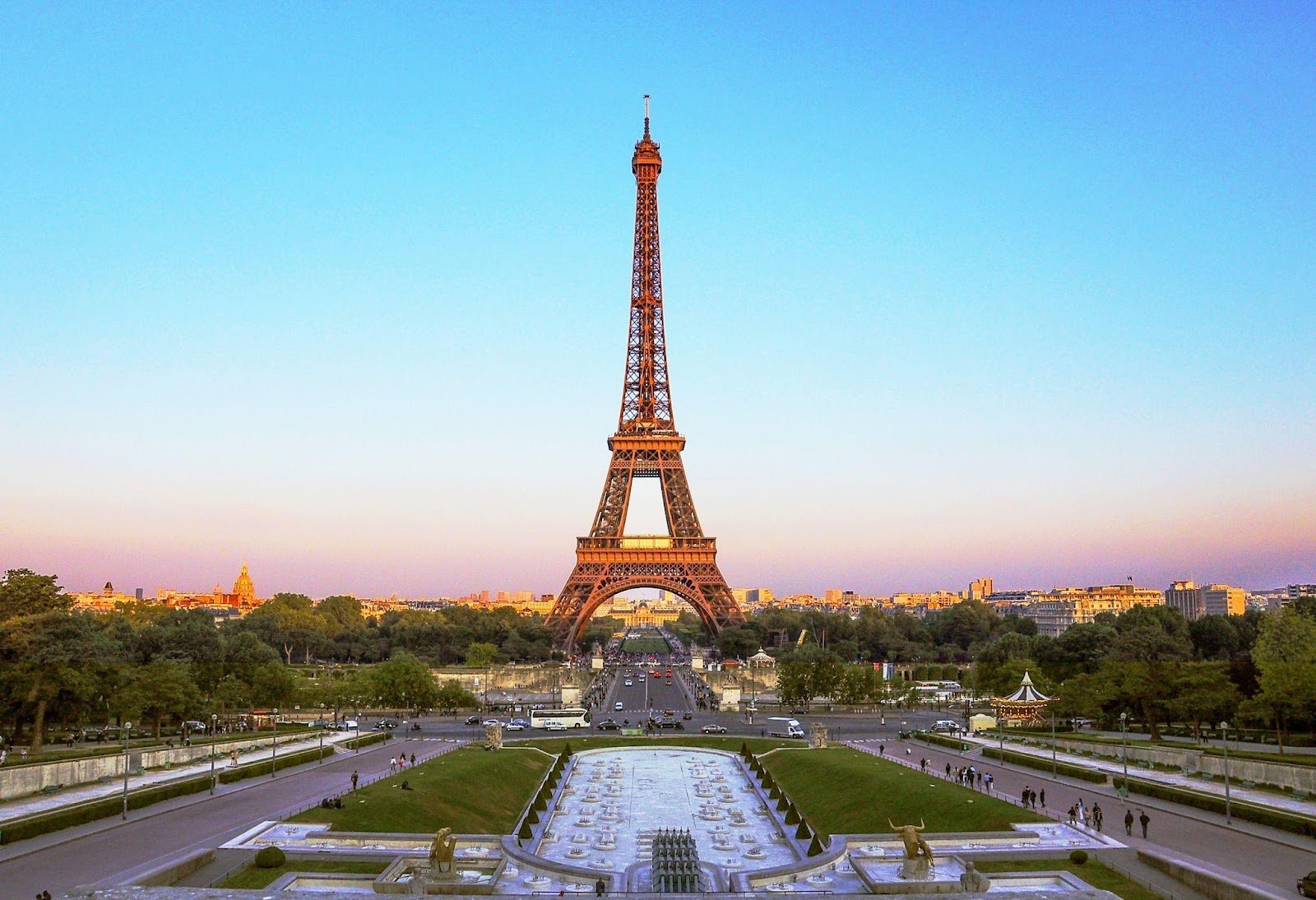
The Eiffel Tower, an iconic symbol of Paris and France, has been a subject of fascination for over a century. This magnificent iron lattice tower, built for the 1889 World's Fair, has become an integral part of the city's skyline and a representation of French culture. But what does the Eiffel Tower truly mean? Is it just a remarkable feat of engineering, or does it hold a deeper significance? To understand the essence of the Eiffel Tower, we must delve into its rich history, cultural impact, and the emotions it evokes.
As we explore the meaning behind the Eiffel Tower, we find that it is a representation of innovation and progress. The tower's constructor, Gustave Eiffel, was a pioneer in engineering, and his creation embodied the spirit of innovation that defined the late 19th century. The tower's iron lattice structure was a groundbreaking design that allowed for a tall, sturdy, and relatively lightweight construction. This innovative approach to engineering has inspired countless architects and engineers, cementing the Eiffel Tower's place in history as a symbol of human ingenuity.
The Cultural Significance of the Eiffel Tower
The Eiffel Tower has become an integral part of French culture, representing the country's rich history, art, and romance. The tower has been the backdrop for numerous films, literature, and art, solidifying its place in popular culture. From the romantic dinners at the tower's Michelin-starred restaurant to the thrilling adventures of the tower's staircase and elevators, the Eiffel Tower has become a cultural phenomenon that transcends borders and languages.
Must Read
A closer look at the Eiffel Tower reveals a dark history, however. The tower was initially met with widespread criticism from the artistic community, who saw it as a monstrosity that would desecrate the city's skyline. The tower's construction also came at a human cost, with numerous workers losing their lives during its construction. Despite these controversies, the Eiffel Tower has evolved into a beloved symbol of Paris, with millions of visitors flocking to see it every year.
The Eiffel Tower's cultural impact extends beyond France, with the tower's image being used in advertising, fashion, and music. The tower's iconic shape has been parodied and homaged in countless forms of media, from comedy sketches to -blockbuster movies. The Eiffel Tower has become a cultural touchstone, representing the essence of French chic and romanticism.
Exploring the Eiffel Tower's Practical Significance
So, what can we learn from the Eiffel Tower's enduring popularity? For one, the tower's timeless design offers valuable lessons for urban planners and architects. The tower's iron lattice structure has been studied and emulated in countless construction projects, from skyscrapers to bridges. The Eiffel Tower's environmental sustainability is also worth noting, with the tower's energy-efficient lighting system reducing its carbon footprint.
The Eiffel Tower has also become a thriving business, with millions of visitors generating significant revenue for the French economy. The tower's restaurant, gift shop, and guided tours offer a range of entrepreneurial opportunities, from small businesses to large corporations. The Eiffel Tower's marketing and branding efforts are also worth studying, with the tower's iconic logo and social media presence providing a masterclass in brand management.

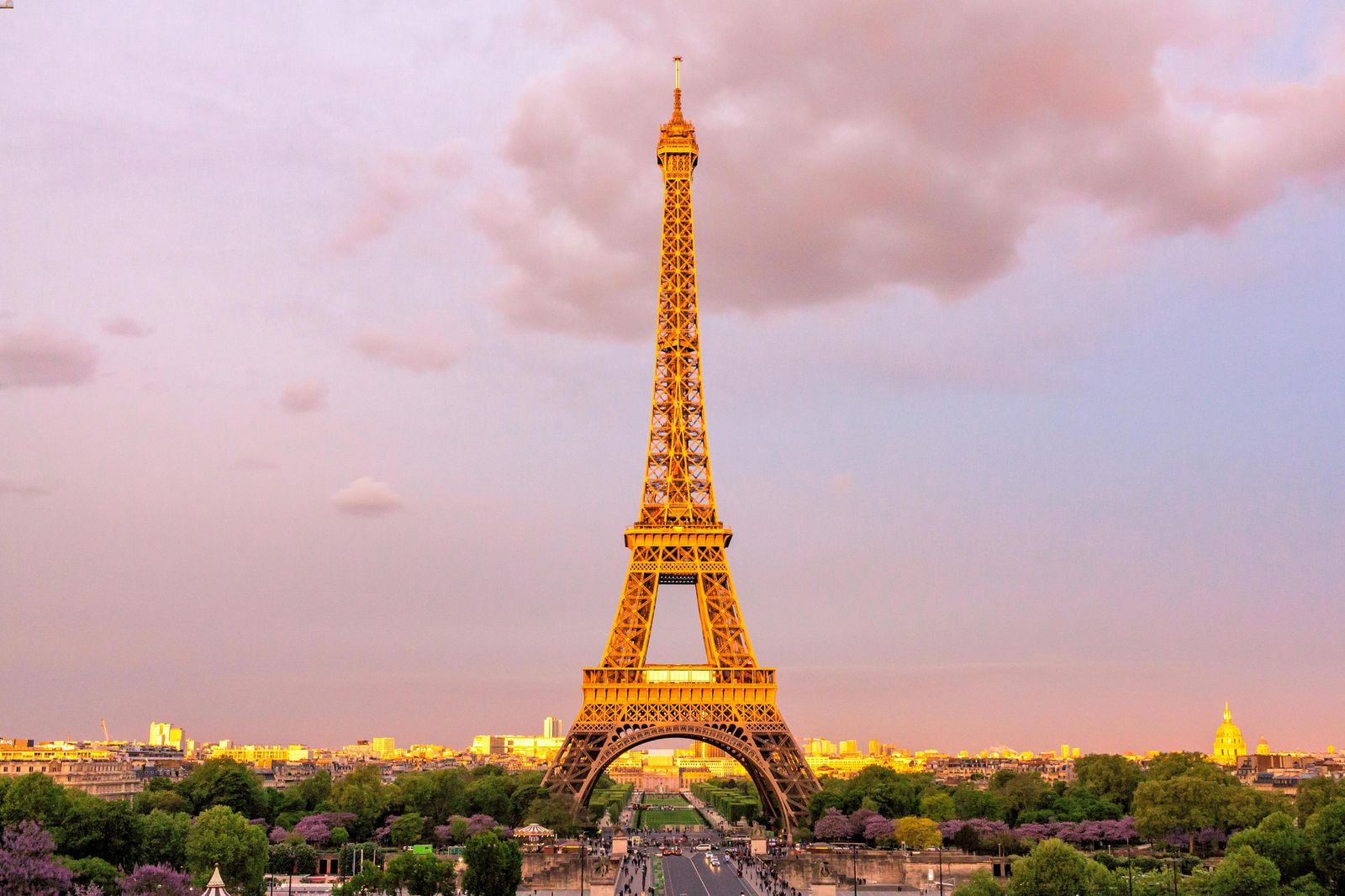
For those planning to visit the Eiffel Tower, there are several practical tips to keep in mind. Booking tickets in advance can help avoid long queues, while visiting at sunset offers a breathtaking view of the city. The Eiffel Tower's surrounding neighborhood is also worth exploring, with charming cafes and boutique shops offering a taste of authentic Paris.
The Eiffel Tower's psychological impact on visitors is also worth exploring. The tower's sheer scale can evoke feelings of awe and wonder, while its romantic connotations can create a sense of intimacy and connection. The Eiffel Tower's emotional resonance is a testament to the power of human ingenuity and creativity, reminding us that even the most seemingly mundane structures can hold a deep significance and emotional resonance.
Frequently Asked Questions
What is the Eiffel Tower's historical significance?
The Eiffel Tower was built for the 1889 World's Fair, held in Paris, France. The tower was intended to be a temporary structure, but it has become a permanent iconic symbol of the city. The tower's construction was a major engineering achievement at the time, and it has been recognized as a UNESCO World Heritage Site. The Eiffel Tower's historical significance extends beyond its construction, with the tower playing a major role in World War I and II, as well as being a symbol of French resistance during the wars.
The Eiffel Tower's historical significance is also closely tied to its cultural impact. The tower has been the subject of numerous art pieces, from paintings to photographs, and has been featured in countless films and literature. The Eiffel Tower's enduring popularity is a testament to its timeless appeal and cultural significance, making it one of the most recognizable landmarks in the world.
How tall is the Eiffel Tower?
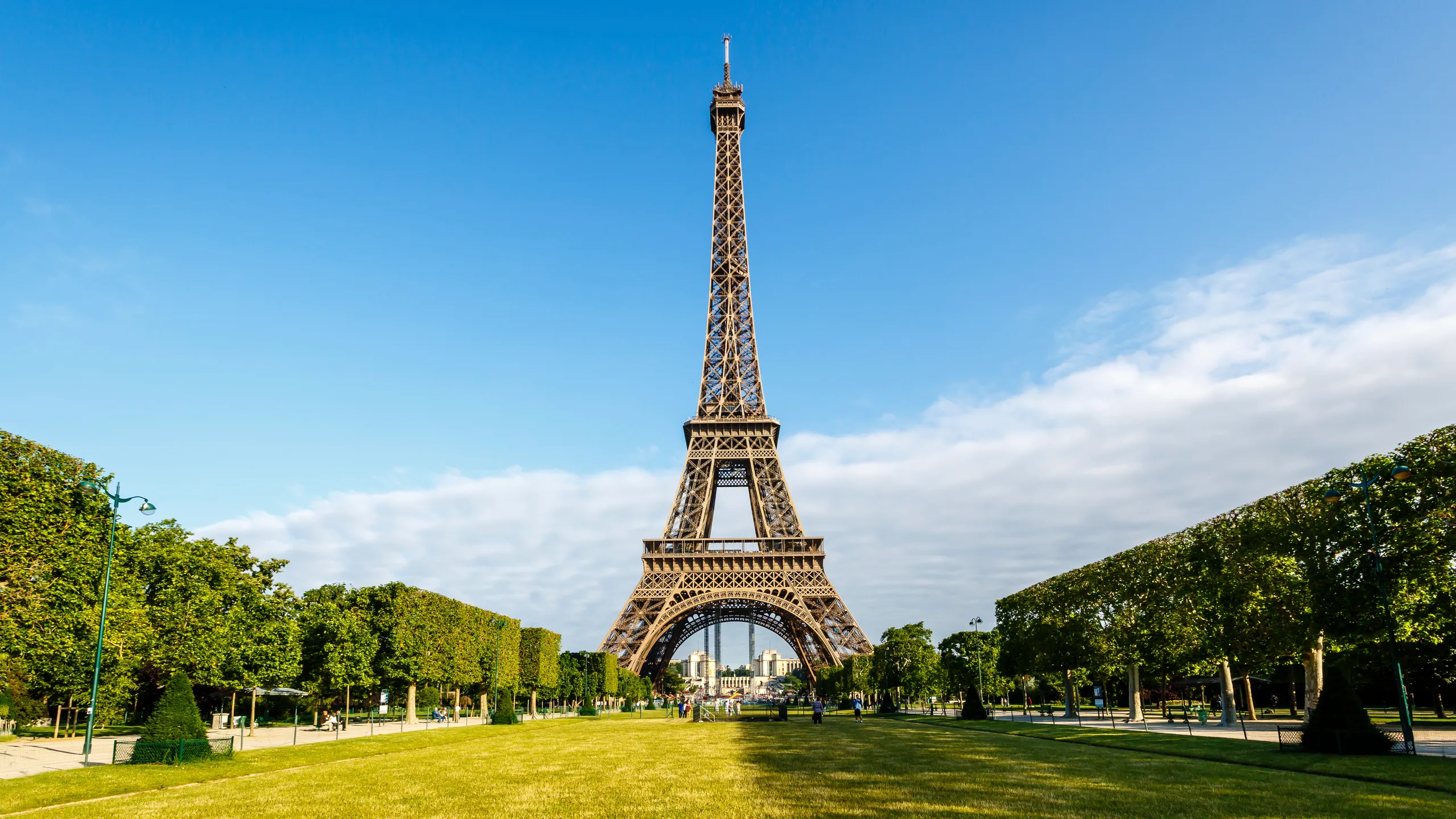
The Eiffel Tower stands at an impressive 324 meters (1,063 feet) tall. The tower's height was a major engineering achievement at the time of its construction, and it remains one of the tallest structures in Paris. The Eiffel Tower's height is not just a physical attribute, but also a symbolic representation of French culture and engineering prowess.
The Eiffel Tower's height has also made it a popular spot for thrill-seekers, with the tower's staircase and elevators offering a heart-pumping experience for adventurous visitors. The Eiffel Tower's height has also been used as a platform for numerous stunts and records, from base jumping to tightrope walking, making it a hub for adrenaline junkies and thrill-seekers.
Can I climb to the top of the Eiffel Tower?
Yes, visitors can climb to the top of the Eiffel Tower via the tower's staircase or elevators. The tower's staircase offers a challenging but rewarding climb, with breathtaking views of the city at each level. The Eiffel Tower's elevators offer a faster and more comfortable ride to the top, with large windows providing a panoramic view of the city.
However, visitors should be aware that security checks are in place at the Eiffel Tower, and large bags and items may not be allowed. Visitors should also be prepared for long queues and crowded areas, especially during peak season. Despite these challenges, climbing to the top of the Eiffel Tower is an unforgettable experience that offers a unique perspective on the city and its history.

How many visitors does the Eiffel Tower receive each year?
The Eiffel Tower receives an impressive 7 million visitors each year, making it one of the most-visited monuments in the world. The tower's popularity has endured for over a century, with visitors from all over the world flocking to see this iconic landmark. The Eiffel Tower's visitation numbers are a testament to its enduring appeal and cultural significance, making it a must-visit destination for anyone traveling to Paris.
The Eiffel Tower's visitation numbers have also made it a major economic driver for the city of Paris, with local businesses and tourism operators benefiting from the tower's popularity. The Eiffel Tower's visitation numbers are also closely tied to its environmental impact, with the tower's carbon footprint and waste management being carefully managed to minimize its impact on the environment.
Is the Eiffel Tower a romantic destination?
Yes, the Eiffel Tower is often considered a romantic destination, with its breathtaking views and intimate atmosphere making it a popular spot for couples. The Eiffel Tower's romantic connotations are closely tied to its cultural significance, with the tower being featured in countless films and literature as a symbol of love and romance.
The Eiffel Tower's romantic atmosphere is also enhanced by its beautiful surroundings, with the tower's gardens and Champ de Mars offering a peaceful and intimate setting for couples to enjoy. The Eiffel Tower's romantic reputation has also made it a popular spot for proposals and weddings, with the tower's stunning views and intimate atmosphere making it a dream destination for couples looking to tie the knot.
Can I take a guided tour of the Eiffel Tower?
Yes, visitors can take a guided tour of the Eiffel Tower, with knowledgeable guides providing a detailed and informative tour of the tower's history, architecture, and cultural significance. The Eiffel Tower's guided tours offer a unique perspective on the tower and its surroundings, with behind-the-scenes access to the tower's restricted areas and exclusive views of the city.
The Eiffel Tower's guided tours are available in multiple languages and cater to a range of interests and ages. Visitors can choose from a variety of tour options, from standard guided tours to private tours and specialized tours focusing on the tower's history, architecture, or cultural significance. The Eiffel Tower's guided tours are a great way to enhance your visit and gain a deeper understanding of this iconic landmark.
The Eiffel Tower's significance extends far beyond its physical presence, representing a symbol of hope and freedom for people around the world. The tower's enduring popularity is a testament to its timeless appeal and cultural significance, making it a must-visit destination for anyone traveling to Paris. As we reflect on the Eiffel Tower's meaning, we are reminded of the power of human creativity and ingenuity to inspire and uplift us, and the importance of preserving our cultural heritage for future generations.
The Eiffel Tower's connection to our daily lives is also worth exploring. From the .street performers and artists who gather at the tower's base to the local businesses and tourism operators who rely on the tower's popularity, the Eiffel Tower is an integral part of the fabric of Paris. The tower's presence is also felt in the global community, with the tower's image being used in advertising, fashion, and music to represent the essence of French chic and romanticism.
As we look to the future, the Eiffel Tower remains an important symbol of human achievement and a source of inspiration for people around the world. The tower's enduring legacy is a testament to the power of human creativity and ingenuity to shape our world and inspire future generations. Whether you are an artist, engineer, or simply a curious traveler, the Eiffel Tower is a must-visit destination that promises to inspire and delight in equal measure.