What Does 18k 750 Mean On A Rolex
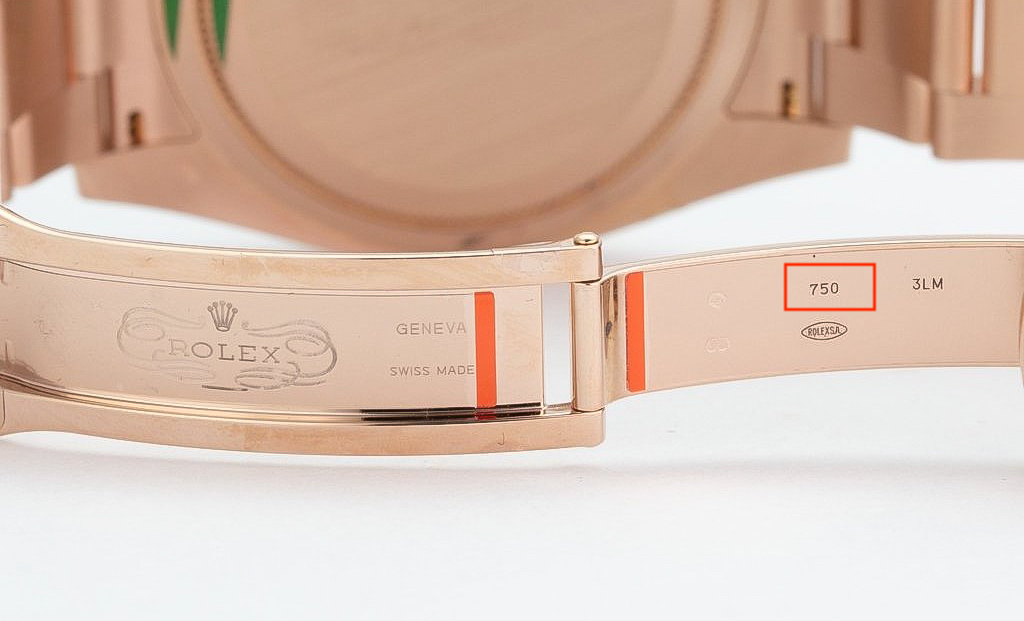
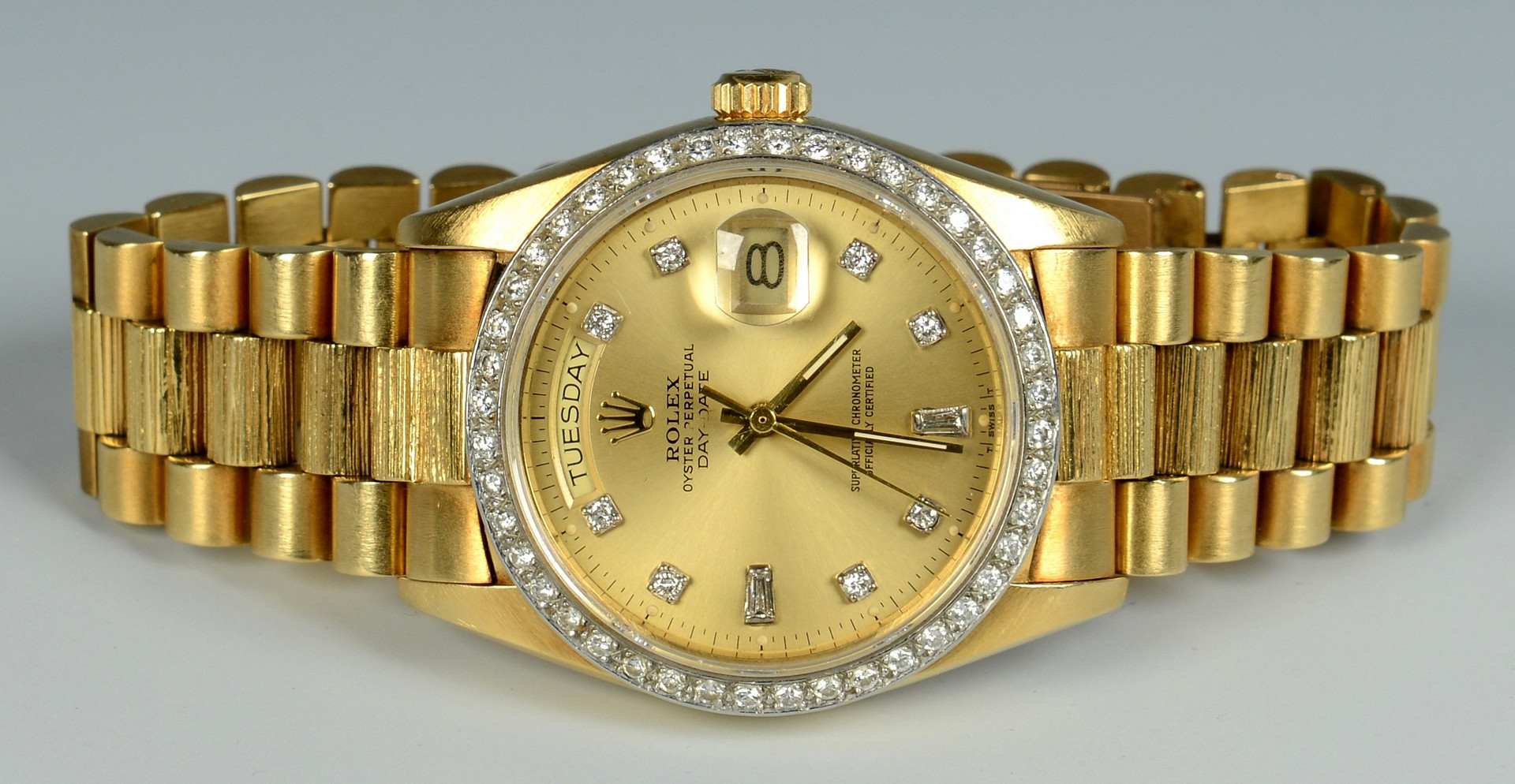
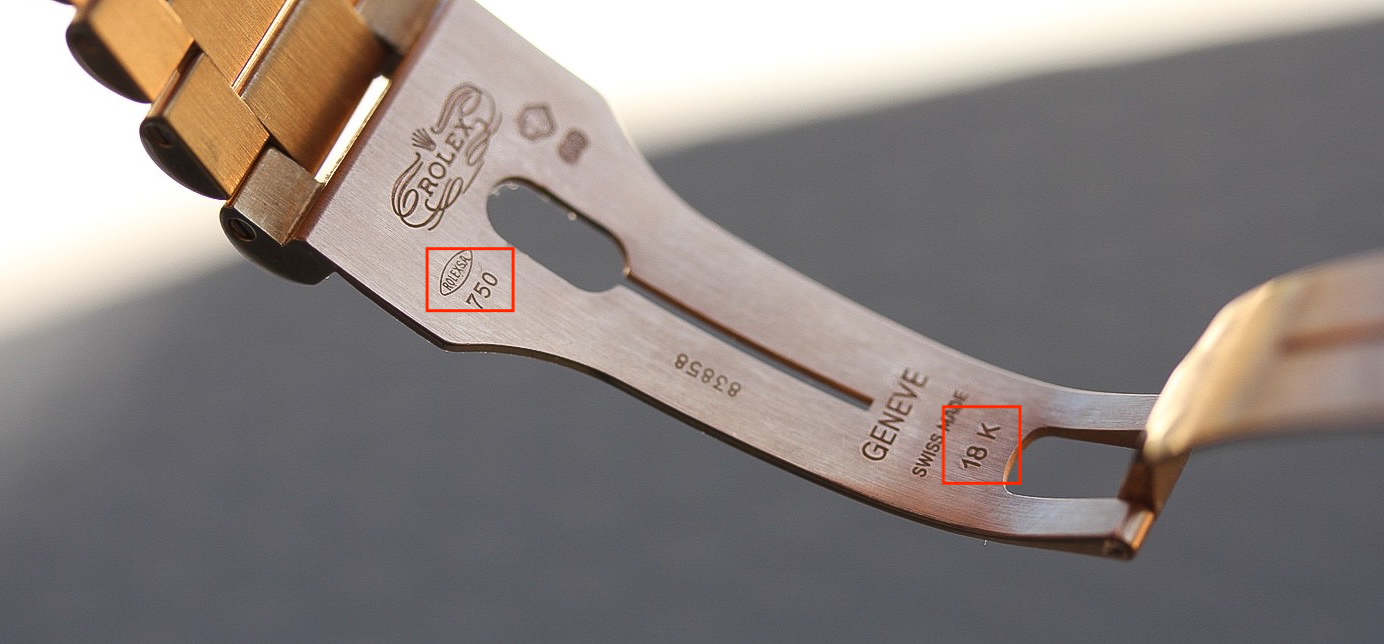
Let’s be real: if you’ve spent more than ten minutes on #WatchTok or any finance-adjacent corner of Twitter (sorry, X), you’ve seen the acronym. It’s in the bio of every self-proclaimed “alpha investor” holding a steel sports watch. It’s the punchline to a million memes about flex culture. And now, it’s the reason your group chat is blowing up because your buddy just bought a "cheap" vintage Rolex and is asking if the clasp is legit. The numbers in question? 18k 750. It sounds like a secret code, a zip code for wealth, or perhaps a new strain of hype-beast sneaker. But when it’s stamped on the underside of a Rolex lug or the fold of a President bracelet, it suddenly becomes the most important four characters in the room—a silent handshake that separates the initiated from the merely curious.
Here’s the ironic twist of the modern luxury economy: we live in an era of hyper-visible branding, where people buy t-shirts with logos the size of dinner plates, yet the ultimate status signal for the cognoscenti is a microscopic stamp that requires a loupe and a steady hand to read. The 18k 750 mark is that quiet flex. It’s the luxury equivalent of a low-key brag in a group chat—you don't shout about your wealth; you just casually mention that the gold is "18 karat, you know, 750 parts per thousand." But why does this matter now? Because the secondary watch market is a cesspool of fakes, and the TikTok generation has decided that authentication is the new sport. We’ve moved from "is it real?" to "let me inspect the hallmarks under a 10x magnification to verify the gold content." It’s forensic, it’s deeply nerdy, and it’s suddenly the most captivating drama on the internet.
But let’s strip away the machismo and the magic. The stamp is literally a purity certificate. 750 signifies that 75% of the metal is pure gold, alloyed with 25% other metals (usually copper, silver, or nickel) to give it strength, because pure 24k gold is softer than a meme about a fragile ego. Rolex uses this specific alloy, and the 18k nomenclature is just the anglicized version of the same metric. It’s a promise of quality, but in the vortex of influencer culture, it’s become a weapon. Everyone is suddenly an expert, squinting at zoomed-in photos of a crown logo and the number 750, ready to call out a "frankenwatch" on sight. It’s high-stakes, high-drama, and the collateral damage is often your self-esteem—or your bank account.
Must Read
The “Gold Standard” of Obsession: Inside the Cult of the Hallmark
The subculture surrounding this tiny etching is a bizarre ecosystem. You have the "Strap Dads" on Reddit who will lecture you for an hour about how the 750 stamp on the clasp of a Jubilee bracelet from 1987 has a slightly different font than one from 1989. And you have the "Flexfluencers" on Instagram who stage photos of their Datejust next to a flat-lay of caviar and a Hermès blanket, making sure the 750 is glinting in the afternoon sun. It’s a weird mix of hardcore metallurgists and vapid consumption, and they are all locked in an eternal war over the "genuine" nature of the gold.
The toxicity ramps up when we discuss the "cost-per-gram" logic. A cynical but popular strain of thought on X argues that you shouldn't buy a new Rolex because the gold value of the 750 metal only accounts for a fraction of the retail price. They treat the watch like a bratty hedge fund manager treats a startup—purely as a speculative asset. This discourse has birthed a thousand "Should I buy a solid gold Rolex or a steel one?" debates, where the answer is always "buy the steel because it holds value," completely ignoring that the 18k gold version is, you know, gold. The internet has managed to suck the romance out of a solid gold watch and turn it into a percentages game, stripping away the artistry and focusing solely on the atomic weight of the metal.
Furthermore, the 750 mark has become the frontline in the war against fakes. In the age of the super-clone—where Chinese factories replicate the movement and the brushing to 99% accuracy—the one thing they struggle to fake perfectly is the depth and finish of the gold hallmarks. So, the culture has shifted to a paranoid state where every owner is a detective. You see grainy videos of people pressing the clasp shut, listening for a "crisp click," then flipping the watch over to check the "750" engraving. It’s become a Pavlovian response. The minute someone posts a Rolex on TikTok, the comments fill with "show the 750" or "stamp check." It’s a toxic, paranoid environment where trust is dead, and only the stamp survives.
How to Flex the 750 Without Losing Your Sanity (or Your Shirt)
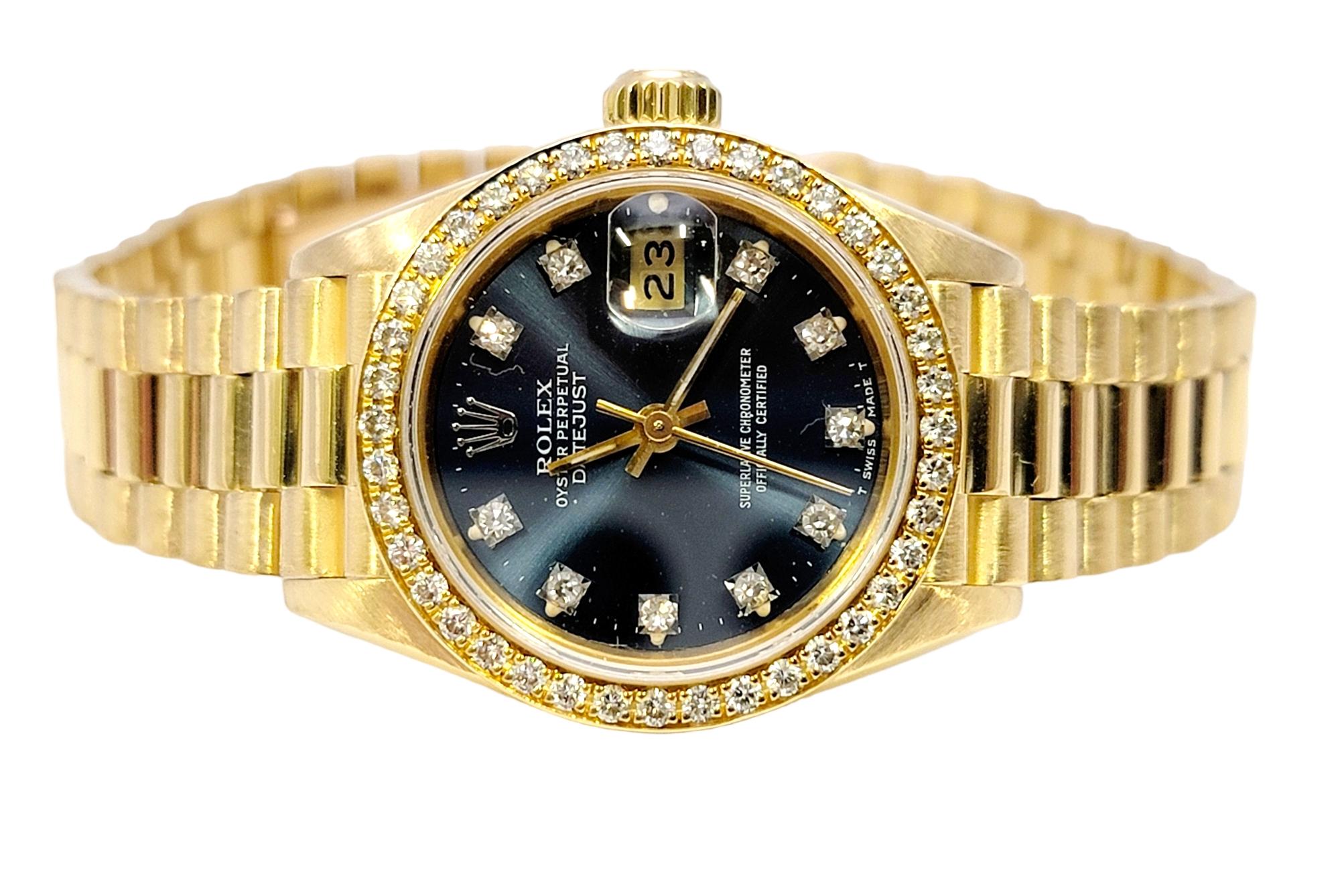
Alright, let’s get pragmatic. You want in on the 18k 750 club? First, stop obsessing over the metal content as a numeric trade-off. If you are buying a Rolex purely for the scrap value of the gold, you are doing it wrong. You are not a commodities trader; you are a person who appreciates the precision of a mechanical movement housed in a corrosion-resistant alloy. The 750 mark is merely the baseline of quality. But if you are buying pre-owned, this is your first line of defense. Do not check just the clasp—check the lugs, the case back (though many are solid), and the crown. A genuine Rolex will have a consistent, sharp stamp, not a blurry laser etching. If the number looks like it was scratched by a hungover intern with a compass, run.
Second, navigate the social media circus with a stiff drink and a sense of humor. When you see someone on YouTube screaming "THIS IS THE BEST 18K WATCH YOU CAN BUY," remember that their revenue depends on your anxiety. The "authenticity" panic is a constructed problem designed to make you buy authentication services and loupes. Yes, you should check the stamps, but at a certain point, you have to trust the seller you choose. Spend your energy researching the seller’s reputation rather than scrutinizing pixel density in a forum post. Your sanity is worth more than the 0.5% difference in the yellow gold tone.
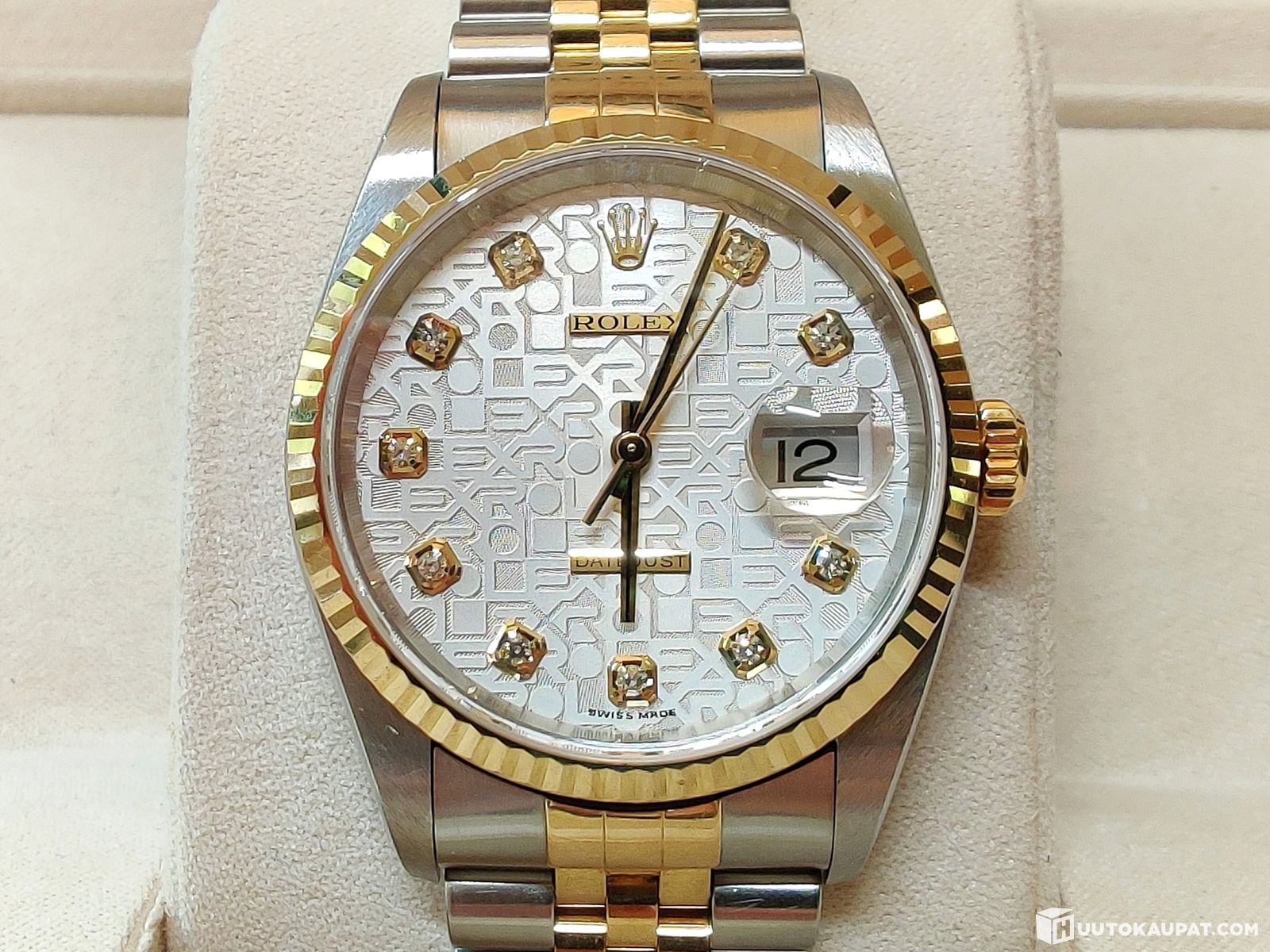
Third, do not fall for the "All Gold Everything" trap. A solid 18k Rolex is heavy—like, "might break your wrist if you try to curl it" heavy. It is also soft. You will scratch it. You will dent it. The "750" on the bracelet will get micro-scratches that purists will say add character, but you will know they were caused by your laptop keyboard. If you’re not ready for that level of wear-and-tear, consider a two-tone or a steel model where the gold is just an accent. The 750 mark exists on those too, so you still get the hype, but you don’t have to treat your watch like a delicate Fabergé egg.
Fourth, and most importantly, know that the "750" does not mean "invincible." It means the gold is pure, but the watch is still a mechanical machine. The internet will have you believe that a gold Rolex is a vault door. It’s not. The seals degrade, the oil dries up, and the metal bends. The 750 stamp is a material property, not a warranty against neglect. Send it for service. The movement inside is the real value, not just the outer shell. Do not cheap out on service to save money for more crypto. The watch will outlive you, but only if you treat the internal mechanics with respect.
Finally, deploy the knowledge for social gain, not just ego. Drop the fact that "750 is equivalent to 18 karats" at a dinner party and watch the eyes glaze over. It’s not a conversational killer; it’s a filter. It signals to other watch nerds that you are "in the know," while simultaneously making normal people slightly uncomfortable with your obsessive detail orientation. Use the term to gatekeep lightly. The goal is to sound informed, not like a chatbot trained on watch forums. And if someone asks you "is it a real Rolex," just raise your wrist, point at the tiny mark, and say, "the math is mathing." That is the ultimate power move.
Your Burning Questions on the 750, Answered with Attitude
Why is it marked "750" instead of just "18k"?
This is the classic internet debate. The short answer is: it’s a European and International standard. The Swiss have historically used the fineness system (parts per thousand), while the US and UK often used the karat system. Rolex, being a Swiss brand, primarily used the 750 hallmark for export to Europe and other global markets, though they also used "18k" for specific regions like the US. Over time, the "750" became the default on many bracelets and cases, especially for the international market. But you’ll see "18k" on some dials or case backs for American market watches. It’s the same metal, just a different translation of the purity.

The reason this matters so much today is that the "750" looks more mysterious and more "European" to the average American consumer, making it a fetish object. It’s a visual que that you are dealing with international luxury, not just a domestic product. Furthermore, the use of 750 is a legal requirement in many countries for hallmarking. So, if you see a Rolex that only says "18k" and lacks the "750," it might be a US-only piece, or it could be a red flag. The debate rages on about which is "more authentic," but the truth is, they are both legitimate hallmarks. The issue is that counterfeiters often get this wrong, using "18k" when they should use "750" and vice versa, which is why the internet sleuths get so excited about it.
Does the "750" stamp on a Rolex guarantee it’s 100% genuine?
The short, brutal answer is no. The "750" is a quality of the metal, not a guarantee of the brand. A high-quality fake can have a perfect "750" stamped into a gold-plated or solid gold case. The stamp alone is not a litmus test for authenticity. The stamp, combined with the way it is applied, is what matters. Rolex uses a specific type of deep pressing or engraving that leaves a distinct shape, often called the "crown" logo surmounting the "750." If the crown looks bubbly or the numbers look too thin, it’s suspicious. But even then, skilled forgers can replicate this.
What the "750" does guarantee, if genuine, is the metal composition. The internet debate usually centers on whether a fake has base metal underneath. You can test this with a gold test kit or an XRF analyzer (but good luck carrying that to a nightclub). The true vetting process involves opening the case and examining the movement, which is where the "750" mark fails as a sole identifier. The movement is the heart, and the case is just the shell. So, while the "750" is a green flag, it’s not the finish line. It’s the appetizer, not the main course. Trust but verify with a reliable watchmaker, not just your own eyes.
Can I wear an 18k 750 Rolex in the gym or while swimming?
No. Stop it. Just stop. This is the most viral debate on TikTok right now—jackals in gym shorts wearing 40k watches while deadlifting. The "750" means the gold is soft. At 18k, the alloy has a decent balance of durability, but it is still prone to scratching and bending under high impact. The clasp, which is often the most vulnerable part, can deform if you clang it against a dumbbell. The internet loves to show off "daily wear" scratches as a badge of honor, but there’s a difference between normal wear and destroying your investment because you wanted to look cool at the squat rack.
Regarding swimming, it’s about the seals, not the gold. The gold will be fine with water; the gaskets won't. Water resistance degrades over time, and the "750" stamp does not make you immune to humidity. That said, chlorine is harsh on the metal, and saltwater can accelerate the wear on the 18k finish. So, if you’re on a yacht, take it off before you dive. The "750" is for flexing at the bar, not for cannonballs. The culture desperately wants you to believe these are "tools" that can take a beating. They are jewelry that tells time. Treat them as such, or you will be making a very expensive trip to the watchmaker to have the "750" re-stamped after a repair. Boring, right?
Looking at the landscape, is the "18k 750" obsession a fleeting meme or a structural shift? I’d argue it’s the latter, but for unexpected reasons. It’s not just about Rolex; it’s about the broader trend of hyper-auditing in the luxury market. Consumers are tired of being duped by "influencer deals" and are retreating into hard, verifiable facts. The "750" is a physical, immutable fact. It’s a reaction to the fluff of the creator economy. As long as luxury goods have a counterfeiting problem, the demand for metallurgical proof will remain. It’s a permanent feature of watch collecting now—a rite of passage to understand the alchemy of the alloy.
But perhaps the fad aspect is the fetishization of the number itself. We are treating "750" like it’s a secret password, but it’s really just a percentage. The trend will eventually cool down as the hype cycle moves to the next micro-detail—maybe the "BR" for the bracelet code, or the specific type of crown used on the crown. Yet, the fundamental need to understand what you’re wearing won’t fade. So, own your 750 with pride, but remember: the gold is just the packaging. The true luxury is the ability to wear a piece of precision engineering without letting the noise of the internet dictate your happiness. That, my friend, is worth more than its weight in gold.