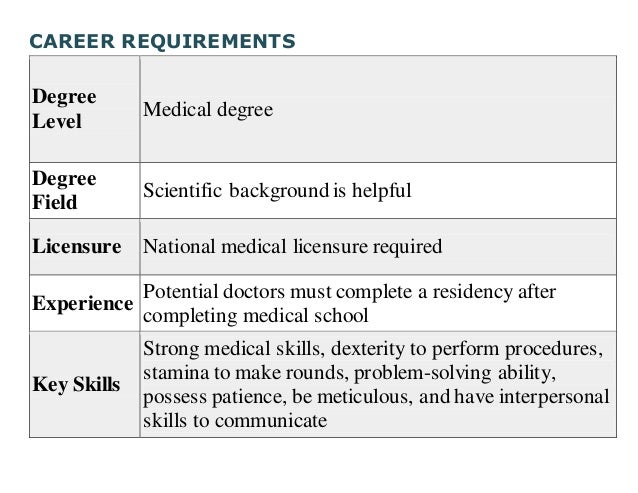
What Do U Have To Do To Be A Doctor
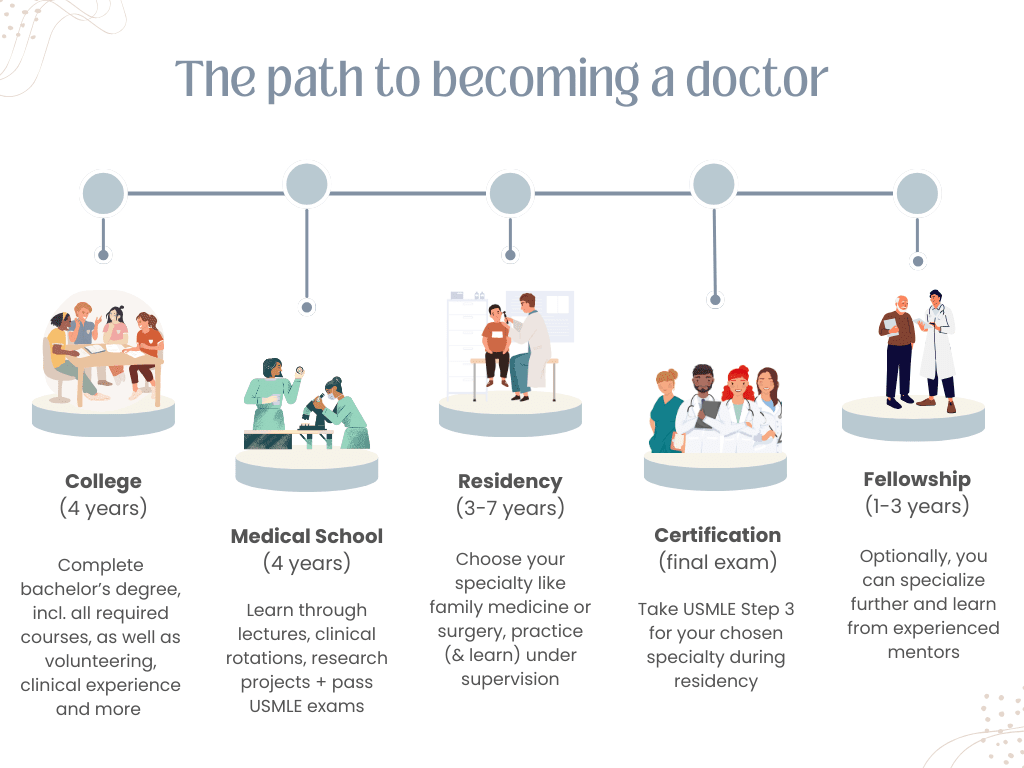
So, you’ve got that nagging thought in the back of your mind—the one that whispers, “What if I became a doctor?” Maybe you’ve binged every medical drama on Netflix, or perhaps you just really like the idea of knowing exactly what a spleen does. It’s a big question, right? Let’s break it down without the scary pre-med jargon, because honestly, the path is long but not as mystical as people make it sound.
The Epic (But Doable) Timeline
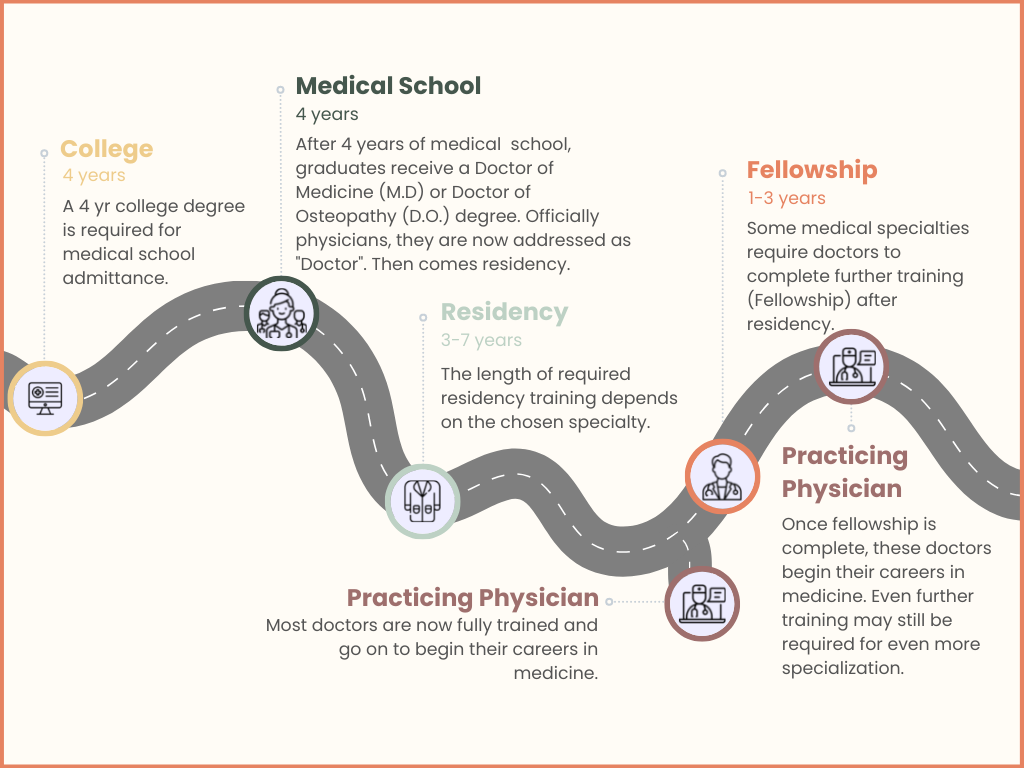
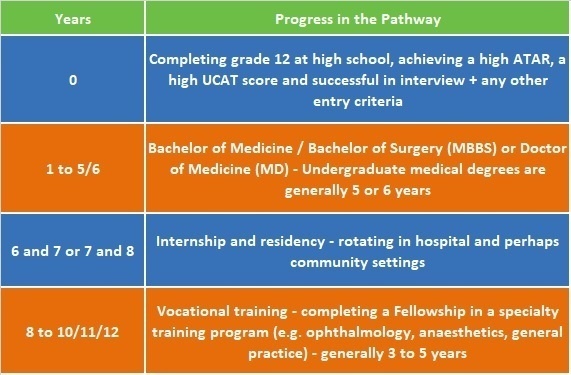
First off, forget the idea that you’ll be saving lives by Friday. The whole journey is a marathon, not a sprint—think of it like leveling up in a video game, but with more coffee and fewer respawns. You’re looking at roughly 11 to 14 years of training after high school. That sounds insane, but you don’t do it all at once; you do it in chunks.
Step One: College, But Make It Sciencey
This is your “pre-med” phase, which is just a fancy way of saying you need to take biology, chemistry, and physics. You don’t actually have to major in science—you can major in art history and still get in, as long as you tick those prerequisite boxes. The real goal here is to keep your GPA high and figure out if you can handle memorizing the Krebs cycle without crying. It’s basically a four-year test of your stamina for boring but crucial details.
Must Read
Step Two: The MCAT—Your Ticket to Fun
After college, you sit for the MCAT, a marathon exam that feels like a cross between a logic puzzle and a pop quiz on everything you’ve ever learned. It’s not about being a genius; it’s about being consistent and practicing like it’s your part-time job. Think of it as the “boss level” of undergraduate life, but instead of a sword, you have a No. 2 pencil.
Medical School: The Real Hogwarts
Once you’re in med school, you spend the first two years buried in lectures and labs, learning how the body works (and breaks). Then comes the fun part: your clinical rotations. This is where you finally put on the white coat and follow real doctors around, smelling like hand sanitizer 24/7. You’ll rotate through surgery, pediatrics, psychiatry—the whole buffet—to see what actually doesn’t gross you out.
Here’s the kicker: you’ll get to deliver a baby or stitch up a wound during rotations. That’s not a drill. You’ll do it with a resident hovering over you, but you’ll do it. It’s terrifying and amazing in equal measure, like skydiving, but with a stethoscope.
The Residency Marathon (And a Fellowship)
Graduating from med school gives you the “MD” title, but you’re not fully independent yet—now comes residency. This is a 3 to 7 year period where you work 80-hour weeks, learn on the job, and live off vending machine snacks. You’re basically an apprentice who’s legally allowed to make decisions, but you still call your senior if things get hairy.
Want to be a heart surgeon? That’s a 6-year residency plus a 2-year fellowship. Want to be a family doc? You might be done in 3 years. The beauty is that you get to choose your own adventure, and after that, you take a board exam and finally get to hang your shingle.
Why It’s Actually Cool (Not Just Exhausting)
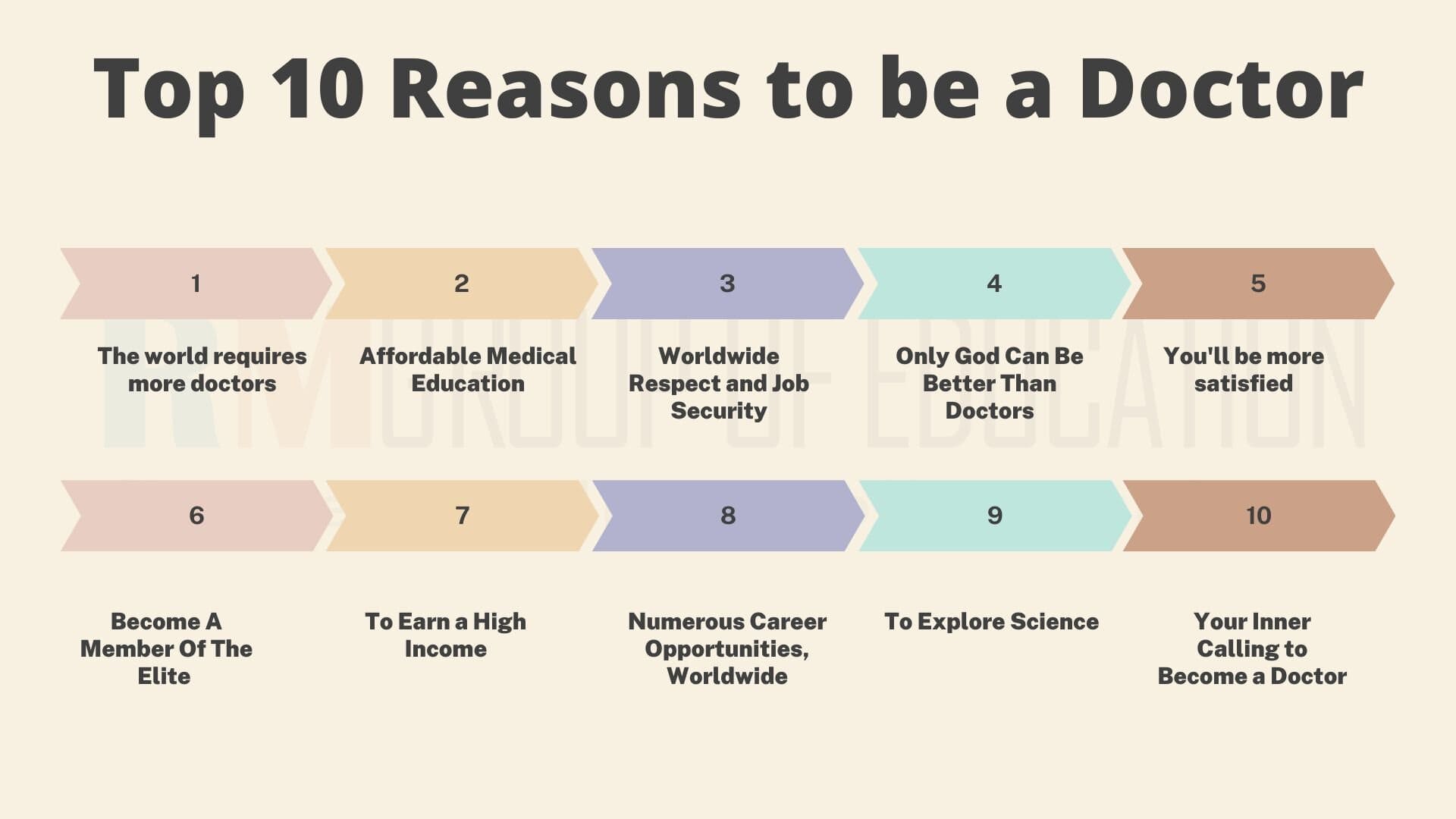
So, why do this to yourself? Because you get to be a professional detective, piecing together symptoms to find the culprit. You’ll have moments where you calm someone who’s terrified, and that alone feels like a superpower. And let’s be honest—the job security is nice, even if the sleep schedule during training is tragic.
Being a doctor isn’t about being the smartest person in the room; it’s about being curious and kind enough to keep going when you mess up. The path is long, but it’s also a series of tiny, satisfying wins, like your first successful IV or the first time a patient says, “Thank you, doc.” That feeling? Totally worth the 14-year detour. So, ready to hit the books?

![How to Become a Doctor UK [2024 update] - Study Medicine Europe](https://www.studymedicineeurope.com/wp-content/uploads/2019/04/what-are-the-steps-to-become-a-doctor-in-the-UK.jpg)

:max_bytes(150000):strip_icc()/doctor-career-information-526008-edit-6d1c0fe2c1ea46fd801f8a8f804763ab.jpg)