What Are The Requirements For Becoming A Paralegal
Have you ever found yourself binge-watching Suits or Law & Order, thinking, "I could totally be a paralegal"? Well, it's not just about looking good in a suit or being able to quote law jargon - there are actual requirements to become a paralegal. In this article, we'll break down what it takes to join the ranks of these legal heroes.
Education and Training
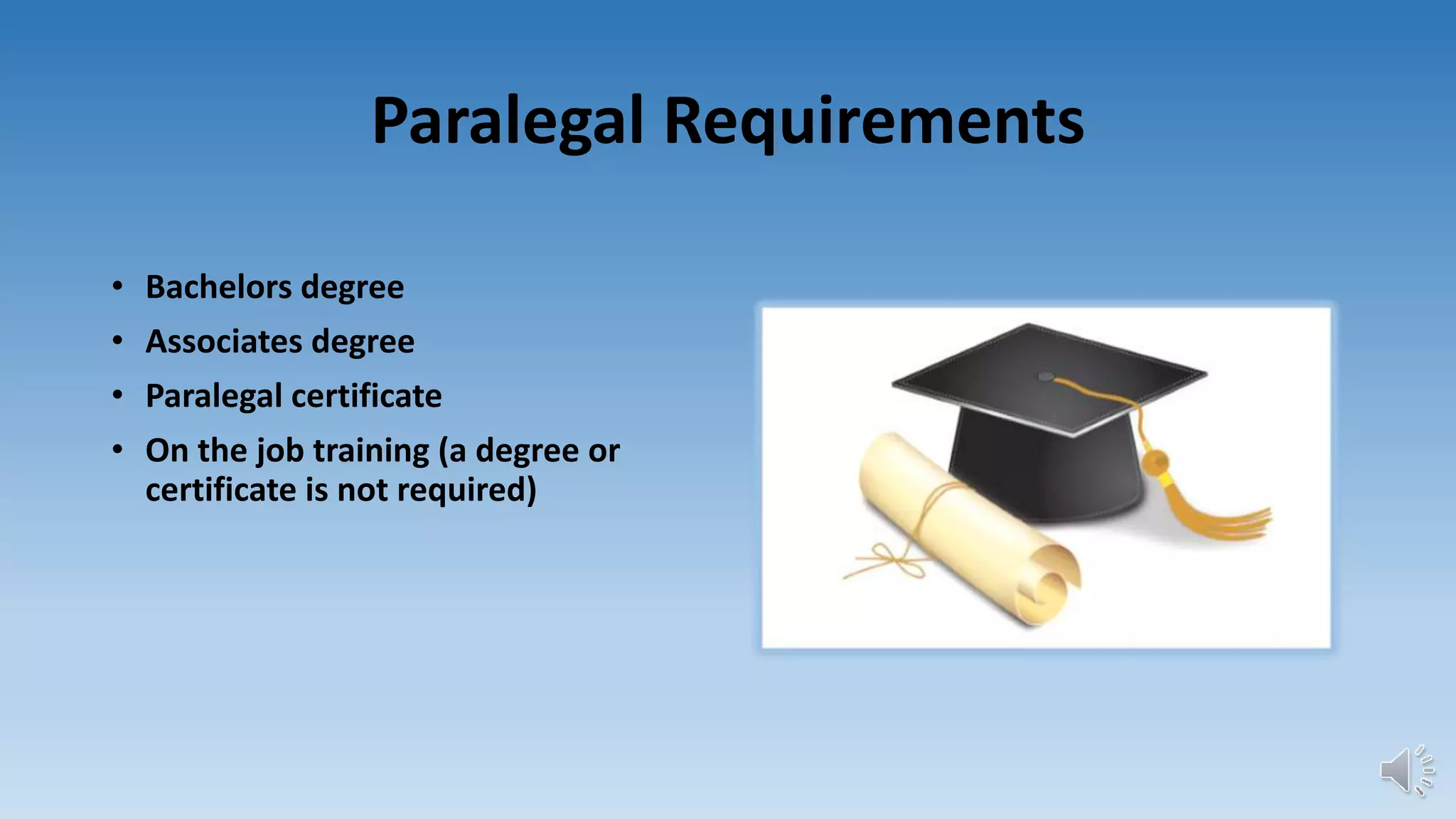
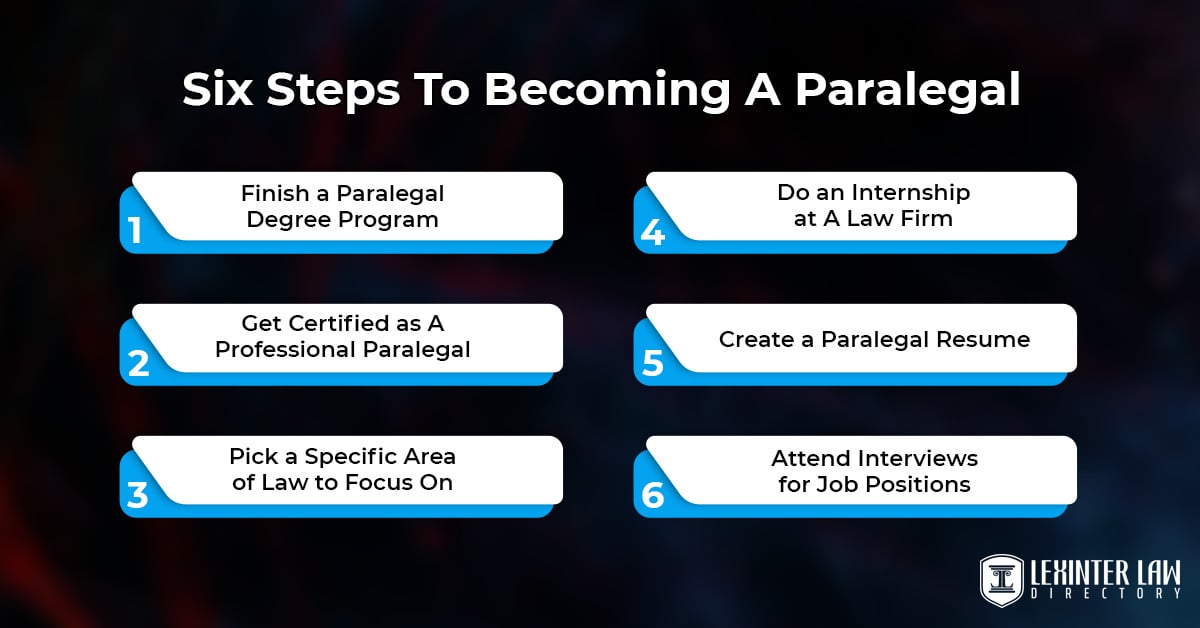
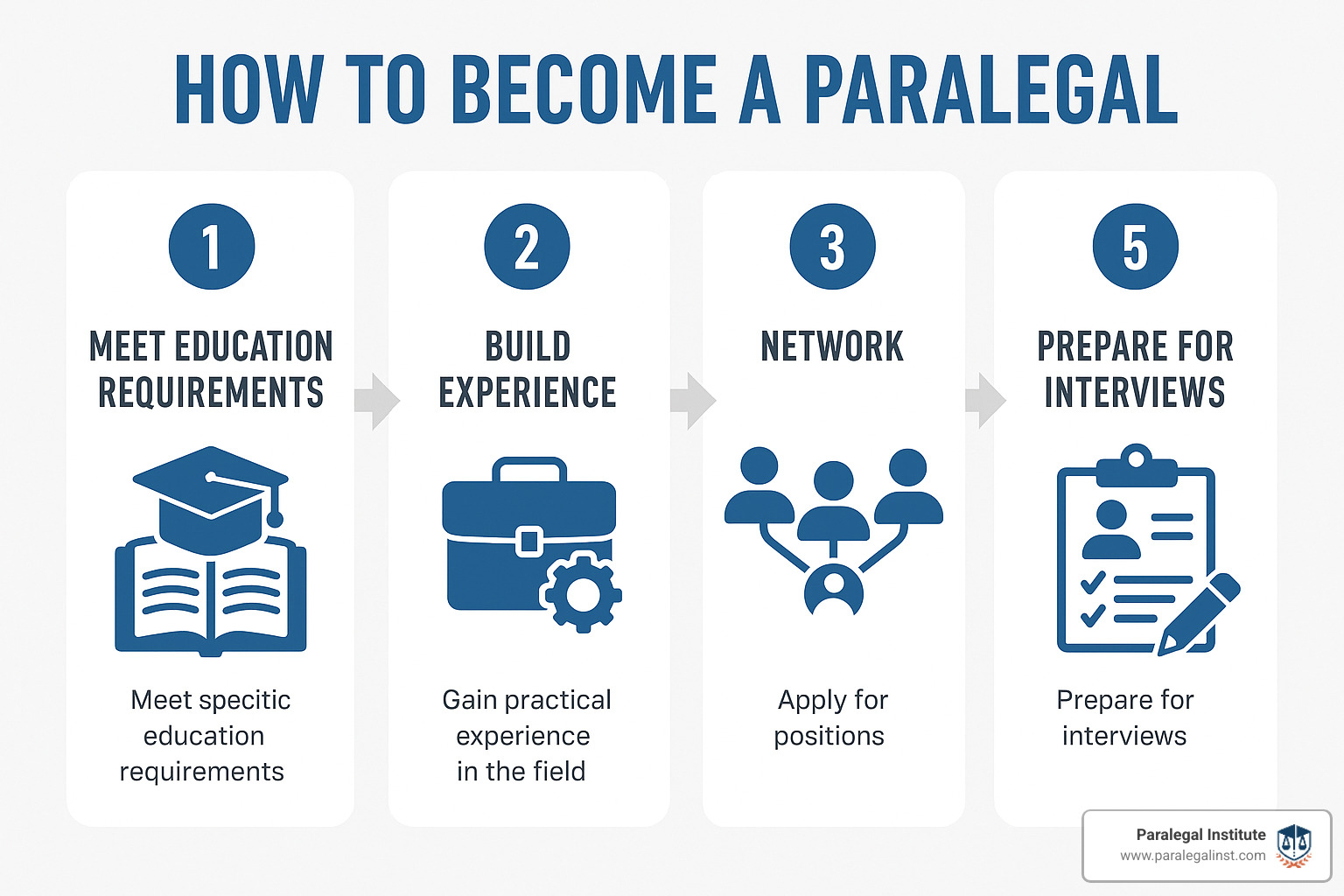
A post-secondary certificate or degree in paralegal studies is usually the first step to becoming a paralegal. These programs can be found at community colleges, universities, or online, and typically take two years to complete. During this time, you'll learn about contract law, tort law, and other fundamental principles of law.
In addition to formal education, many paralegals also complete an internship to gain hands-on experience in a law firm or legal department. This is a great way to build connections, learn from experienced paralegals, and get a feel for what the job is really like. Plus, it looks great on a resume!
Must Read
Key Skills and Qualities
So, what makes a great paralegal? For starters, you'll need excellent communication skills to work effectively with lawyers, clients, and other stakeholders. You'll also need to be highly organized and able to manage multiple tasks and deadlines at once. And, of course, a keen eye for detail is essential in this line of work.
But it's not all about technical skills - paralegals also need to be empathetic and understanding when working with clients who may be going through a tough time. Think about it like being a legal therapist - you need to be able to listen, advise, and support people through some of the most challenging moments of their lives.

Certification and Specialization
In the US, paralegals can obtain certification through organizations like the National Association of Legal Assistants (NALA) or the National Federation of Paralegal Associations (NFPA). This can be a great way to demonstrate your expertise and commitment to the field. Some paralegals also choose to specialize in areas like corporate law, intellectual property, or family law.
Specializing can be a great way to stand out in a competitive job market and increase your earning potential. For example, corporate paralegals can earn upwards of $80,000 per year, while intellectual property paralegals can earn even more. Not bad for a career that's all about helping others navigate the complex world of law!

Day-to-Day Life as a Paralegal
So, what does a typical day look like for a paralegal? It might involve conducting research for a case, drafting documents, or preparing court filings. You might also spend time communicating with clients, managing files, or assisting with trial preparation. It's a varied and often fast-paced job that requires a unique blend of technical skills, attention to detail, and people skills.
One of the best things about being a paralegal is the sense of satisfaction you get from knowing you're making a real difference in people's lives. Whether you're helping a family navigate a difficult divorce or assisting a business with a complex contract, you know that your work is having a direct impact on their well-being and success.
Final Thoughts
In the end, becoming a paralegal requires a combination of education, training, and dedication. It's not always easy, but for those who are passionate about law and eager to make a difference, it can be an incredibly rewarding career. As the great lawyer and jurist Ruth Bader Ginsburg once said, "Real change, enduring change, happens one step at a time." For paralegals, that first step might just be the start of an amazing journey.
So, the next time you're binge-watching your favorite law drama, remember that the paralegals behind the scenes are the real superheroes. And who knows - maybe one day you'll join their ranks and become a legal hero in your own right. After all, as the saying goes, "with great power comes great responsibility" - and paralegals are certainly up to the task.