What Are The Phases Of Basic Training

Basic training, also known as boot camp, is a rigorous and transformative process that has been a cornerstone of military life for centuries. The concept of basic training has its roots in ancient civilizations, where young warriors would undergo intense physical and mental conditioning to prepare for battle. Today, basic training remains an essential part of military service, pushing recruits to their limits and shaping them into capable and resilient soldiers. Despite its tough reputation, basic training is not just about breaking individuals down, but also about building them up, fostering a sense of camaraderie, and instilling the values of discipline, hard work, and teamwork.
The history of basic training is a rich and fascinating one, with its fair share of dark moments and fun facts. From the grueling obstacle courses of the ancient Greeks to the brutal boot camps of modern times, basic training has evolved significantly over the years, reflecting the changing needs of warfare and the societal values of the time. Yet, despite these changes, the core principles of basic training have remained remarkably consistent, with a focus on physical fitness, mental toughness, and esprit de corps. As we explore the phases of basic training, we will delve into the lesser-known aspects of this transformative process, examining its psychological and cultural implications, as well as its practical applications in modern life.
Introduction to Basic Training
Basic training typically lasts for several weeks or months, depending on the country and branch of service. During this period, recruits undergo a series of challenging physical and mental tests, designed to push them to their limits and beyond. From the early morning reveille to the late-night tattoo, every moment of the recruit's day is carefully scripted, with a focus on discipline, obedience, and teamwork. As they navigate the obstacles of basic training, recruits are constantly reminded of the importance of perseverance, adaptability, and esprit de corps.
Must Read
One of the most fascinating aspects of basic training is its ability to break down individual barriers and build up a sense of collective identity. Through shared struggles and collective accomplishments, recruits form strong bonds with their fellow trainees, bonds that often last a lifetime. This process of group formation is a critical aspect of basic training, as it helps to foster a sense of belonging, loyalty, and camaraderie among team members. As we explore the phases of basic training, we will examine the psychological and sociological factors that contribute to this process, including the role of leadership, peer pressure, and rituals.
Despite its tough reputation, basic training is not just about hardening individuals, but also about transforming them. Through a combination of physical challenges, mental conditioning, and emotional support, basic training helps recruits to develop the skills, confidence, and resilience they need to succeed in their military careers. As they progress through the phases of basic training, recruits are constantly reminded of the importance of self-improvement, teamwork, and adversity, values that serve them well not just in the military, but also in their personal and professional lives.
The Phases of Basic Training
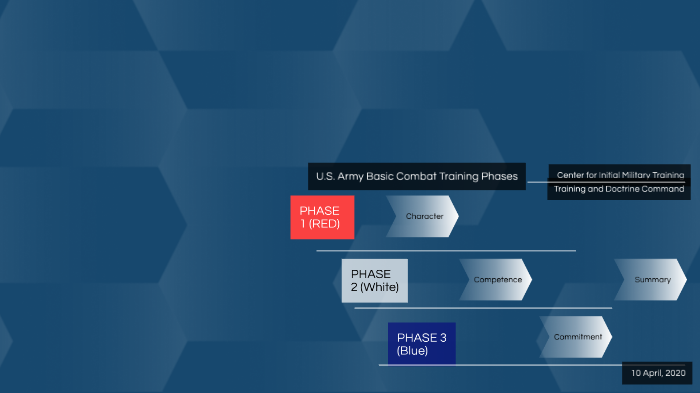
The phases of basic training are carefully designed to simulate the stresses and challenges of military life, while also providing recruits with the skills and knowledge they need to succeed. From the initial reception to the final graduation, each phase of basic training is tailored to meet the unique needs of the recruit, with a focus on physical fitness, mental toughness, and emotional resilience. As we explore the phases of basic training, we will examine the specific challenges and opportunities of each phase, including the role of drill instructors, team-building exercises, and skills training.
One of the most critical phases of basic training is the initial reception, where recruits are first introduced to the military way of life. During this phase, recruits are processed into the military system, receiving their uniforms, equipment, and initial training. This phase is often marked by a sense of disorientation and uncertainty, as recruits struggle to adapt to the strict rules and routines of military life. As they navigate this challenging phase, recruits are constantly reminded of the importance of obedience, discipline, and attention to detail.
:max_bytes(150000):strip_icc()/surviving-air-force-basic-training-3331746-v5-5b74a555c9e77c0025331441.png)
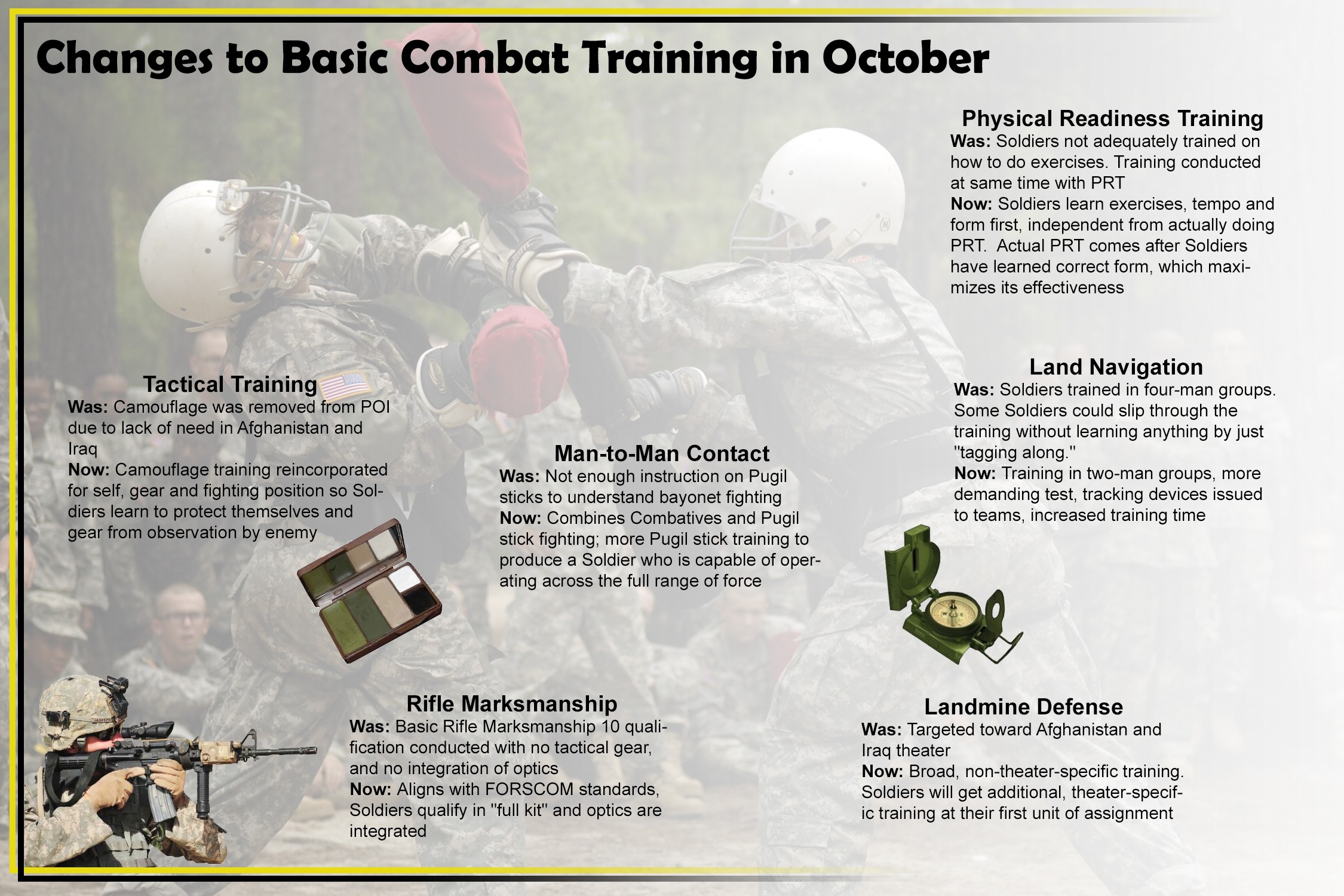
Another critical phase of basic training is the field training exercise, where recruits are immersed in a simulated combat environment. During this phase, recruits are tested on their skills, knowledge, and teamwork, as they navigate obstacle courses, tactical exercises, and first aid training. This phase is often marked by a sense of exhilaration and accomplishment, as recruits overcome challenges and achieve their goals. As they progress through this phase, recruits are constantly reminded of the importance of adaptability, initiative, and esprit de corps.
As recruits progress through the phases of basic training, they are constantly evaluated and assessed, with a focus on their physical fitness, mental toughness, and emotional resilience. Through a combination of Written exams, practical tests, and peer reviews, recruits are encouraged to reflect on their strengths and weaknesses, setting goals for self-improvement and personal growth. As they approach the final phase of basic training, recruits are filled with a sense of pride and accomplishment, knowing that they have overcome the challenges of basic training and are ready to embark on their military careers.
Applying the Lessons of Basic Training
The lessons of basic training are highly relevant to modern life, with a focus on self-improvement, teamwork, and adversity. Whether in the military, business, or personal life, the skills and values learned in basic training can be applied to achieve success and overcome challenges. As we explore the practical applications of basic training, we will examine the role of leadership, communication, and problem-solving in achieving our goals.
One of the most critical lessons of basic training is the importance of resilience and adaptability. In a rapidly changing world, individuals must be able to adapt quickly to new situations, challenges, and technologies. Through the phases of basic training, recruits learn to be flexible and resourceful, using their skills and knowledge to overcome obstacles and achieve their goals. As they apply these lessons to their personal and professional lives, individuals can develop the confidence and competence they need to succeed.
Another critical lesson of basic training is the importance of teamwork and collaboration. In a world where globalization and technological change are increasingly prevalent, individuals must be able to work effectively with others to achieve their goals. Through the phases of basic training, recruits learn to be cooperative and supportive, using their skills and knowledge to help their teammates succeed. As they apply these lessons to their personal and professional lives, individuals can develop the networks and relationships they need to achieve their goals.
As we reflect on the lessons of basic training, it is clear that they have a profound impact on our daily lives and human nature. By learning to be resilient, adaptable, and cooperative, individuals can develop the skills and values they need to succeed in a rapidly changing world. Whether in the military, business, or personal life, the lessons of basic training can be applied to achieve success, overcome challenges, and build strong relationships with others.
Frequently Asked Questions
What is the purpose of basic training?
The purpose of basic training is to transform individuals into capable and resilient soldiers, equipped with the skills, knowledge, and values they need to succeed in their military careers. Through a combination of physical challenges, mental conditioning, and emotional support, basic training helps recruits to develop the confidence, competence, and esprit de corps they need to overcome the challenges of military life. As they progress through the phases of basic training, recruits are constantly reminded of the importance of self-improvement, teamwork, and adversity, values that serve them well not just in the military, but also in their personal and professional lives.
The purpose of basic training is not just about hardening individuals, but also about transforming them. Through a combination of physical and mental challenges, basic training helps recruits to develop the skills, knowledge, and values they need to succeed in their military careers. As they apply these lessons to their personal and professional lives, individuals can develop the confidence and competence they need to achieve their goals and overcome challenges.
What are the different phases of basic training?
The different phases of basic training are carefully designed to simulate the stresses and challenges of military life, while also providing recruits with the skills and knowledge they need to succeed. From the initial reception to the final graduation, each phase of basic training is tailored to meet the unique needs of the recruit, with a focus on physical fitness, mental toughness, and emotional resilience. As we explore the phases of basic training, we will examine the specific challenges and opportunities of each phase, including the role of drill instructors, team-building exercises, and skills training.
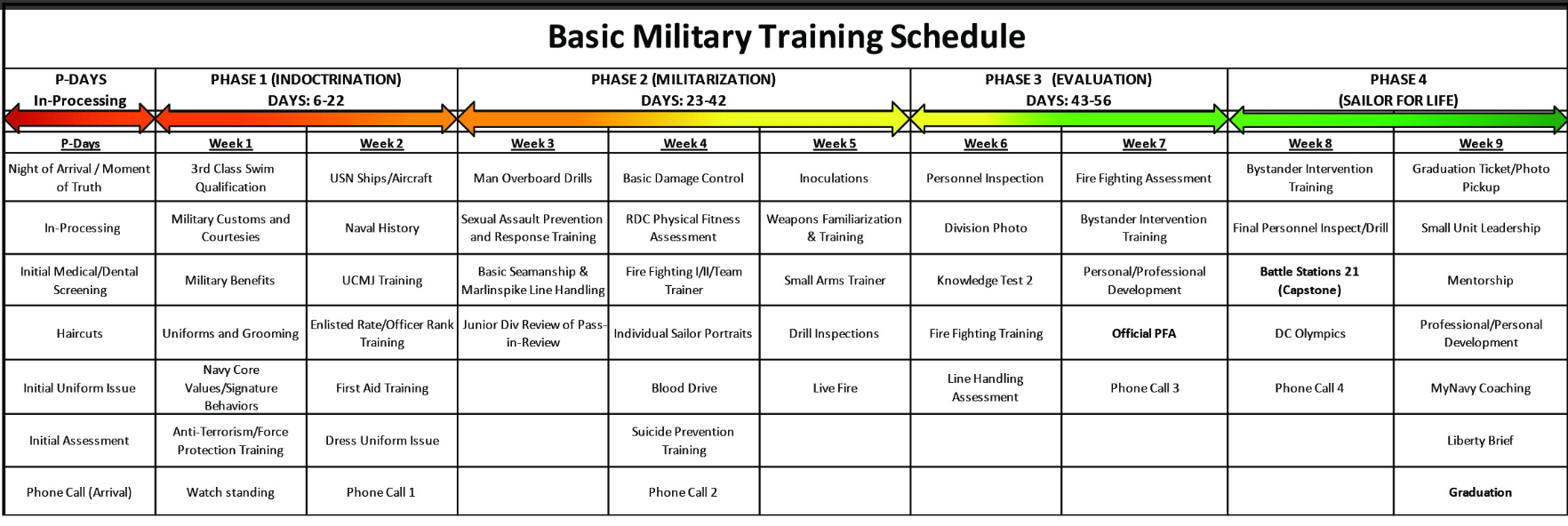
The phases of basic training are highly structured and carefully sequenced, with a focus on building the skills, knowledge, and values that recruits need to succeed in their military careers. As they progress through the phases of basic training, recruits are constantly evaluated and assessed, with a focus on their physical fitness, mental toughness, and emotional resilience. Through a combination of Written exams, practical tests, and peer reviews, recruits are encouraged to reflect on their strengths and weaknesses, setting goals for self-improvement and personal growth.
How long does basic training typically last?
Basic training typically lasts for several weeks or months, depending on the country and branch of service. During this period, recruits undergo a series of challenging physical and mental tests, designed to push them to their limits and beyond. From the early morning reveille to the late-night tattoo, every moment of the recruit's day is carefully scripted, with a focus on discipline, obedience, and teamwork. As they navigate the obstacles of basic training, recruits are constantly reminded of the importance of perseverance, adaptability, and esprit de corps.
The duration of basic training can vary significantly, depending on the specific needs and requirements of the military service. In some cases, basic training may last for just a few weeks, while in other cases it may last for several months. As recruits progress through the phases of basic training, they are constantly evaluated and assessed, with a focus on their physical fitness, mental toughness, and emotional resilience. Through a combination of Written exams, practical tests, and peer reviews, recruits are encouraged to reflect on their strengths and weaknesses, setting goals for self-improvement and personal growth.
What are the benefits of basic training?
The benefits of basic training are numerous and well-documented, with a focus on self-improvement, teamwork, and adversity. Through the phases of basic training, recruits develop the skills, knowledge, and values they need to succeed in their military careers, including physical fitness, mental toughness, and emotional resilience. As they apply these lessons to their personal and professional lives, individuals can develop the confidence and competence they need to achieve their goals and overcome challenges.
The benefits of basic training extend far beyond the military, with a focus on personal growth, self-awareness, and emotional intelligence. Through the phases of basic training, recruits develop a deeper understanding of themselves and their place in the world, including their strengths, weaknesses, and values. As they navigate the challenges of basic training, recruits are constantly reminded of the importance of resilience, adaptability, and cooperation, values that serve them well in all aspects of their lives.

Can basic training be applied to civilian life?
Yes, the lessons of basic training can be applied to civilian life, with a focus on self-improvement, teamwork, and adversity. Whether in the military, business, or personal life, the skills and values learned in basic training can be used to achieve success and overcome challenges. As we explore the practical applications of basic training, we will examine the role of leadership, communication, and problem-solving in achieving our goals.
The lessons of basic training are highly relevant to modern life, with a focus on resilience, adaptability, and cooperation. Through the phases of basic training, recruits develop the skills, knowledge, and values they need to succeed in a rapidly changing world, including physical fitness, mental toughness, and emotional resilience. As they apply these lessons to their personal and professional lives, individuals can develop the confidence and competence they need to achieve their goals and overcome challenges.
As we reflect on the phases of basic training, it is clear that they have a profound impact on our daily lives and human nature. By learning to be resilient, adaptable, and cooperative, individuals can develop the skills and values they need to succeed in a rapidly changing world. Whether in the military, business, or personal life, the lessons of basic training can be applied to achieve success, overcome challenges, and build strong relationships with others.
The connections between basic training and human nature are complex and multifaceted, reflecting the deepest aspects of our psyche and behavior. Through the phases of basic training, recruits are forced to confront their fears, weaknesses, and limitations, developing a deeper understanding of themselves and their place in the world. As they navigate the challenges of basic training, recruits are constantly reminded of the importance of self-awareness, emotional intelligence, and personal growth, values that serve them well in all aspects of their lives.
In conclusion, the phases of basic training are a powerful and transformative process, designed to push individuals to their limits and beyond. Through a combination of physical challenges, mental conditioning, and emotional support, basic training helps recruits to develop the skills, knowledge, and values they need to succeed in their military careers. As we apply the lessons of basic training to our daily lives and human nature, we can develop the confidence and competence we need to achieve our goals, overcome challenges, and build strong relationships with others.