What Are The Erogenous Zones

The human body is a complex and fascinating entity, with various systems and mechanisms working together to create the experience of life. One of the most interesting and often misunderstood aspects of human biology is the concept of erogenous zones. These are areas of the body that are highly sensitive to touch and can elicit a strong emotional and physical response. In this article, we will delve into the world of erogenous zones, exploring the science behind them and providing practical tips and strategies for optimization.
At its core, the concept of erogenous zones is rooted in neurobiology and the way that our brains process sensory information. When we experience touch or other forms of stimulation, it sends signals to our brain, which interprets these signals and creates a response. In the case of erogenous zones, the brain is wired to respond more strongly to stimulation in these areas, releasing endorphins and other chemicals that create feelings of pleasure and relaxation. This response is closely tied to the limbic system, which is responsible for emotion, motivation, and memory.
Despite their importance, erogenous zones are often misunderstood or overlooked. Many people are unaware of the full range of erogenous zones that exist on the human body, or how to properly stimulate them. This can lead to a lack of intimacy and connection in relationships, as well as a general sense of frustration and disatisfaction. By understanding the science behind erogenous zones and learning how to optimize them, individuals can take a major step towards improving their overall quality of life.
Must Read
Understanding Erogenous Zones
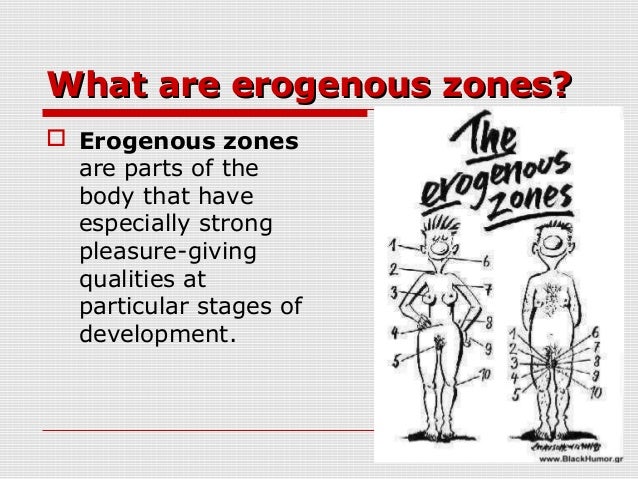
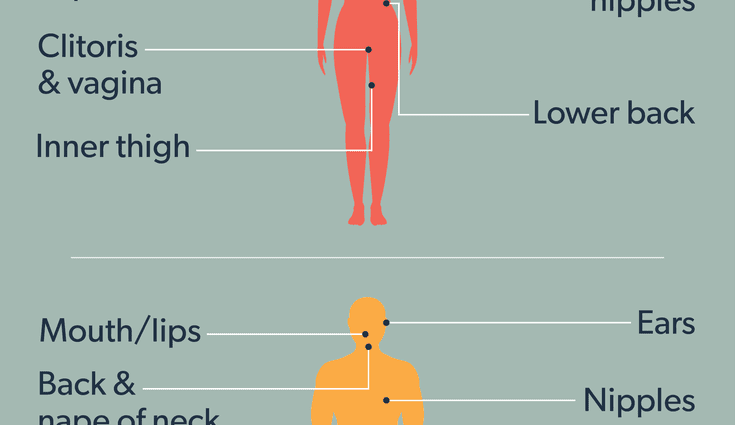
So, what exactly are erogenous zones, and how do they work? In simple terms, an erogenous zone is any area of the body that is capable of producing a strong emotional or physical response when stimulated. This can include areas such as the genitals, breasts, and buttocks, as well as less obvious areas like the neck, ears, and inner thighs. Each of these areas has a unique neurological profile, with different types and densities of nerve endings that contribute to their sensitivity.
One of the key factors that determines the sensitivity of an erogenous zone is the presence of nociceptors and mechanoreceptors. These are specialized nerve endings that are responsible for detecting pain, pressure, and vibration, and play a crucial role in the transmission of sensory information to the brain. In erogenous zones, these nerve endings are often more densely packed, allowing for a greater range of sensation and response.
In addition to the neurological factors, erogenous zones are also influenced by hormonal and psychological factors. For example, the release of oxytocin and vasopressin during physical intimacy can strengthen emotional bonds and create feelings of attachment. Similarly, the anticipation and expectation of pleasure can heighten the sensitivity of erogenous zones, making them more responsive to stimulation.
Optimizing Erogenous Zones
Now that we have a better understanding of the science behind erogenous zones, let's talk about how to optimize them. One of the most effective strategies is to communicate openly with your partner about your desires and preferences. This can help to build trust and intimacy, and ensure that both parties are on the same page. Additionally, exploring different types of touch can help to identify the most sensitive areas and create a more nuanced and satisfying experience.
Another key strategy is to pay attention to the environment and create a comfortable and relaxing atmosphere. This can include factors such as lighting, temperature, and music, all of which can contribute to a sense of calm and well-being. By optimizing the environment, individuals can help to reduce stress and anxiety, and create a more receptive state for physical intimacy.
In terms of specific techniques, massage and foreplay are two of the most effective ways to stimulate erogenous zones. By using gentle, flowing motions and varying levels of pressure, individuals can help to build tension and create a sense of anticipation. Additionally, experimenting with different sensations, such as texture and temperature, can help to keep things interesting and prevent boredom.
Finally, it's worth noting that self-exploration and self-care are essential for optimizing erogenous zones. By taking the time to understand your own body and what works best for you, individuals can develop a greater sense of confidence and self-awareness. This can include practices such as masturbation, meditation, and yoga, all of which can help to cultivate a deeper sense of connection and understanding.
Frequently Asked Questions
What are the most sensitive erogenous zones on the body?
The most sensitive erogenous zones on the body are often a matter of personal preference, but some of the most common areas include the clitoris, g-spot, and prostate. These areas are highly concentrated with nerve endings and are capable of producing intense pleasure and sensation. However, it's worth noting that every person is unique, and what works best for one individual may not work for another.
In addition to these areas, there are many other erogenous zones that can be sensitive and responsive to touch. These include the neck, ears, and inner thighs, as well as the buttocks and breasts. By exploring different types of touch and sensations, individuals can help to identify the most sensitive areas and create a more satisfying experience.
How can I communicate my desires and preferences to my partner?
Communicating your desires and preferences to your partner can be a challenging but ultimately rewarding experience. One of the most effective strategies is to be open and honest, and to use specific language to describe what you like and don't like. This can help to avoid confusion and ensure that both parties are on the same page.
In addition to verbal communication, non-verbal cues such as body language and facial expressions can also be effective. By paying attention to these cues and responding in kind, individuals can help to create a sense of mutual understanding and respect.
What is the role of hormones in physical intimacy?
Hormones play a crucial role in physical intimacy, and can have a significant impact on the experience of pleasure and connection. Oxytocin and vasopressin are two of the most important hormones involved in physical intimacy, and are often referred to as the "love hormones". These hormones are released during physical touch and intimacy, and can help to strengthen emotional bonds and create feelings of attachment.
In addition to oxytocin and vasopressin, other hormones such as testosterone and estrogen can also play a role in physical intimacy. These hormones can help to regulate the experience of pleasure and arousal, and can influence the sensitivity of erogenous zones. By understanding the role of hormones in physical intimacy, individuals can gain a deeper appreciation for the complex interplay of factors that contribute to this experience.
Can erogenous zones be developed or improved over time?
Yes, erogenous zones can be developed or improved over time through practice, patience, and dedication. One of the most effective strategies is to engage in regular self-exploration, and to experiment with different types of touch and sensation. This can help to increase the sensitivity of erogenous zones and create a more satisfying experience.
In addition to self-exploration, communication with your partner and open feedback can also be helpful. By working together to identify areas of sensitivity and pleasure, individuals can help to create a more fulfilling and satisfying experience. Additionally, practicing relaxation techniques such as deep breathing and progressive muscle relaxation can help to reduce stress and anxiety, and create a more receptive state for physical intimacy.
How can I prevent boredom and keep things interesting in my intimate relationships?
Preventing boredom and keeping things interesting in intimate relationships requires creativity, communication, and a willingness to take risks. One of the most effective strategies is to try new things, and to experiment with different types of touch and sensation. This can include exploring new erogenous zones, trying new positions, and incorporating sex toys or other props into your intimate play.
In addition to trying new things, communication with your partner and open feedback are also essential. By talking openly and honestly about your desires and preferences, individuals can help to create a sense of mutual understanding and respect. Additionally, practicing intimacy and connection outside of the bedroom, such as through date nights or romantic getaways, can help to keep the spark alive and create a deeper sense of connection and commitment.
By understanding the science behind erogenous zones and taking a proactive approach to optimizing them, individuals can create a more fulfilling and satisfying experience of physical intimacy. By communicating openly, exploring different types of touch and sensation, and prioritizing self-care and self-exploration, individuals can help to build stronger, more resilient relationships and cultivate a deeper sense of connection and pleasure.
In the end, the key to optimizing erogenous zones is to approach the experience of physical intimacy with an open and curious mind. By embracing the complexity and diversity of human experience, and by prioritizing communication, creativity, and mutual respect, individuals can create a more rich and satisfying experience of life. Whether you're looking to spice up your intimate relationships or simply want to deepen your understanding of your own body and desires, the science of erogenous zones has much to offer.