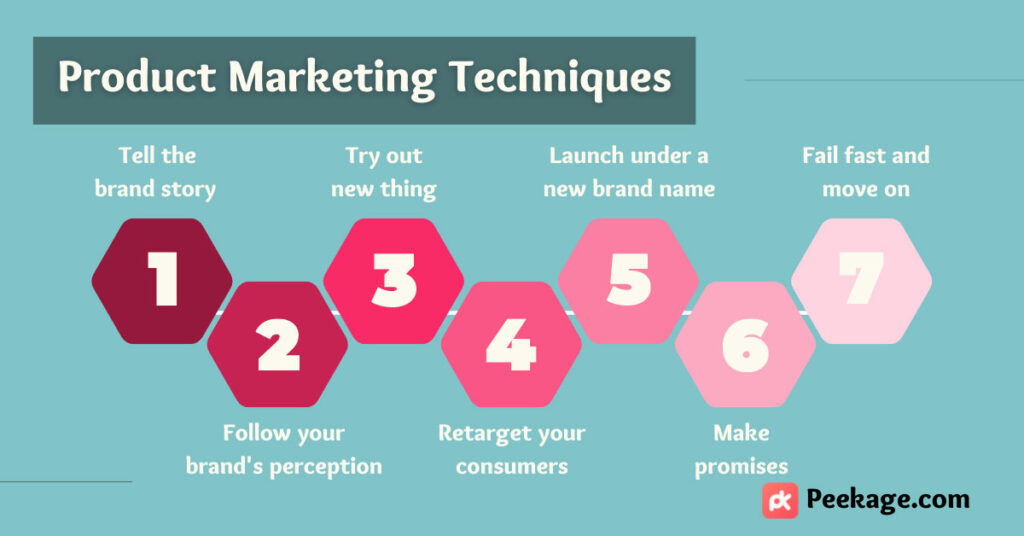
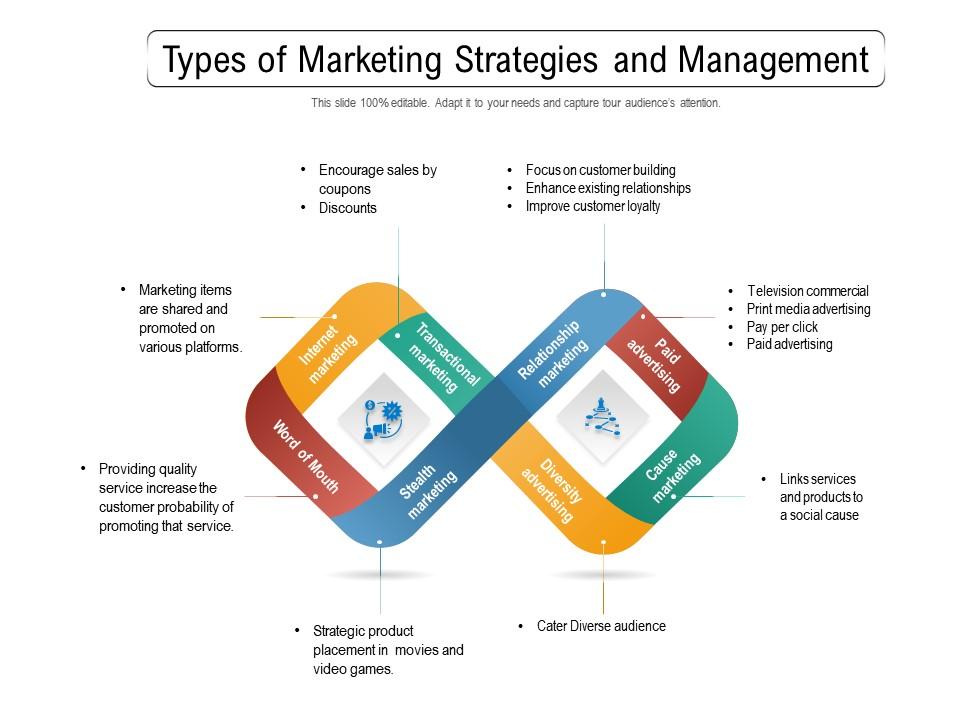
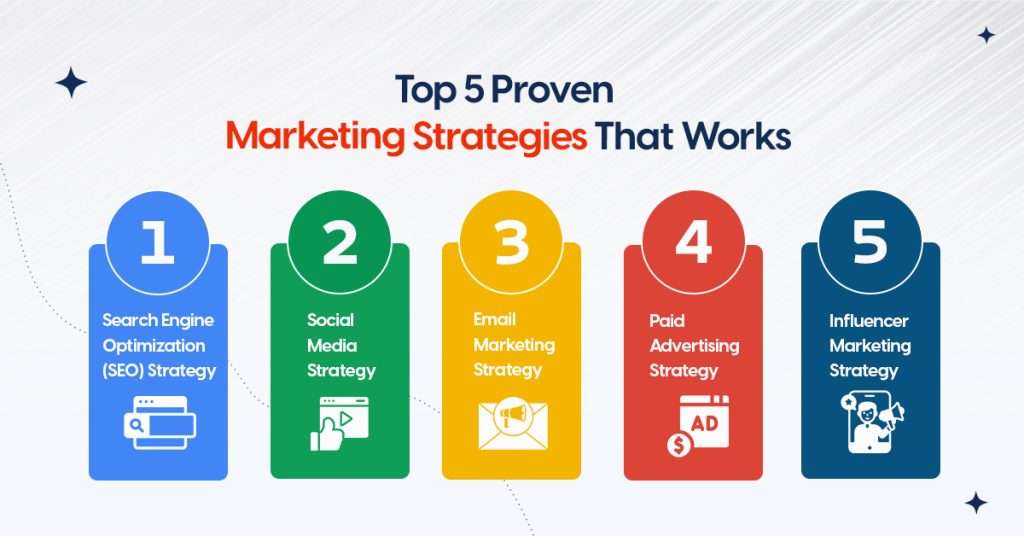
What Are Some Marketing Techniques
Have you ever wondered why you suddenly crave a specific soda after seeing a billboard, or why you trust one brand of sneakers over another? That’s not magic—that’s marketing working quietly in the background. Learning about marketing techniques is like getting a peek behind the curtain of everyday choices, and it’s surprisingly fun once you start spotting the patterns.
At its core, marketing is simply the art of connecting what people need with what you have to offer. The purpose isn’t just to sell things; it’s to build trust, spark curiosity, and create lasting relationships with an audience. The real benefit is that these skills apply far beyond business—they help you communicate ideas, convince friends to try a new restaurant, or even land a job by “selling” your own strengths.
Think about your daily life as a classroom for marketing. When you craft a social media post, you’re using content marketing to share a piece of your world. When you tell a coworker why your project idea is the best, you’re practicing persuasion, a cousin of advertising. Even choosing what to wear to an interview is a form of personal branding—you’re sending a visual message before you say a word.
Must Read
One common technique is the scarcity trick, where a product is framed as “limited edition” or “only a few left.” It works because our brains hate missing out, so we act faster. Another favorite is social proof, like when a restaurant shows thousands of positive reviews—you assume it must be good because others think so. You’ve felt this when you picked a movie based on its star rating, right?
In education, teachers use these tricks without even calling them marketing. A teacher might say, “This lesson is short, so we’ll have time for a game afterward,” which is a gentle use of incentives. Or they might group students to share ideas, leveraging community to make learning stick. At home, parents often use “first we clean up, then we watch a show”—that’s a classic sequencing technique to guide behavior.

To start exploring marketing yourself, try a simple game: deconstruct an ad you see on your phone or TV. Ask, “Who is this for, and what emotion does it tap into?” You’ll quickly notice patterns like bright colors for excitement or calm music for trust. Another easy exercise is to write two versions of a short message—one with urgency (“Sale ends today!”) and one with curiosity (“Discover what’s inside”)—and see which one feels more persuasive to you.
Don’t be afraid to experiment in your own chats. Next time you suggest a weekend plan, try adding a little exclusivity: “I found this hidden trail that almost nobody knows about.” Watch how that phrase changes the listener’s interest. Or when you’re sharing a hobby, use storytelling—describe a small moment that made you love it, rather than just listing facts. That’s a core marketing move: making information feel personal.
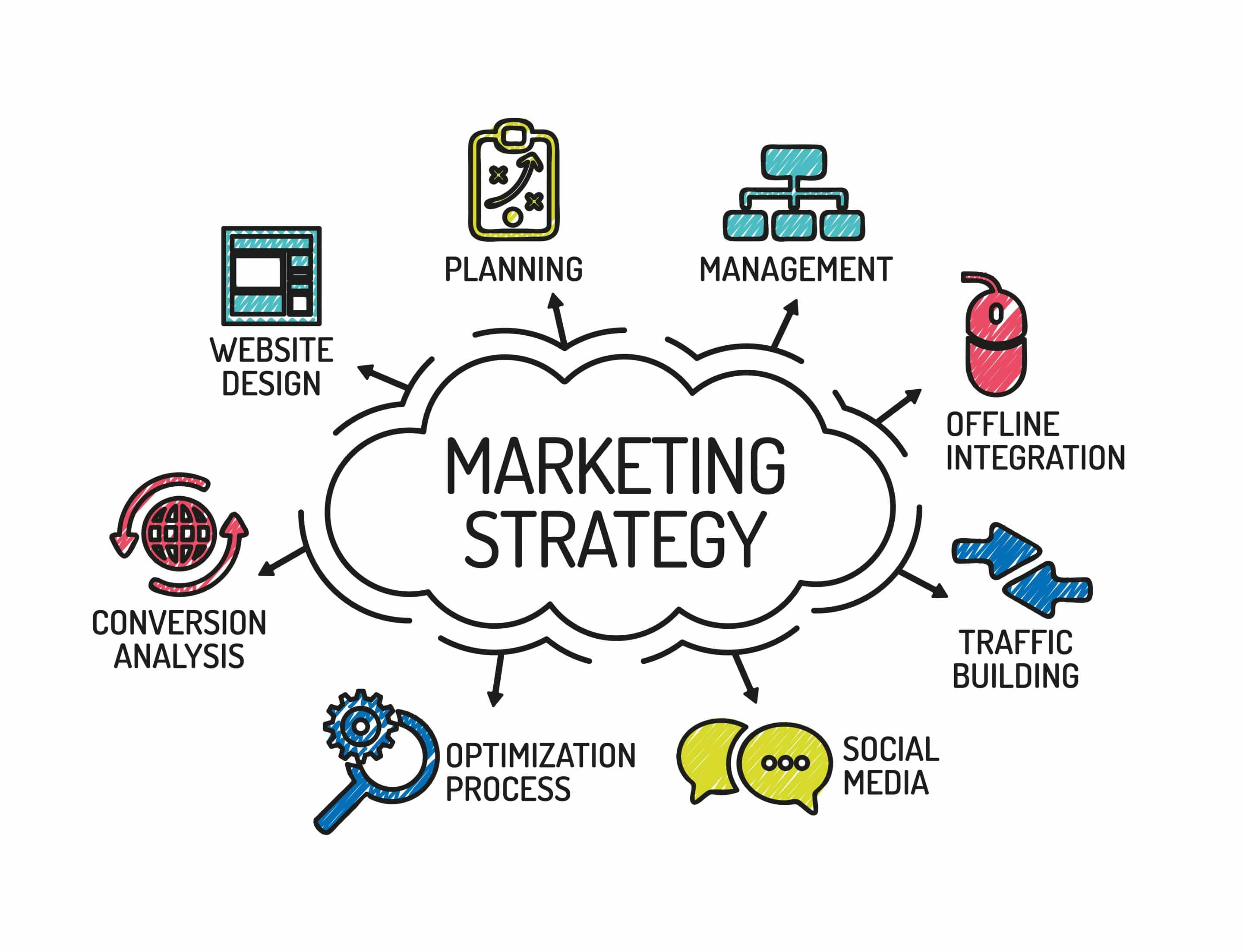
The most important tip is to stay curious and playful. Marketing is not about manipulation—it’s about understanding human nature, and that’s endlessly fascinating. The more you notice how it works, the more empowered you become as a consumer and a communicator. You’ll start seeing every conversation as a small experiment, and that makes ordinary days a lot more interesting.
So why not give it a try today? Look at one purchase you’re about to make and ask what pushed you toward it—a discount, a friend’s opinion, a pretty package? That single question is the first step toward mastering a skill that will serve you in every part of life, from the checkout line to the classroom to the coffee break.