What Are Some Good Photoshop Apps
Let’s be real: the phrase “Photoshop app” used to mean one thing—a bulky, terrifyingly expensive desktop program that required a 14-hour YouTube tutorial just to remove a pimple. But then the algorithm happened, and suddenly your 19-year-old cousin is face-swapping into Renaissance paintings while your boss is “beautifying” his LinkedIn headshot with a single tap. We have officially entered the era of the pocket retoucher, where every smartphone is a digital scalpel and everyone is, apparently, a part-time glamour surgeon. The discourse is loud, the filters are smoother than a TikTok transition, and the question on everyone’s lips isn’t if you edit your photos—it’s with what.
This isn’t just about fixing a red-eye anymore. We’re talking about a full-blown cultural reset where the line between reality and algorithmic perfection has been blurred into a fine, pore-less mist. From the “clean girl” aesthetic to the hyper-saturated chaos of Instagram carousels, the demand for apps that can do everything from swapping your sky to sculpting your jawline has exploded. It’s a multi-billion-dollar industry fueled by our collective insecurity and our desperate need for a like-worthy grid. And honestly? The tools are getting scarily good, making the old desktop giants look like dinosaurs in a tar pit.
So, whether you’re a chronic poster, a casual scroller, or someone who just wants to erase an ex from a group photo without a forensic-level trace, you’re in the right place. We’re diving headfirst into the chaotic, wonderful, and sometimes profoundly unhinged world of mobile photo editing. Forget the pharmacy-bought glossies; this is the real skin care routine for your digital image, and we’re about to prescribe the good stuff—with a side of witty commentary, obviously.
Must Read
The Glow-Up or the Ghost: The Toxic Subculture of Editing Apps
Let’s talk about the elephant in the room: the uncanny valley. We’ve all seen the “Instagram vs. Reality” TikToks where someone’s cheekbones look like they were carved from granite and their eyes are the size of dinner plates. This isn’t just editing; it’s a virtual lobotomy on your face. The subculture of extreme retouching has created a bizarre feedback loop where we mock the “warped” celebrities while simultaneously downloading the same apps to hide our own laugh lines. We are glued to our screens, swiping through skin-smoothing tools that make us look like AI-generated mannequins, and then we hurl accusations of “fake” at anyone who dares to look too flawless. It’s a mess, but it’s our mess.
And don’t even get me started on the beauty filter arms race. If you open a selfie app, you’re not just adjusting contrast—you’re entering a battleground of facial symmetry. The “Bold Glamour” effect on TikTok doesn't just add a glow; it restructures your bone density, giving you a nose job, an eye lift, and a skin texture that looks like wet plastic. This creates a psychological shift where our real faces feel like the “raw file,” and the app’s rendition is the “final output.” We’ve started to treat our own reflections as material to be edited, leading to a weird, collective body dysmorphia. The social media dynamic is simple: if you’re not using a lighting-simulating, contour-addictive app to look like a vaguely human version of a Disney princess, are you even trying?
Meanwhile, the edgelords of the community are pushing back with “raw” photography apps like LiteRoom and Snapseed, demanding film grain and imperfect lighting. They mock the “smooth brain” filter users, claiming to be purists while still spending an hour dodging and burning highlights. The irony is thick enough to cut with a blending tool. The culture isn’t just about looking good; it’s about signaling whether you’re a “high-effort, low-key” aesthete or a “full-glam, I-want-to-look-like-a-modern-doll” maximalist. There’s a tribe for every insecurity, and they all speak the same language of saturation and sharpness.

The Edit or Be Edited: How to Navigate This Minefield Without Losing Your Soul
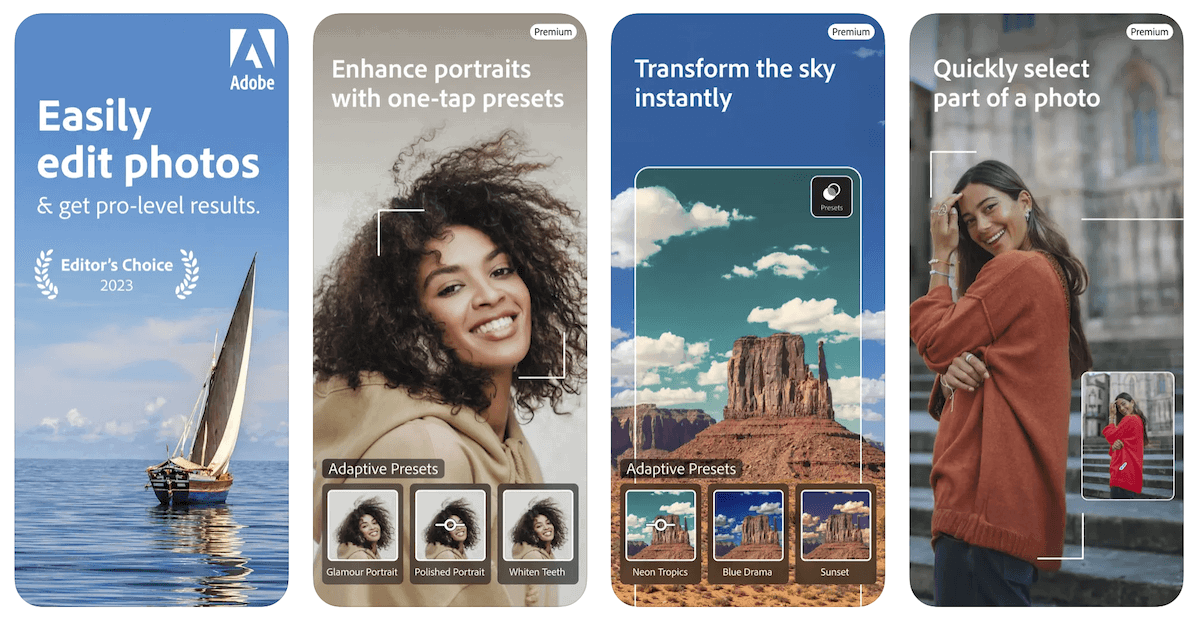
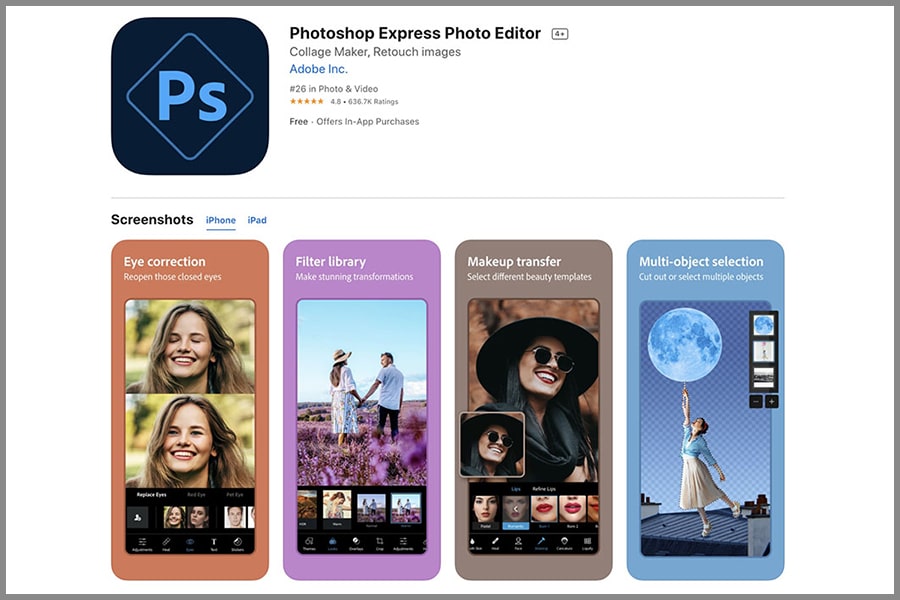
First things first: stop paying for the subscription (unless you’re a professional). The predatory pricing of some apps—we’re looking at you, Adobe—is enough to make you spit out your latte. For 90% of your needs, there are free, insanely powerful options that won’t hold your photos hostage behind a paywall. Your wallet will thank you, and your creativity won’t suffer. The goal here is to be a smart consumer, not a corporate simp. You don’t need a $20/month cloud subscription to adjust your white balance.
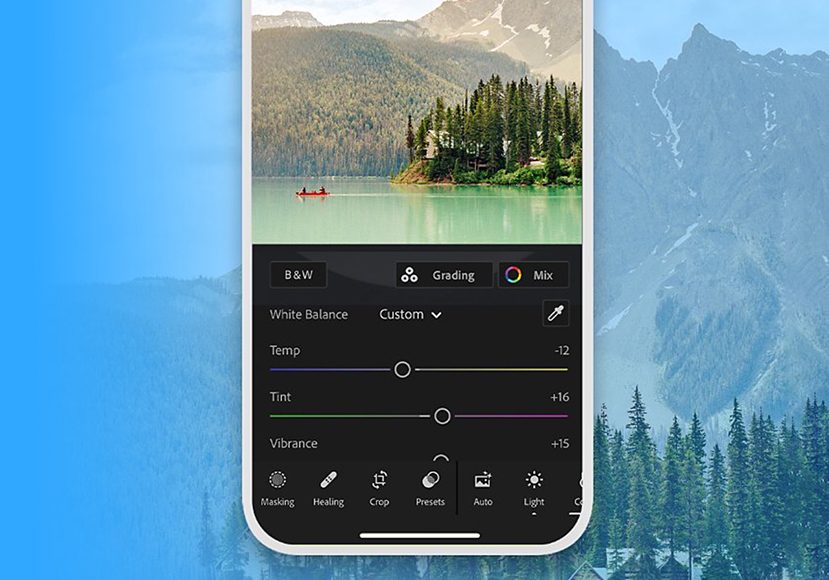
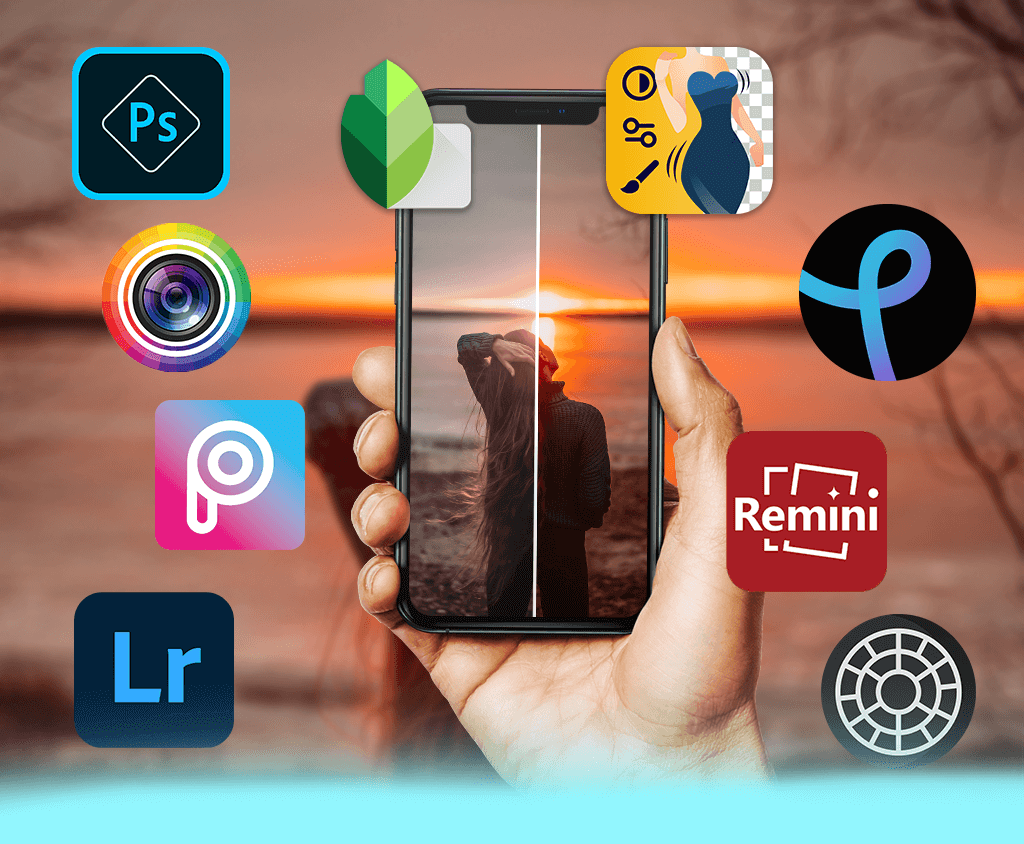
For the everyday chad or chadette, Snapseed remains the undisputed king of free editing. It’s got a massive toolbox—selective adjustments, healing, HDR, and a truly respectable set of filters that don’t look like they were designed by a robot with a seizure condition. It’s fast, it’s intuitive, and it doesn’t upload your face to some mysterious server to “improve” your features. If you want to do serious color grading—the kind that makes your local coffee shop look like a Wes Anderson set—you’re going to want Adobe Lightroom Mobile. The free version gives you access to the pro-grade color wheels and curve tools, which is essentially a master’s degree in aesthetics if you bother to fiddle with it.
Now, what about the beautification side? If you must warp your face, do it with surgical precision. Apps like Meitu or YouCam Perfect are fun, but they can turn you into a wax figure faster than you can say “uncanny.” My advice? Use them for the small stuff—whitening teeth, removing a stray eyebrow hair, or subtly adjusting the lighting. If you find yourself using the “slim face” slider more than 15 percent, just stop. Take a break. Look at an actual mirror. The goal is a “you but better”, not a “you but uncanny valley.” Remember, your friends know what you look like. They will tag you in the group chat saying, “Who is this filter queen?” and it will be embarrassing.
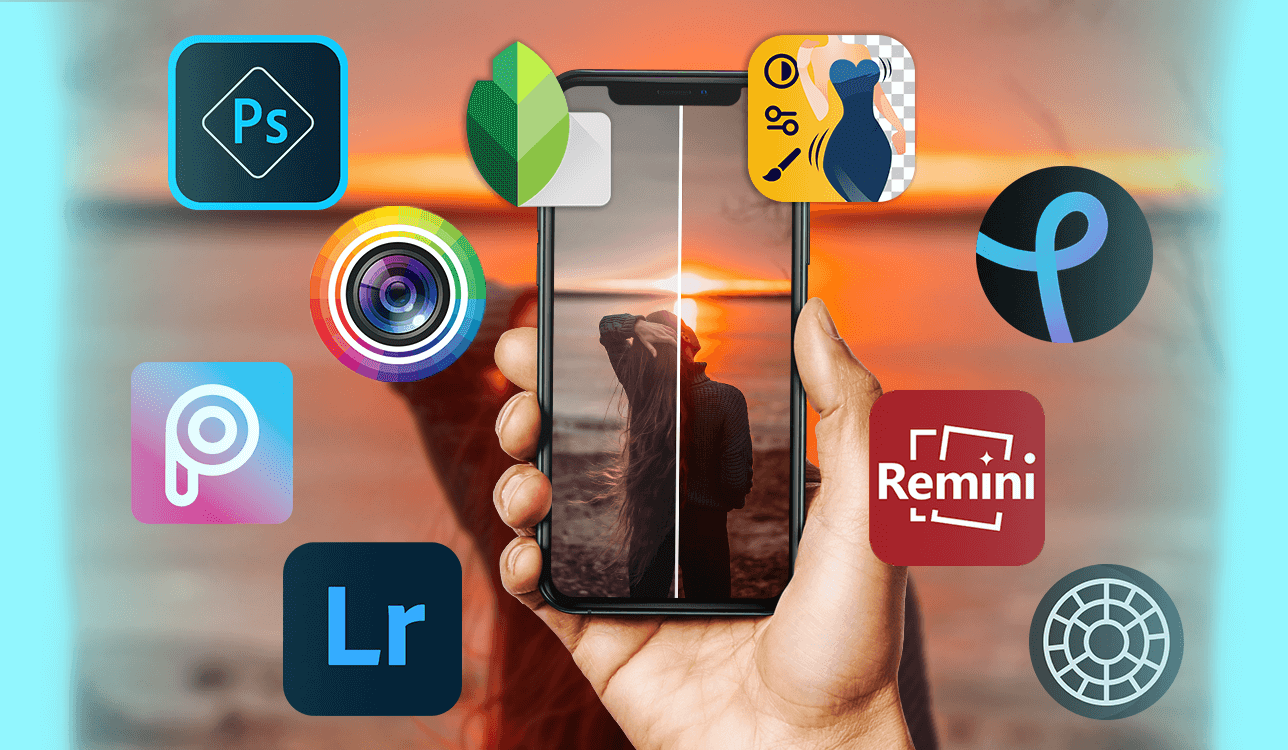
Let’s talk about the viral “freeform” apps. We’ve seen a rise in apps like Picsart that lean heavily into AI and generative fill. While they are incredible for creating memes and whipping up a funny birthday post, they are also a rabbit hole of questionable ethics. Using AI to add a “perfect” sky or to remove a tourist from your beach photo is fine, but using it to “thin” your body or change your hair color to something your mother would cry at? That’s a slippery slope. The pragmatic rule is the “Two-Minute Rule”: If it takes more than two minutes to fix, re-take the photo. Stop trying to polish a turd; just take a new picture in better lighting. You’ll save time and preserve your sanity.
Finally, be mindful of the megapixel myth. Don’t obsess over the resolution output. Most social media platforms compress your photos to garbage anyway, so you’re just wasting your time exporting 100MP TIFFs. Edit in high-res, then export for the web. Use the apps that let you control the file size and don’t wreck the quality. And whatever you do, don’t use the in-app camera on Instagram to take the photo. That’s amateur hour. Take the photo with your native camera, then edit, then post. Your grid will look a thousand times more cohesive, and you’ll officially be a wizard.
Frequently Asked Questions: The Internet’s Burning Debates, Answered
Is Photoshop still relevant, or is it the same as having a Nokia?
Okay, let’s settle this. The term “Photoshop” has become a generic verb, like “to Google,” but the actual software is evolving hard. The desktop Adobe Photoshop is still the gold standard for high-end graphic design, 3D rendering, and compositing. If you are a professional digital artist, you need it. However, for the average influencer or food blogger, it’s overkill. The new algorithms in mobile apps like Photopea (a free browser-based clone) are so good that they’re essentially Photoshop lite.

The debate isn’t about functionality; it’s about workflow. The desktop app is a massive, powerful beast designed for deep work. The mobile apps are quick, snappy, and integrated with your phone. In 2024 and beyond, the distinction is more about efficiency than capability. The “Photoshop” we speak of in daily language is actually a suite of behaviors, and most of them can be achieved on your phone. So, is the desktop app dead? Only if you’re a hobbyist. For pros, it’s still the mainframe brain.
Do these editing apps actually make you look better, or just more insecure?
This is the million-dollar question, and the answer is a knife-edged paradox. Yes, they make you look objectively “better” in a digital sense—symmetry, radiance, and clear skin are universally seen as attractive. But they also create a feedback loop of insecurity. Studies show that heavy filter usage correlates with lower body esteem. Why? Because you’re constantly comparing your “raw” self to your “edited” self, and you begin to perceive your natural face as deficient.
The internet’s rebuttal is the “authenticity” movement, where influencers post unfiltered, pimple-bearing selfies. While that’s a great counter-cultural shift, it’s also a performance in itself. The reality is that these apps are tools of control. If you use them to enhance a memory—like fixing the lighting on a rainy vacation day—they’re fantastic. If you use them to erase the person in the mirror, they are a dangerous gateway drug. The best way to avoid the insecurity spiral is to set a cap on your editing time. If you spend more than ten minutes on a single selfie, you’re not editing a photo; you’re performing surgery on your self-worth.
Which free app has the best AI background remover?
Ah, the holy grail of the smartphone editor. The AI background removal is the party trick of the modern era, and honestly, the race is tight. The best free, reliable one is hands-down Remove.bg (their website) but for mobile, Picsart has a surprisingly robust “Cutout” tool that can isolate your messy hair from the background better than most premium apps. It uses deep learning to detect the subject, and it’s almost scary how accurate it is.
There’s a caveat, though. The background remover is only as good as the lighting in your original photo. If you have a blurry edge or similar colors between you and the background, the AI will give you jagged edges. The secret trick is to use the “refine edge” brush in apps like YouCam Perfect after the automatic detection. This manual dip is what separates the “cut-and-paste” look from a seamless composite. So, yes, the AI is free and amazing, but your touch is still needed to avoid looking like you were clipped out of a magazine with a pair of plastic scissors.
The obsession with the editing app is a symptom of a larger cultural anxiety: our fear of being ordinary. We have the power to curate every pixel, every shadow, and every wrinkle, and that power is simultaneously liberating and exhausting. Is this a passing fad? Hardly. The technology is improving exponentially, and the next generation is being born with a front-facing camera already at war with their pores. This isn’t a fad—it’s the new literacy of visual communication.
However, the specific apps are fleeting. The cycle is brutal: a new app bursts onto the scene, becomes the must-have tool for two weeks, gets acquired, and then becomes bloated with ads or goes pay-to-win. We are already seeing a backlash against hyper-realistic editing, with platforms testing out “no filter” badges. The outcome isn’t about the tool; it’s about the intent. We'll always crave a little magic to spruce up our reality, but the permanent shift is our acceptance of the edit—the understanding that every image is a fiction. So, keep your favorites downloaded, but don't marry them. The only permanent change is that we’ll never look at a photograph the same way again—and honestly, that’s a beautiful, terrifying, and highly saturated reality we all signed up for.