What Are Good Markets To Invest In
Let’s be real: the word “investing” usually conjures images of frantic Wall Street types in suspenders, screaming into multiple phones. But for the rest of us, it’s less about chaos and more about smart, steady choices that vibe with our lifestyle. You don’t need a finance degree to grow your money; you just need to know where to look without getting overwhelmed.
Think of the market like a huge farmers' market. Some stalls are flashy and overpriced, some are reliable staples, and a few are the quirky, under-the-radar gems that make your friends ask where you got that. The trick is filling your basket with a mix that works for your appetite, not the crowd’s.
The Steady Staple: Index Funds & ETFs
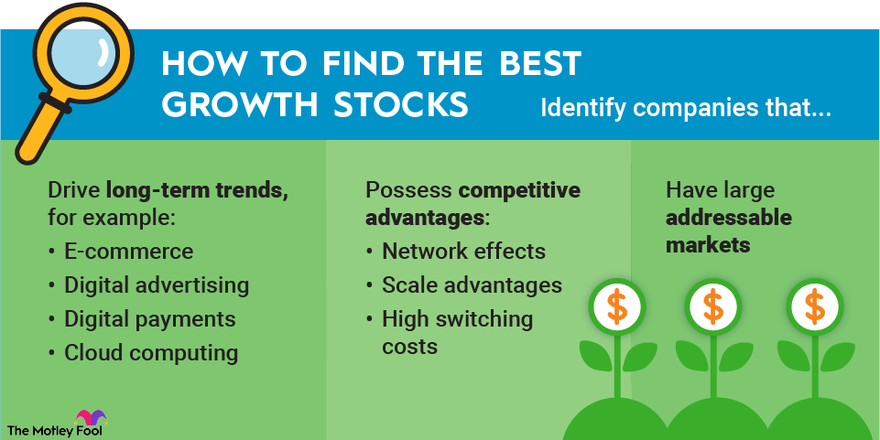
If investing had a cozy, dependable brunch spot, this would be it. Index funds and ETFs (Exchange-Traded Funds) are basically a pre-made smoothie—you buy a tiny slice of hundreds of companies at once, instantly diversifying without having to pick a “winner.” It’s the financial equivalent of wearing a good pair of jeans: classic, fits everyone, and never goes out of style.
Must Read
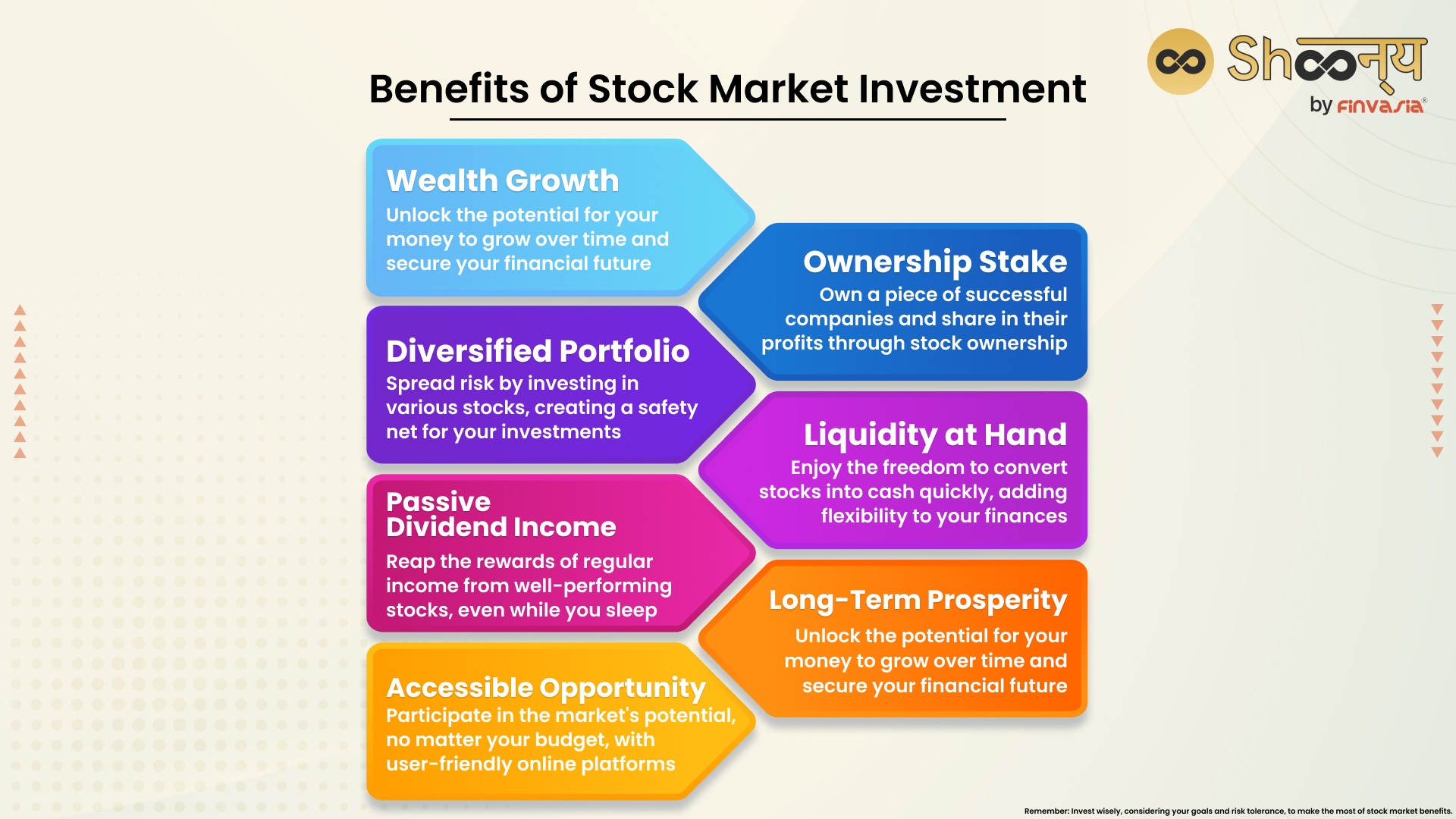
The fun fact here? Legendary investor Warren Buffett has repeatedly said that for the average person, a low-cost S&P 500 index fund is the smartest investment. He even bet a million dollars that a boring index fund would beat a fancy hedge fund over ten years—and he won. That’s your permission slip to stop overthinking and start automating a monthly contribution.
The Flavor-Chaser: Green & Renewable Energy
Investing in renewable energy is like being the friend who discovers a band before they hit the stadium tour. Solar, wind, and battery tech aren’t just a moral flex; they are a massive economic trend with serious momentum. Governments globally are pouring billions into net-zero targets, which means capital is flowing into everything from solar panel manufacturers to grid storage startups.

You don’t need to pick a single company. Look for clean energy ETFs, or consider funds that focus on “ESG” (Environmental, Social, Governance) criteria. It’s a way to make your portfolio feel as good as your reusable tote bag looks. Just remember: green stocks can be volatile, so treat them like a spicy margarita—enjoy responsibly, not as your only drink.
The Modern Classic: Real Estate (Without the Landlord Headaches)
We all know someone who bought a fixer-upper and now spends weekends dealing with leaky faucets. Good for them, but you have a life. Enter Real Estate Investment Trusts (REITs). These are companies that own income-producing properties—from shopping malls to data centers—and you can buy shares just like a stock, collecting dividends without ever touching a plunger.
This is the hack for passive income, and it’s surprisingly accessible. You can start with as little as $50 on most trading apps. Plus, there’s a fun cultural angle: REITs often hold the very spots you frequent, like that massive Amazon warehouse your packages come from. You’re basically becoming a tiny landlord to the logistics of your own life.

The Wildcard: Global & Emerging Markets
Feeling adventurous? Diversifying beyond the U.S. is like adding international spices to your cooking—it changes the flavor profile entirely. Emerging markets (think India, Brazil, Vietnam) often grow at a faster pace because their middle classes are expanding rapidly. You’re betting on the future of consumer culture, from smartphone upgrades to new coffee chains.
Practical tip: use a global ETF to avoid picking a single country (that’s risky business). And remember, these markets can be choppier than a Hawaiian surf session, so keep your allocation under 20% of your portfolio. It’s exciting, but you still want to sleep at night.
The Fun Fact That Changes Everything
Here’s a weird little nugget: the stock market has historically returned about 7-10% annually after inflation, but only if you stick around for the long haul. The catch? The market’s worst days often happen right before its best days. If you pull out during a dip, you miss the rebound. It’s like being at a party that’s slow at 10 PM but legendary by 1 AM—don’t leave early.
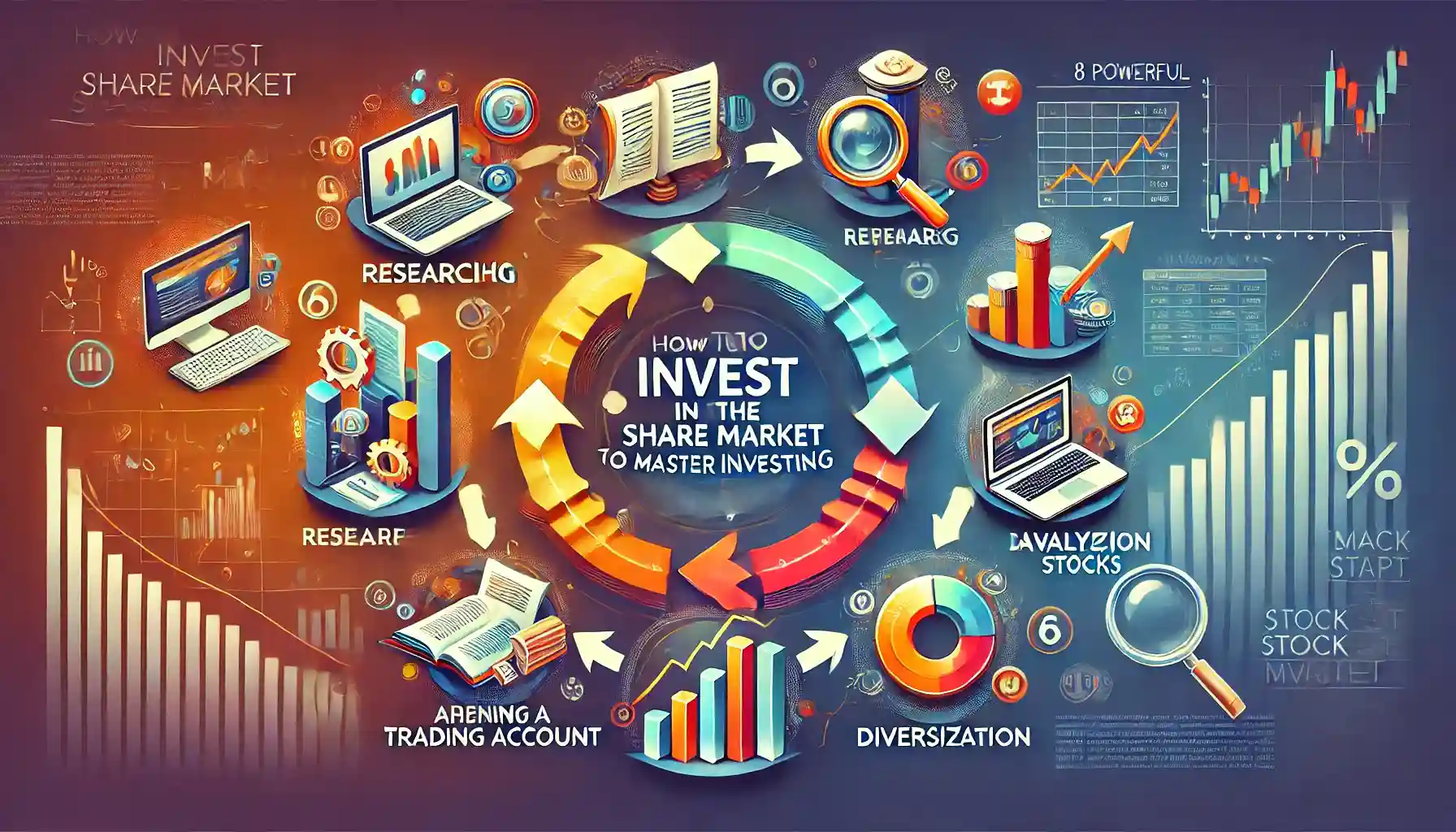
So, what’s the actual move? Start small, start ugly, just start. Open a simple account, set up a $100 monthly auto-transfer, and spend more time living than checking charts. The goal isn’t to get rich overnight; it’s to build a background layer of security that lets you focus on the foreground—your actual life.
Think of it this way: you’re not just buying assets. You’re buying future options—the option to take a sabbatical, to move countries, or just to order dessert without checking your balance. The best investment isn’t just the one that grows the most; it’s the one that gives you the calmest Monday morning. That’s the kind of wealth that actually feels rich.