
What Are Buttplugs Used For

When it comes to discussions about sexual health and wellbeing, there are numerous topics that, despite their importance, often get overlooked due to stigma or lack of information. One such topic is the use of buttplugs, devices designed for insertion into the anus for sexual pleasure or physical therapy. Understanding the biological and physiological aspects of their use can provide insights into how they interact with our bodies and how they can be safely and beneficially incorporated into one's sexual repertoire.
The basic science behind buttplugs involves the anatomy of the anus and the surrounding musculature, particularly the anal sphincter muscles. The anus is rich in nerve endings, making it a highly sensitive area. When a buttplug is inserted, it can stimulate these nerve endings, potentially leading to orgasmic responses. The key to safe and enjoyable use is understanding the importance of lubrication, gradual insertion, and communication with one's partner, if applicable.
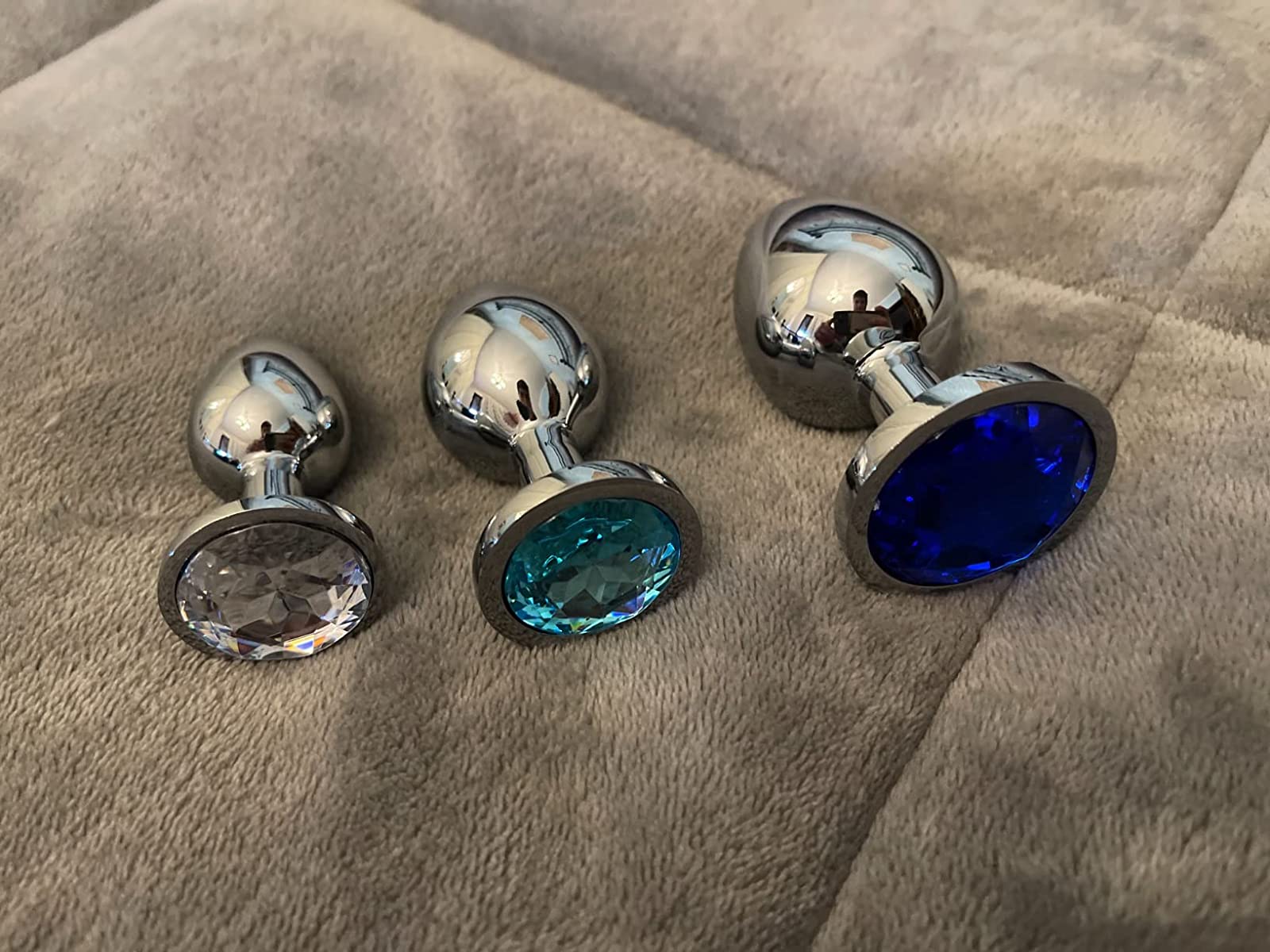
Moreover, buttplugs come in a variety of shapes, sizes, and materials, catering to different preferences and needs. The choice of material, such as silicone or glass, is important for hygiene and safety, as some materials are easier to clean and less likely to cause allergic reactions. Additionally, understanding the psychological aspects of using buttplugs, including aspects of intimacy and trust, especially in a relationship context, can enhance the overall experience.
Must Read
Biological and Chemical Reactions
Delving into the biological reactions involved in the use of buttplugs reveals a complex interplay of neurological and physiological responses. The anus contains a high concentration of nerve endings sensitive to pressure, temperature, and vibration, which can be stimulated during the insertion and wear of a buttplug. This stimulation can lead to the release of endorphins and other neurotransmitters associated with pleasure and relaxation.
Furthermore, the use of lubricants is crucial for safe and enjoyable use of buttplugs. Lubrication reduces friction, minimizing the risk of discomfort or injury to the anal mucosa. There are different types of lubricants, including water-based, silicone-based, and oil-based lubricants, each with its own advantages and considerations for use with different materials and preferences.
The chemical composition of buttplugs and lubricants is also an important consideration. Ensuring that these products are made from body-safe materials and are hypoallergenic can prevent adverse reactions and ensure safe use. This involves understanding the chemical properties of the materials used and their potential impact on human biology.

Practical Strategies for Use
To master the use of buttplugs safely and effectively, it's essential to follow a set of practical strategies. First, communication is key, whether using a buttplug alone or with a partner. Discussing boundaries, desires, and concerns can ensure a positive experience for all involved. Choosing the right size and type of buttplug is also crucial, starting with smaller sizes and gradually increasing as comfort and experience allow.
Second, preparation is essential. This includes cleaning the area and the buttplug itself, using antibacterial soap and water, and ensuring the buttplug is completely dry before storage to prevent bacterial growth. During use, relaxation techniques such as deep breathing can help reduce anxiety and increase pleasure.
Third, understanding the importance of aftercare can enhance the experience and contribute to overall wellbeing. This includes physical aftercare, such as cleaning the buttplug and hydrating, as well as emotional aftercare, involving communication with one's partner about the experience and providing affection and reassurance.
Lastly, being aware of potential risks and knowing how to mitigate them is vital. This includes understanding the signs of infection or injury and knowing when to seek medical attention. By being informed and prepared, individuals can enjoy the benefits of buttplugs while minimizing risks.

Frequently Asked Questions
What are the benefits of using buttplugs?
The benefits of using buttplugs are multifaceted, including enhanced sexual pleasure, increased intimacy with a partner, and exploration of new sensations. They can also be used for therapeutic purposes, such as helping to relax the anal sphincter muscles and improving bowel movements in some cases. Understanding these benefits can help individuals make informed decisions about incorporating buttplugs into their sexual health routine.
Furthermore, the use of buttplugs can be a form of self-care and self-exploration, encouraging individuals to understand their bodies better and what brings them pleasure. By focusing on safety, comfort, and communication, users can maximize the benefits while minimizing potential risks, leading to a more fulfilling sexual experience.
How do I choose the right buttplug for me?
Choosing the right buttplug involves considering several factors, including size, material, and shape. For beginners, starting with a smaller size and a smooth texture is recommended. The material should be body-safe, such as silicone or glass, to prevent allergic reactions and ensure easy cleaning.
Additionally, considering the purpose of the buttplug is important. Different buttplugs are designed for different types of stimulation or therapeutic benefits. For example, vibrating buttplugs can provide an additional source of stimulation, while weighted buttplugs can help with pelvic floor exercises. By understanding one's needs and preferences, an individual can select a buttplug that is both enjoyable and effective.
What lubricants are safe to use with buttplugs?
When it comes to lubricants for use with buttplugs, safety and compatibility are paramount. Water-based lubricants are generally recommended as they are hypoallergenic and easy to clean. Silicone-based lubricants can also be used but should be chosen carefully to ensure they are compatible with the material of the buttplug.
It's also important to avoid using oil-based lubricants with latex condoms or certain types of buttplugs as they can cause damage to the material. Always reading the label and looking for body-safe and hypoallergenic claims can help ensure the chosen lubricant is safe for use. Furthermore, applying a small amount of lubricant to a discreet area before use can help check for any allergic reactions.
Can buttplugs be used for therapeutic purposes?
This therapeutic use should always be done under the guidance of a healthcare professional or a qualified therapist to ensure safety and effectiveness. They can provide personalized advice and support tailored to the individual's specific needs and health status. It's also crucial to follow proper hygiene and safety guidelines to minimize the risk of infection or complications.

How do I clean and store buttplugs properly?
Proper cleaning and storage of buttplugs are essential for maintaining hygiene and safety. After use, buttplugs should be washed with mild soap and warm water, and then rinsed thoroughly. For buttplugs made of certain materials, such as silicone, they can also be boiled or sterilized in a denture cleaner for deeper cleaning.
After cleaning, buttplugs should be dried completely before being stored in a cool, dry place. Using a storage pouch or case can help keep the buttplug clean and prevent accidental damage. Regularly inspecting the buttplug for signs of wear or damage is also important, and replacing it if necessary to ensure continued safe use.
By embracing the science and practicality behind buttplugs, individuals can enhance their understanding of sexual health and wellbeing. This involves recognizing the importance of education, safety, and communication in all aspects of sexual exploration. By doing so, we can foster a more inclusive and supportive environment where individuals feel empowered to make informed decisions about their bodies and sexual experiences.
Moreover, respecting the science behind buttplugs and similar topics encourages a holistic approach to health and wellbeing, recognizing the interconnectedness of physical, emotional, and mental health. By prioritizing education, safety, and self-awareness, we can work towards a more enlightened and empowered understanding of our bodies and our sexualities, leading to more fulfilling and healthy lives.

