What Age Are Men The Horniest
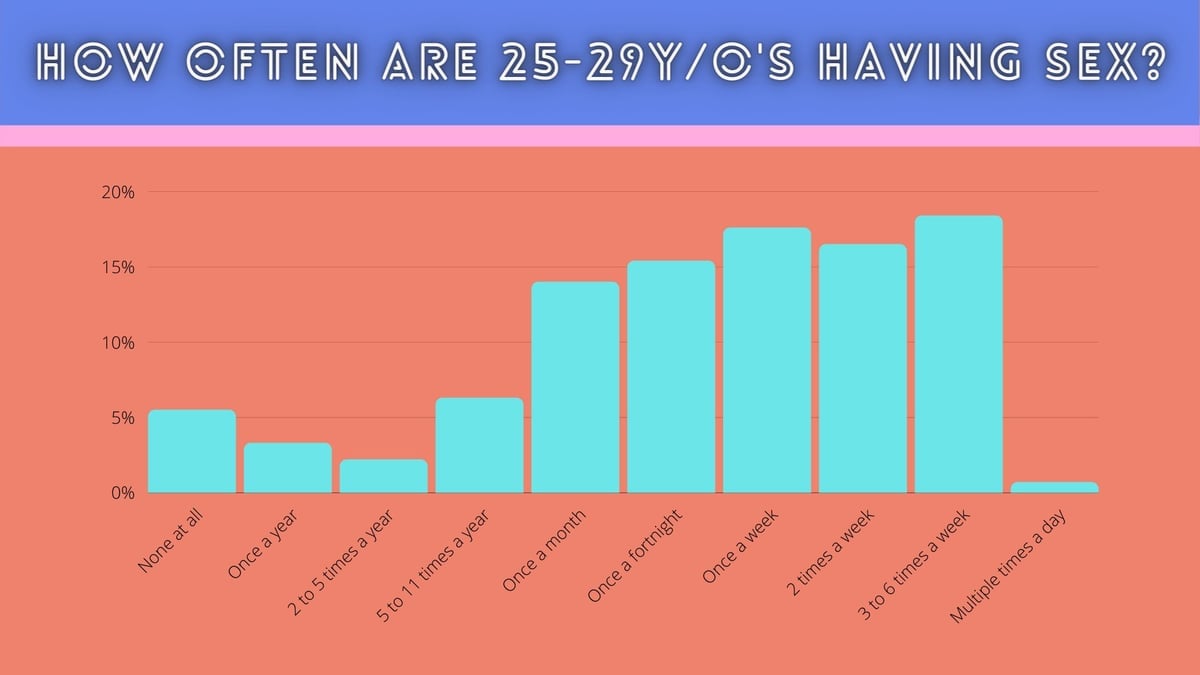
The age-old question of when men are at their horniest has sparked intense debate and curiosity. While it's often viewed through the lens of humor or anecdotes, the reality is that there's a complex interplay of biological, psychological, and environmental factors at play. Understanding these elements can provide valuable insights into the human experience, particularly for men seeking to optimize their lives and relationships. At its core, the concept of horniness is deeply rooted in testosterone levels, which surge during puberty and tend to peak in the late teens to early twenties.
As men age, their testosterone production gradually declines, influencing their libido and overall sexual health. However, this decline is not uniform and can be affected by a multitude of factors including lifestyle, health, and relationship status. The brain-testes axis, a feedback loop involving the hypothalamus, pituitary gland, and testes, plays a crucial role in regulating testosterone levels and, by extension, sexual desire. This intricate system responds to both internal hormonal cues and external stimuli, such as visual and tactile cues, further complicating the landscape of male horniness.
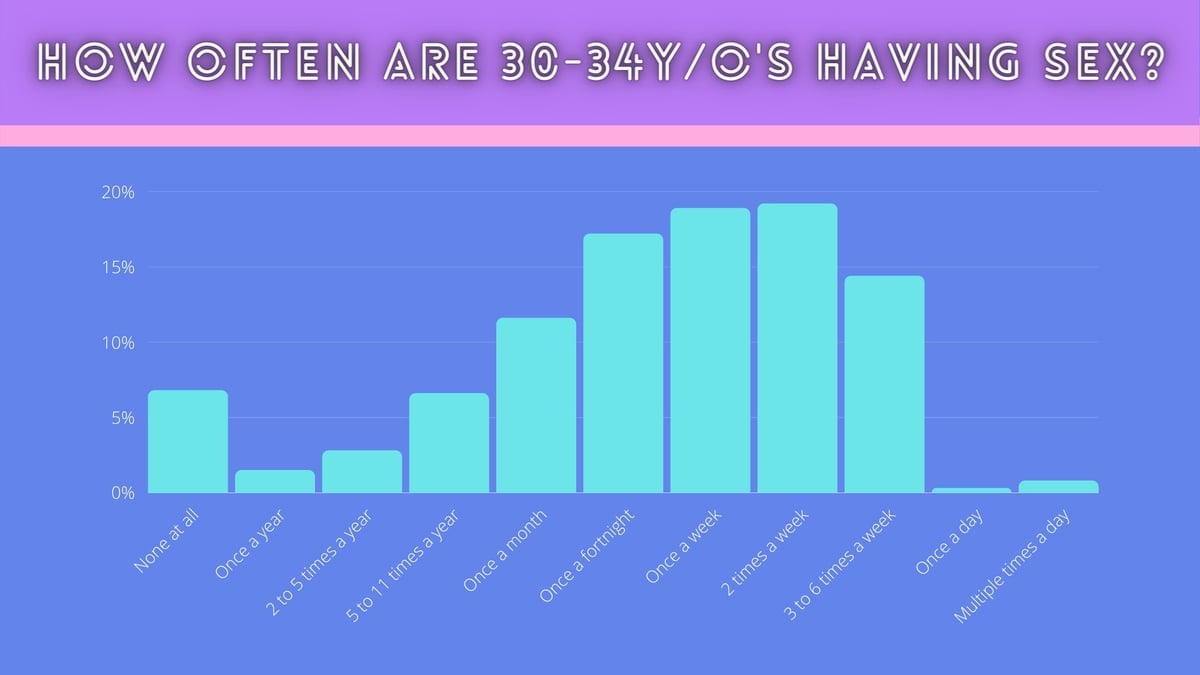
Despite the complexities, there are discernible patterns and peaks in sexual desire that correlate with age. Younger men, particularly those in their teens and early twenties, often experience a heightened sense of libido due to the aforementioned peak in testosterone levels. This period is marked by intense sexual curiosity and a strong drive for sexual exploration. As men mature, their sexual desires evolve, becoming more nuanced and influenced by emotional connection, intimacy, and relationship dynamics. Understanding these shifts can empower men to navigate their sexual health more effectively, fostering stronger, more satisfying relationships.
Biological and Chemical Underpinnings
Beyond the surface-level observations of sexual desire, there exist complex biological and chemical reactions that dictate the ebb and flow of horniness. Dopamine, often referred to as the "pleasure molecule," plays a significant role in sexual arousal and desire. Released in anticipation of and during sexual activity, dopamine reinforces the behavior, creating a cycle of desire and fulfillment. Additionally, serotonin levels can inversely affect libido, with lower levels potentially leading to increased sexual desire and higher levels reducing it.
The interplay between these neurotransmitters and testosterone forms the foundation of male sexual desire. Testosterone not only influences libido but also affects the brain's reward system, further entwining sexual desire with the anticipation of pleasure. This biochemical dance is susceptible to external influences, including diet, exercise, sleep patterns, and overall health, which can either enhance or diminish sexual function and desire. For instance, regular exercise can boost testosterone levels, while a diet high in processed foods and sugars can have a detrimental effect.
Furthermore, the circadian rhythm also plays a part in regulating sexual desire, with many men experiencing a natural peak in testosterone levels in the morning. This daily fluctuation, combined with the longer-term changes that occur over a man's lifespan, highlights the dynamic nature of male horniness. By recognizing and working with these biological rhythms, men can optimize their sexual health and relationship satisfaction.
Practical Strategies for Optimization
Armed with an understanding of the biological and chemical factors influencing male horniness, men can employ various strategies to optimize their sexual health and desire. First and foremost, maintaining a healthy lifestyle is crucial. This includes a balanced diet rich in fruits, vegetables, and lean proteins, regular physical activity, and adequate sleep. These habits help regulate testosterone levels and support overall well-being, including sexual health.
In addition to lifestyle adjustments, stress management is vital. Chronic stress can lead to increased cortisol levels, which can negatively impact testosterone production and sexual desire. Techniques such as meditation, yoga, and deep breathing exercises can help mitigate stress, promoting a healthier balance between cortisol and testosterone. Moreover, open communication with one's partner about desires, needs, and concerns can foster a more fulfilling sexual relationship, addressing any discrepancies in libido and promoting intimacy.
Relationship quality also significantly influences male horniness. Cultivating emotional intimacy, trust, and connection with one's partner can enhance sexual desire and satisfaction. This involves not just sexual activity but also non-sexual touch, shared activities, and emotional support. By prioritizing relationship health, men can create an environment that naturally boosts their libido and overall sexual well-being.
For men experiencing difficulties with sexual desire or function, professional guidance is available. Consulting with a healthcare provider or a sexual health specialist can provide personalized insights and solutions, addressing any underlying medical issues or psychological barriers. This might include testosterone therapy for those with clinically low testosterone levels or counseling to work through relationship or psychological challenges affecting sexual health.
Frequently Asked Questions
What Role Does Age Play in Male Horniness?
Age is a significant factor in male horniness, primarily due to the natural decline in testosterone levels that occurs as men get older. However, it's essential to note that this decline is gradual and can be influenced by various factors, including health, lifestyle, and relationship satisfaction. Younger men tend to experience higher levels of sexual desire due to peaks in testosterone, but sexual health and desire can remain robust well into older age with the right approach to health and relationships.
Moreover, the concept of horniness evolves with age. While younger men may experience intense, frequent sexual desires, older men often report a more nuanced approach to sexuality, with desire being influenced by emotional connection and intimacy. This shift underscores the importance of adapting to the changes in sexual desire that come with age, focusing on building strong, meaningful relationships and maintaining overall health to support sexual well-being.
Can Diet and Exercise Impact Testosterone Levels and Horniness?
Diet and exercise are crucial for maintaining healthy testosterone levels and, by extension, influencing male horniness. A diet rich in proteins, healthy fats, and complex carbohydrates can support testosterone production. Additionally, certain foods such as oysters, eggs, and red meat are believed to have a positive effect on libido due to their zinc and iron content, which are essential for testosterone production.
Regular exercise, especially weight training and high-intensity interval training (HIIT), can also boost testosterone levels. Exercise not only improves physical health but also enhances psychological well-being, reducing stress and improving mood, all of which can contribute to healthier sexual function and desire. Avoiding excessive alcohol consumption and obesity, which can negatively affect testosterone, is also advisable.
How Does Relationship Quality Affect Male Horniness?
The quality of a man's relationship with his partner significantly influences his level of horniness. A relationship marked by emotional intimacy, trust, and open communication can foster a strong sexual connection. When both partners feel valued, heard, and understood, the foundation for a healthy and fulfilling sexual relationship is laid. Conversely, relationship issues such as conflict, distance, and lack of communication can dampen sexual desire.
Cultivating a strong emotional bond involves shared activities, mutual support, and non-sexual touch, which can all contribute to an increased sense of closeness and desire. Furthermore, addressing any relationship issues through couples therapy or counseling can help resolve conflicts and improve communication, potentially reigniting sexual desire and satisfaction. By prioritizing relationship health, men can create an environment that supports their sexual well-being.
Can Medical Conditions Affect Male Horniness?
Certain medical conditions can indeed impact male horniness, either by directly affecting testosterone levels or by influencing overall health and well-being. Conditions such as hypogonadism (low testosterone), diabetes, high blood pressure, and depression can all have a negative effect on sexual desire and function. Additionally, erectile dysfunction (ED) can also affect a man's confidence and libido.
It's crucial for men experiencing sexual health issues to consult with a healthcare provider to identify any underlying medical conditions. Treatment options are available for many of these conditions, ranging from testosterone replacement therapy for hypogonadism to medications and lifestyle changes for managing chronic health issues. By addressing these health concerns, men can work towards improving their sexual health and overall quality of life.
:max_bytes(150000):strip_icc()/male-orgasm-information-2329076-ADD-FINAL-7871e0d481fa42908a2f8c1869781d7a.jpg)
How Can Men Maintain a Healthy Sex Life as They Age?
Maintaining a healthy sex life as men age requires a multifaceted approach that includes physical health, relationship nurturing, and psychological well-being. Regular health check-ups can help identify any potential health issues early on, while a balanced lifestyle including a healthy diet, regular exercise, and adequate sleep supports overall health and testosterone levels. Additionally, staying connected with one's partner through open communication, emotional intimacy, and shared activities is vital for a fulfilling sexual relationship.
Furthermore, men should be open to exploring their sexuality and desires with their partner, which can evolve over time. This might involve discussing sexual preferences, fantasies, and concerns openly, as well as being receptive to feedback and change. By adopting this proactive and adaptive approach to sexual health, men can enjoy a vibrant and satisfying sex life well into older age, fostering deeper connections and overall well-being.
Embracing the science behind male horniness empowers men to take control of their sexual health, cultivating stronger, more fulfilling relationships and a deeper understanding of their own desires and needs. By recognizing the intricate interplay of biological, psychological, and environmental factors, men can navigate the complexities of sexual desire with confidence and awareness. This journey of self-discovery and optimization not only enhances sexual well-being but also contributes to a richer, more satisfying life.
In conclusion, respecting the science behind male horniness is a liberating experience that allows men to embrace their sexuality with openness and honesty. It encourages a holistic approach to health, emphasizing the importance of physical well-being, emotional connection, and psychological resilience. By mastering the art of optimizing their sexual health, men can unlock a more profound sense of self and relationship satisfaction, leading to a more empowered and fulfilling life. This path to empowerment is rooted in education, self-awareness, and a willingness to explore and understand the complexities of human sexuality.
:max_bytes(150000):strip_icc()/what-causes-morning-wood-or-morning-erections-3015089-246c3e4e849f4a508dc903d2487ec16e.png)