Veet Hair Removal Cream Directions
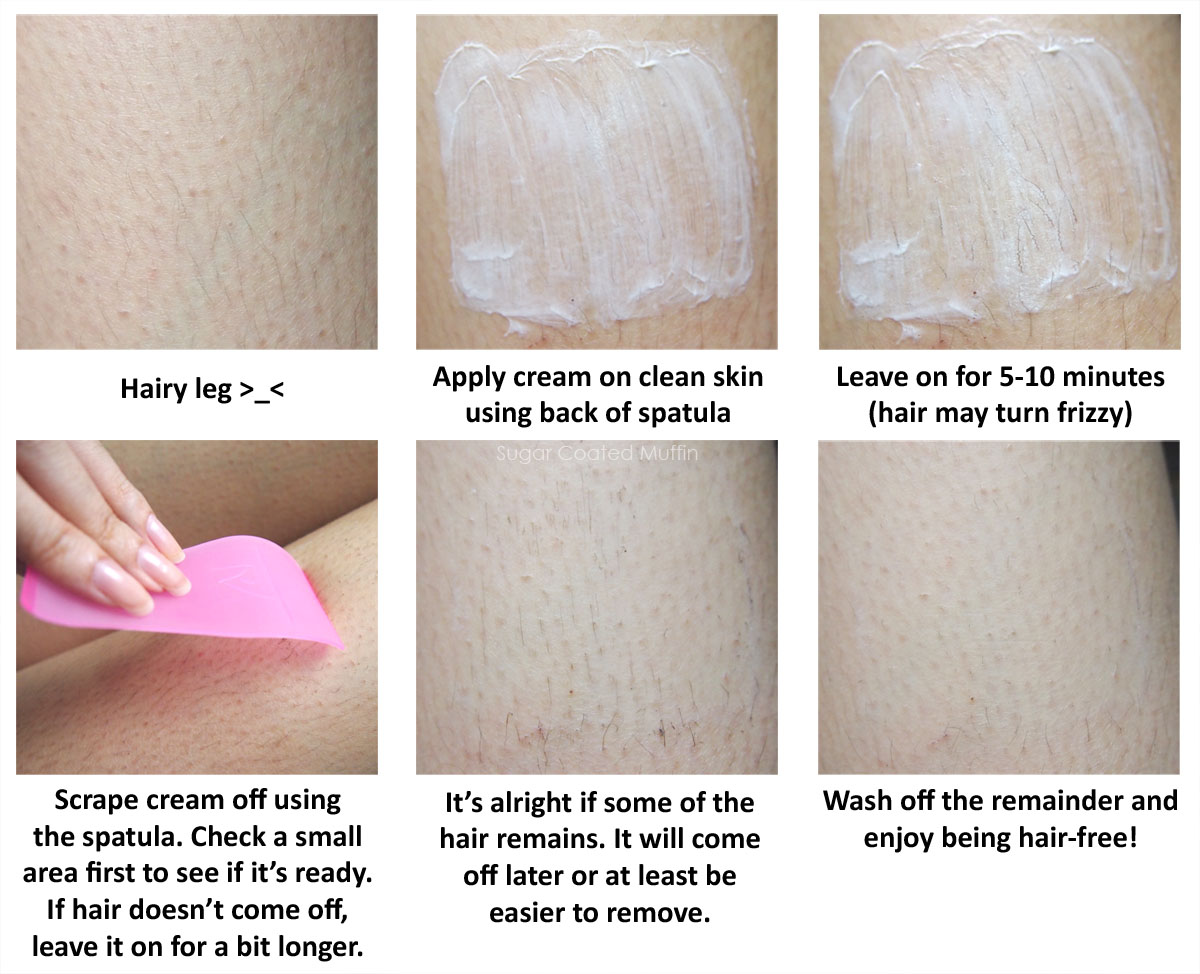
There is a distinct, almost Proustian, nostalgia attached to the faint, chemical whisper of a depilatory cream. For many of us, it conjures the scent of a tiled bathroom in the late 1990s, the plastic spatula that always felt slightly too flimsy, and the electric thrill of watching an entire leg emerge from a layer of white goo, as smooth as a river stone. Before the era of at-home IPL devices and 24-karat gold laser clinics, hair removal was a ritual steeped in a peculiar combination of ancient necessity and modern industrialism. The story of Veet, and the humble directions printed on its box, is not merely a tale of cosmetic chemistry; it is a timeline of feminine (and increasingly masculine) autonomy, a reflection of our evolving relationship with body image, and a chronicle of how we have always been willing to smear strange substances on our skin in the pursuit of a fleeting ideal. The initial human necessity was primal—a need for hygiene, a desire to rid the body of parasites, and later, a cultural mandate for a specific aesthetic that shifted like sand through the decades.
The earliest iterations of chemical hair removal were horrifyingly aggressive. In ancient Egypt, concoctions of quicklime, arsenic, and starch were slathered onto the skin with the same casual indifference we might apply to a body lotion today. These were not "directions" you could follow safely; they were alchemical dangers that risked chemical burns and worse. It was not until the early 20th century that a more humane approach emerged. In 1901, a New York chemist named Kenyon Lee developed a cream he called "Neet," which used barium sulfide to dissolve hair at the skin’s surface. This was a revelation—a product that promised smoothness without the nicks of a straight razor. Yet, even then, the directions were vague, the texture was clumpy, and the odor was reminiscent of rotten eggs, a byproduct of the sulfur compounds that were necessary for the chemical reaction. The marketing of this era was fascinatingly timid; advertisements in the 1920s depicted women with impossibly long gowns, suggesting the product was a secret to be kept from the world, a personal grooming hack whispered between friends rather than a mainstream declaration of body confidence.
As the decades rolled on, the science of depilation became more refined, but the experience remained a complex ballet of timing and temperature. The arrival of Veet as a distinct brand—the name change from Neet to Veet occurring in the 1960s to better appeal to the "velvet" texture promised—signaled a shift toward accessibility. But the directions themselves were a source of generational trauma. Do you remember the warning about not using the cream on broken skin? The stern instruction to use the spatula to "lift, not wipe" away the cream? These were not just operational tips; they were the 11th commandment of beauty. The tragedy of the misadventure was always a matter of miscalculation. Leave it on for three minutes instead of the indicated five, and you would face a patchy landscape of stubble; leave it on for seven, and you would risk a chemical burn that created a red, angry outline on your shins for a week. The cream was a testament to the fact that our quest for smoothness was often a tightrope walk between irritation and satisfaction.
Must Read
The Alchemy of Skin and Sulfur: A Journey Through Time
To truly analyze the "Veet Hair Removal Cream Directions" is to dissect a manuscript of human tolerance. The major transformation in these directions occurred in the 1980s and 1990s, when the chemical formulation shifted from the harsh calcium and barium thioglycolate blends to the more forgiving potassium thioglycolate. This was a massive turning point; the directions began to emphasize "sensitive skin" and the inclusion of aloe vera and vitamin E. However, the bizarre reality of the 1970s and 1980s was that the directions often suggested using the cream on all parts of the body, including the face, without the caveats we see today. The packaging featured monochrome sketches of women with tiny, alarming mustaches, implying that the cream was a cure-all for the "excess hair" that plagued the modern woman. It was a time when the directions were written with an assumption of female fragility—the text would begin with "In the privacy of your own home," acknowledging the shame associated with the act, rather than the empowerment of the choice.
The forgotten vintage facts of this era are almost comical in hindsight. The notes in the box specifically warned against using the cream "after soaking in a hot bath," but they never explained why. The reason, of course, is that hot water swells the hair shaft and opens the pores, making the chemical reaction far more volatile and increasing the risk of irritation. Yet, in the pre-internet era, this direction was simply a mysterious warning, often ignored by women who thought a warm shower would help the cream "work better." Similarly, the instruction to do a "patch test" 24 hours in advance was universally skipped, largely because the directions themselves were printed on a minuscule, folded slip of paper, hidden deep inside the carton, often crushed under the weight of the tube itself. It is no wonder that so many of us have vivid memories of a stinging sensation on our inner wrists. The directions were less a guide and more a legal disclaimer, written by chemists with a dry wit and a fear of lawsuits.

Another bizarre aspect of the previous decades was the absence of the "shower-friendly" logic. In the 1990s, the directions strictly forbade getting the cream wet while it was working. This meant you had to either lie awkwardly on the bathroom floor or balance on the edge of the tub, trying to read a book while your legs were covered in a crusty, cracking paste. It was a moment of absolute vulnerability. The smell, which manufacturers tried to mask with "floral bouquets," often resulted in a scent that was a horrifying amalgamation of cheap perfume and burnt rubber. Despite this, the product thrived because it offered a tangible result that razors could not: a slow, uniform regrowth that did not come with the "stenographic" stubble of a fresh razor shave. The directions, however, never prepared you for the psychological horror of seeing your own hair dissolve into a slimy goo; watching those strands just... melt... was an existential experience that gave one a new respect for the fragility of organic matter.
As we moved into the new millennium, the directions began to evolve in lockstep with our social consciousness. The 2000s introduced "Veet for Men," which came with a set of directions that were remarkably similar, yet the marketing angle was different—it was about "maintenance" and "athleticism," not shame. The instructions for the male variant surprisingly emphasized following the same timing, but the viscosity of the cream was thicker, designed to adhere to coarser terminal hair. This period also saw the introduction of the "Perfect Touch" applicator, a razor-like head that was, in reality, a plastic spatula with a hinge. The directions for this device were hilariously specific: "Press gently, with a 45-degree angle." It turned a simple act into a geometry lesson. Yet, this was also the era of the "chemical burn apology tour," where brands began to immediately launch "post-depilatory balms" because the directions were finally acknowledging that regardless of how perfectly you followed them, the chemicals were going to wreak a certain amount of havoc on your skin barrier.
Hacking the Ritual: Modern Anarchy in a Fast-Paced World
Today, the classic principles of Veet are being ruthlessly hacked by a generation that has no patience for the 5-minute timer. We are witnessing a surge of "skin-prep" protocols that modernize the vintage directions. For instance, the old rule of "don't apply to wet skin" is now being nuanced by dermatologists on TikTok who instruct users to apply a thin layer of baby powder to the area before applying the cream. This hack alters the pH balance of the environment, essentially allowing the chemicals to focus solely on the hair shaft, not the moisture in your skin, resulting in a quicker, less irritating dissolve. Another popular modernization is the "dry-run," where users mimic the application and removal process with a non-active cream (like a thick lotion) first, to understand the pressure and angle of the spatula, effectively rehearsing the directions without the chemical risk. This is a brilliant reinterpretation of the "patch test" protocol, turning it from a passive wait into an active skill-building exercise.

The most significant hack, however, is the rebellion against the "leave it alone" rule. The classic directions demand you wait silently. Modern users are hacking this with "micro-checking"—which goes against the flaking of the cream—using a damp cotton swab to gently test a tiny corner of the treated area at the 3-minute mark. This allows for a personalized hair-dissolution map, acknowledging that hair density varies across the leg. But the true genius of modern usage lies in the "pre-trim." The directions warn against applying to long hair, but a quick scissor-trim of the mane (for braver users) to about 3mm turns the cream from a messy coating exercise into a precise topical application. This preserves the efficacy of the chemical reaction and prevents the unsightly clumping of long, dissolved hair on the spatula. In our fast-paced world, the cream is no longer a passive activity—it is a performance of precision, a chemical cocktail manipulated by the user rather than simply administered.
Frequently Asked Questions: Bridging Myths and Modern Facts
1. Is it true that Veet can make your hair grow back thicker or darker?
This is the granddaddy of all depilatory myths, a fear that has been cultivated since the 1950s when razor manufacturers promoted the idea that chemical depilatories would damage the hair follicle. In reality, this is a physiological impossibility. Veet works by dissolving the hair protein above the skin’s surface. It does not interact with the papilla or the stem cells at the base of the follicle. When the hair regrows, it is a completely new hair that emerges. The reason it appears thicker is historical and optical: a razor cuts the hair transversely, leaving a blunt, flat tip that feels sharp and dense. A chemical cream dissolves the shaft into a rounded, tapered point. This tapered tip feels softer and finer to the touch. However, because the hair is often growing back en masse simultaneously, the density feel can seem greater, and because it hasn't been dragged by a blade, it may lie at a different angle, catching the light and looking more prominent.
Furthermore, the myth persists because of a misunderstanding of the hair growth cycle. When you use a depilatory cream, you are removing the hair during the anagen (growth) phase. The regrowth is synchronized for many hairs, so it feels like a sudden "crop" of new hair, whereas shaving staggers the regrowth visually. Ironically, the original Veet directions from the 1960s warned against "constant use in the same area to avoid alteration of hair structure," which was a purely anecdotal fear, not a scientific one. Modern dermatological consensus is unanimous: chemical depilatories do not change the color, thickness, or rate of hair growth. They only affect the visible portion of the shaft, providing a temporary cosmetic effect that lasts a few days longer than shaving because the dissolution happens slightly below the surface, leading to a smoother regrowth phase.

2. Why does the cream sometimes leave a yellow or orange stain on my skin?
This is a phenomenon that has caused countless moments of panic in dressing rooms, and it is directly tied to the chemistry of the directions being ignored. The staining is not a burn, nor is it a spill. It is a chemical reaction called a "thiol-induced discoloration." The active ingredients in Veet are thioglycolates. When these sulfur-based compounds come into contact with the natural oils and proteins in your skin, they can form a temporary byproduct. However, the more common cause of a yellowing stain is leaving the cream on too long, causing the thioglycolate to break down the top layer of dead skin cells (the stratum corneum) and react with the keratin in a way that oxidizes the skin's surface. This creates a yellowish tint, similar to what happens to a sliced apple left in the air. The old directions from the 1980s called this "over-processing," but they never advertised the risk clearly.
Another culprit is the presence of specific ingredients in your body lotion or skincare. If you have applied a product containing significant amounts of certain botanical extracts or mineral oils, the cream can interact with them. But the most common cause is actually the hair itself. Dark, coarse hair has a high concentration of melanin, and when the thioglycolate dissolves it, that melanin-rich solution can temporarily stain the skin pores, making them look like a constellation of dark dots or a yellow stain. The anti-stain remedy is almost always mechanical, not chemical. You should not scrub aggressively. The best course of action, which modern hacks have discovered, is to neutralize the reaction immediately by applying a paste of baking soda and water. This is a direct hack of the old "rinse thoroughly" direction. The baking soda alters the pH and halts the thioglycolate reaction instantly, preventing the melanin from oxidizing into the skin.
3. Are the "sensitive" versions of the cream actually less effective?
There is a widespread belief, born from the experiences of the 1990s, that "sensitive" versions of depilatory creams are just watered-down placebos that fail to dissolve coarse hair. This is a myth, but it stems from a fundamental misunderstanding of how the product is formulated. The "Sensitive" Veet formulations do not contain a significantly lower percentage of the active potassium thioglycolate. Instead, their formulation changes the buffering system and the delivery matrix. The directions for these products often recommend a shorter contact time (e.g., 3-4 minutes instead of 5-6 minutes). This is because the cream uses a higher concentration of glycerin and a more alkaline buffer, which allows the active ingredient to penetrate the hair faster but also makes it easier to cause irritation if left on too long. The key difference is not the strength of the hair-dissolving agent, but the speed at which it breaches the skin barrier.

The historical confusion arose because many users, in the 2000s, would buy the "Sensitive" formula but follow the directions for the "Normal" formula's contact time. Because the sensitive formula is optimized for a faster, more aggressive release of the thioglycolate when exposed to skin moisture, leaving it on longer produced a feeling of "it’s not working" because the cream would begin to flake off faster, looking less "active" than the thick, goopy normal version. However, if you follow the timing, the sensitive version is actually more efficient at dissolving the hair shaft. It is a clever piece of chemical engineering that trades a longer, steadier reaction for a shorter, burst-like one. It is not less effective; it is simply more demanding of your attention to the clock. Therefore, ignoring the directions is the only way you will get a disappointing result with any variant.
Looking toward the next twenty years, the very concept of a "hair removal cream" may become an anachronism, a quirky relic of our chemical past. We are already seeing the rise of topical "hair growth inhibitors" that are applied post-depilation, designed to send dormant signals to the follicle. The directions for Veet will likely transform from a manual of application to a manual of disengagement. Future iterations may involve a two-step system where a primer cream weakens the hair follicle stem cell signaling, followed by a low-dose chemical peel that dissolves the hair with virtually no wait time. The "directions" will be embedded in smart devices, with an app that uses your skin tone and hair density to calculate the exact formulation and contact time, adjusting for your hormonal cycle. The packaging might be biodegradable, dissolving itself after the reaction is neutralized.
In a more radical future, the nostalgic act of applying a thick, white paste will be replaced by "gene-silencing lotions" that temporarily deactivate the hair-producing protein pathways for weeks at a time. The ritual will become so precise, so biologically targeted, that the fear of the chemical burn will be a distant memory. The directions will read less like a cookbook and more like a biological prescription. Yet, there is a part of us that will mourn the mess, the smell, and the suspense of those timeless five minutes. Because in that waiting, there was a tangible connection to our own bodies—a quiet moment of inspection and care that no laser or algorithm can replicate. The future will bring us effortless smoothness, but it will never bring back the thrill of lifting the spatula to reveal a perfectly seamless, glistening canvas of skin. And perhaps, that is the true value of the directions we remember: they forced us to be present, to be careful, and to be patient with ourselves.