Us Bank Software Engineer Interview

Imagine being paid to solve puzzles, build clever tools, and peek behind the curtain of one of America's biggest banks. That’s the reality of a software engineer at U.S. Bank, and their interview process is like a thrilling tech scavenger hunt. It’s not just about writing code; it’s about proving you can think on your feet, collaborate under pressure, and care about the money that keeps the world spinning. Whether you’re a seasoned pro or a curious newbie, understanding this process is your golden ticket to a rewarding career.
Why This Interview Rocks
Forget boring, robotic interviews. U.S. Bank wants to see your human side and your technical chops in equal measure. They’ve designed a multi-stage gauntlet that feels more like a fun team challenge than a stressful exam. You’ll get to show off your problem-solving skills in real-time, not just recite textbook answers.
The best part? You’ll learn a ton about their tech stack, from cloud platforms to modern Java frameworks. It’s a two-way street—they’re interviewing you, but you’re also scouting them as a future home. You’ll leave with a clear picture of what it’s like to build software that handles millions of transactions daily.
Must Read
Stage One: The Phone Screen and Take-Home Challenge
Your journey kicks off with a friendly recruiter call—think of it as a coffee chat, not an interrogation. They’ll ask about your background, your passion for fintech, and why U.S. Bank excites you. If you pass that vibe check, you’ll get a take-home coding assignment that’s actually interesting, not a boring sorting algorithm.
Expect a realistic problem, like building a mini banking API or a simple transaction tracker. They’re testing your ability to write clean, readable, and testable code.
“Show your work, explain your choices, and don’t forget to handle edge cases—that’s what they’re really looking for.”
Stage Two: The Technical Panel (The Main Event)
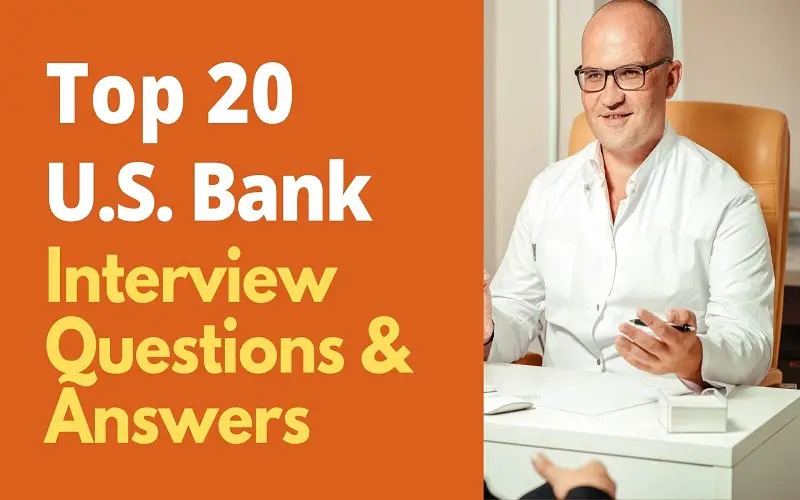
This is where the real fun begins. You’ll meet a team of 3–4 engineers who will grill you on data structures, system design, and your past projects. Think of it as a friendly sparring match—they want to see how you handle tough questions without freezing. They’ll ask you to write code on a shared whiteboard or online editor, and they’ll nudge you with hints to see how you collaborate.
But here’s the twist: they care as much about your communication skills as your syntax. You’ll explain your logic out loud, defend your design decisions, and sometimes you’ll be wrong—and that’s okay. They love candidates who say “I don’t know, but here’s how I’d figure it out.” That growth mindset is gold.

Stage Three: System Design and Behavioral Rounds
Now comes the big-picture thinking. You’ll be asked to design a service that handles, say, 10,000 transactions per second. Don’t panic—they’re not expecting a production-ready blueprint. They want to see your architectural reasoning, your awareness of trade-offs, and your ability to ask clarifying questions. Draw boxes and arrows, talk about databases, caching, and failure modes—it’s a chess match that’s genuinely exciting.
Then comes the behavioral round, which feels like a deep conversation with a wise mentor. They’ll ask about a time you failed, a conflict with a teammate, and your proudest achievement. Use the STAR method (Situation, Task, Action, Result) to structure your stories. Be honest and vulnerable—they’re checking for cultural fit and resilience, not perfection.

Purpose and Benefits: Why This Process Wins
The purpose of this multi-layered interview is to find engineers who thrive in the messy, collaborative reality of banking software. It’s not about who memorizes the most LeetCode problems—it’s about who can adapt, communicate, and secure critical systems. The benefit for you? You’ll walk into the job with zero surprises, already knowing their style and expectations.
Moreover, this process is a fantastic learning experience. Even if you don’t land the job, you’ll gain confidence in your system design skills and learn how to articulate your thought process under pressure. Every question is a free mini-masterclass in modern engineering practices. And if you do get the offer, you’ll join a team that genuinely values your growth and your ideas.
So, roll up your sleeves, practice your trade-offs, and bring your curiosity. U.S. Bank isn’t just looking for code monkeys—they’re looking for problem-solvers who love a good challenge. And with that mindset, you’re already halfway there. Good luck—you’ve got this!