Things To Know About The Air Force
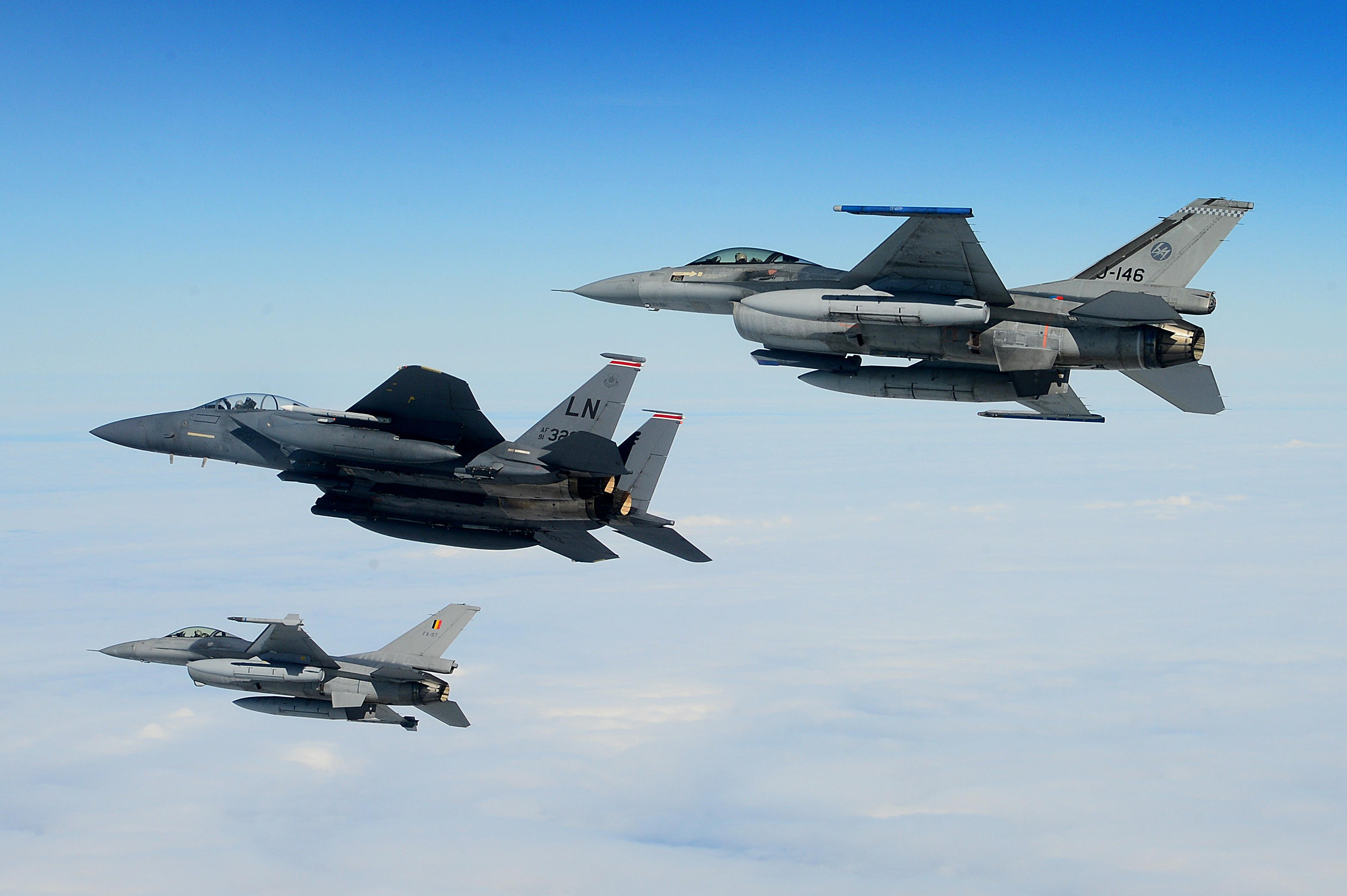
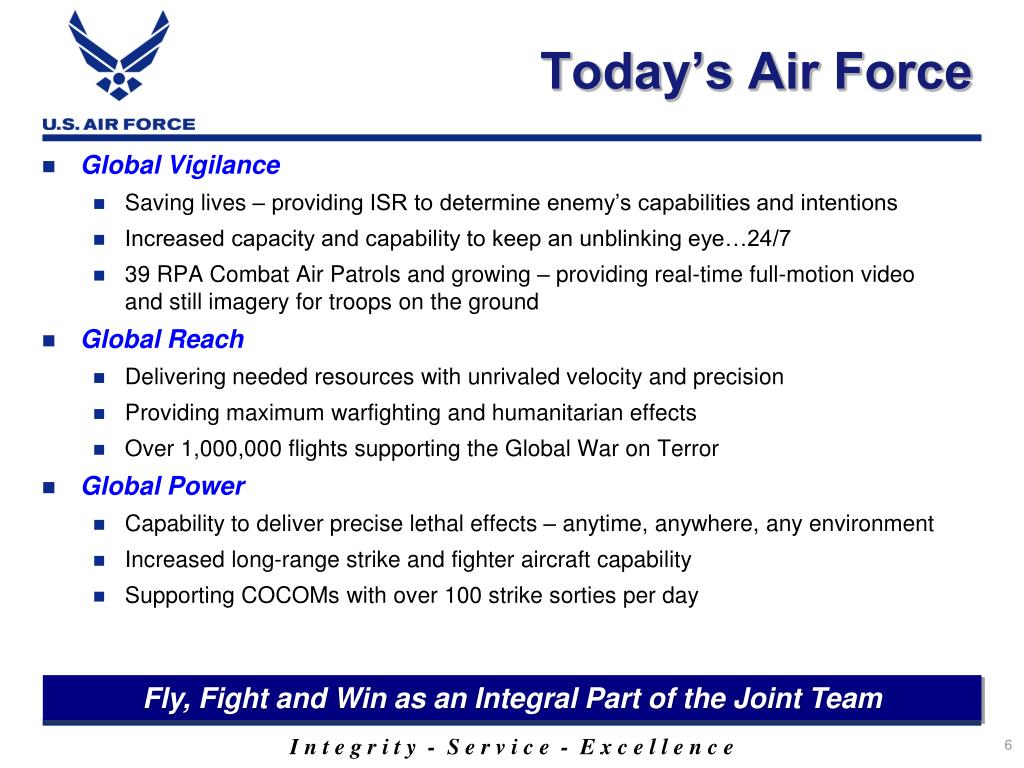
There’s a specific kind of silence that exists on an Air Force flight line just before dawn. It’s not empty—it’s a dense, electric quiet, broken only by the distant hum of hydraulic systems and the rhythmic clack of a crew chief’s boots on tarmac. Most of us think of the Air Force as a collection of fast jets and heroic pilots, a cinematic blur of afterburners and Top Gun soundtracks. But pull back the curtain, and you’ll find an institution that is less about individual bravado and more about a strange, obsessive marriage of extreme technology, bureaucratic precision, and psychological endurance. It’s a world where the “fighter pilot” is actually the tip of a colossal iceberg, with 90% of the force never leaving the ground, yet arguably holding the entire mission together with paperwork and satellite links.
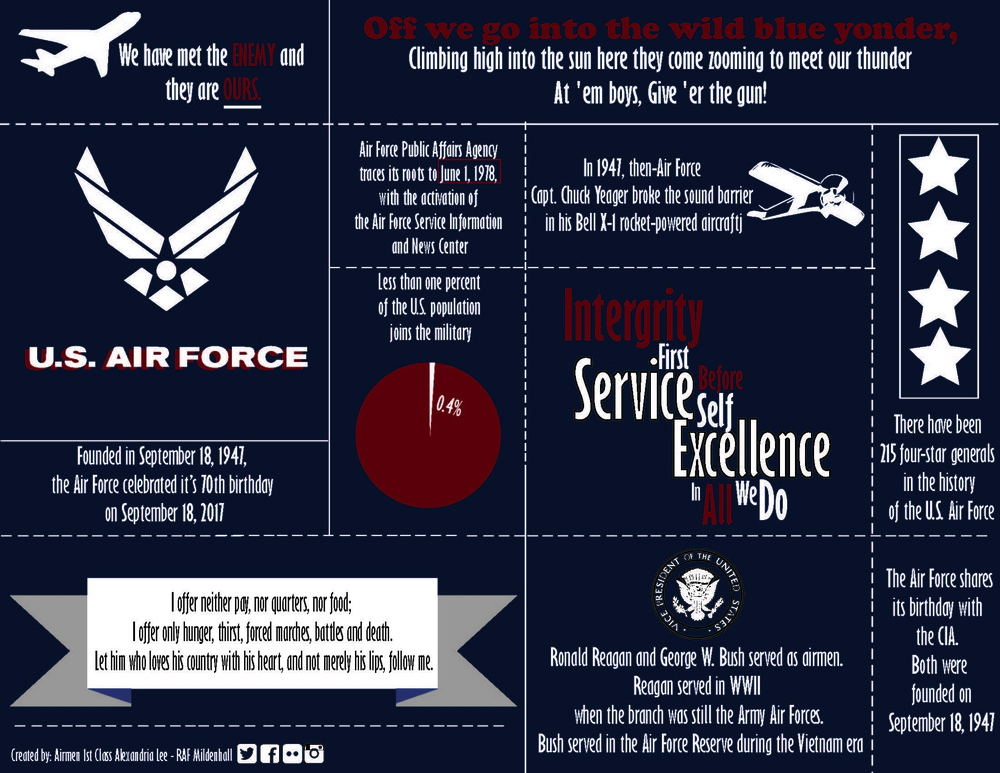
Born officially in 1947, the U.S. Air Force was a radical divorce from the Army, a post-WWII argument that air supremacy—not ground troops—would decide future conflicts. Since then, it has evolved into a global nervous system, managing everything from weather satellites to nuclear silos buried in the American heartland. Understanding this branch means unlearning the myth of the lone ace. It’s about recognizing that the most dangerous weapon in the sky is often a drone operator sitting in a dark room in Nevada, sipping a soda and watching a live feed from 8,000 miles away. That cognitive dissonance—the sterile, remote reality of modern air power—is just one of the many bizarre, dark truths that define this elite yet deeply bureaucratic domain.
The Quiet Psychology of the Blue
Let’s talk about the mental toll that rarely makes it into the glossy recruitment ads. The Air Force is unique among the military branches because its “combat” often involves extreme passivity followed by moments of terrifying, instantaneous violence. A missile launch is a button press; a year’s worth of deployment for an intelligence analyst can be staring at a grayscale screen waiting for a ghost. This creates a specific breed of stress that psychologists call “motionless fatigue.” Unlike the infantry soldier who tires from marching, the airman often tires from the sheer weight of vigilance. The culture has responded by creating a hyper-structured lifestyle—everything from the precise folding of a uniform to the mandated physical training schedule—as a fragile bulwark against the chaos of the job. The irony is brutal: a force built to fly at Mach 2 spends most of its time stuck in traffic to a windowless office where the thermostat is set to 68 degrees.
Must Read
There’s also a darkly humorous aspect to how the Air Force views its own members. They are famously the most “corporate” of the armed forces, with a penchant for acronyms that boggle the mind and PowerPoint presentations that have achieved self-parody. In fact, war-fighting doctrine aside, the most feared weapon in the Air Force arsenal is often the “death by brief”—a multi-hour, slide-deck presentation that outlines a plan so complex that no one actually remembers the original objective. This obsession with process stems from the reality that a single miscommunication in air-to-air refueling can kill hundreds. But it also creates a bizarre culture where a 22-year-old cyber operator who has never fired a weapon may hold more tactical power than a bomber pilot. The psychological shift here is profound: embracing the role of a white-collar worker who might accidentally end a war, all while wearing a flight suit as a costume.
Culturally, the Air Force has given us more than just flyovers at football games. It’s given us the concept of “situational awareness,” a phrase now used in boardrooms and on dating apps alike. More critically, it normalized the idea of “remote warfare.” The pilotless drone era—which the Air Force pioneered—has fundamentally changed how we view heroism and sacrifice. There is no titanic struggle in the skies; there is a quiet click in a trailer. The moral weight of that click is something the force still wrestles with, but it reveals a stark modern truth: the most dangerous soldier is the one who never smells the gunpowder. This redefinition of combat is the Air Force’s true legacy—a legacy of clean, abstract violence that feels more like a video game, except the pixels bleed.
Life in the Stratosphere: Practical Scenarios and Insider Truths
Scenario One: The Enlisted Aviator. You might assume that everyone in the Air Force flies. Let’s destroy that myth right now. Only about 3% of the force are pilots. The rest are a sprawling ecosystem of mechanics, weather forecasters, legal clerks, and explosive ordnance disposal techs. Consider the case of a senior airman in the 2W1X1 career field—a weapons loader. This individual will spend eight hours a day physically wrestling 2,000-pound bombs onto wing pylons, their arms slick with hydrazine and grease, while a pilot—dressed in a $500,000 flight suit—approaches for a “pre-flight walk-down.” The pilot will ask, “Are they secure?” The loader will nod. And that’s it. The pilot’s entire life depends on the diligence of a 19-year-old from Nebraska who barely makes $30,000 a year. The takeaway? In the Air Force, rank is a social construct, but mutual survival is a full-time job. The unrecognized muscle of the force is not the pilot’s right hand on the throttle, but the enlisted specialist’s obsessive eye for a hairline crack in a titanium bolt.
Scenario Two: The Nuclear Missileer. This is perhaps the most terrifying and boring job on Earth. Imagine sitting in an 8x8 concrete capsule, 60 feet underground, with two other people, for 24-hour shifts, guarding a “knob” that can end civilization. There is no window. There is a red phone. The only entertainment is a small library of novels and a microwave. These airmen—dubbed “missileers”—are trained to turn keys simultaneously with a crewmate if the order comes, a ritual known as “two-man rule.” The dark fun fact here is that the launch code was, for decades, the digit “00000000” for Minuteman silos, as a deliberate safety measure to ensure that no frazzled commander could fumble the sequence under stress. The strategic insight? The Air Force gambles that the most reliable component of a thermonuclear weapon is the human being who is too bored to panic. It’s a chillingly practical approach to existential dread.
Actionable Takeaway for Civilians: The Air Force teaches a mental model that scales perfectly to the civilian world: task saturation management. In a cockpit, when everything goes wrong, the pilot is trained to “aviate, navigate, communicate.” In that exact order. Deal with the immediate safety (aviate), then sort out your position (navigate), and only then talk about it (communicate). Most of us invert this—we complain first, then get lost, then panic. Try applying the aviator’s checklist to your next overwhelming Monday. Stop the bleeding, get your bearings, then send the email. The second takeaway is the power of redundancy. The Air Force believes in backups for the backups. Your paycheck should have an automated transfer; your hard drive should have a cloud copy; your career plan should have a second path. The bureaucratic excess of the Air Force is annoying, but it’s also a lifeboat.
Case Study in Adaptation: During the 2020 COVID-19 pandemic, the Air Force discovered that 85% of its non-combat roles could be performed from home. Medical records, supply chains, and even some intelligence analysis shifted to kitchen tables with VPNs. This caused a quiet revolution in how the force views readiness. The new doctrine is “distributed operations”—where a fighter wing can be commanded from a trailer in Kansas while the jets are in Poland. For the civilian reader, this is a masterclass in resilience. The Air Force realized that rigid centralization is a vulnerability. If you’re running a business, a family, or even just a personal project, ask yourself: “What is my single point of failure?” The Air Force identifies that, then builds a parallel system that doesn’t care about geography. That’s not just military strategy; that’s modern survival.
Frequently Asked Questions About the Air Force
1. Is the Air Force “easier” than other military branches?
Socially, yes—in terms of physical hardship, the Air Force generally has softer living conditions, better food, and more technological training. But “easier” is a misnomer. The physical standards are lower than the Marines, yet the intellectual standards are significantly higher. You’re more likely to be failed for failing an advancement exam on aerodynamics than for failing a sit-up test. The emotional burden is different: you sit in a room that may be physically safe, but your decisions affect global security. A misclick on a satellite transponder can blind an entire theater of operations. So while you won’t sleep in the mud, you will likely develop chronic eye strain and a caffeine dependency while managing a data stream that could trigger a blackout in a foreign country.
It also depends on your job. A Special Tactics officer (combat controller) will endure the same brutal physical trials as the Navy SEALs, surviving freezing water and long-range patrols to call in airstrikes. Meanwhile, a finance specialist might never see the sun. The spectrum is vast. So, to answer directly: if you want routine, the Air Force can be comfortable. If you want combat, it can be just as deadly as any ground branch, but with a higher likelihood of a security clearance in your resume. The “ease” is a myth; it’s just that the difficulty is hidden behind a keyboard and a laser-guided targeting pod instead of a 60-pound rucksack.
2. What is the strangest job in the Air Force?
That’s a toss-up between the Water Fuels Systems Maintenance technician—who spends their career cleaning jet fuel tanks (known as “bathyspheres of sludge”)—and the Weather Officer who specializes in “space weather.” The space weather people monitor solar flares and geomagnetic storms, not to predict rain, but to protect satellites and GPS signals. They issue “space weather warnings” that can ground entire squadrons. However, the true prize for weirdness goes to the Falconer. Yes, the Air Force maintains a falconry program. At certain bases, they use trained falcons to scare birds away from runways, because a single goose strike on a cockpit canopy at 200 mph is equivalent to a cannonball. So the most ancient hunting technique in history is still officially used to protect the most advanced jets on earth. It’s a surreal mix of medieval and modern.
Another contender is the Cryptologic Linguist. These airmen sit in windowless vaults for years, listening to foreign transmissions, translating coded chatter into actionable intelligence. They often become so attuned to the voices of enemies on the radio that they can identify a single individual’s mood shifts or a new operator’s accent from thousands of miles away. Many develop PTSD from the intimacy of listening to the “other side” laugh and talk about their families, then being tasked with pinpointing their location for a strike. It’s a dark, intimate job that requires an extreme ability to compartmentalize human empathy.
3. How long is Basic Training, and what is it really like?
Basic Military Training (BMT) lasts 7.5 weeks at Lackland Air Force Base in San Antonio, Texas. It is famously less physically brutal but more mentally manipulative than other branches. The instructors—called Military Training Instructors (MTIs)—wear the iconic “Smokey Bear” hat and are trained to invade personal space. The goal isn’t to break you physically; it’s to break your individualism. You will be yelled at for walking too slowly, for looking at the wall, for smiling wrong. But here’s the insider secret: the yelling is a script. The MTIs are evaluating your reaction to stress, not your physical strength.
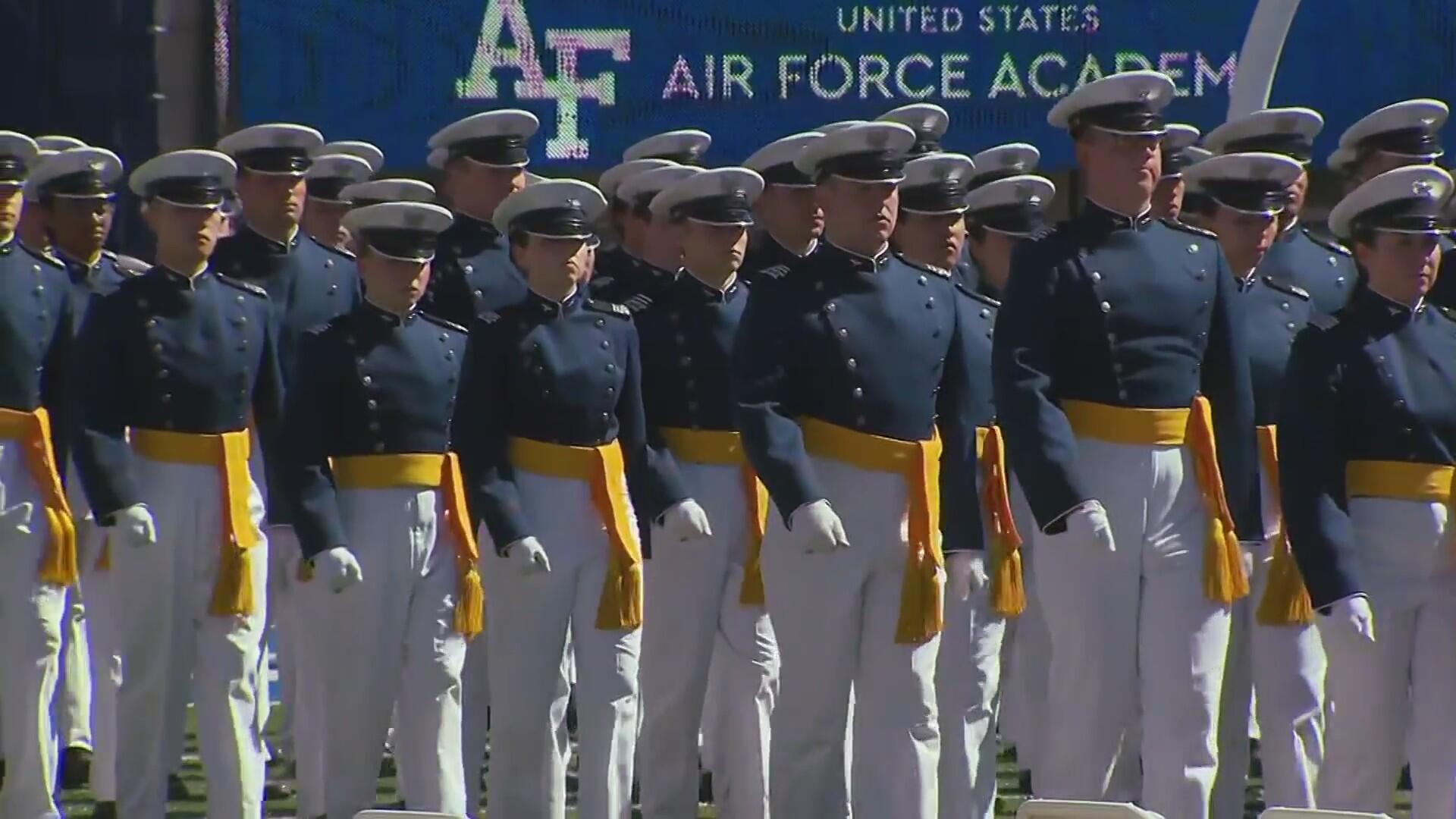
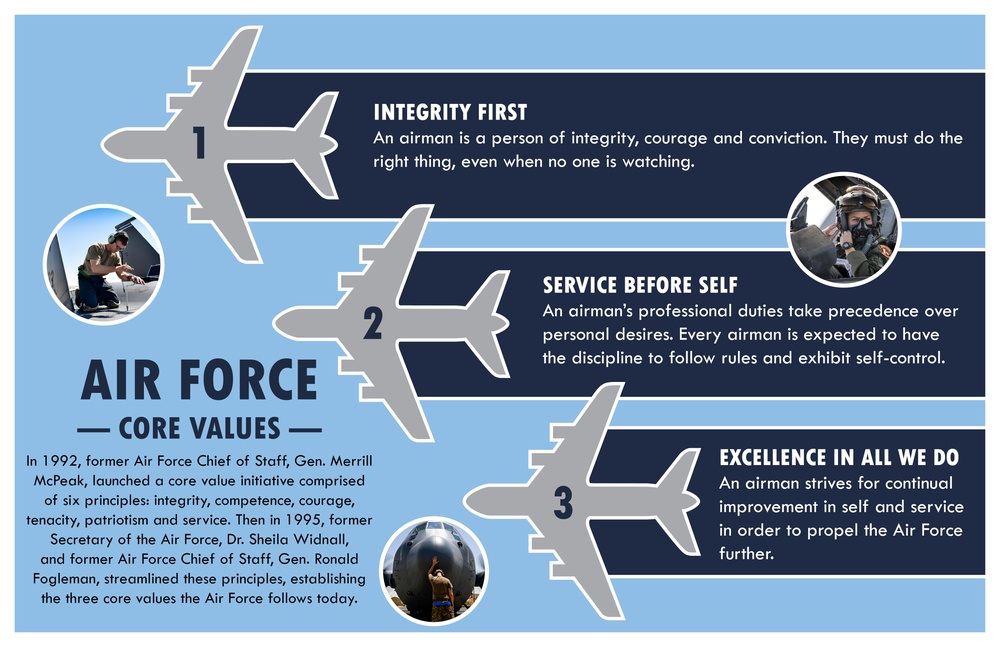
What surprises most recruits is the sheer volume of academic work. You will study the core values (Integrity First, Service Before Self, Excellence in All We Do) and take written tests. You’ll learn how to salute, how to wear the blues, and how to fold a shirt so precisely that it resembles plastic. Strangely, the most stressful part isn’t the obstacle course—it’s the “dorm inspection” where a single dust bunny under a bunk results in your entire flight being “corrected” with extra pushups. By the end, you’ll have a paranoid attention to detail. The graduation parade is a false peak; the real graduation occurs when you realize you can function on 4 hours of sleep, recite the airman’s creed backwards, and still hold a civil conversation with a screaming sergeant.
4. Do Air Force pilots get to choose their aircraft?
Rarely. The process is called “airframe selection” and it’s a surreal lottery based on class ranking, physical height, and slots available, not necessarily your dream. If you graduate near the top of pilot training, you’ll have the first pick. The dream of flying the F-35 is common, but many end up flying the C-130 Hercules transport, or worse—for thrill-seekers—the E-3 Sentry, a massive AWACS radar plane where you’re essentially a flying office. Height is a cruel gatekeeper: if you’re over 6 foot 4, you cannot fit in the ejection seat of an F-16, so you’re forced into bomber or tanker duty.
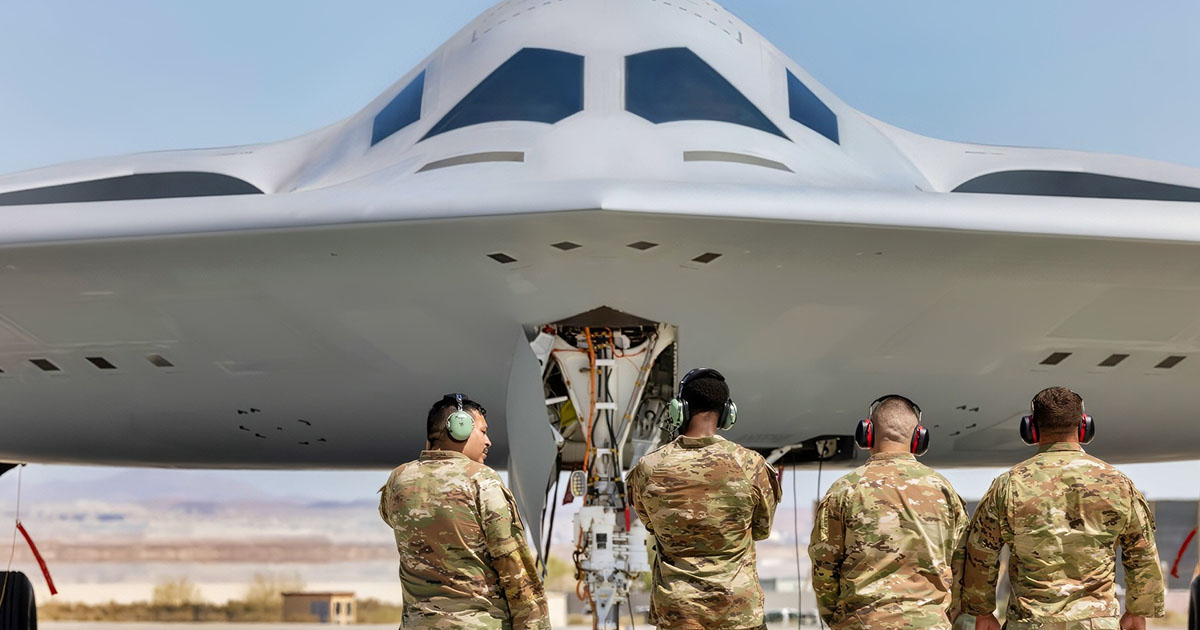
There’s a dark trend known as “fighter mafia” culture. Fighter pilots (jets) are at the top of the prestige hierarchy, followed by bombers, then helos, then cargo. But a pilot with a 4.0 average and an aggressive personality might be selected for the B-2 Spirit stealth bomber, which is arguably more strategic—it drops nukes. Most pilots eventually admit that flying a tanker (refueling planes) is the most soul-crushing job, flying ten-hour orbits at 30,000 feet, watching a fuel boom. But the astonishing fact is that a majority of pilots don’t fly at all. Only about 40% of rated officers are in combat aircraft; the rest fly remotely or serve as acquisition specialists. It’s a humbling wake-up call for anyone who dreamed of riding an F-22 through the Mach loop.
5. What is the most secretive Air Force unit?
Officially, the Air Force uses the term “Special Access Programs” (SAPs) for these black-box units. The most famous is the 645th Aeronautical Systems Group, colloquially known as the “Big Safari” office, which modifies existing aircraft for classified missions—like turning a 747 into a laser cannon. But the crown jewel is the 11th Reconnaissance Squadron, operating the USAF’s top-secret RQ-180 stealth drone, a flying wing so secretive that its existence was only acknowledged via leaked budget documents. The unit operates out of Area 51 (yes, that one), with no public logos, no official emails, and no mention in the official Air Force register.

However, the most shadowy of all might be the 72nd Intelligence, Surveillance, and Reconnaissance Directorate, located at Wright-Patterson Air Force Base. They analyzed the infamous “Tic Tac” UFO videos as a legitimate flight safety issue, but their reports vanish. In 2023, a FOIA request for any documentation on “unidentified aerial phenomena” was returned with a single black page and a red stamp: “DENIED – SEE SAFETY DIRECTOR.” The public rumor is they hold data on alien propulsion, but a more grim reality is they likely hold data on our own hypersonic test failures. Either way, the Air Force has mastered the art of opacity. The secret isn’t always a weapon; sometimes, it’s just covering up how often their billion-dollar toys crash due to software bugs.
So why should a civilian—someone who will never don a uniform—care about the Air Force? Because its core doctrine of calculated readiness mirrors the human condition. We all live in a state of low-grade alert, managing our personal “mission” to survive, pay bills, and protect our loved ones. The Air Force does this on a planetary scale, but the psychological tools are identical: break down the giant problem into a checklist, rely on redundancy, and accept that sometimes you don’t see the enemy. Watching a B-52 bomber fly overhead is a reminder that we are all, in some sense, “flying blind” with processed data from a noisy world, making high-stakes decisions based on incomplete information.
There is also a profound lesson in the Air Force’s handling of silence and waiting. A pilot spends thousands of hours in training for a single minute of combat. A missileer spends a career waiting for a command that never comes. Most of our lives are that waiting room—the mundane hours that build the foundation for rare moments of action. The Air Force teaches us to honor the boring work, to perfect the ritual of the daily briefing, because that is where discipline lives. The flashy Mach 2 run is just the payoff for a year of endless, dull instrument checks.
Finally, the Air Force is a mirror of our collective fear and ambition. It represents the pinnacle of our technical brilliance and the terrifying ease of our destructive capacity. In its gleaming jets and silent satellites, we see our own contradictory nature—the desire to protect and the capacity to obliterate. But if we look closer, past the camouflage and the jargon, we see a group of humans, chronically over-caffeinated and under-slept, trying their best to keep the world from spinning off its axis. That existential weight, shared by a crew chief and a general, is the truest thing we know about the Air Force. It is a bureaucracy, yes, but it is a bureaucracy that holds the sky in its hands, and it reminds us that even the most abstract power always comes down to a person checking a torque wrench one more time.