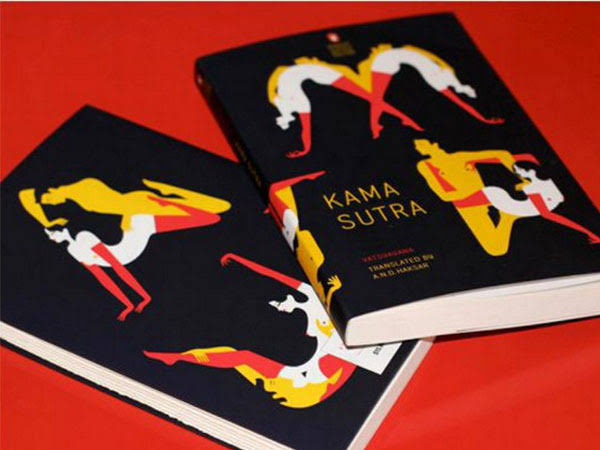
The Kamasutra Book In English

So, you've heard of the Kamasutra, but do you really know what it's all about? This ancient Indian book is often misunderstood as just a collection of raunchy sex positions, but trust me, it's so much more than that. It's like the original relationship self-help book, but with way more interesting illustrations.
The Origins
The Kamasutra was written by Vatsyayana Mallanaga in the 2nd century CE, which is like, a really long time ago. The book is divided into seven chapters, covering everything from how to find a partner to how to keep the spark alive in a relationship. And, fun fact, the word "Kamasutra" literally means "the teaching of pleasure" in Sanskrit.
Now, I know what you're thinking, "Is this book just a bunch of dirty sex tips?" Well, not exactly. While it does include some creative positions, it's also got advice on how to build a strong relationship, how to communicate with your partner, and even how to pick up someone at a party (basically, the ancient Indian version of Tinder).
Must Read
The Famous Positions
Okay, let's get to the good stuff – the famous sex positions. You've probably heard of the "lotus" or the "cowgirl", but have you ever tried the "congress of the cow" or the "suspension"? Yeah, they sound interesting, but some of them are actually pretty practical and can add some variety to your love life.
But here's the thing, the Kamasutra isn't just about the physical stuff – it's also about the emotional connection between partners. It talks about the importance of communication, trust, and mutual respect in a relationship. It's like the ancient Indian version of "The 5 Love Languages" or something.

Translation and Interpretation
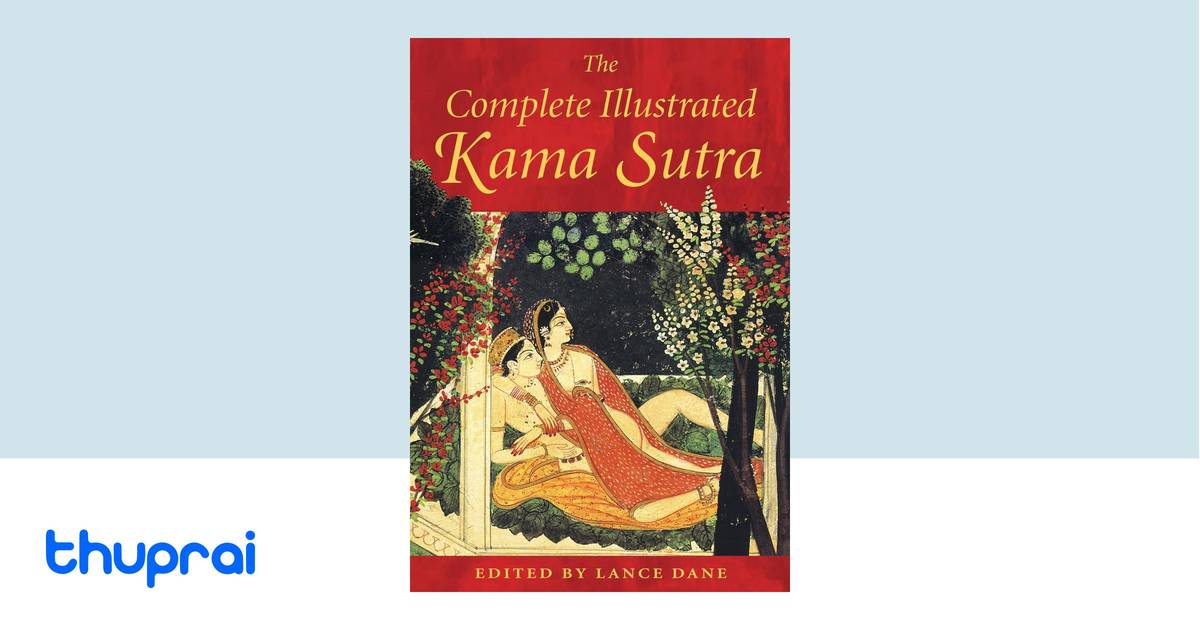
Now, when the Kamasutra was first translated into English in the 19th century, it was a big deal – people were shocked and scandalized by its frank discussion of sex. But, over time, the book has been translated and reinterpreted in many different ways, and its message has become more nuanced and inclusive.
In fact, some modern translations of the Kamasutra include footnotes and commentary to help readers understand the historical and cultural context of the book. It's like reading a really old self-help book, but with better advice and more interesting stories.
And, surprisingly, the Kamasutra has also been influential in the development of Western sexology and psychology. It's like, who knew that an ancient Indian book could have such a big impact on modern relationships and sexuality?
In conclusion, the Kamasutra is way more than just a sexy book – it's a timeless guide to love, relationships, and personal growth. So, if you're looking for some interesting advice on how to spice up your love life or just want to learn more about ancient Indian culture, then the Kamasutra is definitely worth checking out.