Teaching Her How To Have Sex

The human experience is complex and multifaceted, with various aspects influencing our well-being and personal growth. One such aspect, often shrouded in mystery and misconception, is the realm of intimate relationships and the act of teaching someone how to navigate these waters. At its core, this process is not merely physical but deeply psychological and emotional. Our brains react to the idea of intimacy and sex with a mix of excitement, fear, and curiosity, stemming from a combination of biological, societal, and personal factors. The modern relevance of understanding and addressing the psychological aspects of sex education cannot be overstated, as it directly impacts mental health, relationships, and overall quality of life.
The journey of teaching someone about sex, particularly in the context of a new or developing relationship, involves a delicate balance of openness, patience, and empathy. It's a process that requires a deep understanding of not just the physical act, but the emotional and psychological nuances that come with it. The hesitation or reluctance some may feel towards this subject can stem from past experiences, societal taboos, or the fear of not knowing how to approach the conversation. However, it's crucial to recognize that sex, in its healthiest form, is a natural part of human connection and can foster deeper intimacy, trust, and understanding between partners. By embracing an open and informed approach to sexual education, individuals can work towards breaking down barriers and developing a more positive, respectful attitude towards sex and relationships.
Understanding the Psychological Landscape
Diving into the psychological aspects of teaching someone about sex reveals a complex tapestry of emotions, beliefs, and past experiences. Each individual brings their unique perspective, shaped by upbringing, culture, and personal history, to the table. Empathy and understanding are key in this process, as they allow for a safe and supportive environment where both partners feel comfortable expressing their desires, fears, and uncertainties. The hidden emotional triggers that may arise can range from performance anxiety to body image issues, highlighting the need for a compassionate and patient approach.
Must Read
Cognitive biases and mental hurdles can also play a significant role, influencing how individuals perceive and engage with the idea of sex and intimacy. For instance, the myside bias, where one overestimates the importance of their own beliefs, can lead to misunderstandings and conflict. Similarly, fear of vulnerability can act as a barrier, preventing individuals from fully opening up and experiencing the depth of intimacy. By recognizing and addressing these biases and fears, couples can work towards a more harmonious and fulfilling connection.
The importance of communication cannot be overstated in this context. Open dialogue about desires, boundaries, and expectations helps in navigating the complexities of sexual relationships. This communication should be bidirectional, with both partners actively listening and expressing themselves honestly. Moreover, it's essential to approach these conversations with sensitivity and an open mind, acknowledging that each person's comfort level and preferences may vary widely.
Navigating the Journey Together
As individuals embark on the journey of teaching and learning about sex, it's crucial to adopt a mindset that prioritizes mutual respect, trust, and open communication. This journey should be approached as a collaborative effort, where both partners are equally invested in understanding and fulfilling each other's needs. A step-by-step approach can be particularly helpful, allowing couples to progress at their own pace and build a foundation of trust and intimacy.

One of the first steps involves creating a safe and comfortable environment where both partners feel at ease discussing their feelings and desires. This can be facilitated by setting aside dedicated time for these conversations, free from distractions and interruptions. Additionally, educational resources can play a vital role, providing valuable insights and information to enhance the sexual experience and foster a deeper understanding of each other's needs and desires.
A key aspect of this journey is self-reflection and self-awareness. Understanding one's own desires, boundaries, and emotional triggers is essential for effective communication and a healthy sexual relationship. This process of self-discovery can be nurtured through journalling, mindfulness practices, and engaging in open and honest self-reflection. By gaining a deeper understanding of oneself, individuals can better articulate their needs and expectations to their partner, leading to a more fulfilling and intimate connection.
Lastly, the importance of patience and empathy cannot be stressed enough. Teaching someone about sex, and learning oneself, is a journey that requires time, understanding, and a willingness to grow together. By embracing this process with an open heart and a positive attitude, couples can navigate the complexities of sexual relationships with grace, leading to a more profound and satisfying connection.
Frequently Asked Questions
How Do I Approach the Conversation About Sex with My Partner?
Approaching the conversation about sex with your partner requires a thoughtful and sensitive approach. It's essential to choose the right time and place, where both of you feel comfortable and won't be interrupted. Starting the conversation with open-ended questions can help set a collaborative tone, allowing both partners to express their thoughts, feelings, and desires. Additionally, active listening is crucial, as it demonstrates respect for the other person's perspective and fosters a deeper understanding of each other's needs.

The conversation should also be ongoing, rather than a one-time discussion. Sexual preferences and boundaries can evolve over time, and maintaining an open line of communication allows partners to adapt and grow together. By embracing this conversation with honesty, empathy, and an open mind, couples can lay the foundation for a healthier and more fulfilling sexual relationship. It's also important to remember that professional guidance is available, should the need arise, providing couples with the tools and information necessary to navigate any challenges they may face.
What If My Partner and I Have Different Sexual Desires or Boundaries?
Differences in sexual desires or boundaries are common in any relationship and can stem from a variety of factors, including past experiences, personal preferences, and emotional comfort levels. Approaching these differences with empathy and understanding is vital, as it allows partners to communicate their needs and feelings effectively. Compromise and finding common ground can help couples navigate these differences, ensuring that both partners feel respected and fulfilled in their sexual relationship.
It's essential to recognize that communication is key in addressing and overcoming these differences. By maintaining an open and honest dialogue, partners can work together to find solutions that cater to both of their needs. This may involve exploring different options or seeking professional advice to better understand and manage their desires and boundaries. Ultimately, the goal is to foster a sexual relationship that is mutually respectful, fulfilling, and nurturing for both partners.

How Can I Ensure That My Partner Feels Comfortable and Safe During Sexual Intimacy?
Ensuring that your partner feels comfortable and safe during sexual intimacy is paramount for a healthy and fulfilling relationship. This can be achieved by prioritizing open communication, where both partners feel encouraged to express their desires, boundaries, and any discomfort they may experience. Consent is also a critical aspect, as it ensures that both partners are willing and enthusiastic participants in any sexual activity.
Creating a safe and supportive environment is equally important, where both partners feel secure in expressing their feelings and needs without fear of judgment or rejection. This environment can be fostered by practicing empathy and active listening, demonstrating a genuine interest in and respect for the other person's feelings and boundaries. By prioritizing comfort, safety, and mutual respect, couples can build a strong foundation for their sexual relationship, one that is characterized by trust, intimacy, and fulfillment.
What Role Does Emotional Intimacy Play in Teaching Someone About Sex?
Emotional intimacy plays a profound role in teaching someone about sex, as it lays the foundation for a deeper and more meaningful connection. Emotional intimacy involves sharing personal thoughts, feelings, and desires with your partner, creating a bond that transcends the physical aspect of sex. By fostering emotional intimacy, couples can build trust, understanding, and a stronger sense of connection, which in turn can enhance the sexual experience and overall relationship.
The process of teaching someone about sex, therefore, should not be limited to the physical act but should also encompass the emotional and psychological aspects of intimacy. By doing so, couples can navigate the complexities of sexual relationships with greater ease and understanding, leading to a more fulfilling and intimate connection. Emotional vulnerability and open communication are essential in this regard, allowing partners to express their true selves and build a relationship that is authentic, supportive, and nurturing.
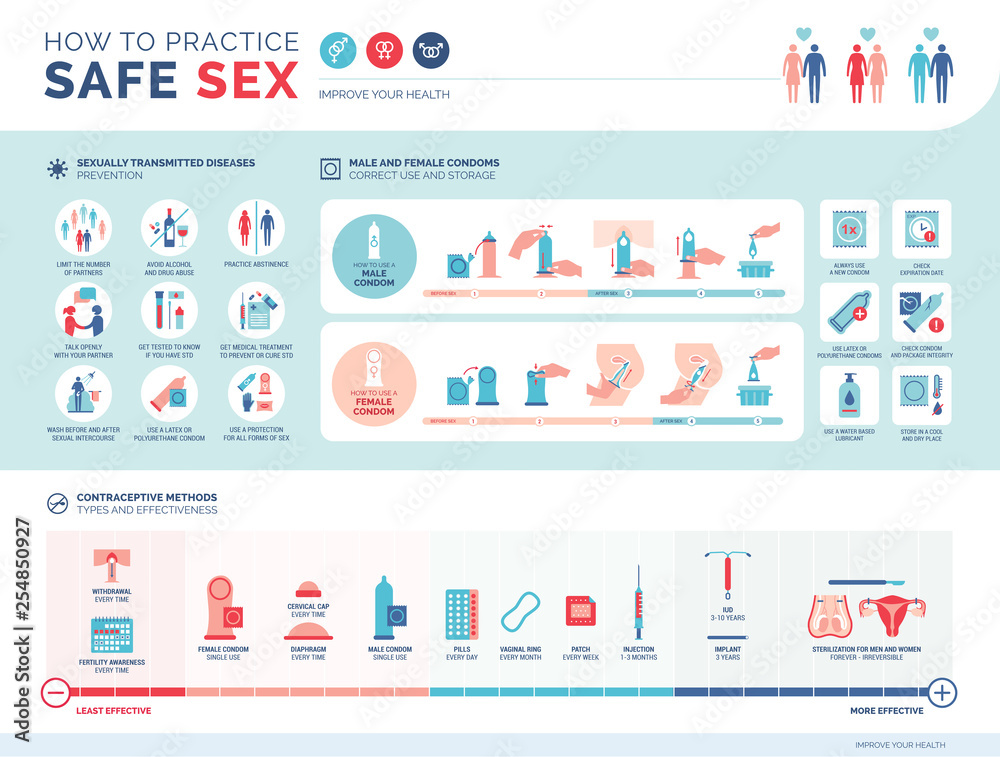
How Can I Balance the Desire for Sexual Exploration with the Need for Emotional Safety?
Balancing the desire for sexual exploration with the need for emotional safety is a delicate but crucial aspect of any sexual relationship. It involves navigating personal boundaries and desires while ensuring that both partners feel secure and respected. This balance can be achieved by prioritizing open and honest communication, where both partners feel comfortable expressing their needs, desires, and any concerns they may have.
Additionally, mutual respect and trust are essential in maintaining this balance. By respecting each other's boundaries and feelings, couples can explore their sexuality in a way that is both exciting and safe. It's also important to recognize that emotional safety is not a static state but rather a dynamic process that requires ongoing effort and commitment from both partners. By embracing this process with empathy, understanding, and a willingness to grow together, couples can enjoy a sexual relationship that is fulfilling, intimate, and nurturing.
As individuals and couples navigate the complex and deeply personal journey of teaching and learning about sex, it becomes clear that this process extends far beyond the physical act itself. It is a journey of self-discovery, emotional intimacy, and personal growth, one that requires patience, empathy, and a deep commitment to understanding and respecting the needs and desires of all parties involved. By embracing this journey with an open heart and mind, individuals can work towards creating a more balanced, fulfilling, and nurturing experience, not just in their sexual relationships but in their overall lives.
The ultimate goal of this journey is to foster a deeper understanding of oneself and one's partner, leading to a more authentic and intimate connection. This connection, built on a foundation of mutual respect, trust, and open communication, can lead to a more fulfilling and balanced human experience. By prioritizing emotional safety, sexual well-being, and personal growth, individuals can cultivate a healthier and more positive approach to sex and relationships, one that enriches their lives and the lives of those around them.