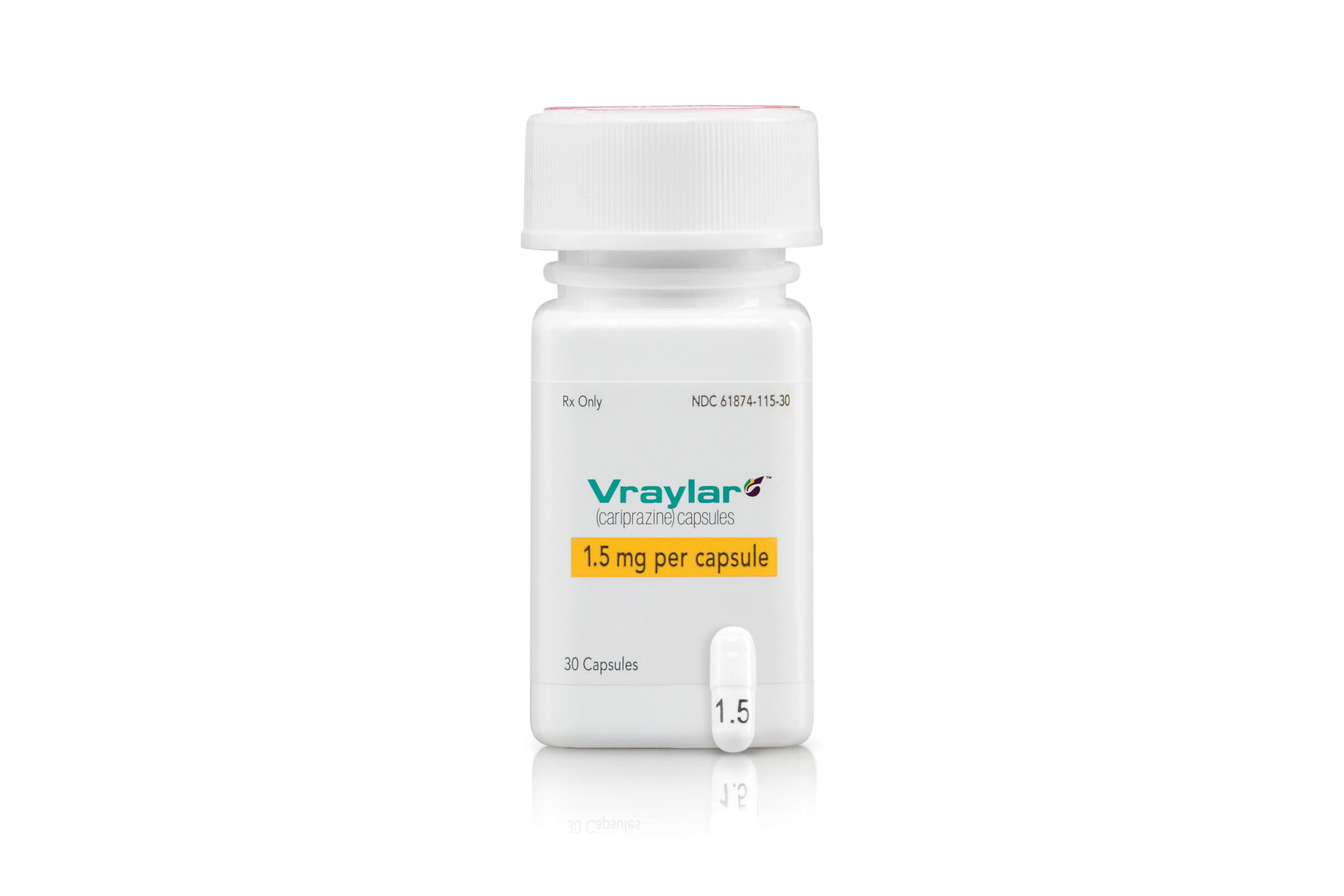
Switching From Seroquel To Vraylar
I remember the exact moment I decided I was done. It was 3:00 AM, and I was sitting on my kitchen floor, eating a cold slice of pizza that I didn’t even want, while my brain felt like it was wrapped in wet wool. My alarm for work was set for 6:00 AM, because Seroquel had made my “sleep” a 10-hour coma I couldn’t wake from. I wasn’t living; I was just a passenger in a body that refused to cooperate.
So, I finally did the scary thing: I asked my doctor about switching. And honestly? The process felt less like a simple swap and more like defusing a bomb while blindfolded. If you’re here, you’re probably on the same ledge, holding a prescription bottle in one hand and a cup of black coffee in the other, wondering if the grass is actually greener. It might be. But let’s talk about the messy, weird, and surprisingly hopeful reality of going from Seroquel to Vraylar.
The Fog vs. The Spark
Let’s get one thing straight: Seroquel (quetiapine) is a workhorse. It knocked out my anxiety and mania better than anything, but the price tag was a 24/7 hangover. I felt like I was trapped in a jar of peanut butter, where emotions were delayed and my motivation had filed for divorce. And the hunger? Oh, the hunger. I once ate an entire loaf of bread in one sitting and then cried about it, which is a very specific kind of rock bottom.
Must Read
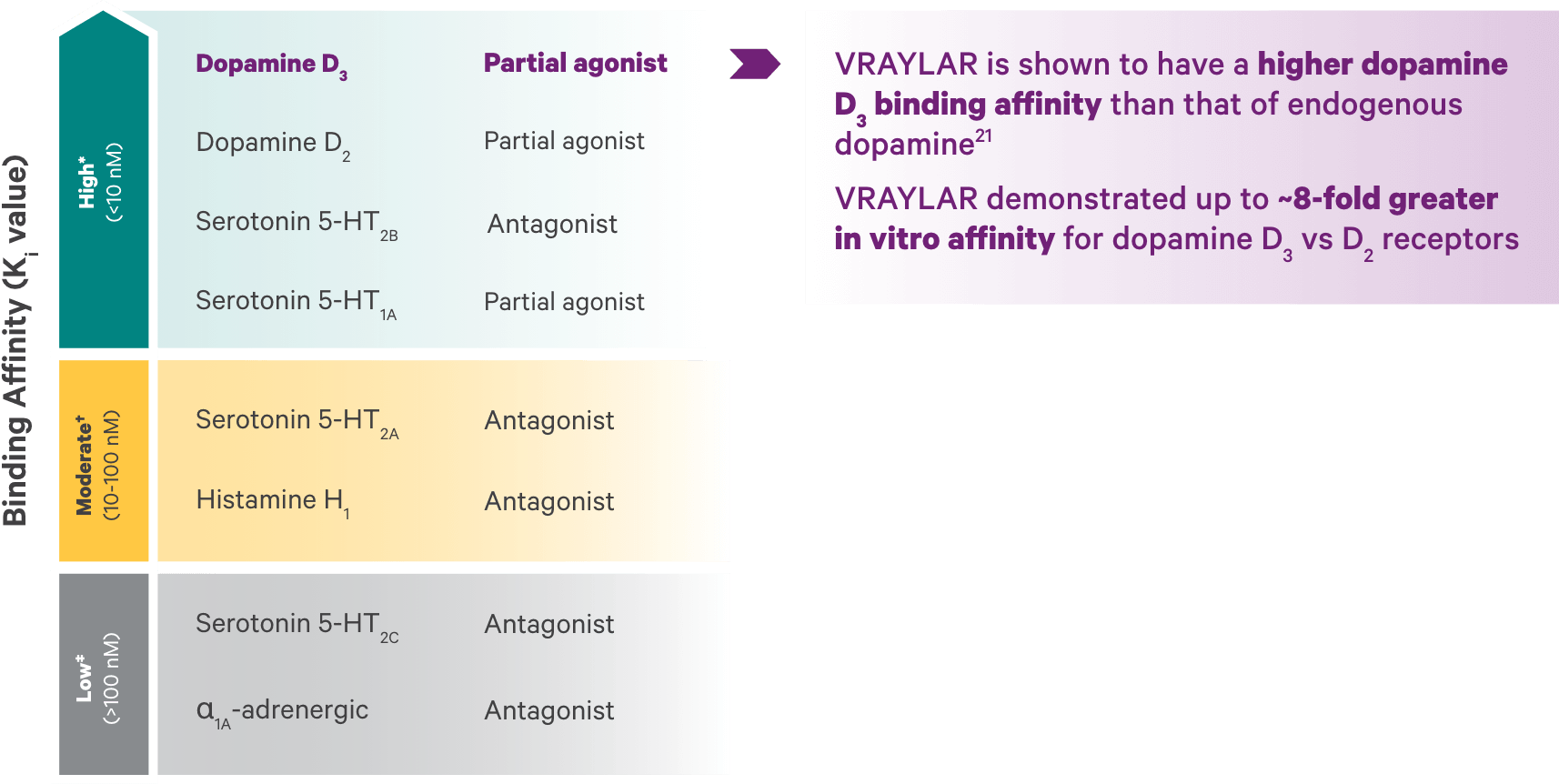
Vraylar (cariprazine) is a different breed entirely. It’s a newer atypical antipsychotic that works more like a dial than a sledgehammer, targeting dopamine receptors without taking out your consciousness. The first week, I didn’t feel “high” or “speedy.” Instead, I felt... awake. I noticed the sunlight again, and my alarm clock stopped feeling like a personal attack. The shift isn’t instant, though, so don’t toss your coffee pot yet.
The Cross-Taper Tango (Or, The Week From Hell)
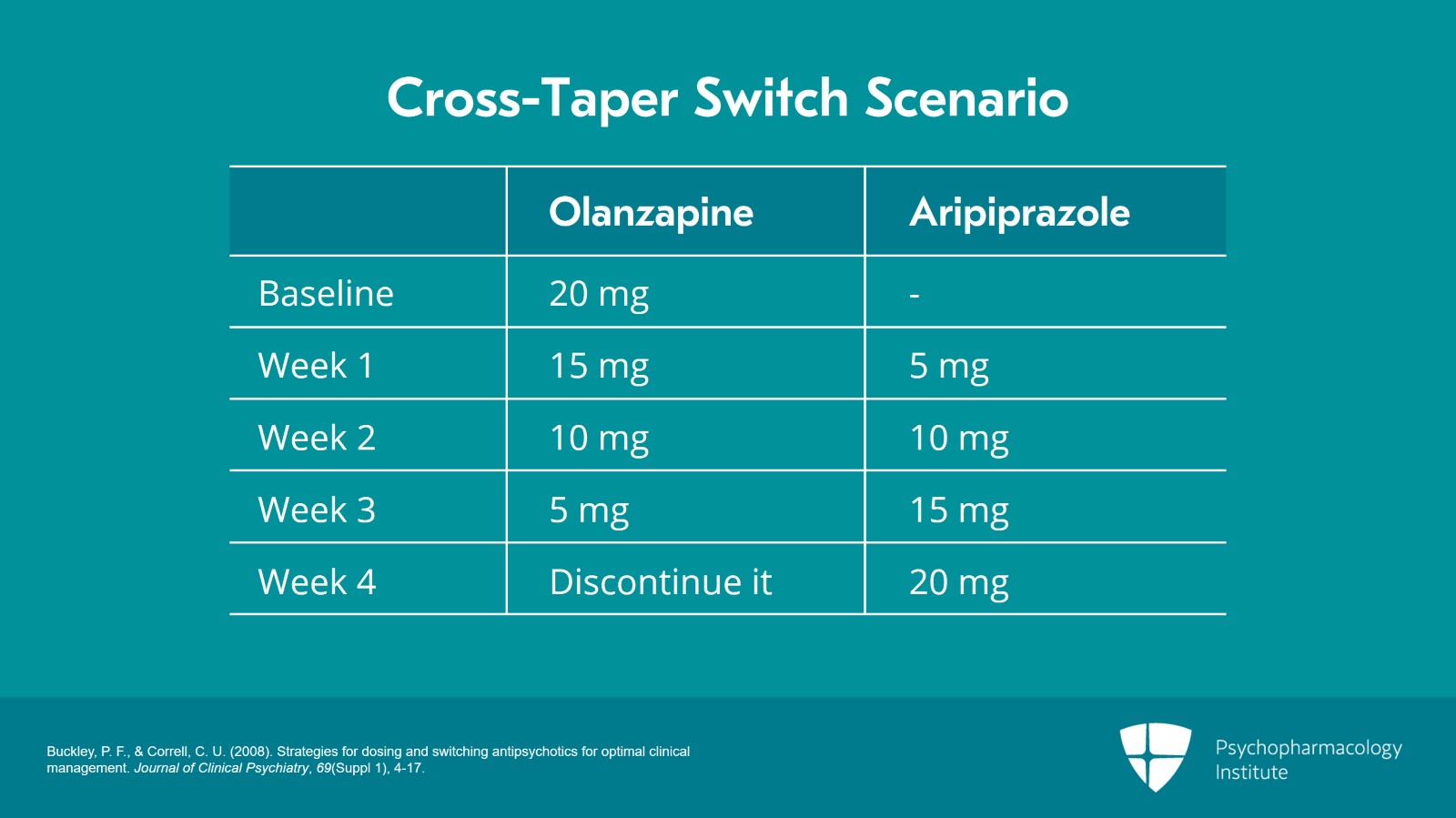
You can’t just stop Seroquel cold turkey—trust me, I’ve read the horror stories, and I value my sanity. My doctor had me lower the Seroquel dose by 25% each week while slowly introducing Vraylar at 1.5mg. That overlap period? Yikes. My brain was essentially trying to run two operating systems at once, and it crashed hard.
For about four days, I felt like a live wire. I was jittery, restless, and my sleep went from 10 hours of dead weight to about 6 hours of light, weird dreams. I also experienced something called akathisia, which is a fancy word for feeling like your skin is crawling and you have to move or you’ll explode. It was terrifying, but here’s the kicker: it passed. Like a nasty storm, it moved through, and by day ten, I had a clear horizon.
Side comment: if you feel that restless feeling, call your doctor. Do not try to “wait it out” like a hero. They can add a beta-blocker or lower the dose, but never suffer in silence. You’re not a martyr; you’re a patient.
What Actually Changed (And What Didn’t)
After a month, I started to notice real differences. The most glorious change was the absence of food noise. I could eat one slice of cake, and I didn’t feel like weeping when the plate was empty. I also started waking up naturally, before my alarm, which felt like a superpower I hadn’t possessed in years. My thoughts were still quiet, but they were my thoughts, not muffled screams from a padded cell.
But let’s be honest—it’s not a magic bullet. Vraylar is very activating, which means it can spike anxiety in the early days. I had a few afternoons where my heart raced and I felt a bit too “on edge” for no reason. Also, the nausea? Yeah, that was a real party favor for the first two weeks. Eating crackers at 8 AM became my new ritual, so I suggest you stock up on bland carbs.
One thing I miss about Seroquel? The guaranteed sleep. I’m a natural insomniac, so losing that heavy-handed sleep aid was scary. Now I rely on good sleep hygiene and a weighted blanket, which is 80% as effective. The trade-off is that I can now drive without feeling like I’m piloting a spaceship while drunk, so I’ll take it.
The Final Verdict (After 90 Days)
Switching was the best decision I’ve made for my mental health in five years. I feel like a person again, not a ghost haunting my own life. The emotional blunting is gone, and I actually have creative energy—I’m writing, which I hadn’t done in ages. But I’m also aware that my brain chemistry is a unique snowflake; what worked for me might make you feel like you’re on a bad diet of espresso and adrenaline.

So, if you’re on the fence, here’s my practical advice. Track your mood and side effects daily, even if it’s just a note in your phone. Talk to your doctor about a slow taper—do not rush it. And prepare for the “washout” period where you feel worse before you feel better. That phase is temporary, even when it feels eternal.
If you’re reading this, you’ve already survived the Seroquel fog, and that makes you tougher than you think. Vraylar isn’t a miracle, but it’s a kinder roommate for your brain. For me, the kitchen floor is now just a place for midnight snacks—not existential crises. And that, my friend, is a win.
Have you made the switch? Please tell me I’m not the only one who ate a whole loaf of bread. Drop your story in the comments—I read them all, usually while fully awake.