
Street Food In Whitefield Bangalore
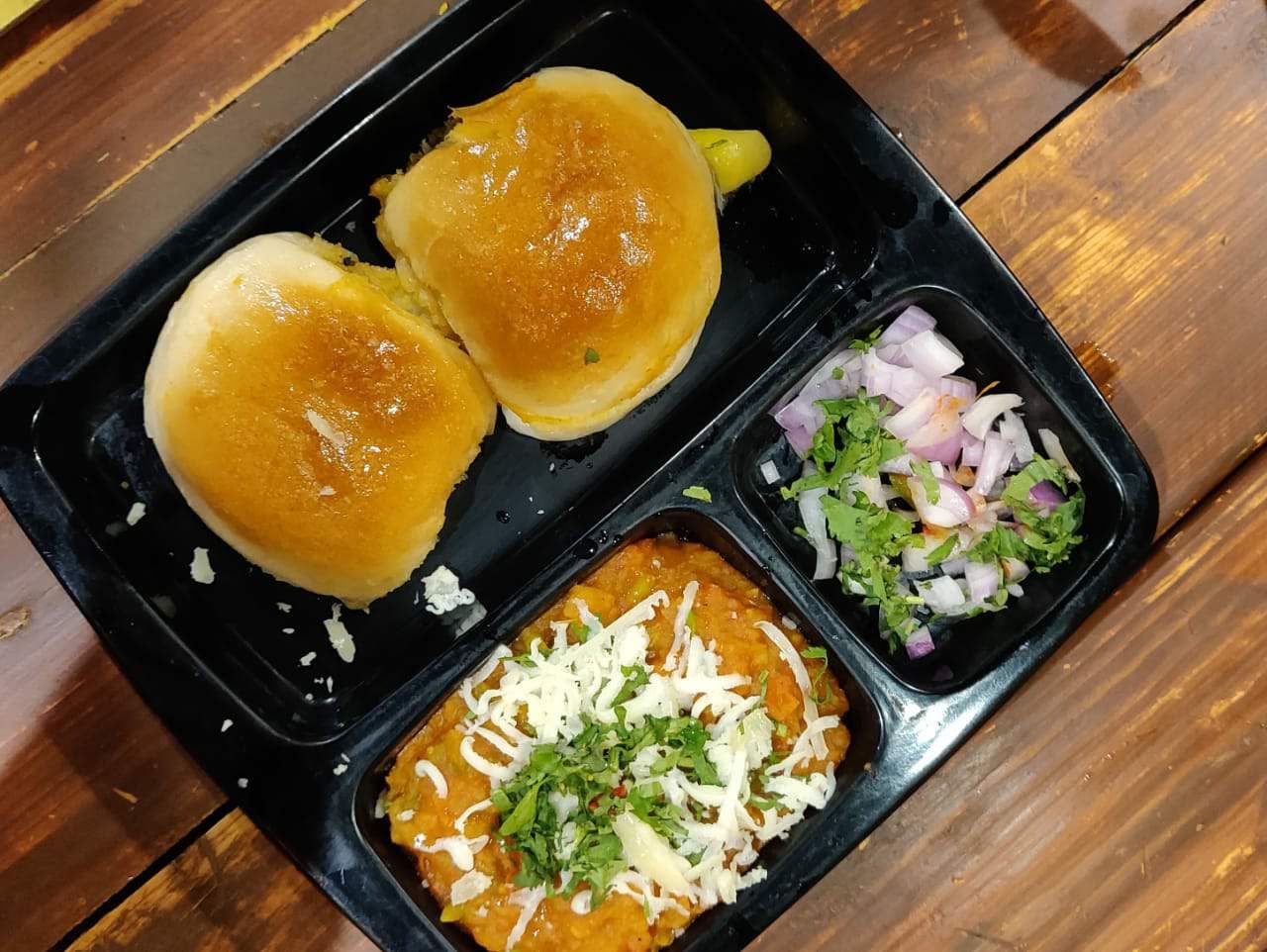
The first time I truly registered the street food of Whitefield, it wasn’t as a culinary revelation, but as a scent memory—the sharp, acrid tang of diesel fumes commingling with the dizzying sweetness of caramelized onions and the earthy whisper of roasting corn. This was in the late 1990s, when Whitefield was less an IT corridor and more a sleepy, Anglo-Indian enclave of sprawling bungalows, dusty lanes, and the cavernous, almost haunted silence of the old St. Mary’s Church. The street food then was not a business model; it was a necessity, a lifeline for the workers constructing the early tech parks, the drivers waiting for their sahibs, and the few families who had lived there since the days of the Madras Engineering Group. It was a solitary bhajji vendor on a rusty bicycle, his brass pot of oil bubbling over a wood fire, serving fritters that were less about flavor and more about the warmth they offered against the evening chill of the Deccan plateau. There was no Instagram, no curated aesthetic—just the primal need to stave off hunger with a handful of fried calories for a few rupees, a micro-economy of survival that pulsed quietly beneath the stately canopy of rain trees. These early vendors were the unsung cartographers of a changing landscape. They did not read market reports, but they knew instinctively where the next bus stop would be placed, where the new engineering college would draw a crowd of homesick young men from Kerala and Tamil Nadu. Their mobile stalls were their intelligence networks. A man selling chaat outside the old Johnson Market knew more about the migration patterns of the city’s workforce than any bureaucrat. The food was rudimentary, heavy on oil, salt, and spice, designed to coat the stomach and sustain energy for long shifts. Yet, there was an unwritten code of ethics: the same price for a local and a stranger, a generous ladle of curry if you looked particularly tired, and a strict adherence to the rhythm of the day—sweet coffee at dawn, savory vada by noon, and fiery Pani Puri as the sun dipped low. It was a brutal, honest trade, where the margin was counted in the number of newspapers wrapped around the food, and the primary currency was trust. The transformation began, almost imperceptibly, with the construction of the ITPL (International Tech Park) in the early 2000s. The dusty lanes began to sprout concrete flyovers, and the quiet rhythm of the bhajji vendor’s bicycle bell was gradually drowned out by the roar of Maruti taxis ferrying fresh graduates in formal shirts. The street food evolved out of grim necessity again, but this time the necessity was speed. The slow-cooked, labor-intensive dishes of the old world—the dum biryanis, the slow-simmered kormas—were impractical for a 30-minute lunch break. A new culinary dialect emerged, one that spoke in the language of the roll and the wrap. The humble Kathi roll, previously a Kolkata-specific delight, was hacked, deconstructed, and re-assembled in Whitefield with a frantic energy that matched the coding sprints of the nearby offices. Suddenly, the street vendors were not just feeding people; they were managing logistics, optimizing for queue times, and adapting recipes for the palates of a workforce that hailed from every corner of India.
The Golden Decade of the Culinary Melting Pot
The period between 2010 and 2020 was the true golden age of Whitefield’s street food, not necessarily for its purity, but for its sheer, chaotic heterogeneity. The street morphed into a living, breathing database of Indian cuisine, a democratized food court that predates the sterile, air-conditioned malls. It was here that the forgotten vintage facts of the region’s palate began to re-emerge in bizarre ways. For instance, the original Anglo-Indian community’s love for spiced, vinegary accompaniments—remnants of the British Raj—found a strange resonance in the Schezwan chutney that Chennai-based vendors started slathering on South Indian dosas. This was a bizarre hybrid, a culinary miscegenation that would have horrified purists, yet it became a runaway hit. The street food of Whitefield in this decade was not about authenticity; it was about possibility. You could traverse the entire national cuisine within a 500-meter stretch of the Hope Farm junction: a Manipuri momos stall next to a Punjabi chole bhature cart, a Kerala porotta stand facing a Rajasthan-style kulfi pushcart. The internet brought a new, double-edged sword to the tarmac. The rise of food delivery aggregators in the mid-2010s initially threatened to cannibalize the street vendors, luring them into the digital kitchen. But the most street-smart vendors adapted, creating a new category of "ghost stalls" that existed physically but operated as delivery hubs. This hacking of the classic street food model was fascinating to observe. The physical queue, once a barometer of quality, was replaced by a digital rating. However, the tactile experience began to suffer. The sizzle of the griddle, the vendor’s personal banter, the thrill of customizing your plate with a nod and a gesture—these analog luxuries were being digitized away. Yet, the street fought back. The vendors who survived were the ones who realized that their true currency was the experience. They started adding inflatable seating, charging points for phones, and even USB fans for their regulars, turning a transient transaction into a micro-community gathering. The bizarre treatment of the food itself in the late 2010s—experiments with liquid nitrogen paan and wasabi-infused chaat—were gimmicks, sure, but they signaled a desperate, fascinating struggle for attention in a land of infinite scrolling. The most significant change, however, was the commodification of the vendor himself. In the past, the maggi vendor was just a man; now, he was a "micro-influencer" with a loyal Telegram channel. The culinary history of Whitefield is not written in cookbooks, but in the shifting demographics of its cart owners. The old Tamil idli maker, who relied on stone-ground batter, suddenly found himself competing with a franchise that used pre-mixed powders. The analytical lens reveals that the street food of this era was a mirror to the gig economy—precarious, profitable, and profoundly lonely. The festive, open-air bazaars of the 90s gave way to isolated clusters of order-picking riders, their phones glowing in the dark, waiting for the next ping, the human connection of the transaction severed by a digital intermediary.Modern Alchemy: Hacking Authenticity
In the current era, as we stand on the precipice of a post-pandemic reality, the street food of Whitefield is undergoing its most radical hack yet: the fusion of nostalgia with biotech. The classic principles of the tiffin culture—the idea of a portable, carb-heavy, satisfying meal—are being re-engineered for the "fast-casual" tech worker who now has a hybrid schedule. The vendors are no longer solely focusing on the volume of the lunch rush; they are targeting the "snackification" of the workday. We are seeing the rise of the protein-packed millet dosa served by a vendor who previously offered only the white rice version, a clear response to the health-conscious Fitbit-wearing populace. This is a hack not just of the recipe, but of the nutritional narrative, positioning street food not as a guilty pleasure, but as a functional fuel. Furthermore, the "ghost kitchen" model has migrated to the street level with a vengeance. We now have "cloud carts" that operate six different virtual brands out of one single tawa. The same flatbread is used for a Turkish gözleme at one hour, a Mexican wrap the next, and a traditional rumali roti with paneer by evening. This is a brutal, brilliant exercise in logistical modernism, stripping away the cultural identity of the food to its foundational carbs. Yet, amidst this chaos, a counter-movement is brewing. A new breed of young entrepreneurs is using technology to preserve the past. They are using QR codes to tell the story of the original pav bhaji stall, or using cloud-based inventory systems to source specific, heirloom varieties of chilies from small farms, effectively "sourcing" authenticity. The hack is not against tradition, but for its survival—using the very tools of globalization to protect a hyper-local flavor profile.Frequently Asked Questions: The Unwritten Rules
Is Whitefield's street food "safe" compared to other parts of Bangalore, and how has this concern shifted?
Historically, the question of safety was a matter of religious faith. In the early decades, the vendor's reputation was his only insurance; a bout of food poisoning would end his family's livelihood for generations. The food was cooked in deep iron vessels at high temperatures, and water was boiled rigorously. The risk was not in the cooking, but in the storage—a fact that old-timers knew well. The vintage myth that "street food is always dirty" is a modern, urban legend born from the era of mass production where supply chains were opaque and refrigerated vans were absent.
Today, the safety paradigm has shifted from a binary of "dirty" or "clean" to a complex matrix of data. The most successful vendors in Whitefield now treat hygiene as a marketing credential. Many display FSSAI licenses prominently, and the use of filtered water and single-use, biodegradable serving plates is now common. The shift is analytical: safety is no longer a personal gamble but a review-based metric. The modern vendor knows that a single bad Google review about a fly near the chutney can tank his revenue, so they employ preemptive measures like glass display cases and UV lamps. The historical myth of the "magical immunity" of the local is also being debunked—the germs are simply different from a newcomer's, but the risk of contamination is universal, and the best vendors in the area now treat safety as an engineering problem, not a luck-of-the-draw scenario.
How did the pricing of street food in Whitefield evolve from the "one rupee" era to today's premium formats?
In the nostalgic past, the price was not merely a number; it was a social agreement. A vada for 50 paise or a full meal for 5 rupees was based on the local wage index—a laborer's daily earnings divided into affordable, discrete portions. The pricing was intimately tied to the cost of raw commodities, which were bought in bulk from local mandis. There was no "premium" tier; the concept of charging extra for a "large" portion was seen as greedy, a violation of the communal spirit that governed the streets. The historical turning point was the 2008 economic boom, where the sudden influx of higher-salaried tech workers created a two-tier market: the old guard catering to drivers and support staff, and a new wave of "upscale" carts targeting the white-collar crowd with imported cheese and higher-quality meats.
Must Read
Today, the pricing strategy is a masterclass in psychological economics. You can still find a ₹20 tea and a ₹300 truffle-scented khichdi in the same vicinity. The modern hack is the "value-for-experience" pricing model. Vendors no longer price purely on ingredient cost; they price on the aesthetics of the packaging, the cleanliness of the seating, and the speed of service. The historical myth that "street food is cheap" is now false; it is affordable in relative terms, but strategically premium in its top tiers. The evolution mirrors the neighborhood's own transformation—from a humble satellite town to a real estate hotspot where the price of land has inflated the price of the food served upon it, forcing vendors to justify higher prices with better ambiance and Instagrammable presentations.

Will the traditional "stall" survive, or will it be replaced entirely by delivery-only kitchens?
The traditional stall is a creature of intimacy. It thrives on the sensory feedback loop of the customer watching their food being made, the steam hitting their face, the sizzle providing an auditory promise. This is a deeply human, primal experience that cannot be replicated by a delivery bag. The historical myth of the stall's demise has been predicted since the advent of the food court in the 1980s, yet it persists because it fulfills a social need beyond mere sustenance—it is a public living room, a place for spontaneous gossip and serendipitous encounters. The stall owners who survive are the ones who understand that they are not selling food; they are selling a temporal oasis in a city that is perpetually rushing.
The future is not an either/or scenario, but a hybrid ecosystem. The most successful models in Whitefield are the "brick-and-click" carts—they maintain a physical presence for the foot traffic and the brand experience, but they also operate a dedicated micro-delivery fleet using aggressive logistics. The stall becomes a micro-fulfillment center. However, the pure delivery-only model struggles with the intangible asset of trust. A returning customer who has shaken the vendor's hand is a customer for life; a customer who only sees a doorstep delivery is a price-sensitive mercenary. The traditional stall survives because it holds the monopoly on the human touch—a commodity that becomes more precious as we dive deeper into a digital abyss. The ultimate survival strategy lies in the amalgamation of the two—using the stall as a theater of authenticity to market the convenience of delivery.

Looking ahead to the next two decades, I see the street food of Whitefield becoming a laboratory for sustainable, urban gastronomy. We will likely see a return to "closed-loop" systems, where food waste from the stalls is composted and used to grow microgreens on the rooftops of nearby tech parks, which then garnish the dishes sold below. The vendor will evolve from a cook into a "data-driven gastronomer," using predictive analytics to forecast weather-based demand for hot soups versus cold salads. The nostalgic bhajji vendor of my youth would be baffled, yet strangely proud, to see his lineage transformed into a techno-agrarian spectacle.
But the core essence will remain unchanged. The twenty-year horizon doesn’t promise teleportation or synthetic food pills; it promises a deeper appreciation for the process. As artificial intelligence takes over more cognitive tasks, the human desire for authentic, messy, tactile experiences will only intensify. The street food stall will become a sanctuary of the analog, a place where the perfectly imperfect char on a kebab or the slight crunch of a fresh, hand-rolled dosa is worth more than any digital currency. The evolution will not be about replacing the human, but about empowering the human vendor with tools that allow them to spend more time on the art of cooking and less on the drudgery of logistics. It will be a future where the ancient ritual of breaking bread—or toasting a puri—remains the most advanced technology we possess for human connection, right here on the bustling, ever-evolving streets of Whitefield.


