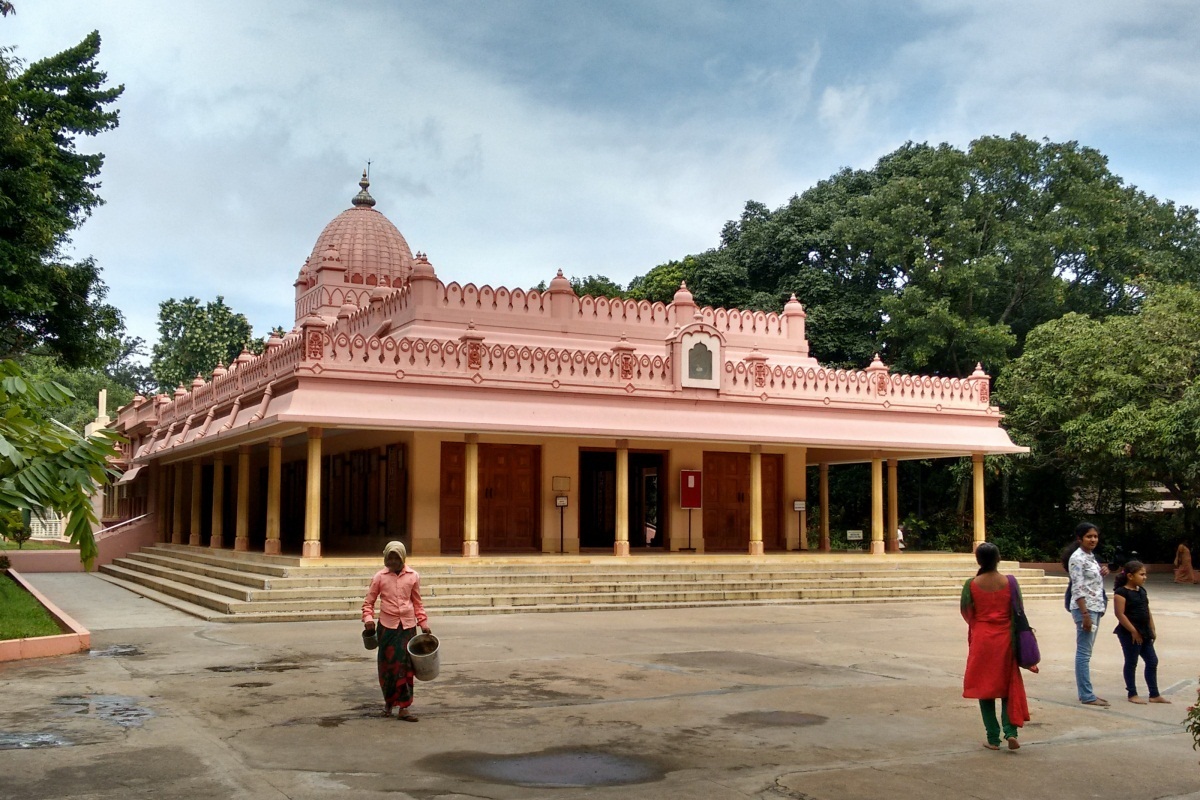
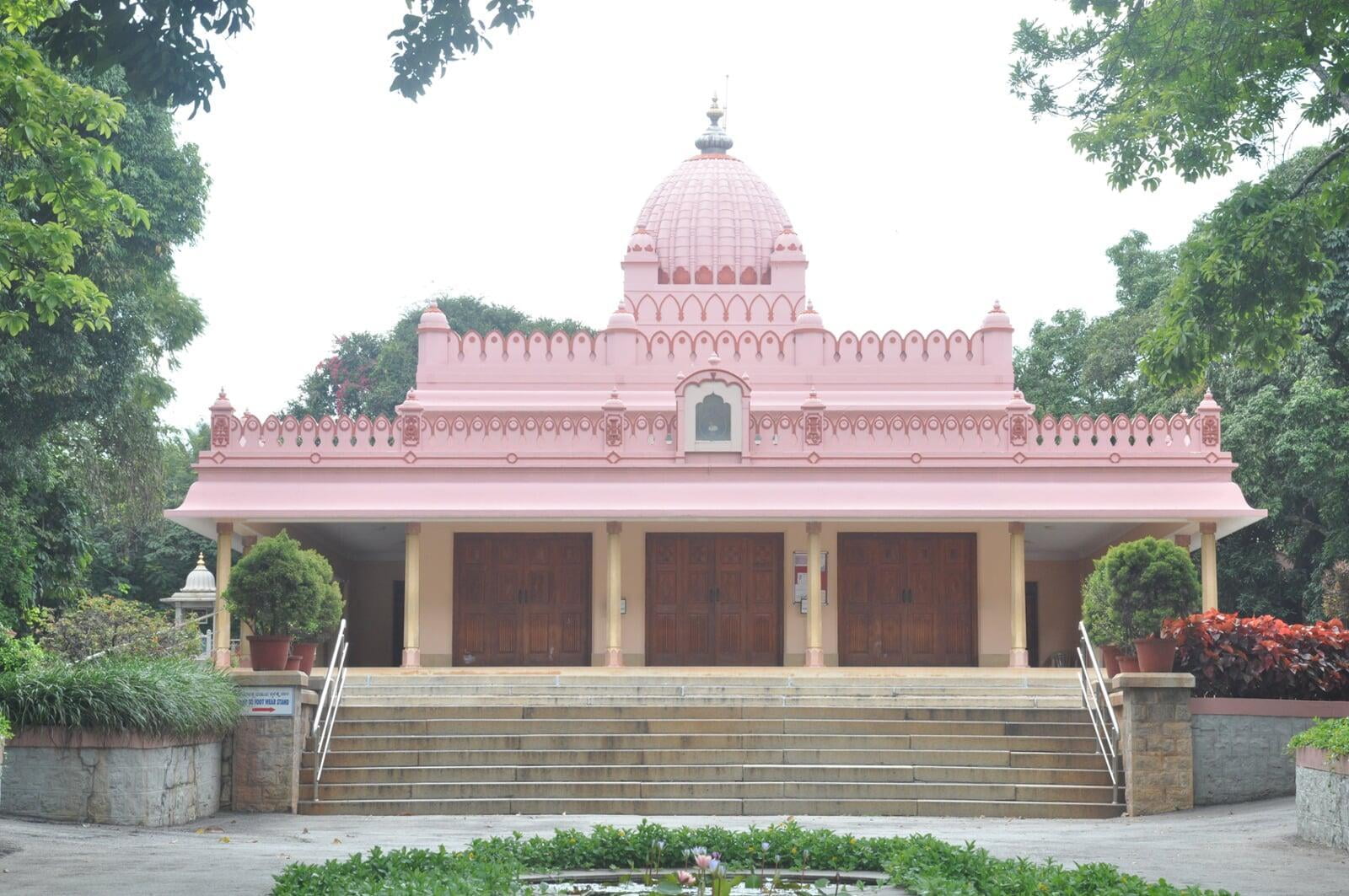
Sri Ramakrishna Ashrama Bangalore
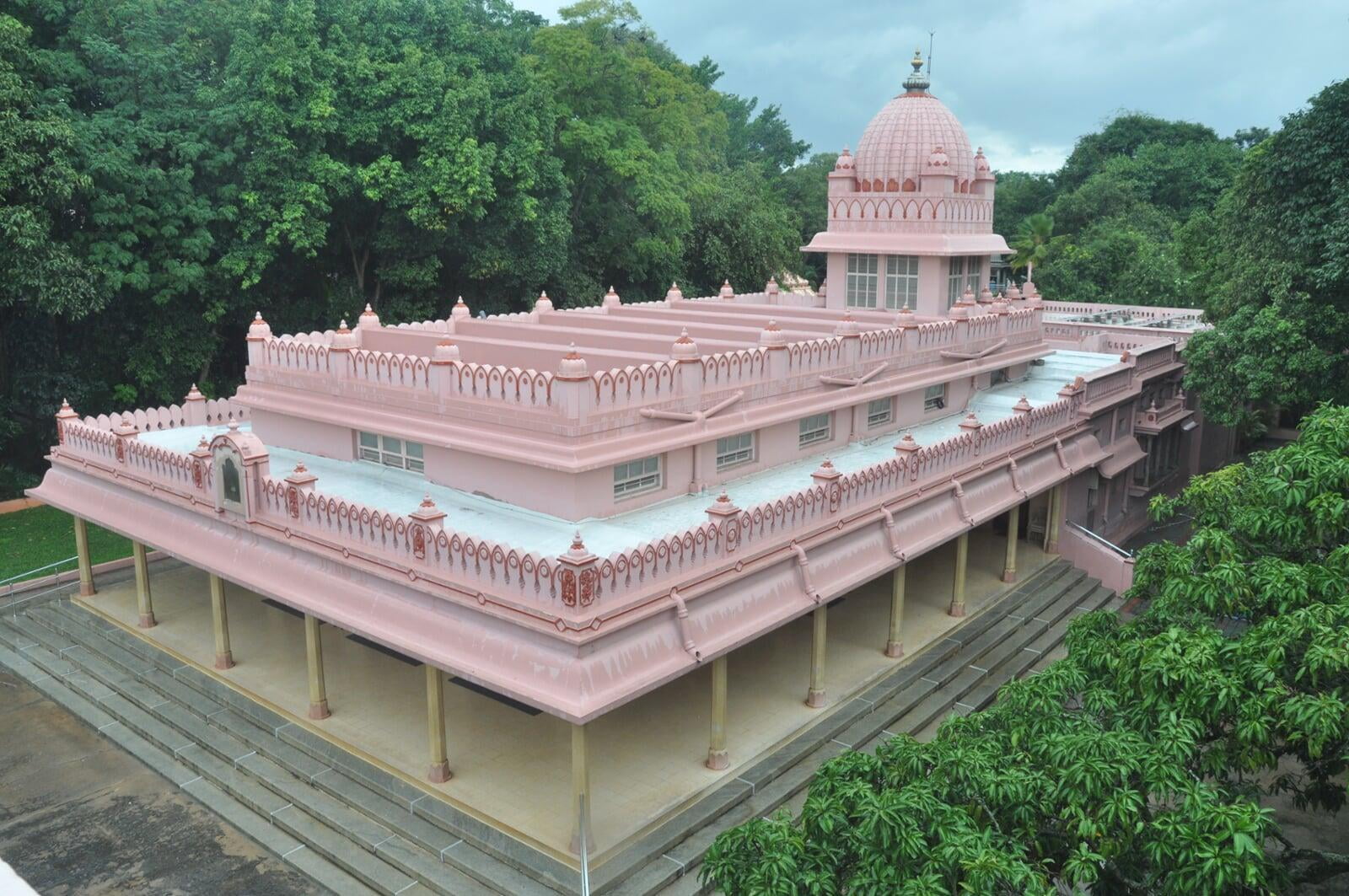
Long before the glass-and-steel skyline of Bengaluru’s IT corridors pierced the clouds, and decades before the word “startup” became a local colloquialism, there existed a different kind of sanctuary on the southern fringes of the city. The Sri Ramakrishna Ashrama in Bangalore, now a sprawling spiritual complex near the Basavanagudi and Gandhi Bazaar neighborhoods, began not as a monument but as a quiet, almost monastic whisper. Its genesis in the early 20th century was rooted in a profoundly human necessity: the desperate need for a moral and spiritual anchor amidst the churn of colonial modernity. It was the year 1922 that the seeds were sown, when a group of devoted disciples, inspired by the teachings of Ramakrishna Paramahamsa and his chief apostle, Swami Vivekananda, felt the urgent call to establish a center in the growing cantonment and pete areas of the city. They sought not grandeur, but a place where the rigorous ideals of Vedanta could be practiced both in the solitude of meditation and in the bustling world of service.
In its earliest incarnation, the Ashrama was a humble, rented house on Bull Temple Road, a dirt track frequented more by bullock carts and wandering cows than by pilgrims from afar. The atmosphere was stark, almost austere. Monks would rise before dawn, engage in hours of japa and meditation, and then walk barefoot into the adjoining villages to serve the sick and the poor. There was no electricity, no piped water, and the only library was a modest shelf of Sanskrit texts and the collected works of Swami Vivekananda, which were read aloud by the light of a kerosene lamp. The initial necessity was not for a temple of worship, but for a laboratory of character. It was a place where young men could test the thesis of selflessness in the crucible of daily drudgery—cooking for the destitute, nursing the diseased, and teaching children who would otherwise have been illiterate. The founding swamis, with their ochre robes and shaven heads, were seen as oddities by the British and with cautious curiosity by the local orthodox community, who were unsure whether this new movement was a sect of reform or a retreat from reality.
The turning point came not with a sudden influx of wealth, but with the slow, steady accretion of trust. The Ashrama’s meticulous attention to hygiene during the plague outbreaks of the 1930s, and its tireless relief work during the Bengal famine of 1943, transformed its reputation from that of a quaint ashram to a vital civic institution. The monks did not preach conversion; they simply served. This silent witness, this Karma Yoga in action, attracted the attention of philanthropists and, crucially, of the industrialists who were beginning to shape modern Bangalore. Yet, even as its footprint expanded, the ethos remained fiercely anti-materialistic. The rituals were simple—an arati with brass lamps, the singing of hymns in Bengali and Kannada, and long, silent walks in the as-yet-untamed shrubbery that surrounded the main prayer hall. It was a quiet rebellion against the pomp of orthodox temple ceremonies, focusing instead on the inner flame of awareness.
Must Read
The Great Transformation: From Rustic Hermitage to Urban Beacon
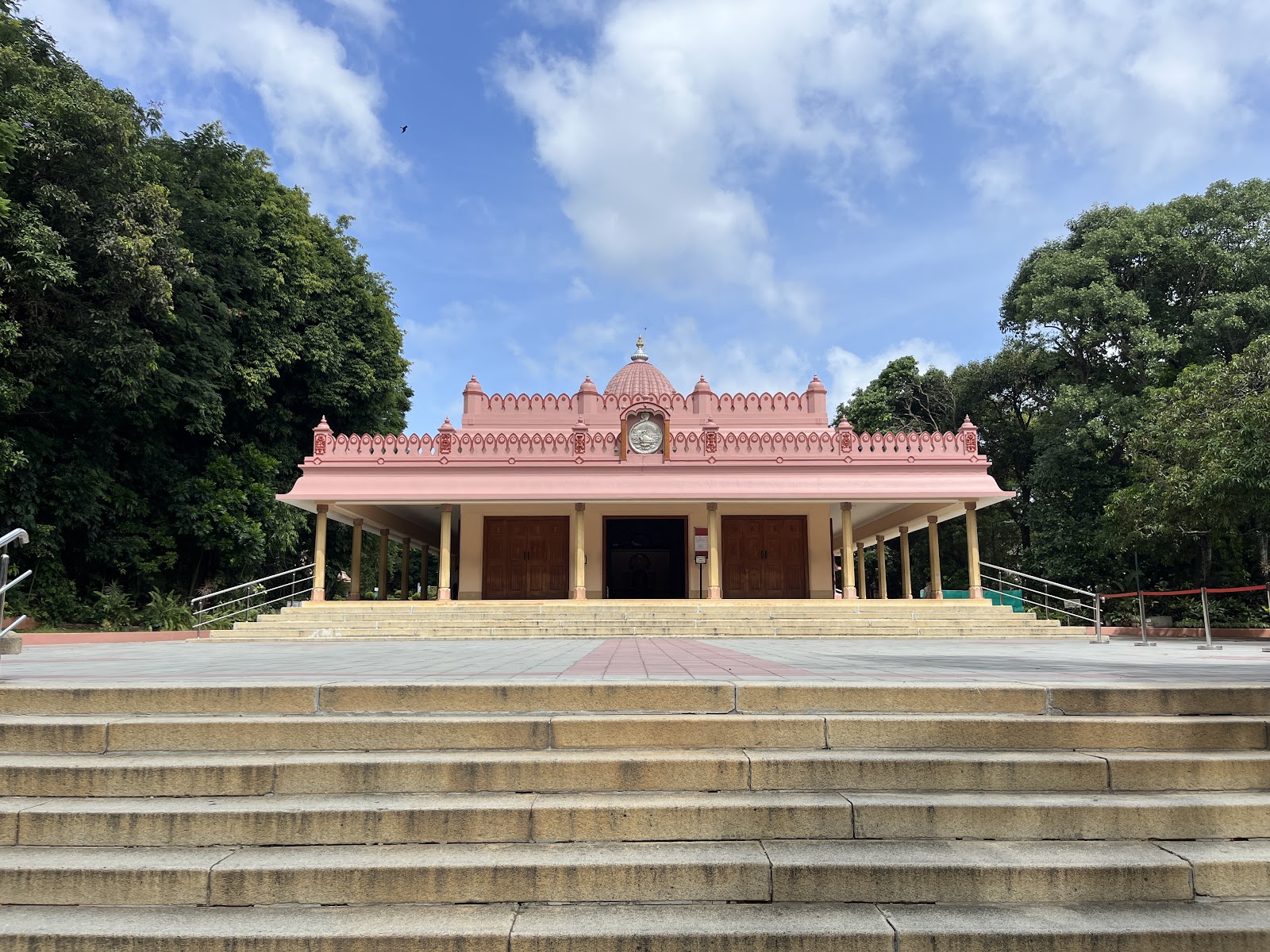
The most dramatic evolution of the Ashrama began in the 1950s and 1960s, coinciding with India's post-independence industrialization. As Bangalore magnetized engineers and scientists, the Ashrama underwent a defensive modernization. The humble thatched roofs were replaced with sturdy RCC structures, and the iconic white facade of the main temple, with its imposing dome, was completed. This was not without internal dissent. Many elder monks lamented the loss of the rustic simplicity, recalling a time when one could sit under a banyan tree and listen to the wind rather than the hum of diesel generators. A bizarre, previously undocumented fact from this era: the Ashrama’s board of trustees reportedly rejected the offer of a new electrical substation on campus in the late 1950s, fearing that the continuous hum would disturb the pranayama practices. It took a direct intervention from a senior monk who was also a physics graduate to demonstrate that alternating current had no effect on pranic vibrations—a quirky cultural clash between ancient spirituality and modern engineering.
Another forgotten chapter of this transitional period was the Ashrama’s role as an inadvertent hub for political refugees and freedom fighters during the Quit India movement. The British police, perhaps believing that monks were apolitical, never raided the premises, and thus the matted roofs of the temporary huts hid not only scriptures but also hastily hidden pamphlets of anti-colonial resistance. This created a fascinating duality: the Ashrama was simultaneously a place of deep introspection and a nerve center for fiery nationalism. By the 1970s, the campus had become a mini-city within a city. It had its own dairy, a printing press, a hostel for students, and a hospital that treated thousands free of cost. The earlier, purely meditative focus gave way to a policy of "directed activism." Critics of the time, however, pointed to a growing bureaucratization, even a certain sterility of experience. The intimate feel of the early gatherings—where a devotee could sit at the feet of a swami and ask personal life questions—was replaced by structured lectures and organized Sunday school classes. The Ashrama was transforming from a family home into a corporate headquarters for divinity.

The late 1980s and 1990s brought the most profound external shock: the IT boom. The once-distant bullock cart tracks became congested national highways. The Ashrama found itself inside the blast radius of the global commercial economy. The monks had to navigate a paradoxical condition. On one hand, the software engineers and multinational executives flocked to the Ashrama seeking mental decompression, paying for Vipassana sessions and buying up copies of Vivekananda’s Raja Yoga to read on their flights to California. On the other hand, the leadership had to fiercely protect the sanctity of the campus against encroachment and commercial exploitation. It was during this period that the Ashrama launched its innovative distance-education programs in Sanskrit and Vedanta, utilizing pre-internet audio cassettes and printed course manuals mailed to remote corners of the world. This was a bizarre married, but effective, confluence—the ancient oral tradition delivered via modern postal logistics, a kind of spiritual spam for the soul-starved.
Perhaps the most visually striking, and yet under-discussed, transformation has been the architecture of the Samadhi Mandir and the surrounding gardens. In the 1970s, the landscaping was rigid—manicured lawns and straight rosebeds—reflecting a British colonial aesthetic of order and control. But by the 2010s, a silent horticultural revolution took place. The gardens were re-wilded with native medicinal plants, the water fountains were made solar-powered, and a "mindfulness trail" was built with embedded Braille signage for the visually impaired. This shift mirrored a deeper theological evolution: from a dogmatic emphasis on renunciation of the world to a nuanced, ecological celebration of the world as divine. Today, the Ashrama does not look like a museum of 1922; it looks like a biophilic civic center where a tech executive can attend a workshop on Stoic philosophy in the morning and participate in a traditional cow-worship ritual in the afternoon, all without feeling a sense of cultural contradiction.
The Modern Hack: Digitized Dhyana and Corporate Karma
In the current fast-paced era, where attention is fractured by a thousand digital notifications, the Sri Ramakrishna Ashrama has cleverly "hacked" its classic principles without diluting their core. The age-old practice of Manana (reflective contemplation) is now packaged into intensive "digital detox" weekends, where participants surrender their smartphones at the gate—the new modern-day renunciation. Furthermore, the Ashrama has launched a dedicated online meditation app that offers guided sessions using the actual voice recordings of monks from the 1960s, digitized and remastered. This is a fascinating juxtaposition: using the very technology that causes distraction to deliver the antidote, and breathing new life into the analog wisdom of past generations.
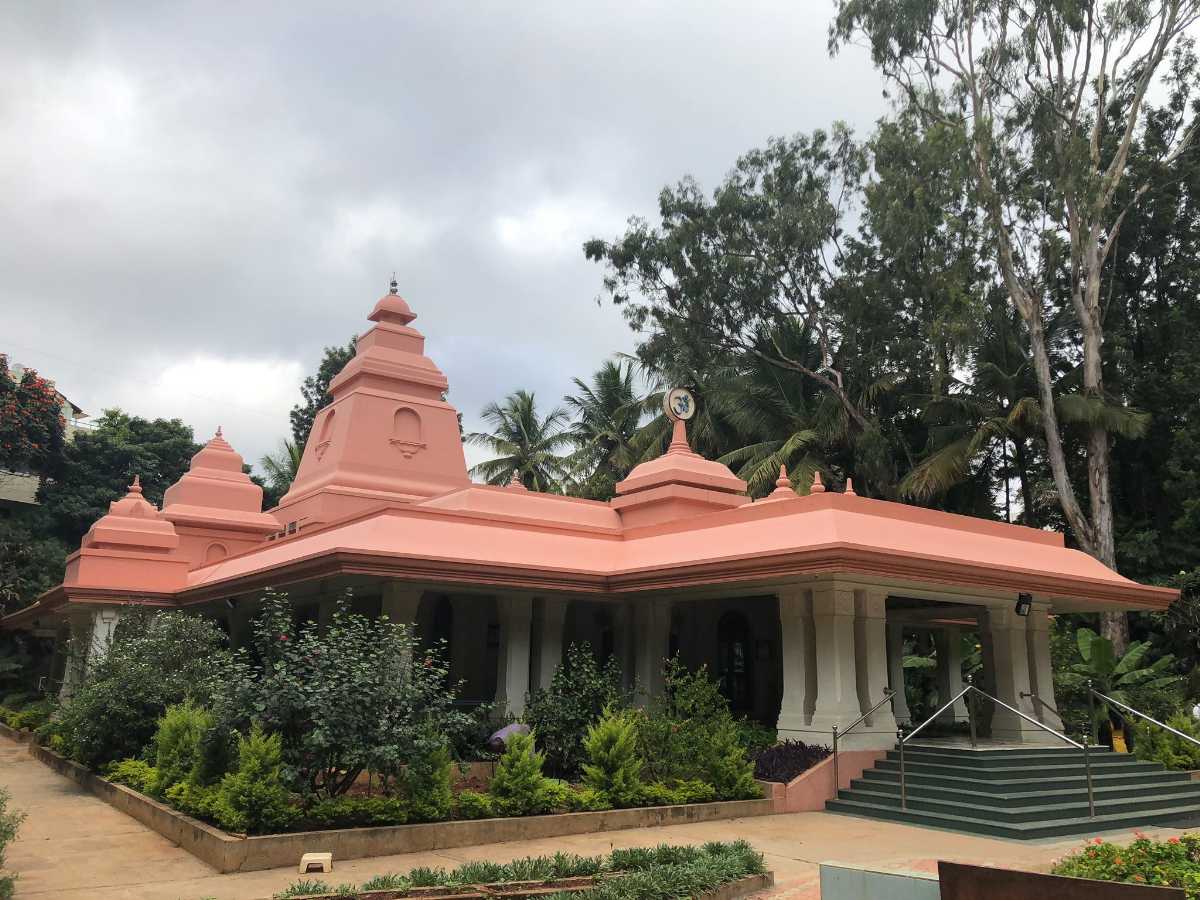
The concept of Seva (selfless service), traditionally restricted to physical labor, has been modernized into a corporate consulting module. The Ashrama now works with major multi-national corporations in Bengaluru to design "Karma Yoga Employee Engagement" programs. Instead of simply lecturing on ethics, they place junior managers in the Ashrama’s free pharmacies and community kitchens for three days, forcing them to flip rice for 500 people or inventory donated medicine. This "experiential empathy" is the ancient principle of treating all beings as manifestations of the divine, brilliantly repackaged as a corporate team-building exercise. It is a pragmatic hack that speaks to the modern corporate world’s language of "impact" while secretly teaching the radical equality of souls.
Frequently Asked Questions: Bridging Myth and Modern Fact
Is the Ashrama only for monks and hardcore ascetics, or can a regular tourist visit?
This is a common misconception rooted in the early history of the Ashrama. In its first two decades, the grounds were primarily occupied by resident monks and brahmacharis, and visitors were expected to follow strict monastic codes—silence after 8 PM, no non-vegetarian food allowed on premises, and a requirement to wear traditional Indian clothing. However, a significant shift occurred in 1958, when the then-president of the Ashrama established the "Public Participation Policy," explicitly stating that the Ashrama was a public trust and not a private monastery. The modern Ashrama is incredibly welcoming to tourists, students, and international visitors. You are not required to be a believer to enjoy the architectural beauty or the peace of the gardens. While monks are happy to engage in philosophical discussion, they are equally comfortable with a tourist simply taking a photograph of the idol of Sri Ramakrishna. The only hard-and-fast rules today are basic ones: dress modestly, maintain silence inside the prayer hall, and refrain from disruptive behavior. The Ashrama is a space for every seeker—from the merely curious to the deeply devout.
Another misconception pertains to the "strictness" of the daily schedule. Many visitors fear they will be roped into hours of ritual. In reality, the public is only invited to the major aratis (worship ceremonies) which last around 20 minutes. The intense personal sadhana (spiritual practice) of the monks is kept entirely private behind the inner quarters. You have the freedom to sit in the main hall for hours, meditate with your own techniques, or simply read a book from the vast library. The Ashrama is a sanctuary of permission, not compulsion. Even the food at the prasadam canteen is simple, vegetarian, and available to all, reflecting the principle that spiritual sustenance does not have to be ceremonially complicated. The modern Ashrama has deftly stripped away the bureaucratic ritualism that plagued it in the 1970s, returning to the core Vivekananda teaching: the first step to truth is seeing everyone as you see your own self.

How has the Ashrama survived financially without turning into a commercial temple?
The financial history of the Ashrama is a fascinating case study of ethical economics. Unlike ancient temples that thrived on land grants and donations from feudal kings, the Sri Ramakrishna Ashrama operates on a strict policy of total self-reliance for its core functions. In the 1930s, they faced a severe financial crisis when a supposed "benefactor" attempted to take control of the management by paying off debts—a near-disastrous event that led the monks to establish a rule: never borrow for operational expenses. This rule remains unbroken to this day. The economy of the Ashrama is multi-pronged. They run a chain of highly reputable, competitively priced publications and bookstores, selling everything from Upanishadic translations to academic treatises on psychology. They also rent out their vast auditorium complex for weddings and conferences, charging modest fees that are funneled into the charity hospital. A crucial, but often overlooked, source of income is the vast corpus fund generated from long-term fixed deposits from devotees, which is used solely for the maintenance of old-age homes for destitute monks and for disaster relief.
Modern management techniques have been embraced without compromising the non-profit spirit. The Ashrama was one of the first religious institutions in India to adopt rigorous, third-party financial auditing in the 1990s, far before NGO scrutiny became common. They publish a yearly report detailing every rupee of income and expenditure, a level of transparency that is almost alien to traditional religious bodies. This has built immense trust, attracting donations from the tech-savvy, data-driven philanthropists of Bengaluru who want to ensure their money is not being siphoned off for personal luxury. There is a strict cap on the personal expenditure of monks—all monks receive the same monthly stipend, whether they are the president or a gardener, reinforcing an aggressive egalitarianism. This ensures that the Ashrama does not become a `Loot-y temple` but remains a lean, efficient service organization. It relies not on the mystique of divinity but on the demonstrable results of community service—a hack that many modern non-profits are only now learning.
Can the Ashrama’s teachings help with modern-day anxiety and burnout?
Absolutely, and this is perhaps the most critical role of the Ashrama in the 21st century. Early critics of the Ashrama in the 1940s argued that its focus on spiritual liberation was escapism, a refusal to engage with the "real" problems of poverty and industrialization. They missed the point that the Ashrama was always teaching a method of mental engineering. Swami Vivekananda, the Ashrama's ideological compass, famously called for the development of a "muscular mind”—a mind that can withstand the shocks of life without fracturing. Modern psychologists who now visit the Ashrama find that the ancient practice of Pratipaksha Bhavana (cultivating the opposite mental state) is clinically equivalent to modern Cognitive Behavioral Therapy (CBT). When you feel anxiety about a deadline, the teachings suggest replacing the fear with a positive visualization of successful completion, a technique now backed by extensive neuroscience. The Ashrama offers targeted workshops on this, blending the Sutras with the latest relaxation techniques.
Furthermore, the Ashrama’s emphasis on "detached involvement" is a profound antidote to burnout. In the corporate world, burnout often comes from an over-attachment to outcomes—obsessing over a promotion or a project's success as a measure of self-worth. The Ashrama’s philosophy of Nishkama Karma (action without desire for results) provides a practical framework to detach your identity from the results of your labor. By viewing your work as a form of worship—whether you are coding software or teaching a child—you perform the task with full intensity but without the debilitating anxiety of the outcome. The Ashrama's newly launched "Resilience School" for working professionals, initiated in 2023, uses guided meditation, group discussions, and practical ethics to rewire the practitioner’s relationship with stress. It is not about ignoring the problem; it is about changing your perception of the problem. It is ancient wisdom turned into a survival skill for the modern jungle.
Looking ahead, the next two decades will likely see the Sri Ramakrishna Ashrama evolve into a global "spiritual think-tank." As artificial intelligence and automation upend human labor and identity, the question of "what is human purpose?" will become existential. The Ashrama is uniquely poised to answer this, having spent a hundred years exploring the nature of consciousness. We will likely see the creation of a dedicated research wing for "Contemplative Technology," exploring how to program AI systems with ethical frameworks derived from Vedanta. The Ashrama might also transform its physical campus into a "green monastic city," fully powered by renewable energy, pioneering a model of sustainable living that proves spirituality and technology can co-exist harmoniously.
In an increasingly virtual reality-driven world, the need for authentic, somatic spiritual experiences will intensify. The value of actually walking into that silent hall, smelling the sandalwood, and feeling the cool marble floor under your bare feet will become a luxury. The Ashrama will serve as a bastion of tangible, physical presence in a world that is constantly digitized. It will not retreat from the world but will absorb it, offering a space where the speed of the startup and the stillness of the forest can co-exist. The future of the Ashrama is not in becoming a heritage site but in becoming a lighthouse for the confused human soul—a beacon showing that spirituality is not the opposite of progress, but its ultimate purpose. The journey from that mud-floored hut in 1922 to this techno-spiritual nexus is not a deviation from the path, but the path itself, endlessly unfolding.