Software Engineer Northrop Grumman
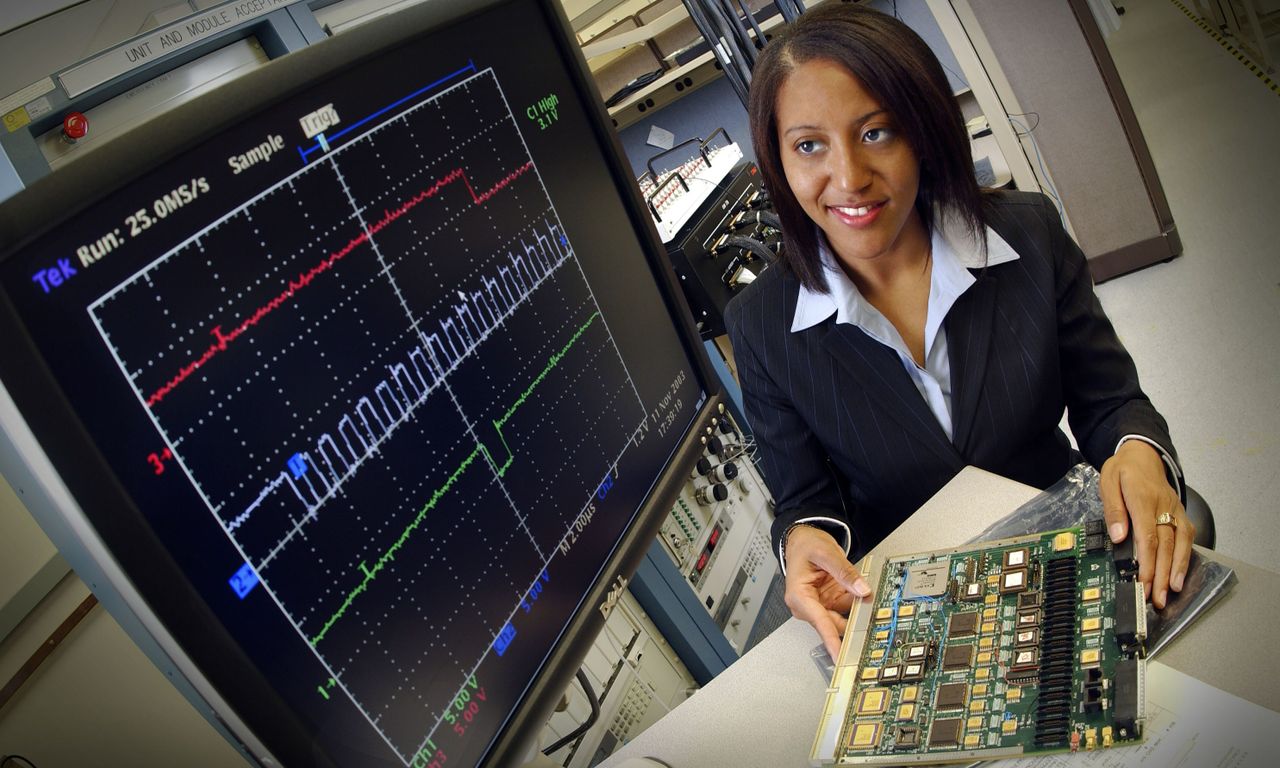
Picture this: you’re hunched over a keyboard, wearing a hoodie that smells faintly of ambition and yesterday’s coffee, and you’re about to write code that could, in theory, help a stealth bomber avoid radar. That’s the daily reality of a Software Engineer at Northrop Grumman, a job that sounds like a spy movie but feels like a very intense game of Tetris with real-world consequences. If you think your office’s “urgent” ticket to fix the printer is stressful, try debugging a system that controls a satellite 22,000 miles above your head.
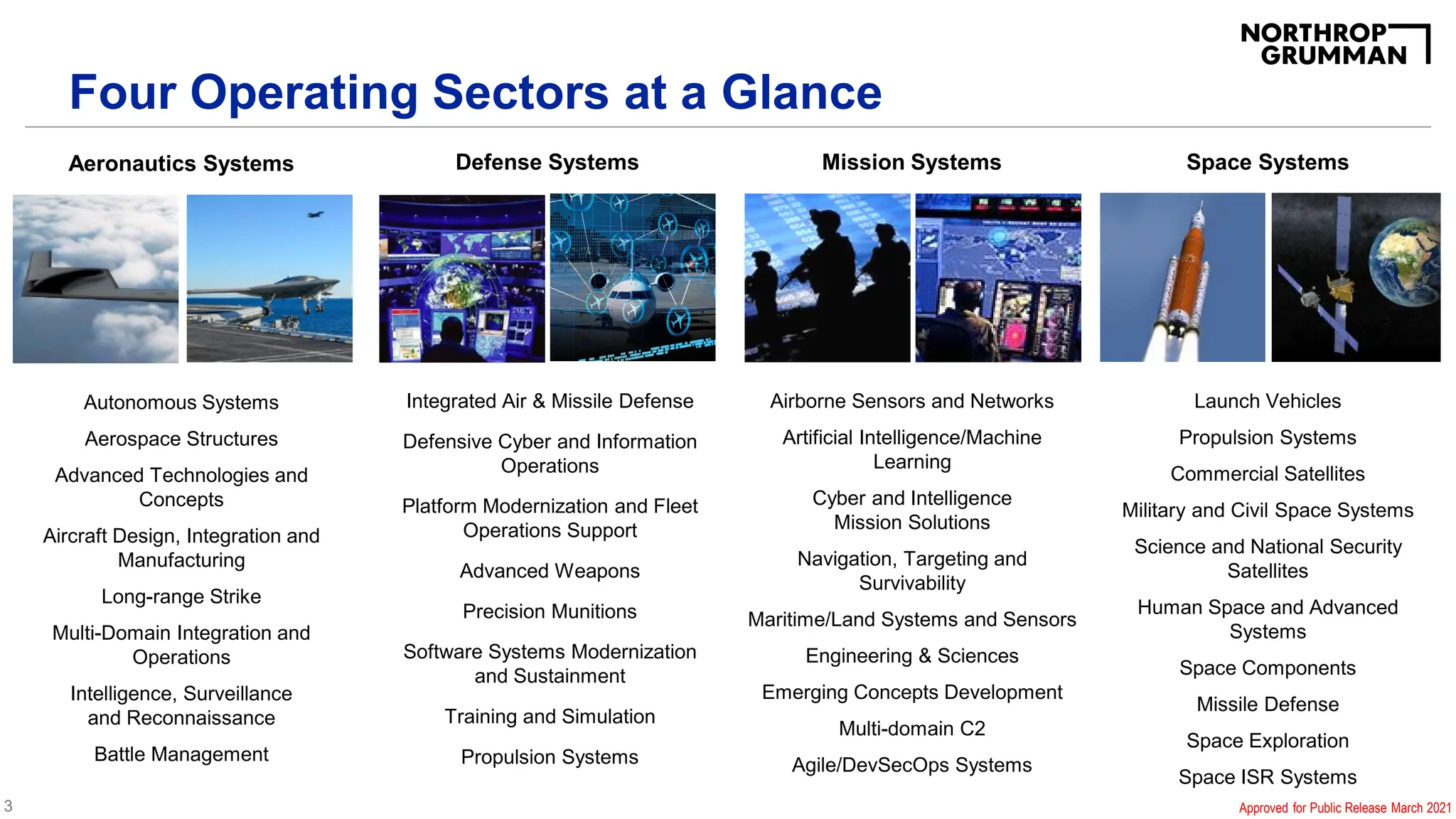
Here’s the kicker: you won’t be writing the next viral social media app. You’ll be building software for things that go boom (responsibly, of course) and things that go beep in orbit. Northrop is one of the “Big Three” defense contractors, which means their engineers work on projects like the B-21 Raider bomber and the James Webb Space Telescope’s predecessor tech. So no, your code won’t order pizza, but it might help a drone land itself on a pitching ship deck during a storm—no big deal.
The “Cool Factor” vs. The “Cubicle Factor”
You might assume the work is all secret handshakes and laser shields. In reality, a huge chunk of your day is spent in classified “vaults”—windowless rooms with reinforced doors where your smartphone is replaced by a rubber duck for stress relief. The security clearance process is hilarious: you’ll list every roommate from college, and the investigator will call your ex to ask if you’re a liability. Spoiler: they don’t care about your breakup, but they do want to know if you’ve ever posted a meme about overthrowing the government (even ironically).
Must Read
The best part? You get to write code in legacy languages that your comp-sci professors warned you about. I’m talking COBOL, Ada, and a sprinkle of C++ that’s older than your manager. Surprisingly, some of the most critical military systems still run on software from the 1980s, meaning you might be paid a six-figure salary to maintain a system that predates the internet. It’s like being a digital archaeologist, but with better dental and a security badge that opens every door except the snack pantry.
The Daily Grind (With a Side of Secrecy)
One morning you’re simulating a missile guidance algorithm; by lunch, you’re fixing a bug that made the simulation think a flock of geese was an incoming fleet. You’ll attend “stand-ups” where everyone speaks in acronyms—JIRA, CI/CD, TPS reports (that one’s not real, but they’d appreciate the reference). And the deadlines? They’re called “flight readiness reviews,” which sounds dramatic until you realize it’s just a giant PowerPoint where you pray your demo doesn’t crash.
Here’s a surprising fact: Northrop Grumman software engineers often spend more time writing documentation than actual code. Because if your code is too clever, and you get hit by a bus, the next engineer—who has a Top Secret clearance and a fear of your spaghetti logic—has to unravel it. So you write comments like, “This loop intentionally iterates 400 times; don’t ask why, it’s for the radar nulling,” and everyone nods solemnly.
Why You’d Actually Love It
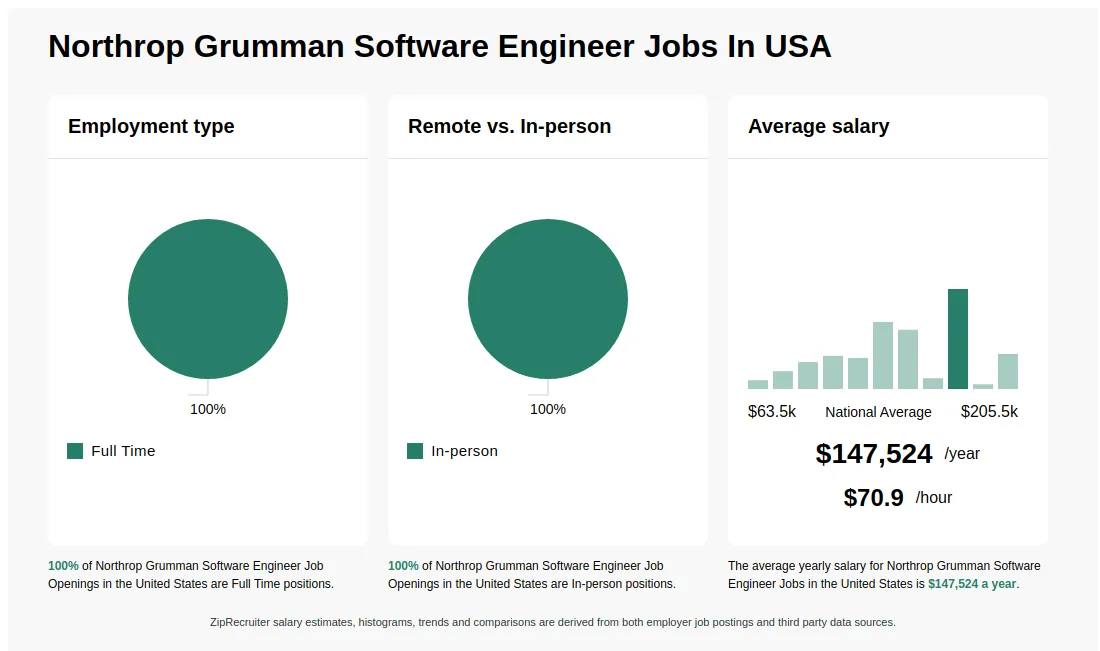
Forget the moral hand-wringing for a sec—this job is a golden ticket to job security. Defense contracts don’t vanish with market bubbles; they survive recessions, wars, and even government shutdowns (mostly). You get a pension, a 401(k) that’s buffer than a bodyguard, and the bizarre satisfaction of saying “I can’t discuss that” when your aunt asks what you do. Also, the pay? A mid-level engineer can clear $130,000 a year in Virginia, where the dominant accent in the office is “annoyed ex-military turned project manager.”

The best kept secret is the work-life balance. Because of security rules, you literally cannot work from home on 80% of the projects. That means you leave at 5 PM, go for a run, and rediscover your hobbies. You won’t get the chaotic startup energy, but you also won’t get the 2 AM panic-attack-ping from your CEO. Instead, you get a calm, beige cubicle that smells faintly of fresh carpet and existential purpose.
So, if you’re tired of building yet another to-do list app and want to write code that actually moves, flies, or launches—Northrop Grumman is your kind of crazy. Just remember to bring your security badge, your sense of humor, and a rubber duck. Because when your simulation says “target acquired,” you’ll want something to squeeze.