Smu Masters In Data Science Cost
Let’s be honest—the words “Master’s in Data Science” sound like a $100,000 spa retreat for your brain, but with more spreadsheets and less cucumber water. You start googling, and your credit card instinctively hides in your wallet. If you’re looking at SMU (Southern Methodist University) specifically, you’re probably asking, “How much is this going to hit my checking account, and will I still be able to afford avocado toast?”
Breathe. The cost is real, but it’s not “sell a kidney on the black market” real. It’s more like “rethink your daily latte habit for two years” real. SMU’s Master of Science in Data Science program—offered through their School of Engineering—is a solid investment, but let’s break down the dollars so you don’t faint when the bill arrives.
The Big Number: What You’re Actually Paying
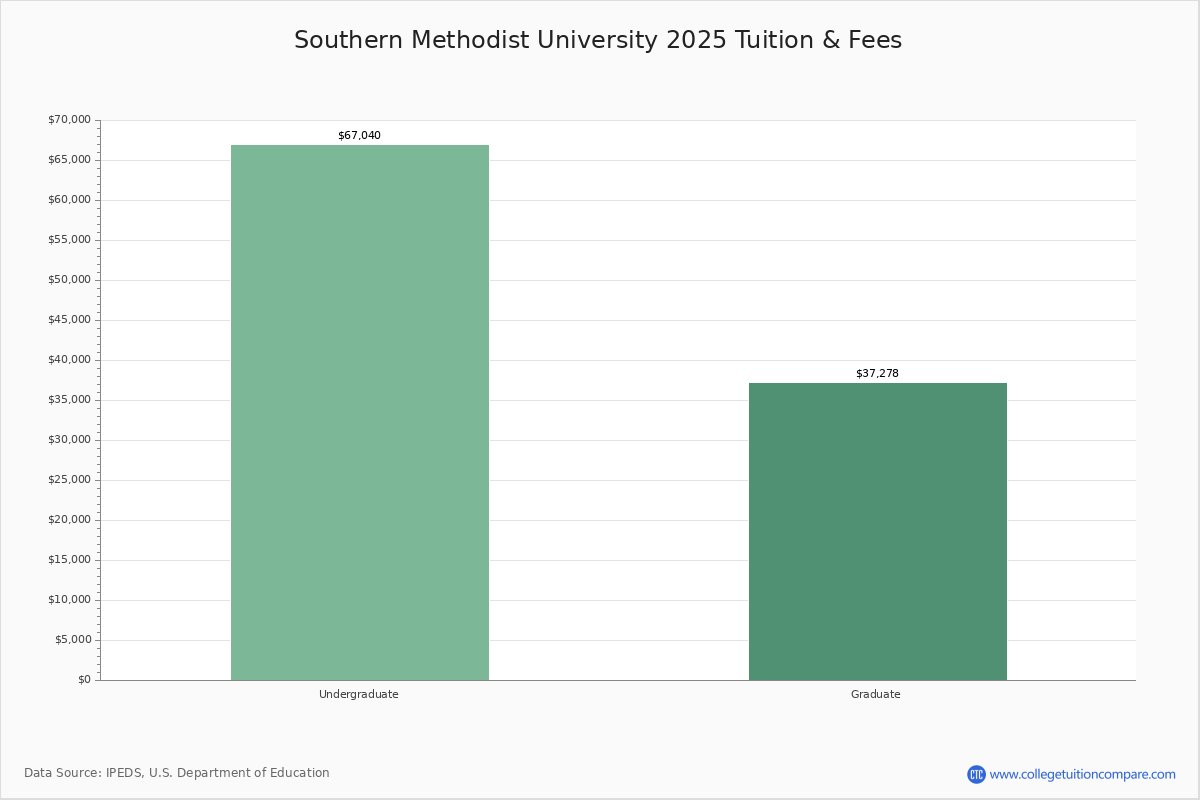
As of the most recent academic year, SMU charges around $1,550 per credit hour for the M.S. in Data Science. The program typically requires 36 credit hours to graduate. Do the math (which you’ll be great at after this degree), and you’re looking at roughly $55,800 in tuition alone. That’s before fees, books, and the inevitable “I need a new laptop because my old one cries when I open Python” expense.
Must Read
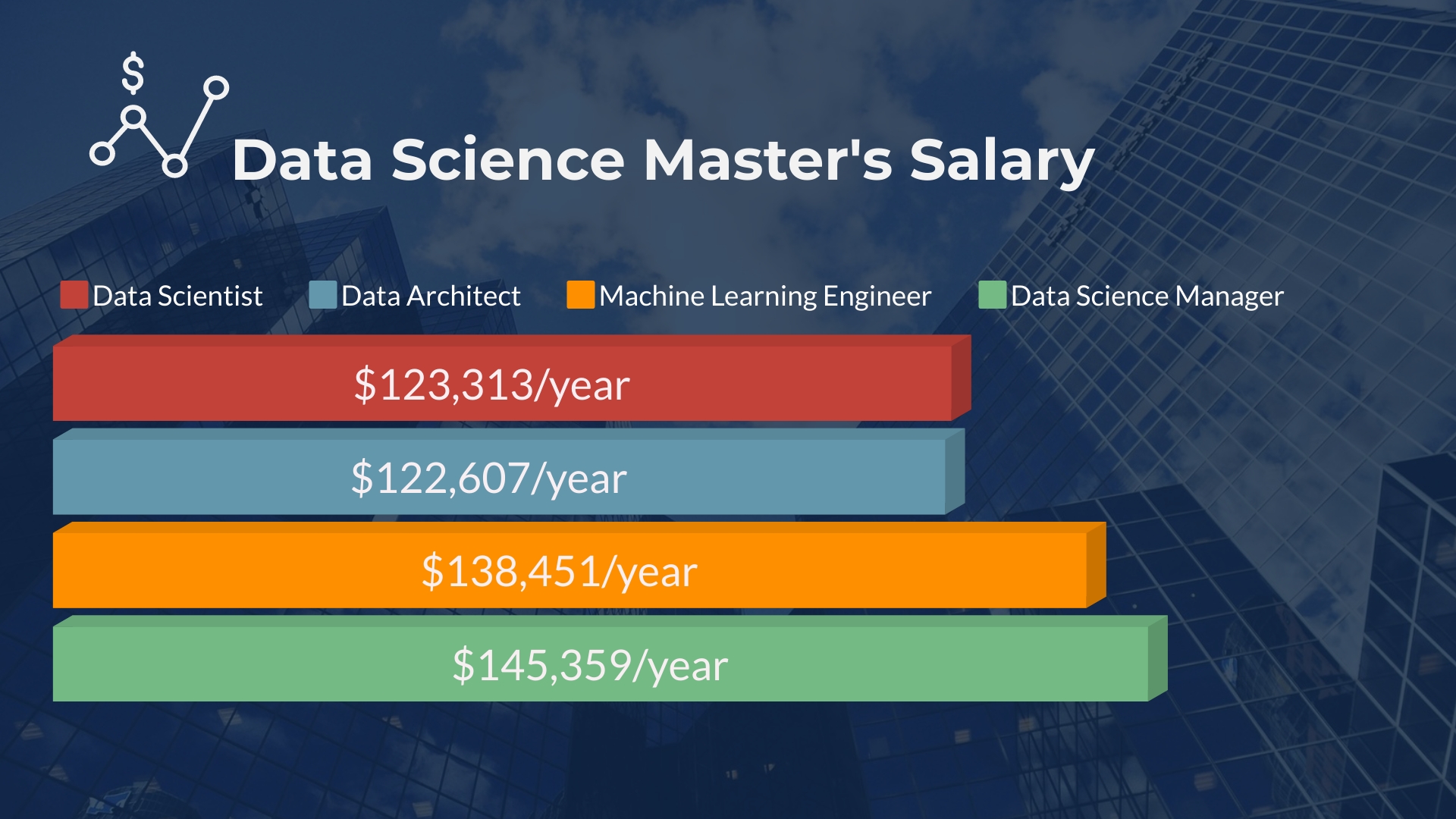
Now, $55,800 sounds like a down payment on a small house—or a really nice car that you’ll use to drive to a job that pays off the loan. But here’s the kicker: data scientists make bank. The average starting salary for grads from this program hovers around $90k to $110k, so you’re not just buying a degree; you’re buying a future where your bank app sends you “congrats” notifications.
Why So Pricey? A Quick Reality Check
Think of SMU as the Whole Foods of education—you’re paying for premium ingredients, not just the label. The program includes hands-on capstone projects, access to faculty who actually work in the industry, and a network of alumni who will happily reply to your LinkedIn message within five minutes. That’s not just a degree; it’s a golden ticket to skip the “entry-level” grunt work.
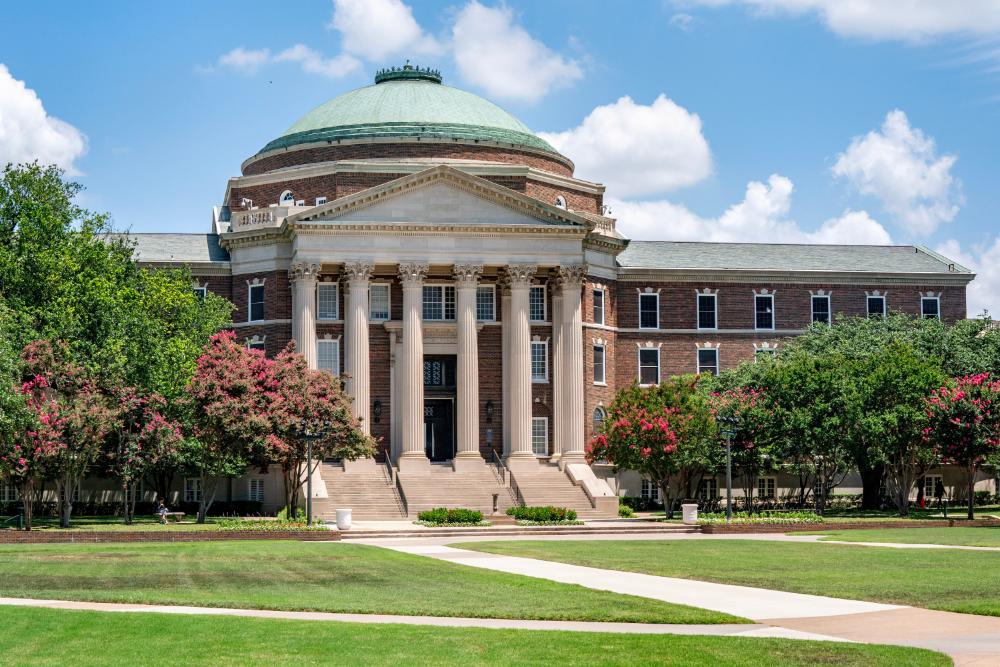
But wait, there’s more. Are you doing the online format? Same price per credit, but you save on parking, gas, and the random “emergency” coffee runs. In-person? You’re also paying for the lovely campus and the chance to awkwardly network with fellow nerds at happy hours. Both are valid; your wallet doesn’t care either way.
Don’t Forget the “Hidden” Costs—They’re Like Fees for Existence
Tuition is just the entrance fee. You’ll also face technology fees (because servers don’t run on love), course materials that cost a fortune because the textbook publisher thinks you’re a hedge fund manager, and possibly a graduation fee that makes you pay to walk across a stage. Budget an extra $2,000 to $3,000 for these little surprises. That’s the same amount you’d spend on a mid-tier gaming PC, except this one comes with a thesis.

And let’s not ignore the biggest hidden cost: your time. You’ll spend weekends debugging SQL queries and crying softly into your keyboard. While that’s technically free, your social life will take a hit. But hey, your future self will trade those Friday nights for a 401(k) match.
Financial Aid: The Unicorns That Might Actually Show Up
Don’t just assume you’ll pay sticker price. SMU offers scholarships, graduate assistantships, and employer tuition reimbursement—which is the corporate version of winning the lottery. If you already work in tech, ask your boss. Many companies will happily pay for this degree because they know you’ll come back with shiny new skills to automate their boring reports.

Also, don’t sleep on federal student loans. Sure, they come with interest, but they’re not the devil. Compare that to private loans from a company that smells fear—those are the ones that will haunt your dreams. Fill out the FAFSA even if you think you make too much. Worst case, you get rejected; best case, you get a grant that covers your books and one solid celebration dinner.
Is It Worth the Splurge? Let’s Be Real
Here’s the thing: you could take a $5,000 bootcamp and learn to build a random forest model by Friday. But that’s like learning to cook only scrambled eggs and calling yourself a chef. SMU gives you the theory, the math, and the credibility that makes HR folks nod their heads. The piece of paper truly matters when you’re competing for senior roles, and the alumni network is worth its weight in gold—or at least in coffee chats.
If you’re doing this while working full-time, the cost feels like a slow leak in your savings. But remember, a data science degree is an asset, not an expense. It’s like buying a quality mattress—it hurts upfront, but you’ll thank yourself every night for the next two decades.
Your Final Move: Do the Math (Literally)
Before you panic, pull up a spreadsheet and calculate your estimated monthly loan payment. For $55,800 at a typical 6% interest over 10 years, you’re looking at about $620 per month. That’s less than a car payment, and unlike a car, your degree won’t depreciate the second you leave the parking lot. Sure, it’s not pocket change, but if you land a $100k job, that’s a small slice of your pay.
So, is the SMU Master's in Data Science cost outrageous? Kinda, yeah. But is it outrageous in a “wow, I’m investing in my future” way? Absolutely. You’ll be squeezing your budget for a while, but future-you will be sitting in a comfy chair, staring at a dashboard you built, and wondering why you ever worried about a few thousand dollars. Just don’t look at your credit card statement until after graduation.