Sleep Number Queen Bed Measurements
Last Tuesday, I found myself lying diagonally across my bed, one leg hanging off the edge like a dramatic oil painting, while my cat took up the exact center. My partner, who was clinging to the remaining sliver of mattress, asked a very reasonable question: “Did we buy a twin by mistake?” That moment of pure, sleep-deprived chaos got me thinking—what are we actually dealing with here, and more importantly, what does a “Queen” really promise?
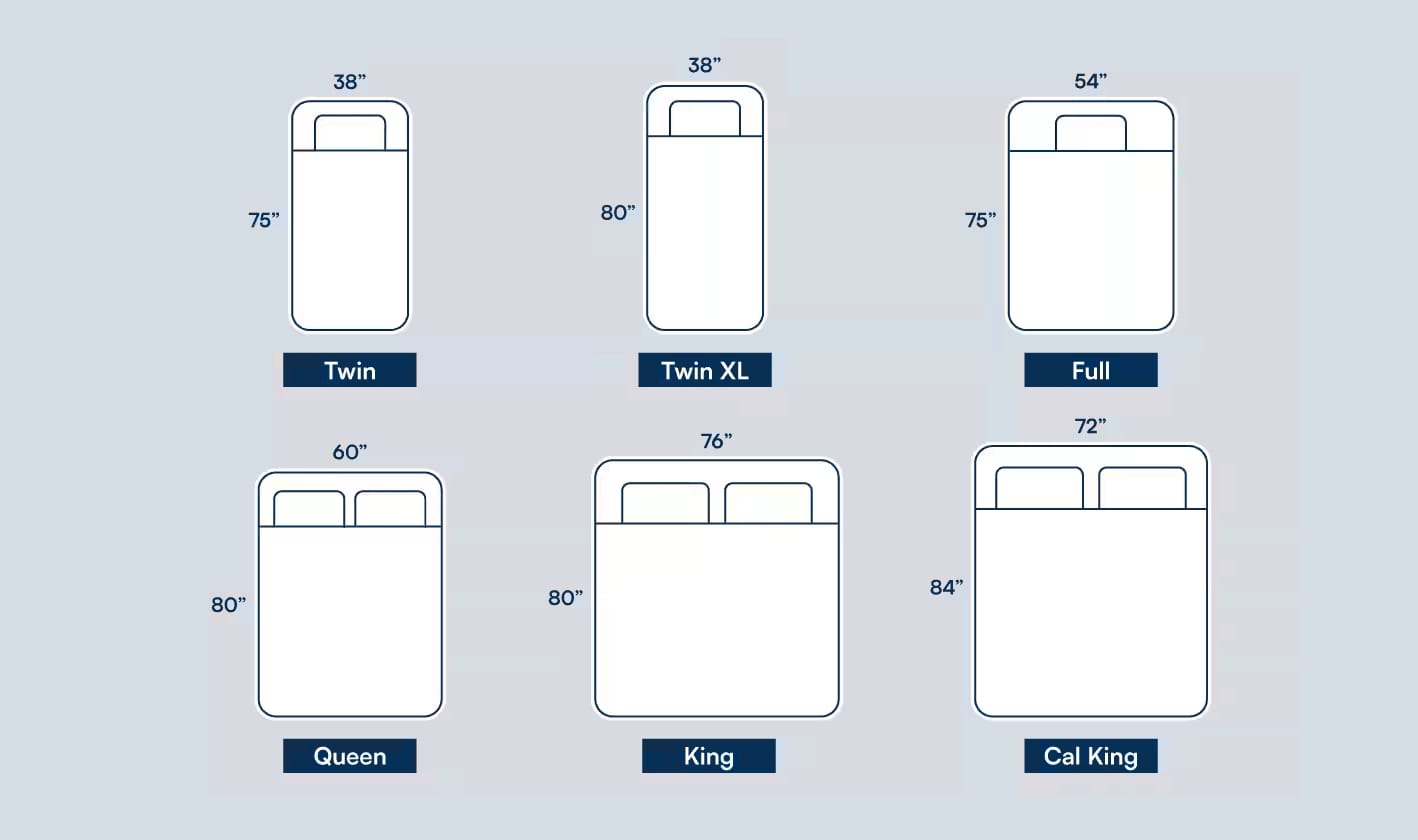
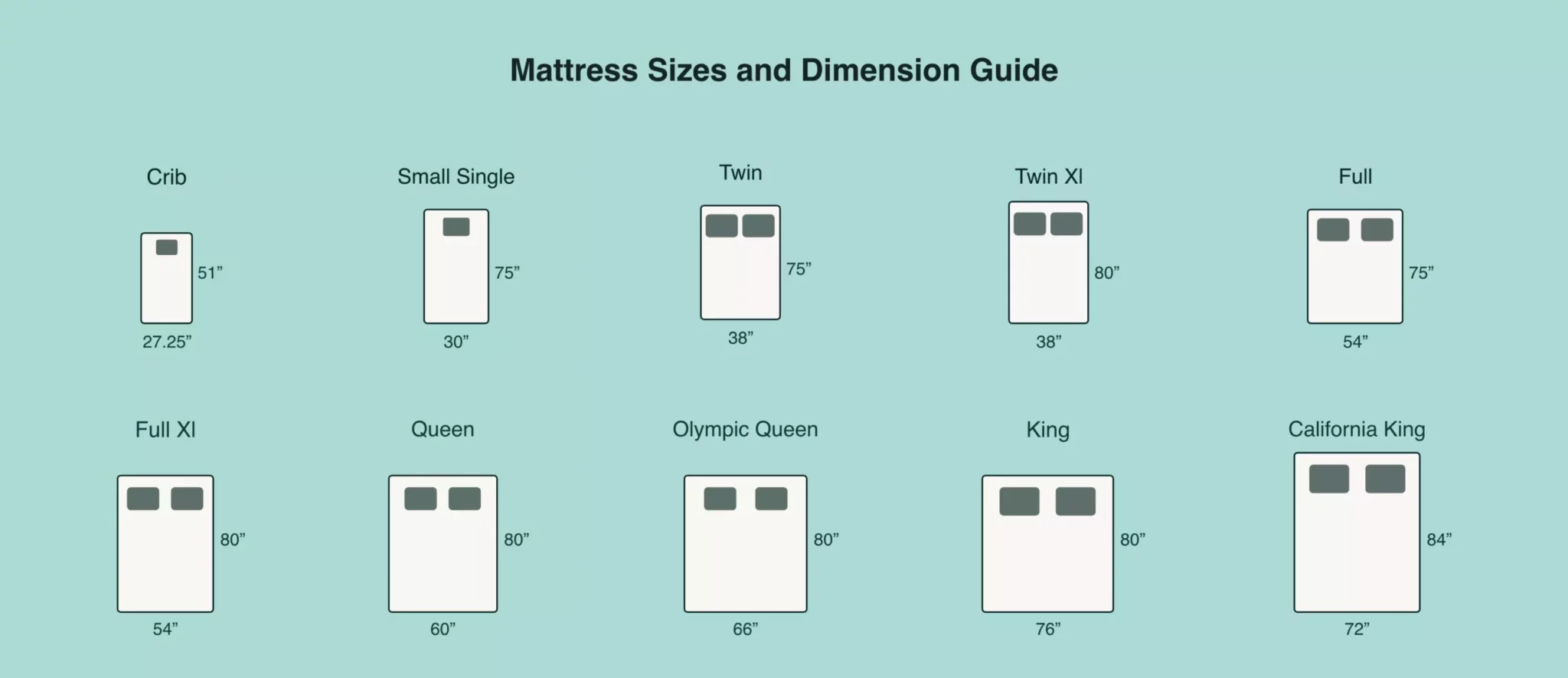
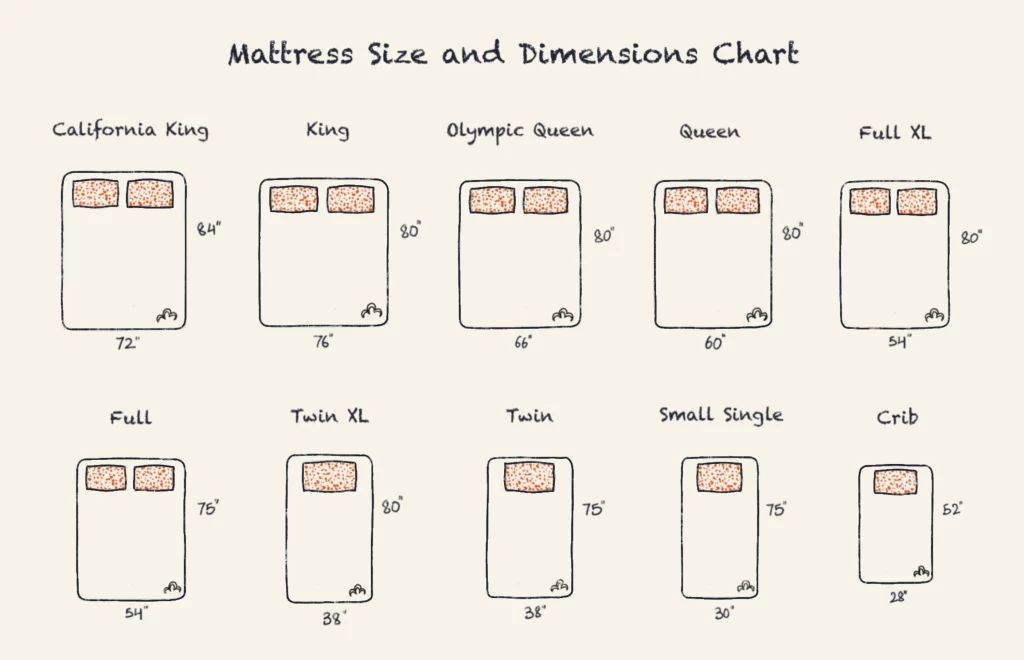
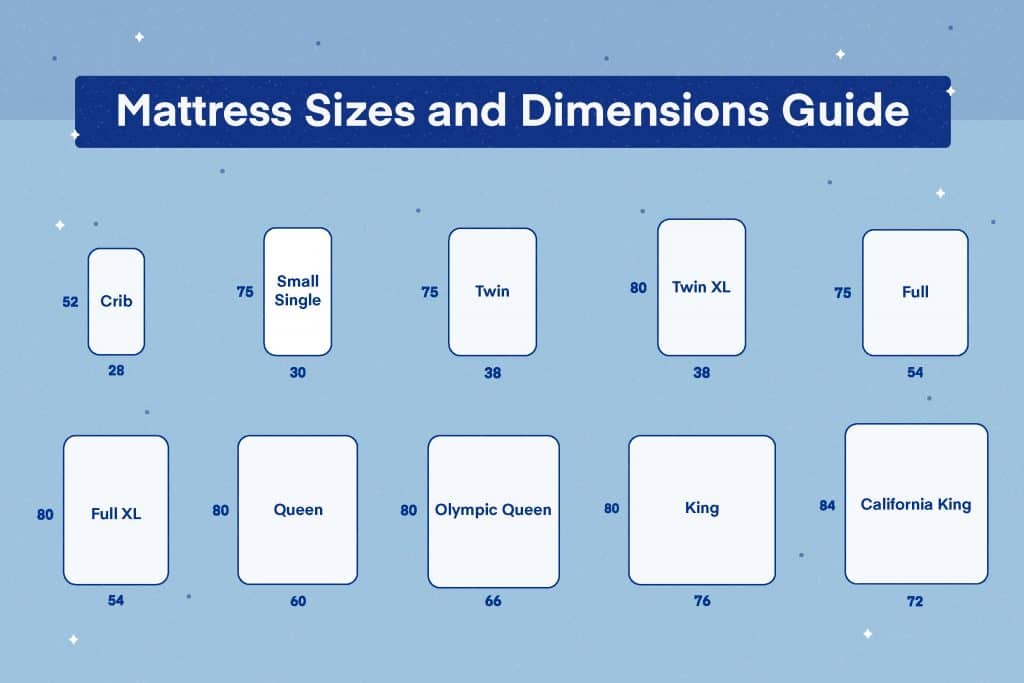
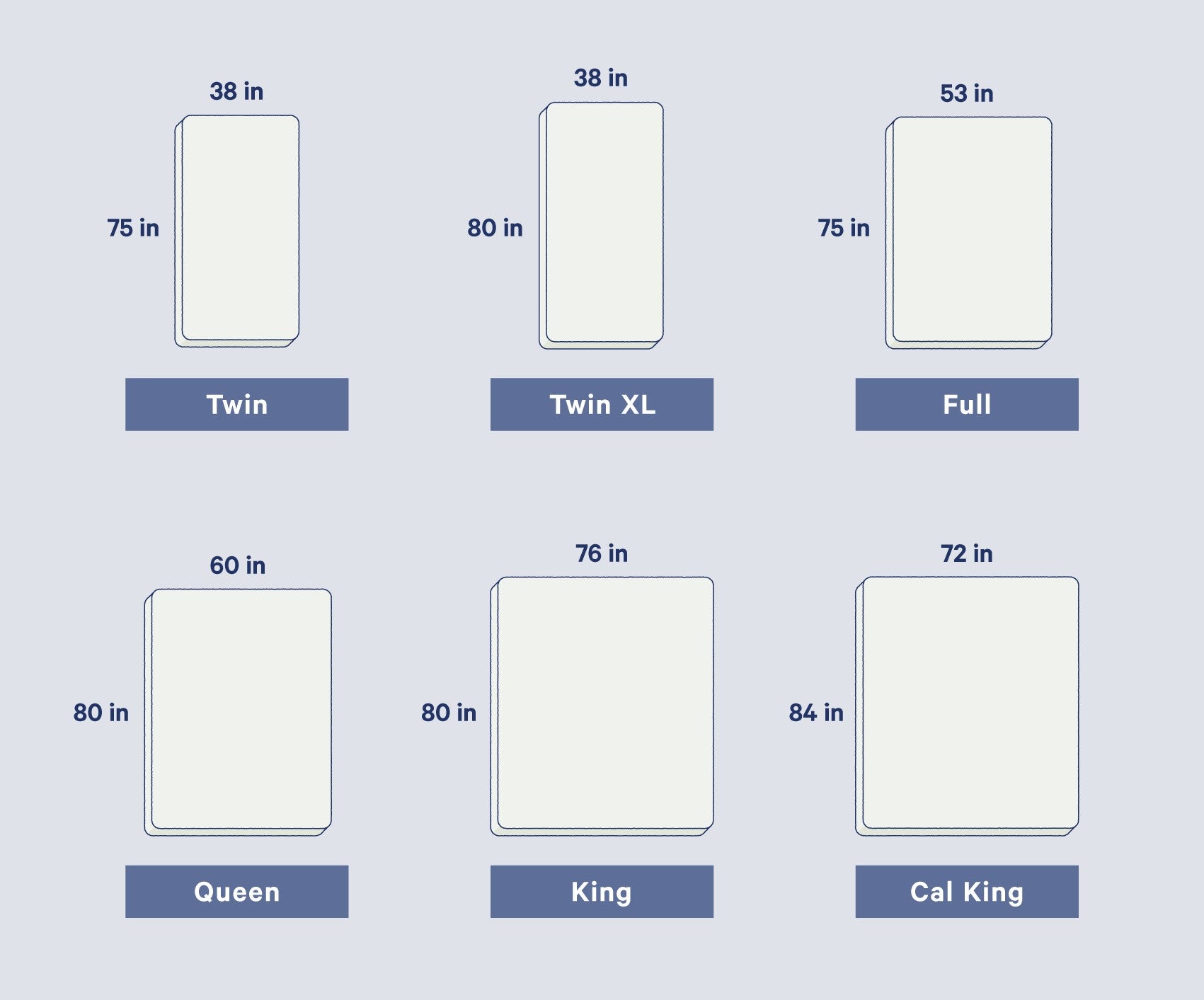
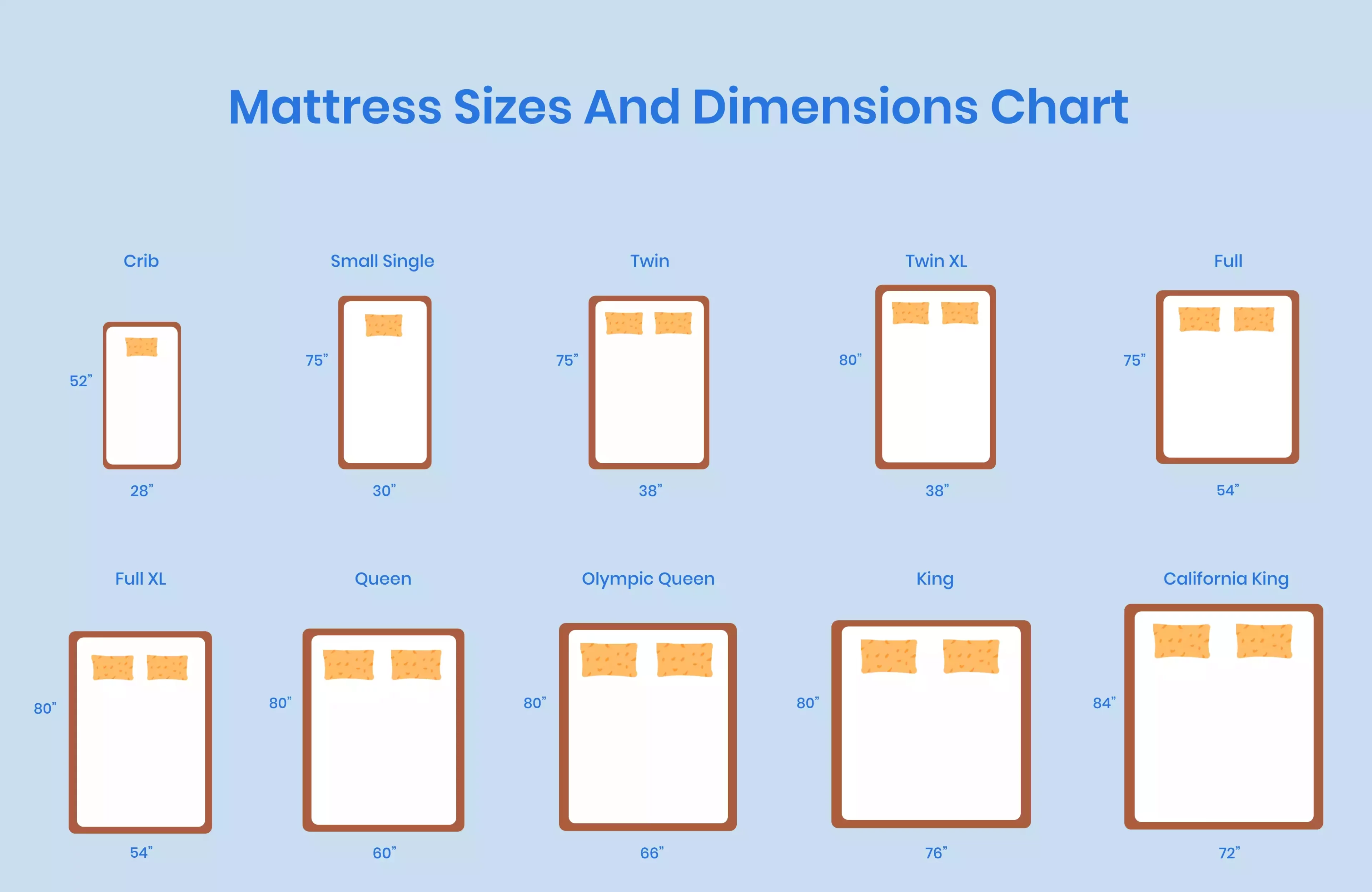
So, I dove down the rabbit hole of Sleep Number queen bed measurements. And let me tell you, it’s less about the “number” and more about the inches. You see, a standard queen bed is 60 inches wide and 80 inches long, but Sleep Number’s specific models have their own quirks, especially when you factor in the adjustable base and the air chambers.
The Classic: What You’re Actually Lying On
For most Sleep Number queen models (like the beloved c2 or c4), the measuring tape doesn’t lie; it’s a solid 60 inches wide by 80 inches long. That’s the same footprint as a regular queen, so your fitted sheets from Target will still work—phew, right? But wait, here’s the kicker: the sleep surface can feel a bit different because of the foam borders that hug the air chamber.
Must Read
Those foam edges are a blessing and a curse. They give you a solid edge to sit on, but they secretly steal about an inch of usable squishy space on each side. So, in reality, you’re getting a “soft” width of maybe 58 inches if you’re rolling around like I do.
The “Flex” of the FlexTop and Adjustable Bases
Now, if you’re eyeing a Sleep Number queen with the FlexTop adjustable base, get ready for some math. The queen mattress itself is still 60x80, but the base splits the head and foot zones, which changes how your upper body can bend. The queen FlexTop gives you a split at the shoulders, which is fantastic for reading, but don't expect each side to move independently like a split king—that’s only for the true royalty.
And here’s a side comment for the tall folks out there (I see you, my 6’3” friends): the 80-inch length is standard, but if you’re over 6 feet, you’ll be doing the classic “toes at the bottom, head at the top” shuffle. Sleep Number doesn’t magically add extra length just because you paid for the “smart” air pump.
Why the Air Chamber Changes Everything (and Nothing)
You’d think the “Sleep Number” gimmick—that dial with numbers from 0 to 100—would alter the physical size. Nope. It only changes the firmness of the air chamber, not the dimensions. So if you pump it up to 100, the mattress might feel like a slab of concrete, but it won’t grow an extra inch overnight. I wish it did, honestly; imagine waking up with a queen that secretly became a California king because you slept wrong.
But here’s the real trick: the total height of the bed depends on your base. A standard foundation adds about 9 inches, but the adjustable base can make your bed look like a low-rider or a monster truck depending on how you angle the head. The queen measurements for thickness hover around 8 to 10 inches, which is crucial when you’re buying deep-pocket sheets. Don’t skip that detail—nobody wants to wrestle a fitted sheet at 11 PM.
The “Two Identical” Lie with the Split Queen?
One sneaky detail Sleep Number sometimes offers is a Split Queen—two 30-inch wide air chambers side by side, totaling 60 inches. This is not the same as a split king (which is 76 inches total). The split queen is for couples who want different firmness but don’t want to jump to a king. The catch? You’ll feel a small ridge in the middle, right where your partner’s butt lands. It’s like sleeping on a seam that never goes away.

If you’re a couple, I’ll give you some honest advice: measure your bedroom first. A queen is perfectly cozy for two, but a Sleep Number queen with an adjustable base needs about 2 extra inches of clearance on each side for the frame to articulate. Fail to check that, and you’ll be jabbing your elbow into the wall every time you raise the head.
Practical Takeaway for the Sleep-Deprived
So, what did my diagonal sprawl teach me? It taught me that measurements are a promise, but the experience is the real test. A Sleep Number queen will give you the same 60x80 footprint as any other queen, but the air pump and foam borders mean you should shop for sheets with a 12-inch pocket depth.
Before you buy, grab a tape measure and mark out 60x80 on your floor. Then, lie down in that rectangle and flail your arms. If you hit nothing, you’re good. If you feel the imaginary edges closing in, consider the FlexTop or just accept that your cat is the real bed hog now. For me, I’m just glad my partner forgave me for the “twin” comment—though he still insists on sleeping like a starfish.