Signs Of Arousal In Females
:max_bytes(150000):strip_icc()/VWH-NEWS-The-Sexual-Response-Cycle-in-Females-and-Males-FINAL-1-1-1e35474f070b40aba5480d6e323dcf70.png)
The world of human arousal is a complex and fascinating realm, full of subtle cues and hidden signals. When it comes to females, in particular, the signs of arousal can be both intriguing and elusive. From the earliest days of human history, people have been trying to decipher the mysteries of female desire, with varying degrees of success. In ancient civilizations, such as Greece and Rome, women's bodies were often seen as enigmatic and alluring, with their desires and needs frequently misunderstood or ignored. Fast-forward to the present day, and we can see that not much has changed. Despite the progress made in gender equality and sex education, there is still a lot of confusion and misinformation surrounding female arousal.
In today's society, we are constantly bombarded with mixed messages about sex and relationships. On the one hand, we have the porn industry, which often portrays female arousal as instantaneous and extreme. On the other hand, we have rom-coms and chick flicks, which frequently depict women as coy and uninterested. The reality, of course, lies somewhere in between. Female arousal is a multifaceted and dynamic process, influenced by a wide range of factors, including hormones, emotions, and life experiences. As we delve deeper into this topic, we will explore the lesser-known facts, psychological aspects, and cultural impact of female arousal, as well as provide practical insights and actionable takeaways for our readers.
Uncovering the Mysteries of Female Arousal
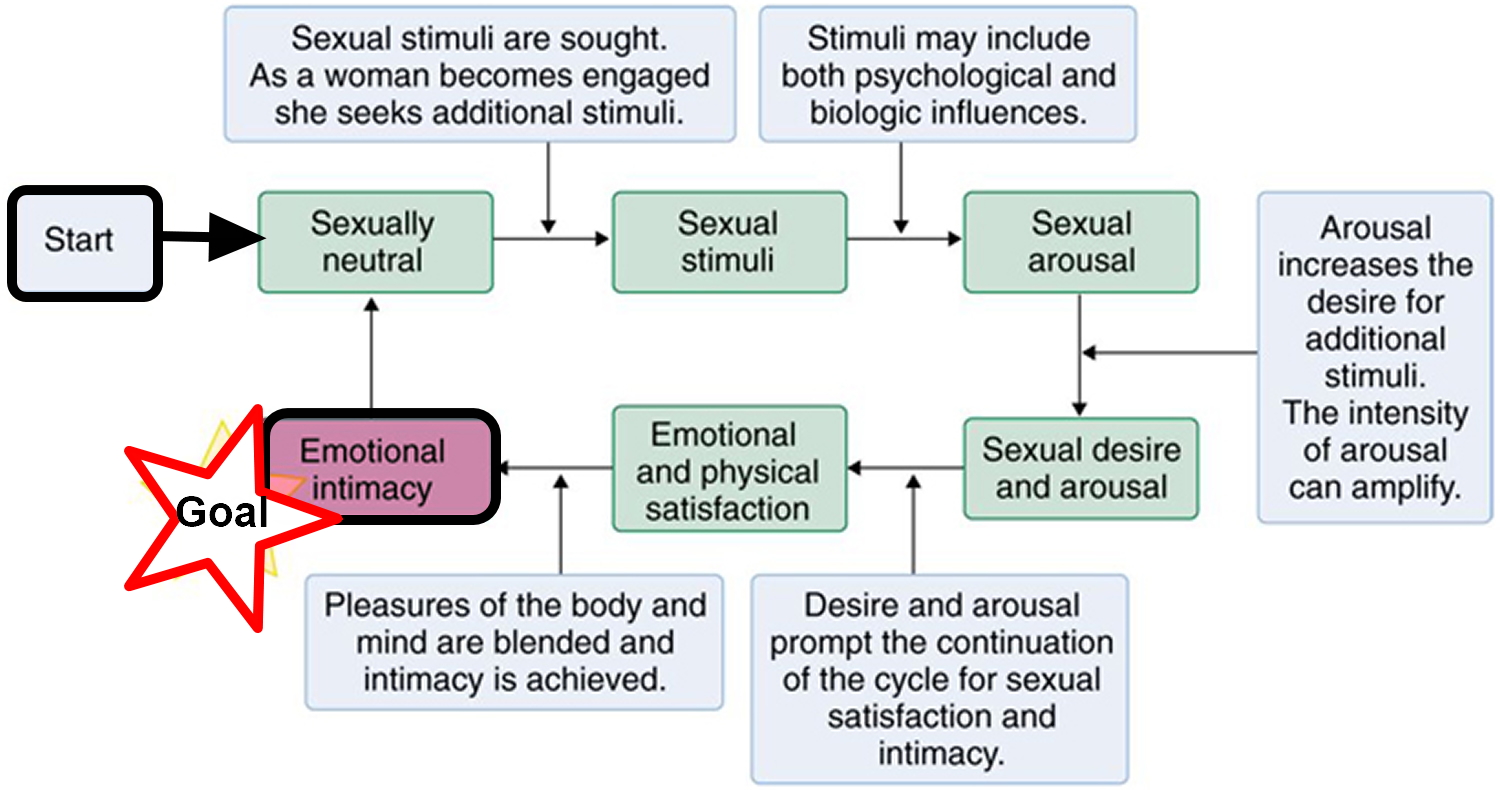
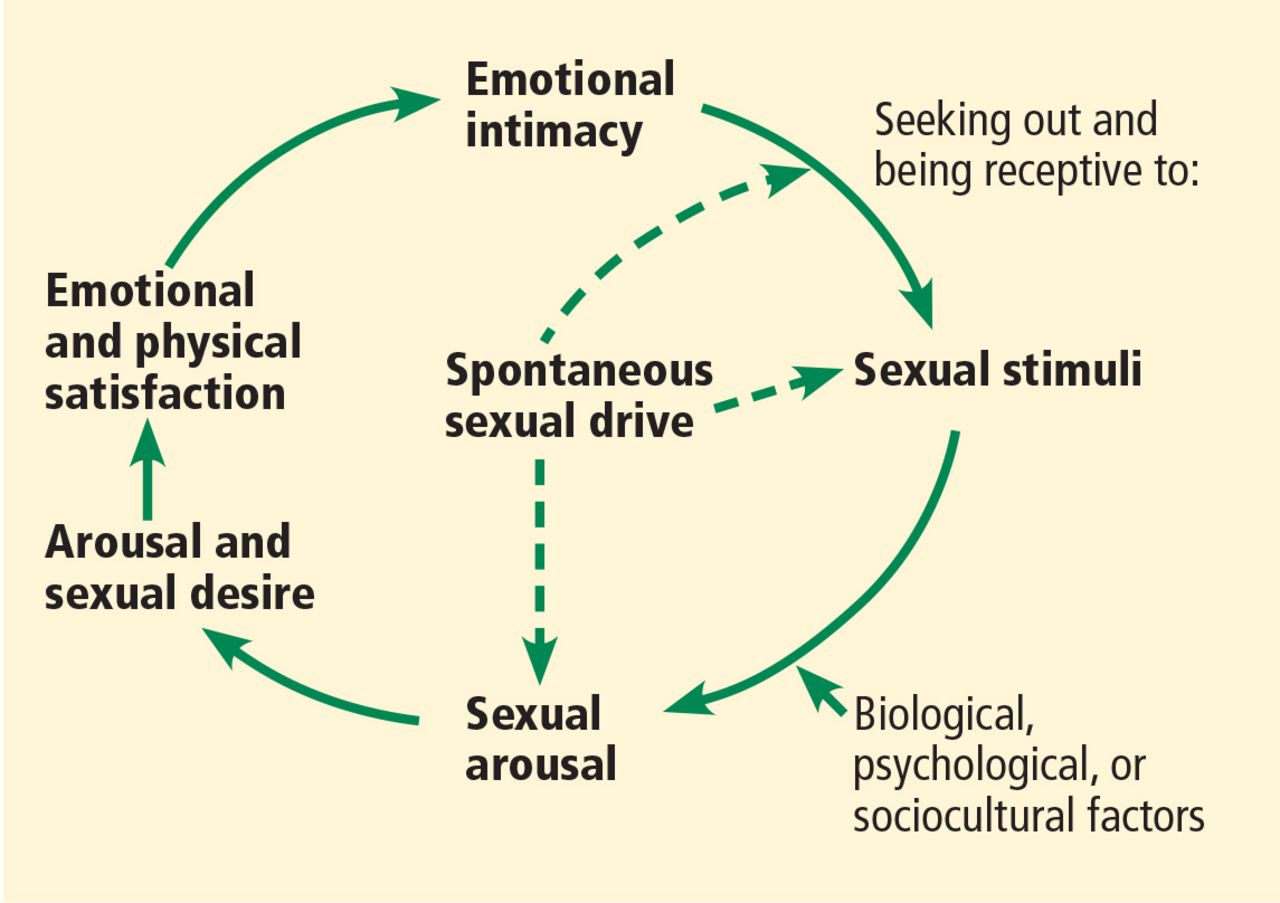
One of the most significant challenges in understanding female arousal is the fact that it is often inconsistent and unpredictable. Unlike men, who tend to experience rapid and intense arousal, women's bodies can take longer to respond, and their desire can be more nuanced. This is because female arousal is closely linked to emotional connection, trust, and comfort, making it a more holistic and context-dependent process. For example, a woman may feel highly aroused in a romantic setting, but completely uninterested in a casual encounter. This complexity can make it difficult for both women and their partners to navigate the complexities of female desire.
Must Read
Another fascinating aspect of female arousal is the role of hormones. Estrogen and testosterone play a crucial part in regulating women's libido, with estrogen levels typically peaking during the ovulation phase. However, hormonal fluctuations can also have a profound impact on female arousal, with some women experiencing increased desire during pregnancy or menopause. Furthermore, stress, anxiety, and fatigue can all suppress female arousal, making it essential to address these underlying issues in order to maintain a healthy and fulfilling sex life.
In addition to biological and psychological factors, cultural and social influences also play a significant role in shaping female arousal. Societal expectations, media representation, and cultural norms can all impact women's perceptions of their own desire, with many feeling pressured to conform to traditional or stereotypical ideals of femininity. For instance, the #MeToo movement has highlighted the pervasiveness of sexual harassment and assault, which can have a profound impact on women's feelings of safety and consent. By challenging these outdated and problematic norms, we can work towards creating a more inclusive and empowering environment for women to express their desire.
Practical Insights and Actionable Takeaways
So, how can we apply our knowledge of female arousal to real-life situations? Firstly, it's essential to communicate openly and honestly with our partners, listening to their needs and desires. This can involve exploring different types of touch, intimacy, and foreplay, as well as discussing boundaries and consent. By prioritizing mutual respect and understanding, we can create a safe and supportive environment for women to express their desire.
Another crucial aspect of female arousal is self-awareness. By tuning into their own bodies and emotions, women can gain a deeper understanding of their desires and needs. This can involve practicing self-care, mindfulness, and self-compassion, as well as exploring different types of pleasure and intimacy. For example, masturbation can be a powerful tool for women to discover their own bodies and desires, helping them to communicate more effectively with their partners.

In addition to individual efforts, couples can also work together to enhance female arousal. This can involve scheduling regular date nights, surprises, and romantic getaways, as well as prioritizing emotional connection and intimacy. By making time for quality interactions and shared experiences, couples can strengthen their bond and rekindle their passion. Furthermore, sex therapy and counseling can provide a safe and supportive environment for couples to address their challenges and concerns.
Finally, it's essential to challenge the stigmatization and shaming surrounding female arousal. By promoting a culture of acceptance and inclusivity, we can help women feel more comfortable and confident in expressing their desire. This can involve educating ourselves and others about the importance of consent, communication, and mutual respect, as well as advocating for women's rights and reproductive health. By working together, we can create a more just and equitable society, where women's desire is valued and respected.
Frequently Asked Questions
What are the most common signs of arousal in females?
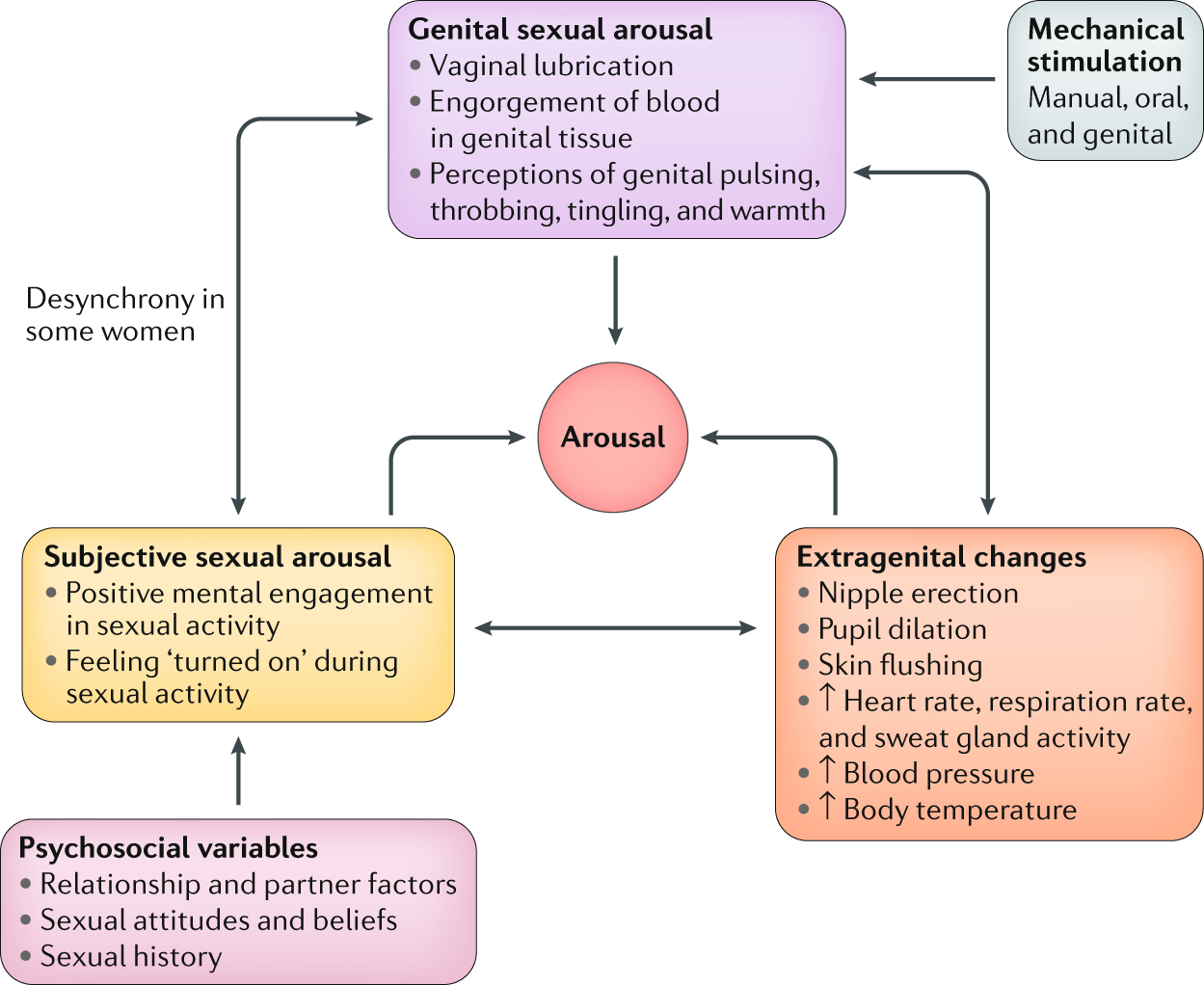
The most common signs of arousal in females include increased blood flow to the genital area, swelling of the vulva, and lubrication. Other signs may include rapid breathing, flushing of the skin, and dilation of the pupils. However, it's essential to remember that every woman is unique, and their bodies may respond differently to arousal. By listening to their own bodies and emotions, women can gain a deeper understanding of their desires and needs.
In addition to physical signs, emotional and psychological factors can also play a significant role in female arousal. Emotional connection, trust, and comfort are all essential components of a healthy and fulfilling sex life. By prioritizing these aspects, women can experience more intense and satisfying arousal, as well as a deeper sense of connection and intimacy with their partners.
How can I increase my libido and experience more intense arousal?
Increasing libido and experiencing more intense arousal can involve a range of lifestyle changes and strategies. Firstly, it's essential to prioritize self-care and stress management, as high levels of stress and anxiety can suppress female arousal. This can involve practicing relaxation techniques, such as meditation or yoga, as well as engaging in regular exercise and healthy eating. By taking care of their physical and emotional health, women can experience more vitality and energy, leading to a more fulfilling sex life.
In addition to individual efforts, communication and intimacy with partners can also play a significant role in increasing libido and arousal. By discussing desires and needs, as well as exploring different types of touch and intimacy, couples can create a more supportive and stimulating environment for female arousal. This can involve scheduling regular date nights, surprises, and romantic getaways, as well as prioritizing emotional connection and quality time together.
What role do hormones play in female arousal, and how can I balance my hormones to experience more intense arousal?
Hormones play a crucial role in regulating female arousal, with estrogen and testosterone being the primary hormones involved. Estrogen levels typically peak during the ovulation phase, while testosterone levels can fluctuate throughout the menstrual cycle. To balance hormones and experience more intense arousal, women can try a range of natural and holistic approaches, such as dietary changes, supplements, and hormone replacement therapy. However, it's essential to consult with a healthcare professional before making any significant changes to hormone levels or treatments.
In addition to hormonal balance, lifestyle factors can also impact female arousal. Stress, anxiety, and fatigue can all suppress libido, while regular exercise, healthy eating, and adequate sleep can help to boost energy and desire. By prioritizing self-care and stress management, women can create a more supportive environment for their hormones to function optimally, leading to more intense and satisfying arousal.

How can I communicate my desires and needs to my partner, and what are some common mistakes to avoid in this process?
Communicating desires and needs to a partner can be a challenging but essential aspect of a healthy and fulfilling sex life. To do this effectively, it's essential to listen actively and empathetically to their perspective, as well as to express your own desires and needs clearly and confidently. Common mistakes to avoid in this process include assuming your partner knows what you want, not being honest about your desires, and not being open to feedback and compromise. By prioritizing mutual respect, trust, and communication, couples can create a more supportive and stimulating environment for female arousal.
In addition to verbal communication, nonverbal cues can also play a significant role in expressing desires and needs. Body language, touch, and eye contact can all be used to convey interest and desire, as well as to build intimacy and connection. By being mindful of these nonverbal signals, couples can create a more sensual and romantic atmosphere, leading to a more fulfilling and satisfying sex life.
What are some common myths and misconceptions about female arousal, and how can I overcome these to experience more intense and satisfying arousal?
There are many common myths and misconceptions about female arousal, including the idea that women are naturally less desiring than men, or that they only experience arousal in response to romantic or emotional stimuli. However, the reality is that female arousal is a complex and multifaceted process, influenced by a wide range of biological, psychological, and social factors. To overcome these myths and misconceptions, it's essential to educate yourself and others about the importance of consent, communication, and mutual respect, as well as to challenge stereotypical and problematic representations of women's desire in the media and popular culture.
By promoting a culture of acceptance and inclusivity, we can help women feel more comfortable and confident in expressing their desire, leading to more intense and satisfying arousal. This can involve engaging in open and honest discussions about sex and relationships, as well as supporting organizations and initiatives that promote women's health and well-being. By working together, we can create a more just and equitable society, where women's desire is valued and respected.
How can I maintain a healthy and fulfilling sex life as I age, and what are some common challenges and concerns that women may face in this process?
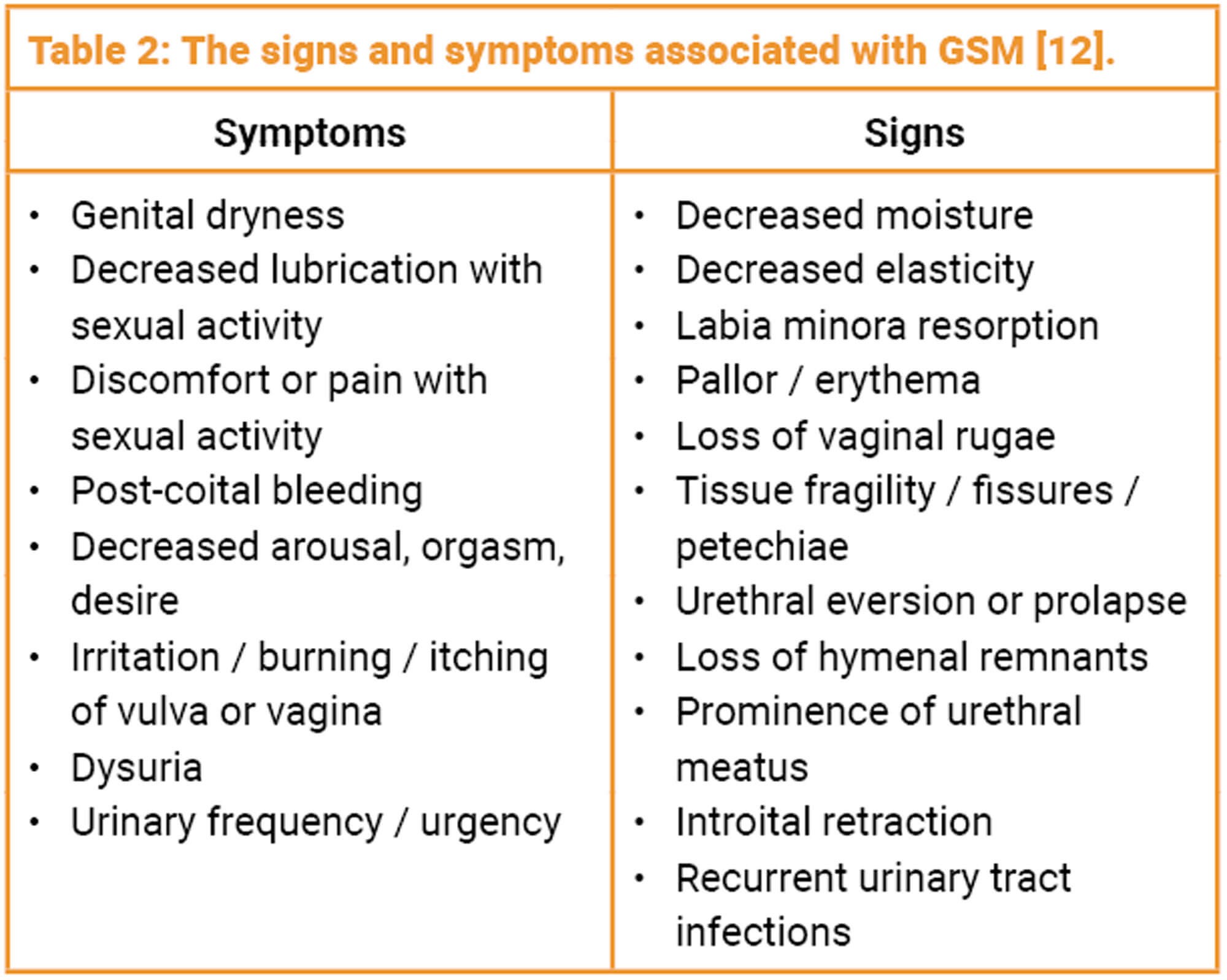
Maintaining a healthy and fulfilling sex life as you age can be a challenging but rewarding process. As women age, they may experience a range of physical and hormonal changes that can impact their libido and arousal, including menopause, vaginal dryness, and decreased estrogen levels. However, there are many strategies and techniques that can help to mitigate these challenges, such as hormone replacement therapy, lubricants, and sex therapy. By prioritizing self-care, stress management, and communication with their partners, women can maintain a vibrant and satisfying sex life well into old age.
In addition to physical and hormonal changes, emotional and psychological factors can also play a significant role in maintaining a healthy sex life as you age. Self-esteem, body image, and relationship quality can all impact women's desire and arousal, making it essential to address these underlying issues. By fostering a positive and supportive relationship with their partners, as well as practicing self-compassion and self-care, women can maintain a strong and resilient sense of self, leading to a more fulfilling and satisfying sex life.
As we reflect on the complexities of female arousal, it becomes clear that this is a multifaceted and dynamic process, influenced by a wide range of biological, psychological, and social factors. By challenging stereotypical and problematic representations of women's desire, as well as promoting a culture of acceptance and inclusivity, we can help women feel more comfortable and confident in expressing their desire.
The connection between female arousal and human nature is a profound and complex one, reflecting our deepest desires, fears, and aspirations. By exploring this connection, we can gain a deeper understanding of ourselves and others, as well as foster more meaningful and intimate relationships. As we strive to create a more just and equitable society, where women's desire is valued and respected, we must prioritize education, communication, and mutual respect, recognizing that female arousal is a vital and essential aspect of human experience.
In conclusion, the world of female arousal is a rich and fascinating realm, full of mystery and intrigue. By embracing the complexity and diversity of women's desire, we can create a more supportive and stimulating environment for female arousal, leading to more intense and satisfying experiences for all. As we move forward in this journey of discovery and exploration, we must remember to listen to women's voices and perspectives, amplifying their stories and experiences. By doing so, we can unleash the full potential of female arousal, transforming our lives and relationships in the process.