Sentimental Jewelry For Girlfriend
Let’s strip away the Hallmark-card sentimentality for a moment and look at the hard data. When you gift a piece of sentimental jewelry, you are not just transferring a physical object; you are initiating a complex neurochemical transaction. The act of giving and receiving a token linked to a specific memory triggers a measurable release of dopamine (the reward neurotransmitter) and oxytocin (the bonding hormone) in the recipient’s brain. This is not poetic whimsy; it's the same endocrine feedback loop that fortifies maternal-infant attachment, repurposed for romantic pair-bonding. The jewelry becomes a physical anchor for a cognitive construct—a wearable memoir that your partner can access at any time, without Wi-Fi.
From a pragmatic engineering standpoint, the value proposition of sentimental jewelry is asymmetric. A standard luxury purchase—say, a handbag—depreciates functionally and emotionally as it becomes outdated. Sentimental jewelry, however, operates on a logic of emotional compounding interest. Every time the piece is worn, it interacts with the environment and the wearer’s sensory system, triggering a recall of the specific emotional state at the time of the gift. This is known as context-dependent memory; the tactile weight of the metal and the cool temperature against the skin serve as retrieval cues, making the emotional memory more vivid and neurologically robust than a simple photograph.
To optimize this gift for maximum long-term efficacy, we must move beyond the generic heart pendant. We need to analyze the biological and psychological mechanisms at play. The goal is not just to make her smile on the day of the gift, but to engineer a lasting neuro-associative loop that increases relationship satisfaction metrics over the long term. The following data points and behavioral hacks are designed to supercharge the ROI (Return on Investment) of your romantic gesture, turning a simple purchase into a lifelong biological asset.
Must Read
The Neurobiology of Wearable Memories: Why Metal Beats Text
The skin is the body’s largest sensory organ, densely populated with mechanoreceptors and thermoreceptors. When your girlfriend wears a ring or a necklace, it generates a continuous, low-grade tactile stimulus. This stimulus is processed by the somatosensory cortex, which has a privileged, high-speed connection to the amygdala (the emotional processing center) and the hippocampus (the memory encoder). Unlike a text message, which is processed linguistically and cognitively (and often deleted), the physical sensation of jewelry bypasses the "logical filter" and goes straight to the emotional core. This is why a piece of jewelry can trigger a visceral, lump-in-throat feeling that a screenshot of a conversation simply cannot replicate.
Chemically, the act of touching or adjusting a piece of jewelry creates a micro-feedback loop of self-soothing. When cortisol levels spike (stress), humans often engage in repetitive tactile behaviors (like twisting a ring). This fiddling actually stimulates the release of serotonin—the mood stabilizer. By gifting sentimental jewelry, you are effectively providing your partner with a portable, discreet fidget tool that is bio-optimized to regulate her stress response, while simultaneously reminding her of a positive memory. It’s a physiological hack disguised as an aesthetic accessory.
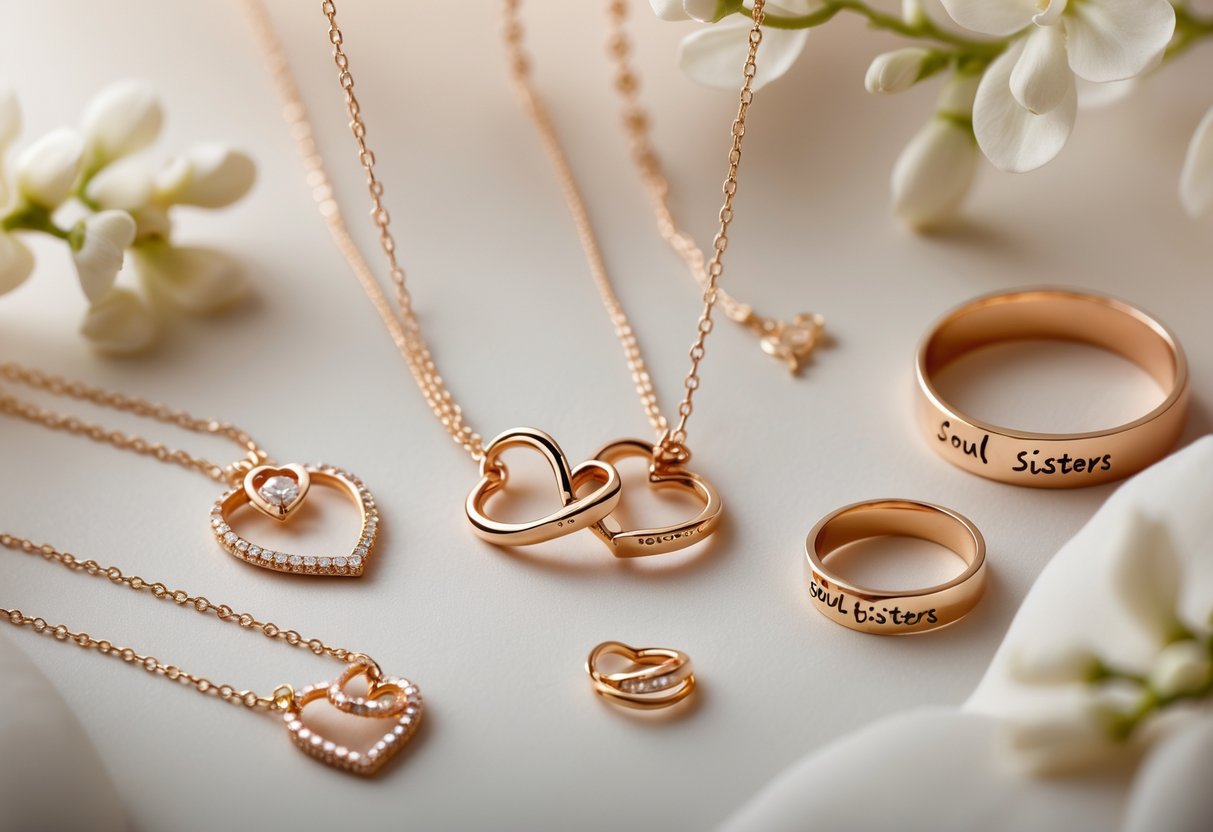
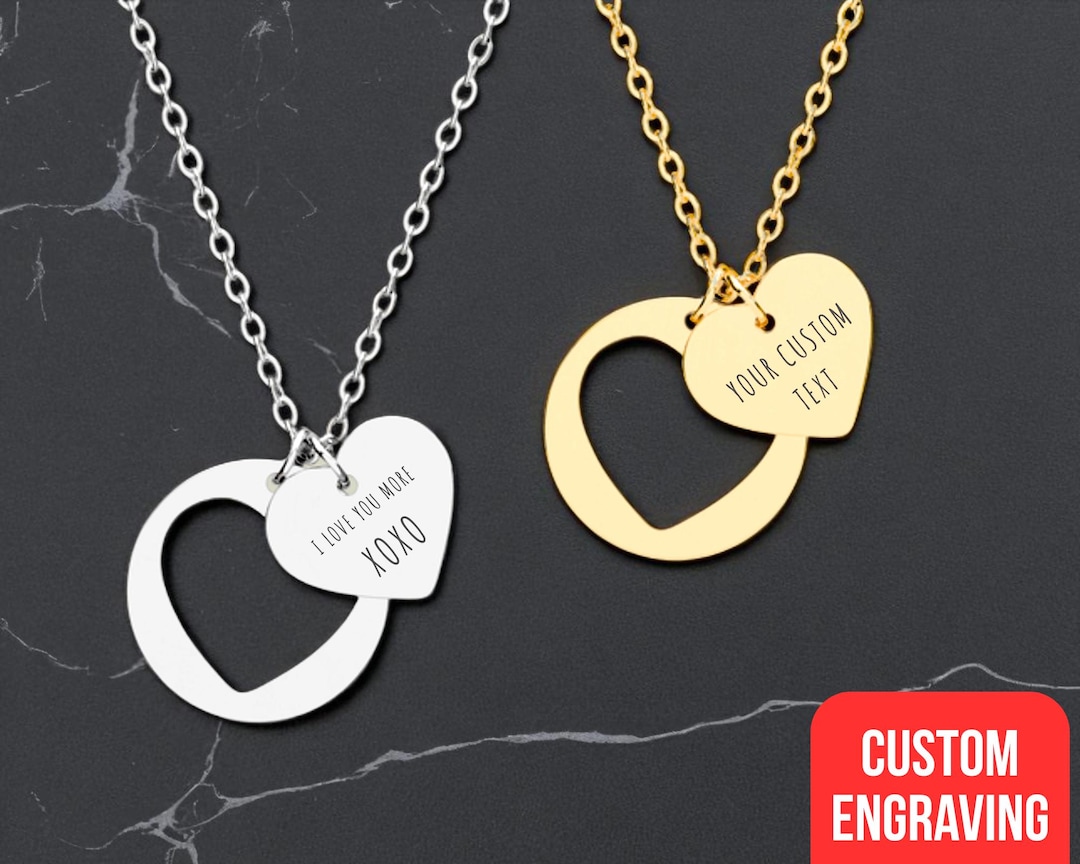
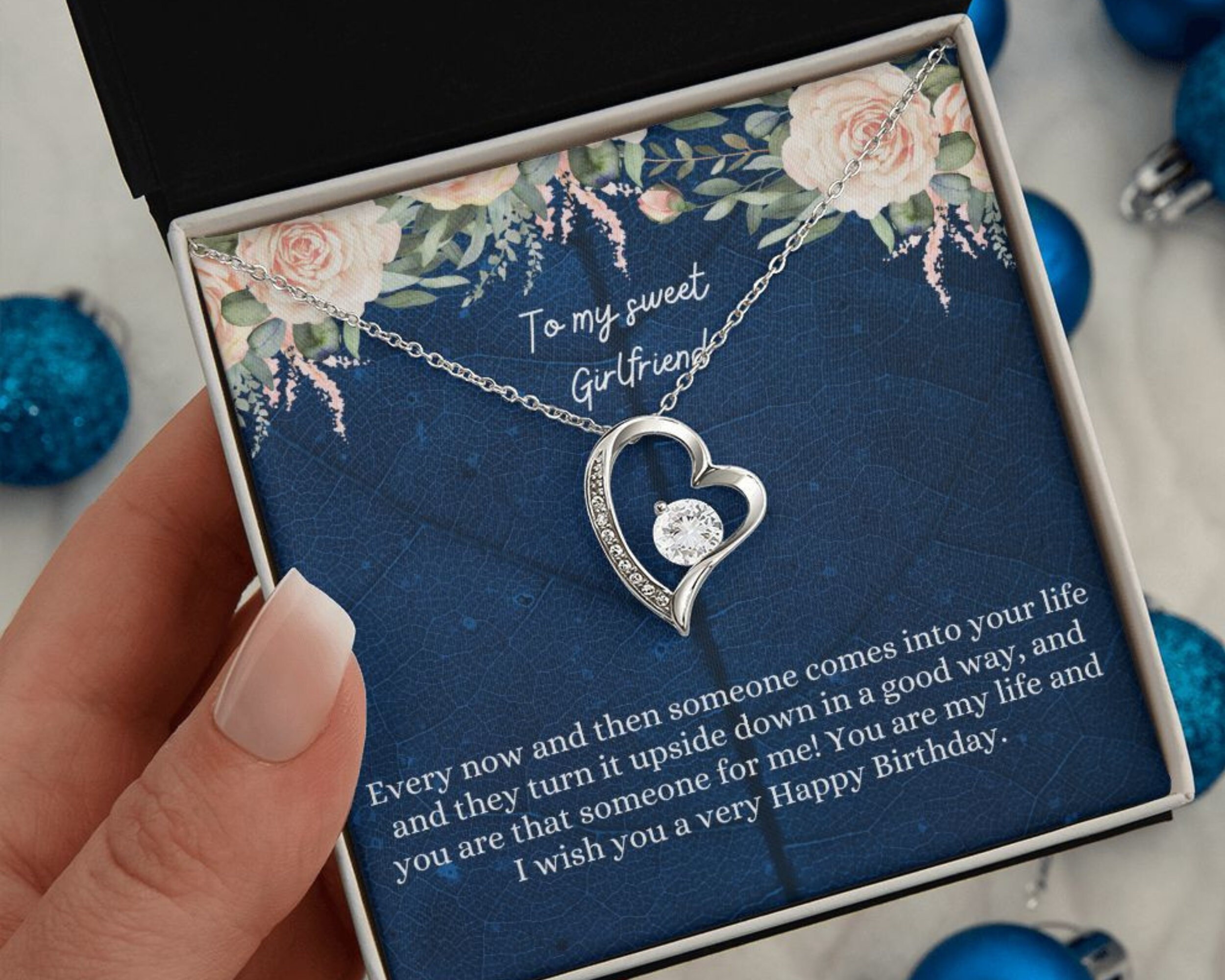
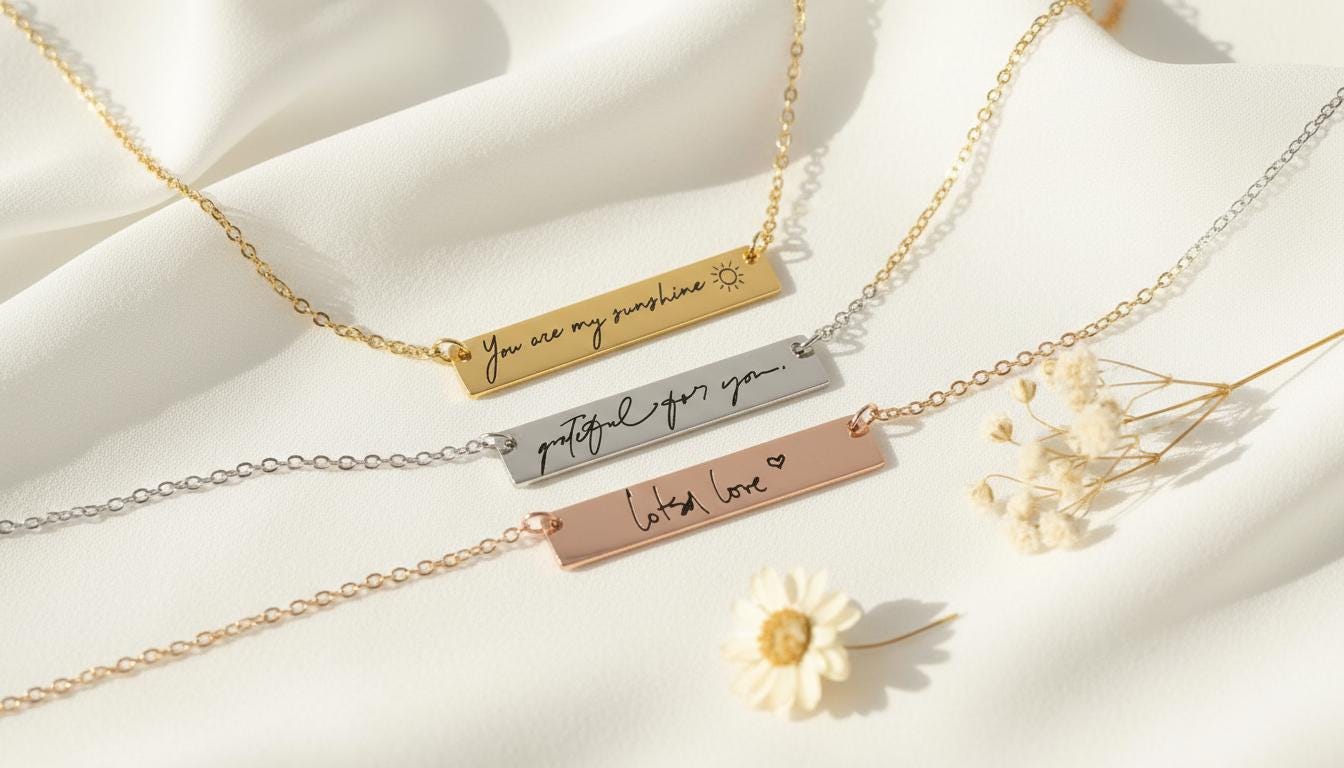
Furthermore, the olfactory factor is often overlooked. The jewelry will absorb the subtle scent of her daily environment—her lotion, her perfume, her home. Over time, the piece becomes a repository of her own unique pheromonal signature. When she wears it, she is constantly surrounded by her own scent profile, which has been shown to increase feelings of familiarity and self-assurance. If you add an engraving, you are adding a layer of visual and tactile vocabulary, forcing her brain to decode the message, which increases cognitive engagement and strengthens the memory trace exponentially compared to a blank piece of metal.

Strategic Optimization: The 4-Point Protocol for Gift Giving Efficiency
Hack #1: The "Temporal Anchoring" Method. Do not give the jewelry on a traditional holiday (Birthday, Valentine’s Day, Christmas). These dates are saturated with generic gift-giving pressure, flooding the reward system with baseline dopamine. To create a truly efficient sentimental memory, you must anchor the gift to a unique, co-created event. This is a distinct cue in psychology—a specific, non-replicable moment (e.g., the night you cooked a terrible first meal together, or the end of a grueling half-marathon she ran). By gifting on a seemingly random Tuesday, you hijack the concept of intermittent reinforcement, making the memory far more salient and harder to delete from her autobiographical memory bank.
Hack #2: The "Material Hardness" Index. Pay attention to the physical durability of the metal. According to the Mohs scale of mineral hardness, titanium (6.0) and platinum (4.5) are vastly superior to 14k gold (3.0) for daily wear. However, from a sentimental optimization standpoint, a soft metal is not a flaw; it is a feature. A metal that scratches and dents—like sterling silver—collects a patina of evidence. These physical imperfections are micro-histories. Each scratch corresponds to a day lived, a moment endured. Tell her this. Frame the scratches not as damage, but as chronographic data—a visible timeline of your relationship’s history.
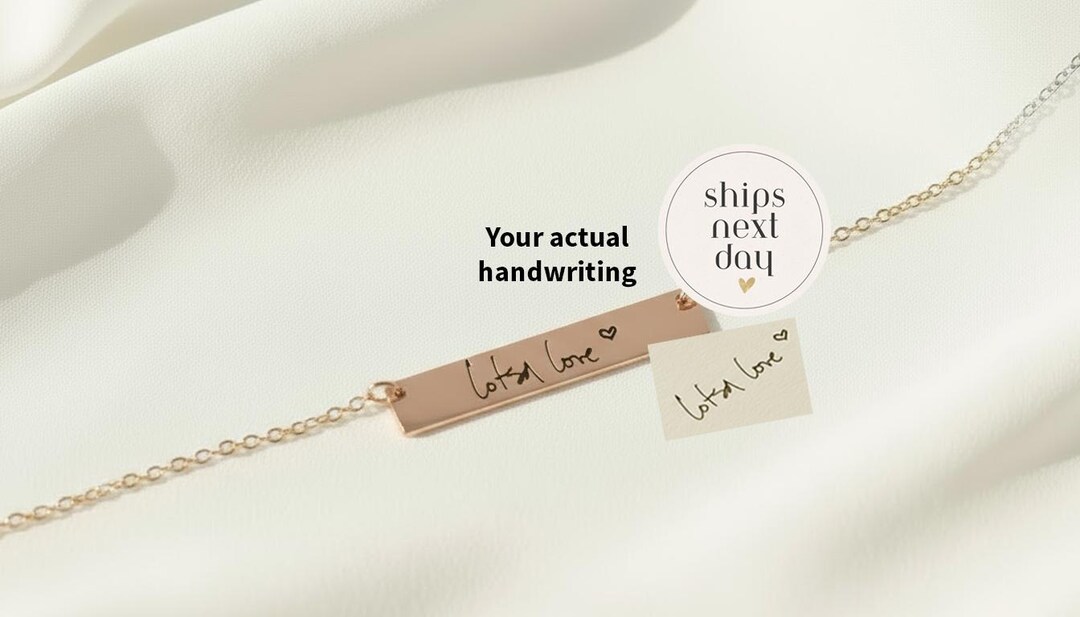
Hack #3: The "Contextual Text" Protocol. If you choose engraving, do not use a full sentence. The brain processes single words or coordinates faster and with greater emotional efficiency than complex syntax. Use a specific GPS coordinate of where you first met, or a single codeword that you both use in private. This creates a "secret handshake" effect. The ambiguity forces the brain to fill in the blanks with autobiographical detail, making her an active participant in the memory construction, rather than a passive receiver. This increases the elaborative rehearsal of the memory, making it stickier in the long term.
Hack #4: The "Integration Duration" Rule. Never give the jewelry and immediately leave. The bonding window is critical. Plan for a 30-minute window post-gift where you engage in high-quality, positive interaction (dinner, a walk, physical proximity). This initiates the synaptic consolidation process. The emotional context of the environment (smell, lighting, conversation) becomes intricately linked with the object in her memory. If you hand it over and turn back to the TV, you are essentially writing a program with a malformed cache—the memory will exist, but it will be corrupted with negative association.
Maintenance and Lifecycle Management: The "Tech Support" Guide
Once the gift is deployed, you must manage its lifecycle. The most common failure point is ring avulsion (the finger swelling) or the loss of the piece. To mitigate this, implement a 3-step cleaning schedule. Use an ultrasonic cleaner with a neutral pH solution (7.0) once a month. Harsh chemicals (chlorine) can break down the molecular lattice structure of softer alloys, leading to stress fractures. The science is simple: maintain the purity of the substrate to maintain the clarity of the memory.
In the event of loss, you must remain pragmatic. This is not a catastrophe; it is a data recovery problem. Historically, sentimental jewelry is often found because the owner has a "safe placement" bias—they put it in the same few logical spots (jewelry box, bathroom counter, pocket). Search these zones systematically. If it is truly gone, the psychological impact can be managed by reminding her that the memory is encoded in the brain, not the object. The jewelry was merely the hardware; the software (the memory file) is safe. Suggest a new "replacement hardware" that is distinct from the original, creating a new chapter in the sentimental timeline.
Frequently Asked Questions: Troubleshooting the Emotional Loop
What if she never takes it off, and it gets damaged?
This is a common anxiety, but you must reframe it. Consistent wear is the highest KPI (Key Performance Indicator) of success. Over-wear does not mean neglect; it means integration. The damage is a sign of daily use. As mentioned, for kintsugi-like purposes, do not rush to "fix" it immediately. Let the piece accrue a "wear log." If it is a chain, strategic soldering is acceptable, but never polish away the deep scratches. Those are your data points. If it breaks, view it as a mechanical failure due to metal fatigue (cyclic stress), not a romantic failure. Acknowledge it, repair it, but add the "break" to the story. It becomes a tale of survival.
She has metal allergies. Should I skip this entirely?
No. Allergies are a chemical intolerance to specific metallic ions, usually nickel. This is not an emotional issue; it is a hydroallergic issue. The solution is to select hypoallergenic metals such as titanium, niobium, or 14k/18k gold (which has a low nickel content). Alternatively, medical-grade PTFE coated rings exist, but they feel less substantial. If she has severe sensitivities, pivot to a non-metal substrate like glass or ceramic (silicon dioxide), which are bioinert. The sentimental value is not in the atomic weight, but in the neural encoding you attached to it. Don't let chemistry become an excuse for inaction.
Is it better to give a ring or a necklace?
From a proprioceptive standpoint, a ring is superior because it is constantly in contact with the high-density nerve endings of the fingertips. This maximizes the tactile feedback loop. However, a necklace interacts with the vagus nerve network around the neck and chest, which is associated with the parasympathetic (rest and digest) system. A necklace is better for anxiety regulation; a ring is better for constant memory reinforcement. If you are optimizing for daily utility, choose a ring. If you are optimizing for emotional soothing, choose a necklace.
How much should I spend? Does cost correlate with sentimental weight?
Neurobiologically, the brain does not process the price tag; it processes the effort and cognition required to choose the object. However, the endowment effect in behavioral economics suggests that people value objects they own higher than market value, especially if they were a gift. The optimal price point is one that is not so high that it creates financial stress (guilt), and not so low that it appears to be a "regift." The actual monetary value is irrelevant. The inherent cost of decision fatigue is what matters. Spend time researching her astrological birthstone or a specific birth flower, even if it costs $50. The personalization data is worth more than gold.
We broke up. Should she keep it?
Pragmatically, the jewelry has served its biological purpose. The memory is encoded. Keeping it can trigger a cortisol spike and impede the extinction of the emotional response. The most efficient strategy is the "graceful deletion." She should keep it in a physical space she does not access daily (a safety deposit box, a drawer in her parents' house). This is called
Respecting the science of sentimental jewelry transforms us from passive consumers into active neuro-engineers. We are not buying a product; we are commissioning a biological device designed to improve the mental health metrics of our relationship. This optimization mindset—viewing romance as a system to be calibrated—encourages us to be more deliberate, more observant, and more precise in our affections. It strips away the anxiety of "what to get" and replaces it with a clear-headed analysis of "what is the most efficient memory trigger."
Ultimately, this pragmatic approach empowers us to be better humans. We stop relying on guesswork and outdated social tropes. We analyze the biological substrate of love and build physical anchors that honor that biology. The result is a relationship that is not just emotionally fulfilling, but also scientifically validated. You become a provider of security, a curator of memories, and a technician of the heart—armed with data, not just diamonds. That is true efficiency in the service of love.