
Semiconductor Process Engineer Jobs

You know that little rectangle of glass and metal you’re reading this on right now? The one that lets you order tacos, video-chat your mom, and pretend to know the weather forecast?
That magical slab of tech doesn’t just appear out of thin air. It’s born in a spotless, ultra-clean factory where the air is literally hundreds of times cleaner than a hospital operating room.
And the people who make sure those tiny electronic brains work perfectly? They’re called semiconductor process engineers.
Must Read
It’s Like Baking a Million-Layer Cake
Imagine trying to bake a cake that’s one thousand layers thick, where each layer is thinner than a strand of spider silk. Now imagine that if you put one layer on slightly wrong, the whole cake turns into a very expensive brick.
That’s basically the job. Process engineers design, tweak, and baby-sit the incredibly complex steps that turn a plain silicon wafer into a computer chip.

They’re not wearing lab coats and looking at microscopes all day—they’re more like detectives, solving puzzles about why a layer of metal isn’t sticking, or why a microscopic etching step is leaving smudges.
Why Should You Care? (Spoiler: You Already Do)
Every time your phone lags, your laptop gets hot, or your car’s navigation system freezes, you’re feeling the work of a process engineer. If they mess up, we all feel it in our daily lives.
These are the folks who make sure your video calls don’t turn into pixelated blobs and that your electric car’s battery actually lasts longer than a trip to the grocery store. In short, they are the quiet guardians of modern convenience.
Without them, your “smart” toaster would just be a regular toaster that burns bread with extra steps.
It’s Not Rocket Science (But It Kind of Is)
Here’s the fun part: the job is actually less about memorizing chemistry formulas and more about problem-solving and having a lot of patience. Think of it like tuning a guitar, but instead of six strings, you have billions of transistors—and tuning one changes the pitch of all the others.
You might spend an afternoon calculating gas flow rates, and the next hour huddling with a team to figure out why a machine beeps like a sad robot. It’s a mix of science, teamwork, and stubborn optimism.
And the pay? It’s pretty sweet. But the real reward is knowing you helped build the chips that run the world.
A Day in the Life (With Less Geek Jargon)
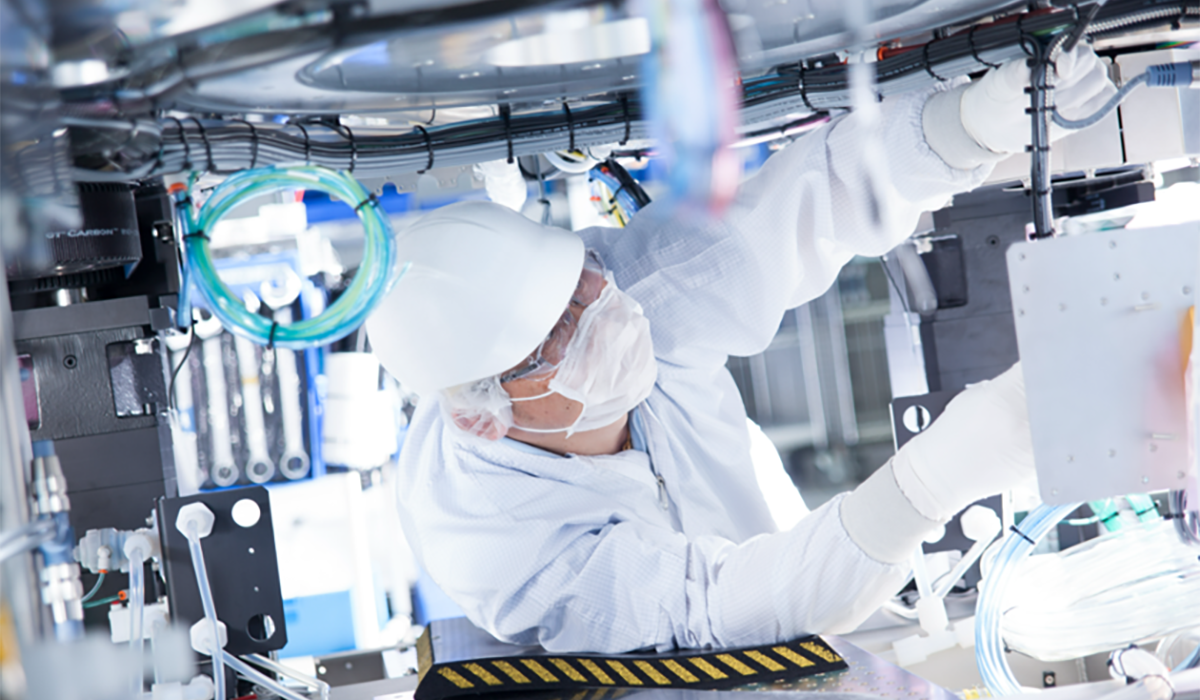
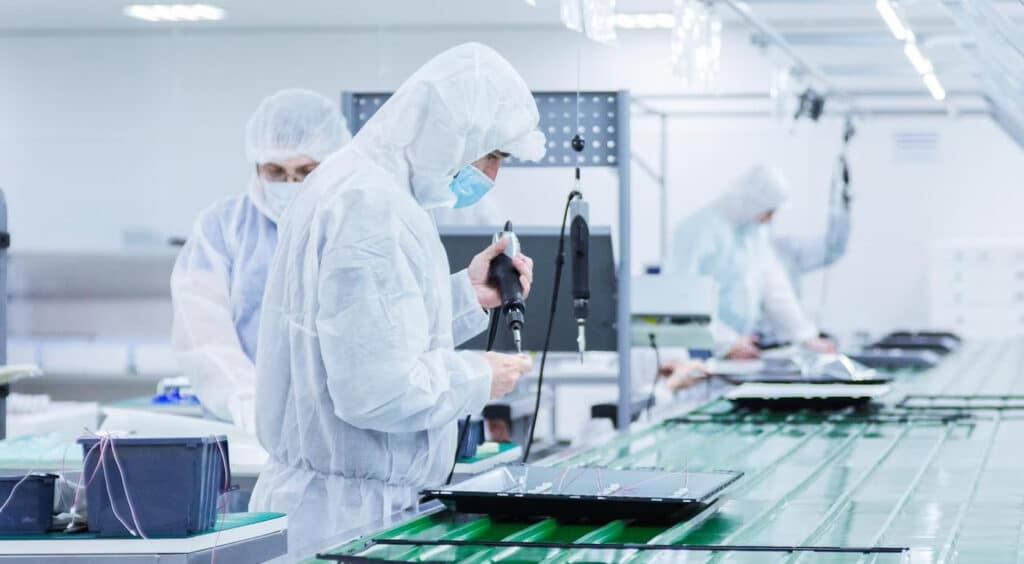
Forget what you saw in that Hollywood movie about hackers. Real process engineers spend a lot of time in front of computer screens, analyzing data that looks like wavy lines and scatter plots. Then they put on those weird “bunny suits” and go into the cleanroom to check on equipment.
It’s a bit like being a chef who checks on a soufflé every five minutes, except your soufflé is made of silicon and costs more than a luxury car. The stakes are high, but the camaraderie is real. Everyone in the fab has a shared goal: don’t break the wafer.
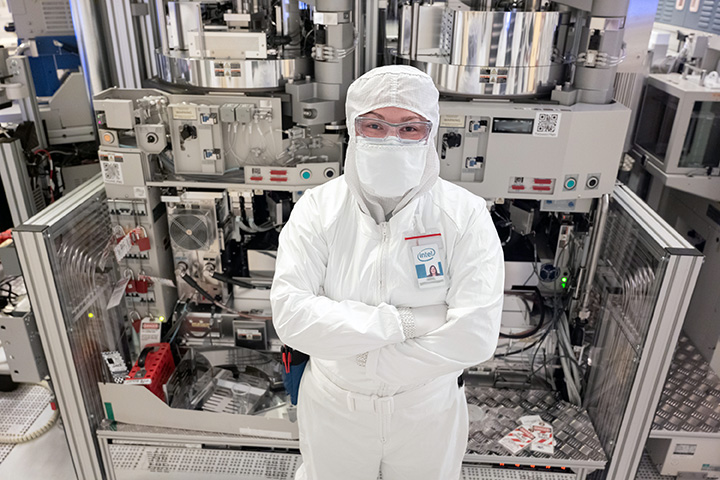
If you enjoy solving riddles, don’t mind wearing a jumpsuit that makes you look like a puffy astronaut, and love the idea of being directly responsible for the next generation of smartphones, this could be your gig.
So next time your screen lights up instantly, give a little nod to the process engineer who made sure the “cake” didn’t burn. They’re the reason your digital life feels so effortless.
And honestly? That’s a pretty cool thing to do for a living.


