Sde2 Amazon System Design Questions

Picture this: you’re six months into grinding LeetCode, your whiteboard marker is running dry, and the recruiter’s email lands with the cheerful subject line: “Next Step: System Design Interview.” Your brain, still buzzing from sorting arrays, whispers, “How hard can it be? It’s just… boxes and arrows, right?” Oh, you sweet summer child. You’ve just signed up for Amazon’s SDE2 system design round—a glorious, 60-minute circus where your job is to build a planet-sized website using only sticky notes, a shaky voice, and the survival instincts of a gazelle.
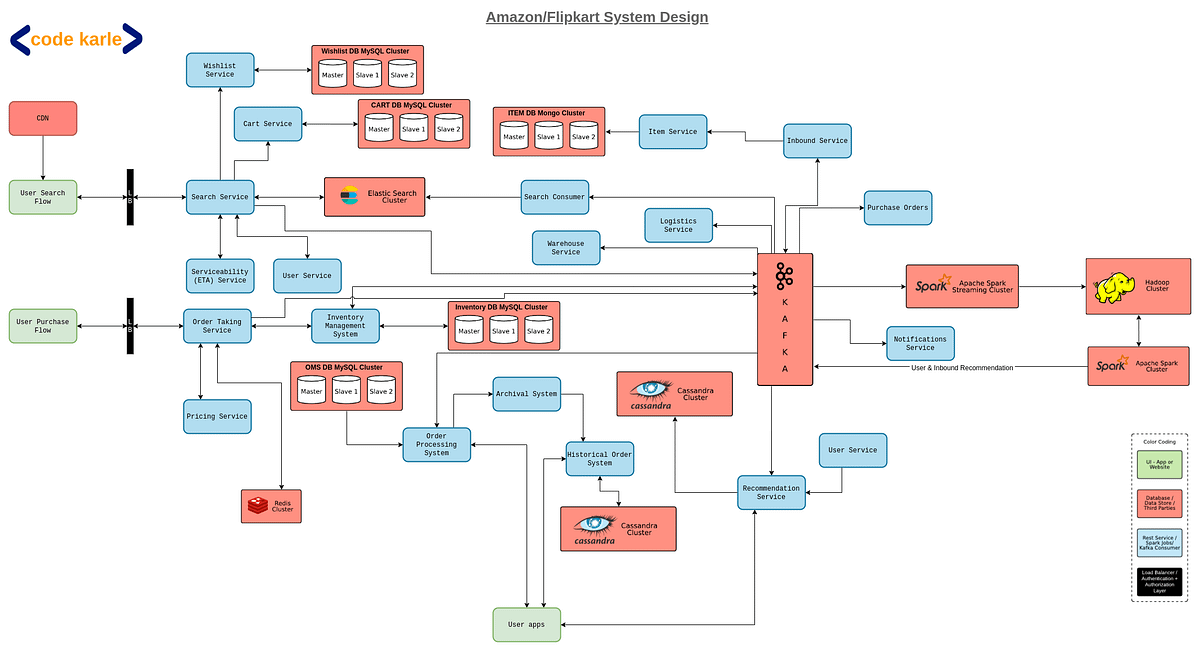
Here’s the twist that nobody tells you: Amazon doesn’t care if your design actually works. They care if you can think like a glorified warehouse manager for digital traffic. The classic question? “Design Amazon’s shopping cart.” Sounds innocent, right? Wrong. That cart must survive a Prime Day stampede—millions of humans clicking “Buy Now” simultaneously, like a herd of caffeinated hamsters on a wheel of impulse purchases. You’ll start talking about a simple database, and the interviewer will politely ask, “What happens when 10,000 requests hit per second?” That’s when your soul leaves your body and your mouth says, “We’ll… add a load balancer?”
Why SDE2 questions are secretly a haunted house
The secret sauce of Amazon’s system design interview isn’t databases or APIs. It’s “the bar raiser”—a person whose only job is to watch you squirm and mutter about fault tolerance. They love asking about “eventual consistency.” In normal life, that means your coffee arrives eventually. In Amazon-speak, it means your cart might show 2 items on your phone and 3 on your laptop, and that’s perfectly fine. You’ll nod along, pretending that a shopping cart with a split personality is a feature, not a cry for help. Fun fact: Amazon actually patented “anticipatory shipping”—shipping stuff to warehouses before you order it. So your interview question is literally about designing a system that reads your mind and punishes you for hesitating.
Must Read
The four horsemen of every answer
Every smart candidate quickly learns the holy trinity: sharding, caching, and queues. Sharding is just slicing your database into a thousand pizza boxes so each slice handles its own toppings. Caching means you store the popular answers (like “cat food”) in a magical memory drawer so you don’t ask the slow database every time. And queues? Queues are the DMV of your system—they make people wait politely while you process orders, but instead of angry humans, you get angry JSON files.
But here’s the kicker: the interviewer doesn’t want you to finish. They want to watch you discover a bottleneck and then panic-improve it. You’ll say, “Oh, the product service is overloaded—let me add a cache.” They’ll reply, “Great, but now the cache is a single point of failure.” You’ll feel like you’re playing whack-a-mole with digital gremlins. By minute 45, you’ll be suggesting a fleet of carrier pigeons as a backup for the metadata store, and the interviewer will just nod, typing “candidate shows creative problem-solving” into their laptop.
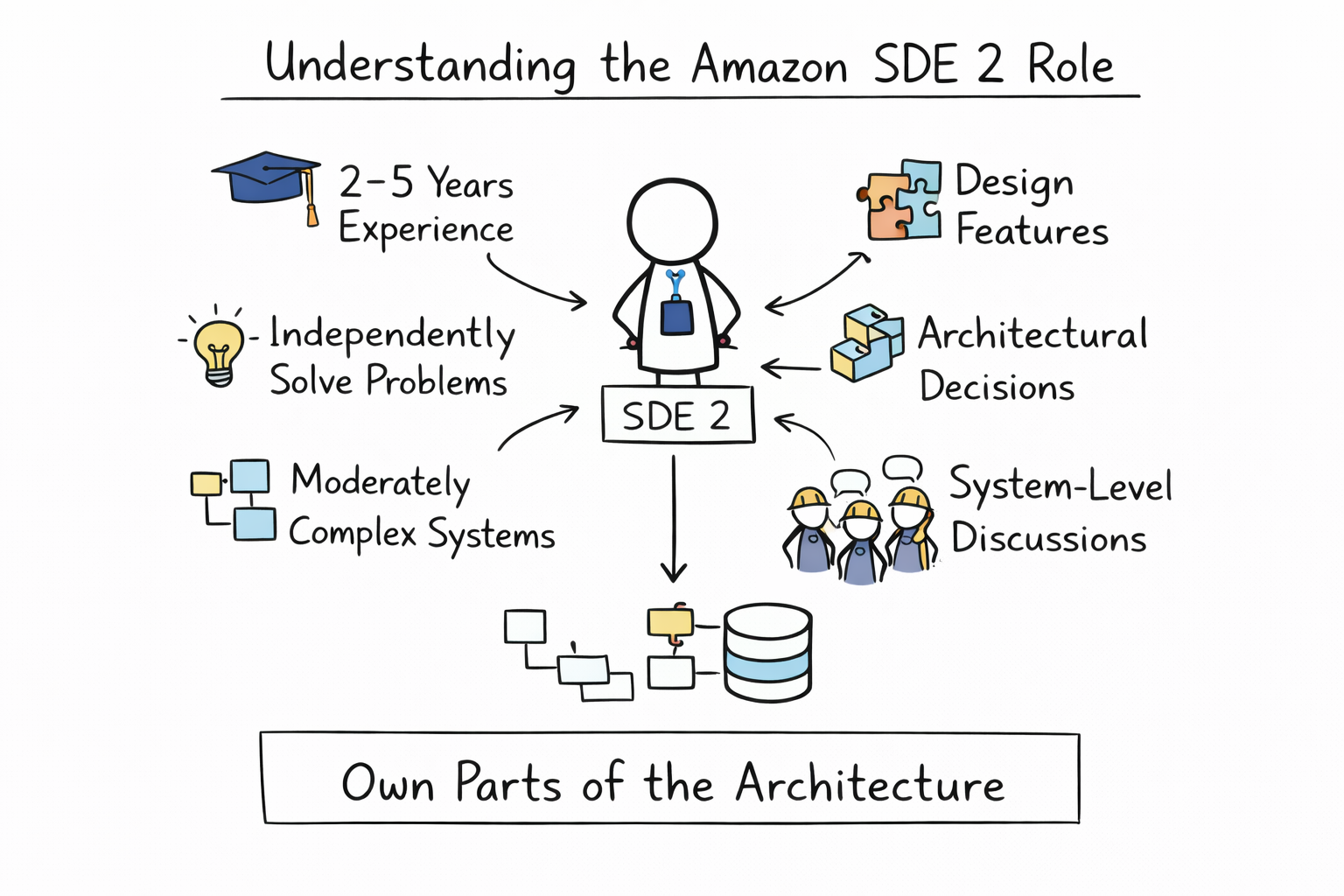
Now, the most surprising fact: you don’t need to know how to code for this round. Not a single line. You just need to talk about latency, throughput, and “eventual consistency” like you’re an architect who once built a bridge out of toothpicks and dreams. The real goal is to prove you can handle ambiguity—because at Amazon, your actual job will be to design a feature that gets deleted three weeks later, replaced by a chatbot that says “Sorry, I didn’t catch that.”
So, my friend, when you walk into that interview, remember: it’s not about the perfect design. It’s about looking the interviewer in the eye and saying, “For the cart’s write path, I’ll use an append-only log with a separate indexing service,” while your heart pounds like a bass drum. If you can fake that confidence, you’ll leave the room believing you just built a spaceship—until you get the rejection email that says, “We loved your approach, but we’re moving forward with a candidate who sharded their cache and their ego.” And that, my friend, is system design in a nutshell: a beautiful, terrifying, completely overengineered cart that you’ll never actually shop with.