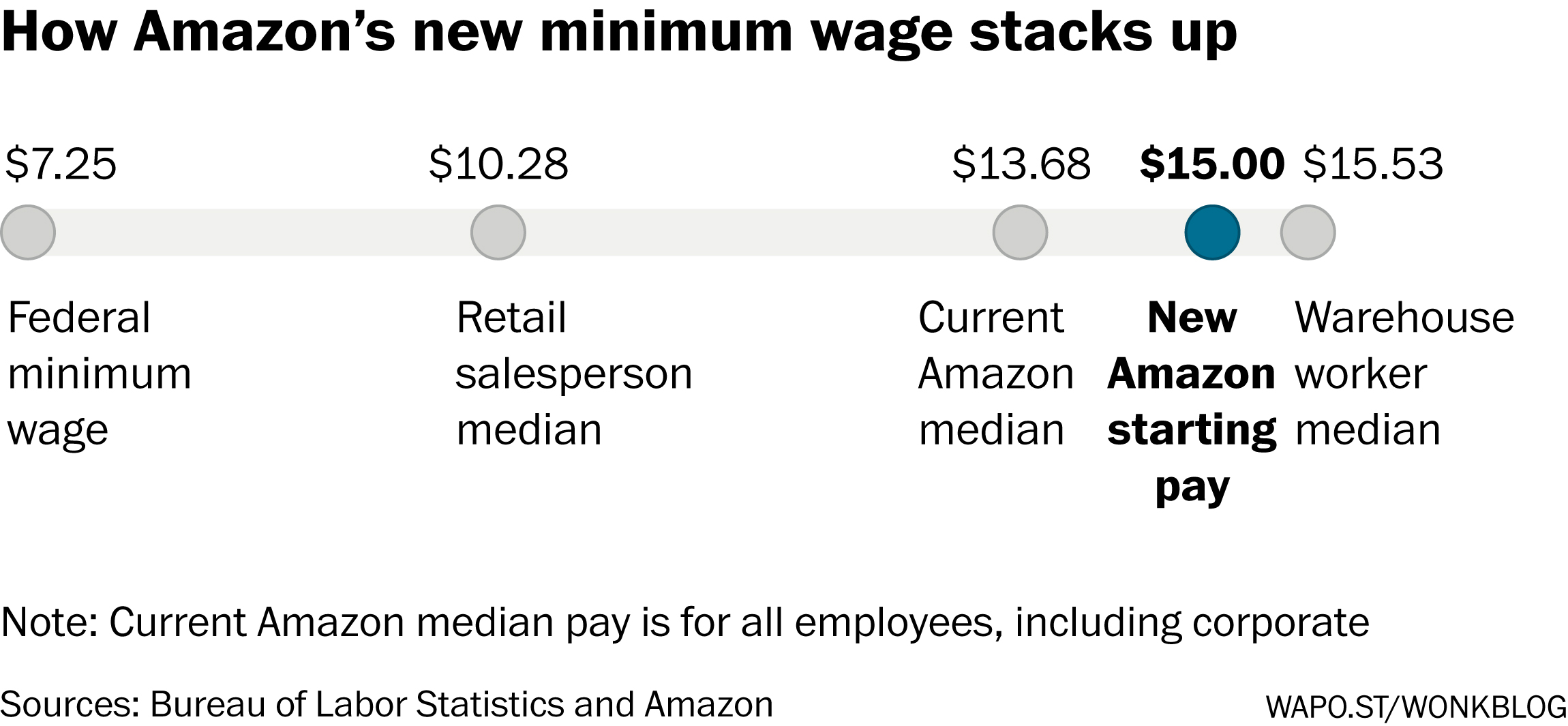
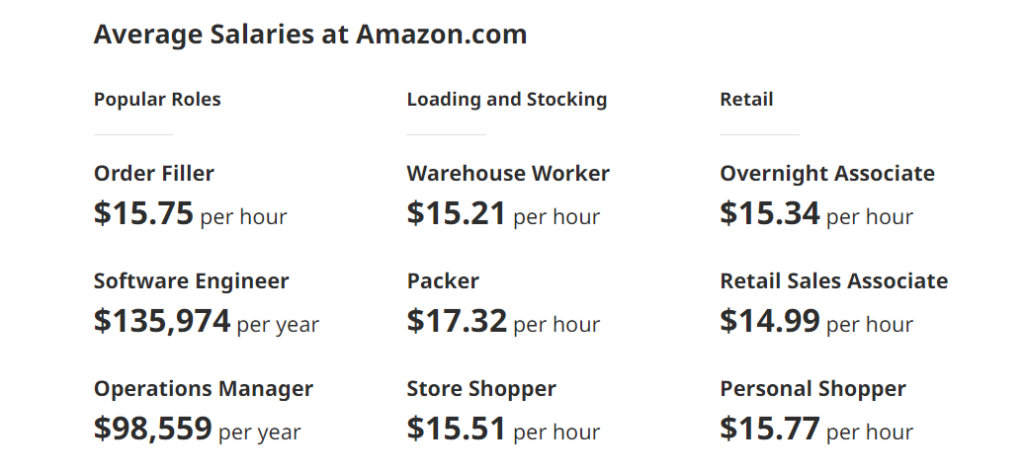
Salary For Amazon Warehouse Worker
Let’s be real for a second: if your “For You” page hasn’t been colonized by a guy in a reflective vest complaining about their “rate” while simultaneously showing off a $1,200 iPhone, are you even on the internet? The salary of an Amazon warehouse worker has become the internet’s favorite Rorschach test. To some, it’s a dystopian hellscape where human battery packs are drained for Bezos’s space fantasies. To others, it’s a surprisingly lucrative hustle that pays the bills while you scalp sneakers on the side. The discourse is everywhere—from TikTok vlogs with millions of views to Reddit threads dissecting every penny of a pay stub like it’s the Zapruder film. We’ve officially reached peak salary transparency, and it’s messier than your group chat after a “who makes more” argument.
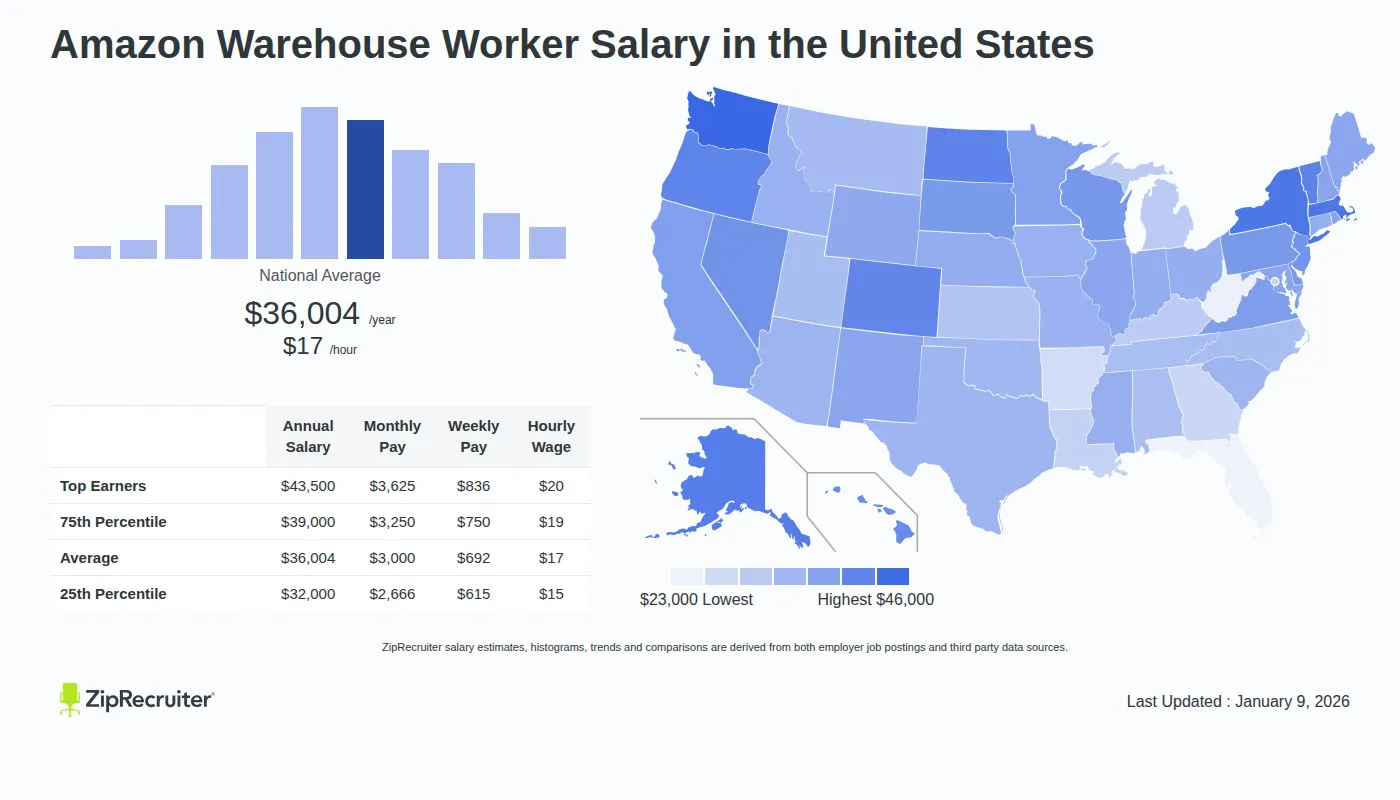
The obsession isn’t just about the number itself—which, let’s be honest, fluctuates more than crypto depending on shift differentials, OT, and whether you’re in California or Ohio. It’s about the vibe. We’re living in an era where “quiet quitting” and “loud laboring” are competing for cultural dominance. Amazon has inadvertently become the ultimate test subject for the question: How much is your dignity worth per hour? And the answer, apparently, is between $17 and $25, with a side of relentless walking and a break schedule that feels like a countdown timer on a bomb. The internet has latched onto this with the ferocity of a Prime shopper on Black Friday, turning a mundane compensation package into a battleground for class consciousness, hustle culture, and sheer morbid curiosity.
But here’s the kicker: everyone’s got an opinion, but very few people actually know the math. It’s not just a number; it’s a complex algorithm involving peak season bonuses, “Anytime Pay,” and a points-based attendance system that punishes you faster than a Twitter mob for being late. So, before you start roasting or defending this gig, let’s peel back the cardboard packaging and see what’s actually inside the box—because as we all know, there’s a second, smaller box inside that one, and a confusing charging cable at the bottom.
Must Read
The Cult of the Rate: Brutality, Bingo, and the Almighty UPH
Welcome to the subculture that lives and dies by a metric called “Units Per Hour” (UPH). To the uninitiated, it sounds like a niche crypto coin. To the Amazonian, it’s the sword of Damocles hanging over their head. This isn’t just a job; it’s a gamified survival simulator where your performance data is streamed live to a manager who may or may not be hiding in a tower like a wizard. The internet has turned this into a spectator sport. TikTokers film themselves “stowing” at lightning speed, narrating their “totes” and “pods” with the intensity of a Formula 1 commentator, while simultaneously scrolling through their “Anytime Pay” balance to show you the instant dopamine hit of money appearing after a shift. It’s a bizarre hybrid of doom-scrolling and micro-productivity that has spawned a new genre of content: “Day in the Life of a T3 Tier”.
Then there’s the social media dynamics. On one side, you have the “Amazonfluencers” who proudly flaunt their 60-hour weeks during Peak, flexing the OT pay as if they just closed a Silicon Valley venture round. On the other, you have the “Union Busters Beware” crowd, using grainy footage of warehouse floors to argue that this is modern-day slavery. The reality, as usual, lives in the messy middle—a place where you can genuinely enjoy the autonomous, no-boss-looking-over-your-shoulder aspect of the job, while also suffering from plantar fasciitis and a deep, existential dread of your own productivity. The culture is a dichotomy: it’s simultaneously a gym membership that pays you, and a toxic relationship with a blue vest that demands constant improvement. The shift differential for night owls feels like a hack, but the 3 AM existential crisis in the break room while microwaving a questionable Lean Cuisine is a universal bonding experience.

The linguistic evolution here is fascinating, too. We’ve co-opted corporate jargon—"labor tracking," "power zones," "Tote Rewash"—into a shared lexicon that feels like a secret handshake. If you mention “stowing” at a dinner party, you’ll either get a blank stare or a knowing nod from someone who’s been through the trenches. It’s the modern-day equivalent of having a blue-collar trade, but instead of a hammer, you’re wielding a barcode scanner. This weird, tech-bro-meets-logistics-nerd culture has created a bubble where the salary isn’t just money; it’s social currency online, used to prove a point about the gig economy, regardless of which side you’re on.
How to Navigate the Warehouse Goldmine (Without Losing Your Soul or Your Feet)
So, you’ve seen the viral “Payout” videos and decided you want in. Calm down, Speedy Gonzalez. The internet makes it look like easy money, but it’s a jungle out there. First and foremost, do not accept the first offer. Amazon’s compensation is a choose-your-own-adventure novel. Are you in a high-cost-of-living area? Demand the cap. Are they pushing a Night Shift differential? That’s usually an extra $2-$3, but you’ll be sacrificing your social life at the altar of the Moon. Check if your location offers a “Prime” shift (Thursday-Sunday) which often comes with a higher base rate and more days off. The hack is to play hard to get; HR is desperate, and they’ll throw money at you if you act like you’re also interviewing at Target. Don’t be afraid to ask for a sign-on bonus—they love throwing that around like confetti.

Next, let’s talk about the math, because this is where most people fail. Your hourly rate means nothing if you’re only getting 25 hours a week. The real strategy is to aggressively pursue overtime during Peak season (November-December) and Prime Week. This is where the money gets stupid. Many workers report doubling their take-home pay during these months. But here’s the pragmatic tip: treat your body like an F1 car. You cannot do 60-hour weeks in a warehouse without proper maintenance. Invest in orthopedic insoles (the internet raves about the $25 ones from Amazon—ironic, right?), compression socks, and a foam roller. Stretching before a shift isn't a suggestion; it's a requirement. You’ll see “veterans” walking like they just rode a horse for 12 hours, and they are your cautionary tale. Hydrate with electrolytes, not just water, because you’re sweating out more sodium than a salt lick.
Thirdly, exploit the “Anytime Pay” feature, but do it wisely. This is the trap of the modern gig economy. The ability to withdraw your pay instantly after a shift is amazing for budgeting, but it’s a psychological landmine. If you withdraw every single hour immediately, you’ll end up busting your budget on DoorDash because you feel rich. The smart play is to leave your money in there for a week, let it accrue, and then “pay yourself” a set allowance. It sounds boring, but it’s how you actually accumulate savings. Also, check if your site has “VET” (Voluntary Extra Time) notifications. Those extra shift offers often come with a juicy surge pay attached. Snag those opportunistically, but never commit to a VET shift on a Friday night if you have a social event—the mental cost isn’t worth the $50 extra.
Finally, and this is the secret sauce—document everything. Your pay is fluid. Bonuses, Holiday pay, and shift differentials can vanish if you transfer to a different department or change your schedule. Scrutinize your pay stub like a detective. There have been viral stories of workers finding hundreds of dollars in missing overtime. If something seems off, go to HR immediately, but do it via email or the app’s chat feature. The online HR portal is your paper trail. And if you’re aiming for the promotion to Ambassador or Process Guide, remember that the salary bump is nice, but the stress increase is real. It’s a lot easier to ignore the “rate” when you’re just a peon. Once you’re in management, you’re responsible for the rates of others. Is the extra $3/hour worth that nightmare? Spoiler: Usually, no. Stay in your lane, stash your cash, and let the algorithms judge others.

The FAQ: Separating Viral Myth from Warehouse Fact
Is “Anytime Pay” a scam or a lifesaver?
This is the most debated topic on r/AmazonFC. The feature lets you cash out up to 70% of your earned wages immediately after a shift, for free. It’s not a payday loan scam; it’s a legitimate benefit offered through a third-party app. However, the danger is psychological. The ease of swiping your earnings into your bank account creates a frictionless spending loop. You feel more liquid, so you spend more. On the flip side, for those living paycheck to paycheck, it’s a literal lifesaver to avoid overdraft fees or expensive payday loans. The best practice is to transfer the funds to a separate savings account instantly, treating it as locked cash until your actual payday. If you can’t trust yourself, turn off the feature in the app. It’s a tool, not a toy, and treating it as a casino ATM is a recipe for financial ruin.
Can you actually get fired for a low “Rate” (UPH)?
No, but it’s not the full story either. The internet loves to claim “soft firing” via productivity quotas. Amazon technically has a “Productivity” code, but you aren’t terminated after one bad day. The system uses a progressive discipline model. You might get a “coaching” whisper in your earpiece first, then a documented write-up. However, they will absolutely fire you for “Time Off Task” (TOT) if you are idle for extended periods without logging it. The exact UPH threshold varies by warehouse and department. The real culture shift is that managers are scrutinizing your scan data algorithms, not staring at your screen. So, the hack is to keep your scanner moving constantly, even if you’re walking to the bathroom. If you need a break, log out properly and go to the break room. A toilet break is fine, but a 10-minute doom-scroll in a corner will flag your TOT and get you terminated faster than a strike on a picket line. It’s not the rate that kills you; it’s the idleness.
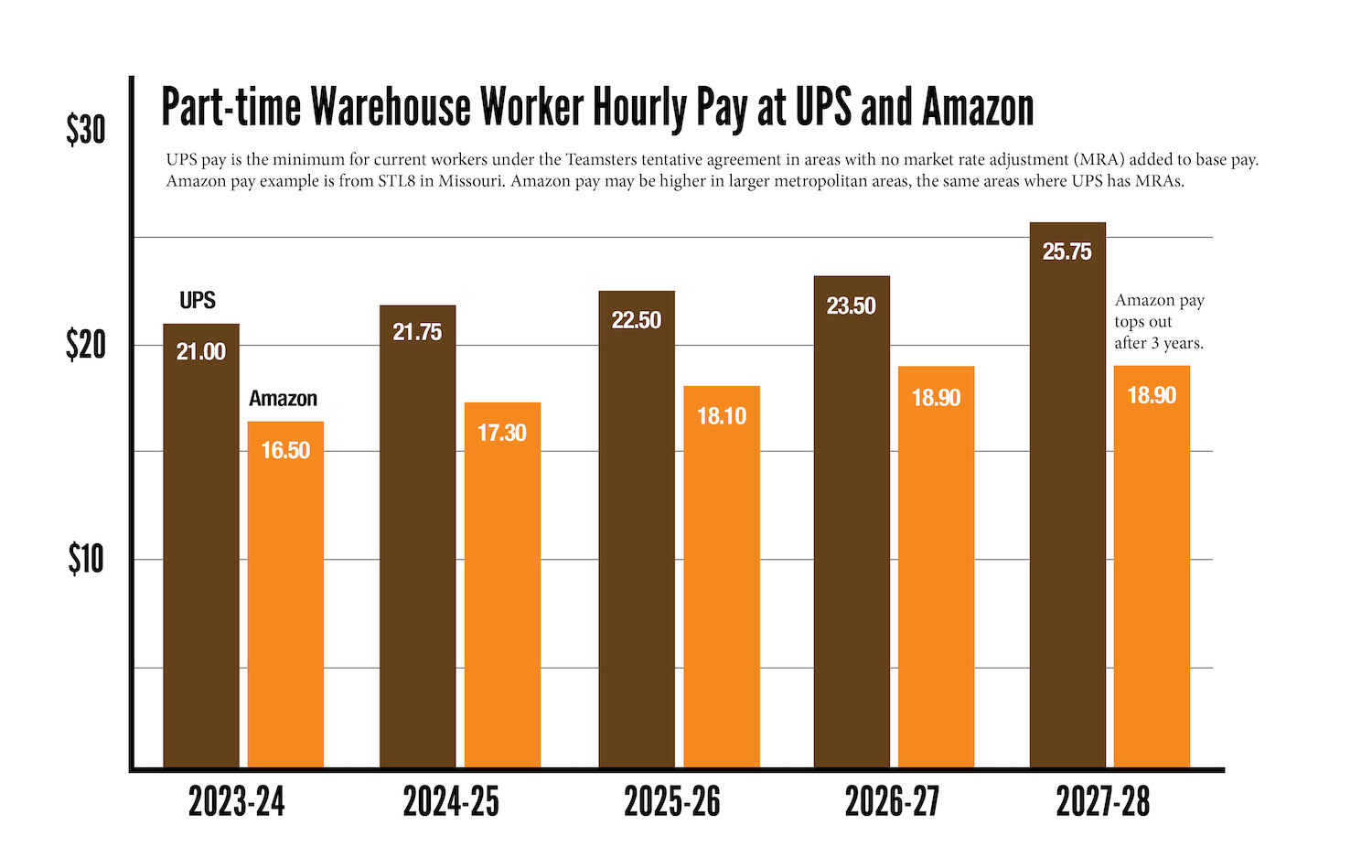
Is the pay worth the physical toll on your body?
Statistically, no, according to most ergonomic studies. But financially, for some, yes. This is the eternal conflict. You can burn 5,000 to 10,000 steps per shift on concrete floors, lifting weight. The damage to your knees and lower back can result in chronic pain. However, the pay allows for flexible scheduling and quick cash. Many workers balance this by viewing the job as temporary—a launchpad to pay off debts or finance a certification. The culture of “hustle” romanticizes the pain, with influencers showing their blisters as badges of honor. The pragmatic answer is to cap your weeks at 40 hours. The OT money is tempting, but the “wear and tear” cost is astronomical. Your body is your engine; if you rev it constantly at redline, you’ll blow the gasket. If you can handle the boredom and the physical grind, the salary is a solid baseline for a no-degree job, but you have to be disciplined about protecting your physical health above your wallet.
The verdict on whether this remains a viral trend? It’s not going anywhere. Amazon is the second-largest private employer in the US, meaning the topic is a permanent fixture in the economic discussion. The internet’s fascination will shift from viral TikToks to political debates about unionization and automation. It’s become a cultural shorthand for the worker-vs-corporation dynamic, a modern-day “factory floor” drama. The salary itself might plateau, but the discourse will intensify as AI threatens to replace these roles entirely.
So, are we romanticizing a dead-end job or glorifying a viable option? It’s both. The key is authenticity. The internet is finally realizing that a blue-collar job in the digital age isn’t a failure—it’s a choice. Whether you’re using it to stack cash for a down payment or just surviving, the Amazon warehouse worker salary has become a barometer for the American hustle. It proves that you can make money without a suit, but it demands a sweat tax. It’s a strange, modern pilgrimage—one where the treasure is a direct deposit, and the dragon is your own burnout. Stay sharp, stay stretchy, and for the love of Bezos, buy the good insoles.