Royal Canin Urinary Dry Cat Food
Let’s be honest: few things in life are more stressful than a cat that keeps sprinting to the litter box, looking miserable, or—worst of all—blocking entirely. If you’ve ever dealt with a urinary issue in your feline friend, you know the panic, the vet bills, and the desperate hope for a simple fix. That’s why so many devoted cat owners turn to Royal Canin Urinary Dry Cat Food—not just as a meal, but as a peace-of-mind prescription for a happier, healthier household.
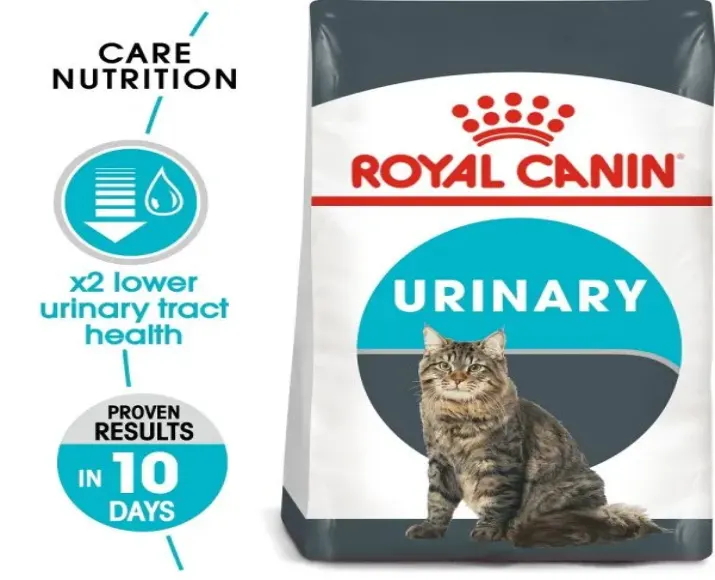
The magic of this kibble lies in its precision-formulated science, not just fancy marketing. Its primary purpose is to dilute urine and manage mineral balance, which prevents painful crystals and stones from forming in the first place. For everyday life, this means fewer midnight emergencies, less litter box drama, and a cat that’s comfortable, playful, and far less likely to pee on your favorite rug out of frustration. It’s essentially a daily shield against the most common reason cats end up in emergency clinics.
You’ll most commonly see this food recommended by veterinarians for cats with a history of urinary tract infections, bladder stones, or the dreaded “idiopathic cystitis.” But it’s also a brilliant preventive strategy for high-risk breeds like Persians, Himalayans, or any male cat, who naturally have narrower urethras. Beyond the sick bay, it’s applied in multi-cat households where one feline has issues, and the others—with their vet’s blessing—can safely snack on it too, keeping everyone’s plumbing in top shape.
Must Read
To really get the most out of Royal Canin Urinary, you need to be a smart feeder, not just a passive scoop-dumper. First, always transition slowly over seven days, mixing the new kibble with the old to avoid stomach upsets that can lead to food refusal. Second, pair the dry food with ample fresh water—consider a running fountain, as cats prefer moving water, and hydration is the single best partner for this diet’s action.
Timing and portion control are your secret weapons here. Follow the feeding guide on the bag based on your cat’s exact weight, but use a kitchen scale for accuracy, not a vague measuring cup. And instead of one big bowl, split the daily portion into two or three small meals, which mimics natural hunting and keeps urine pH stable throughout the day.
Don’t forget the complimentary check-up—this diet works best under veterinary supervision, so schedule a urine test after two months to confirm it’s doing its job. Also, avoid mixing in human food or cheap treats, as even a small piece of tuna or salty cheese can undo the careful mineral balance. For stubborn cats, warm the kibble slightly in the microwave for ten seconds to release a richer aroma, which often entices picky eaters to dig in.
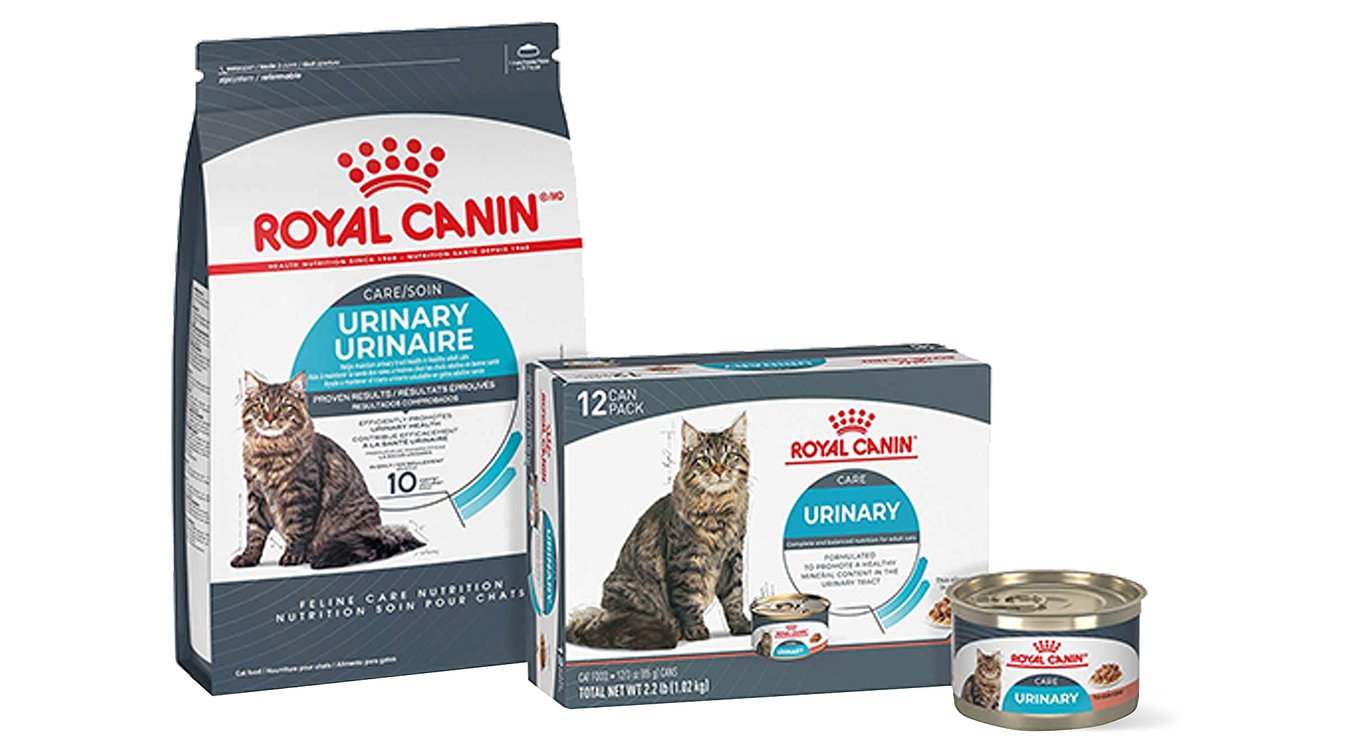
Finally, remember that this food is a management tool, not a magic potion. Watch your cat’s litter box habits like a hawk, noting any straining, blood, or reduced urine volume. If you see warning signs, call your vet immediately—because with urinary issues, early action is everything. When used correctly, Royal Canin Urinary can turn a chaotic, anxiety-filled routine into calm, predictable days where your cat thrives, and you actually sleep through the night.
So embrace the kibble, keep the water flowing, and let this little brown nugget do its quiet, vital work. Your cat’s bladder—and your carpet—will thank you for decades of happy snuggles. After all, a healthy cat is a happy cat, and a happy cat makes for a very content human indeed.