Research Questions For Qualitative Research
I still remember my first research project like it was yesterday. I was tasked with exploring the experiences of students in a new university program, and I had to come up with research questions that would guide my entire study. Little did I know, crafting those questions would be the most challenging part of the whole project - and also the most rewarding!
As I delved into the world of qualitative research, I realized that the questions I asked would shape the entire narrative of my study. It's like trying to find a specific book in a vast library - if you don't know the title or author, you'll never find it, right? So, I had to get my research questions just right, or I'd end up with a bunch of irrelevant data.
What makes a good research question?
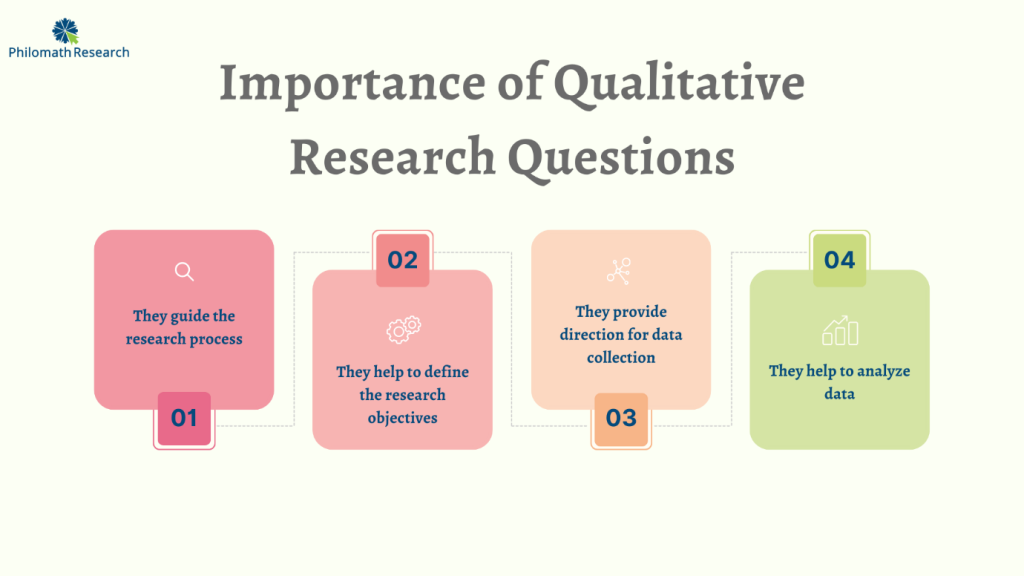
A good research question is like a key that unlocks the door to a treasure trove of insights - it's specific, focused, and relevant to the topic at hand. When crafting your questions, you want to make sure they're open-ended, allowing participants to share their thoughts and experiences in a nuanced and detailed way. This is where the magic happens, folks - when you ask the right questions, you get the right answers!
For instance, instead of asking a yes/no question like "Do you like the new university program?", you could ask "What are your thoughts on the new university program?" or "How has the new program impacted your learning experience?". See the difference? The latter questions encourage participants to share their thoughts and feelings, giving you rich, qualitative data to work with.
The importance of being specific
When it comes to research questions, being specific is key - you want to drill down to the heart of the matter, rather than skimming the surface. For example, if you're exploring the experiences of students in a new program, you might ask "What are the most significant challenges you've faced in the program so far?" or "How have the program's resources supported your learning?". By being specific, you'll get more targeted, relevant responses that will help you answer your research question.
Now, I know what you're thinking - "But what if I'm not sure what specific questions to ask?" Fear not, friend! That's where pilot studies and literature reviews come in - they can help you refine your questions and get a better sense of what you're looking for. And don't worry if your questions evolve over time - that's all part of the research process, right?
Types of research questions
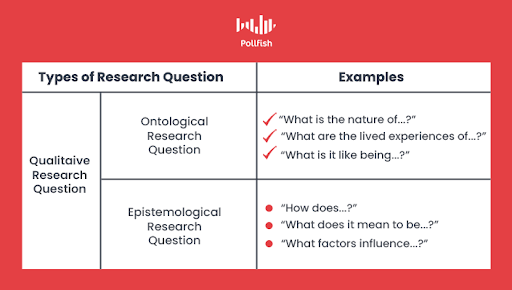
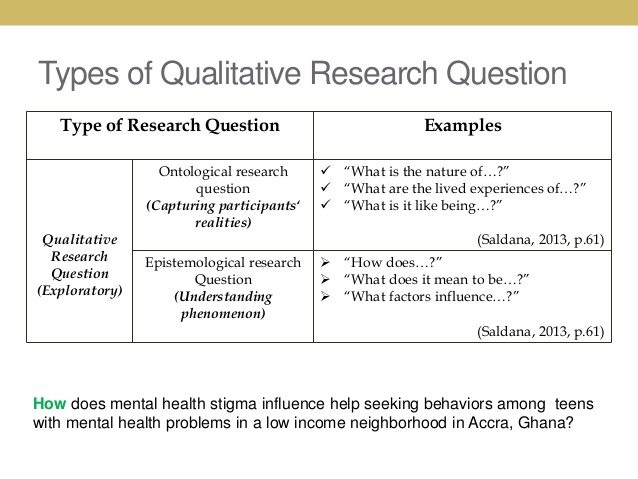
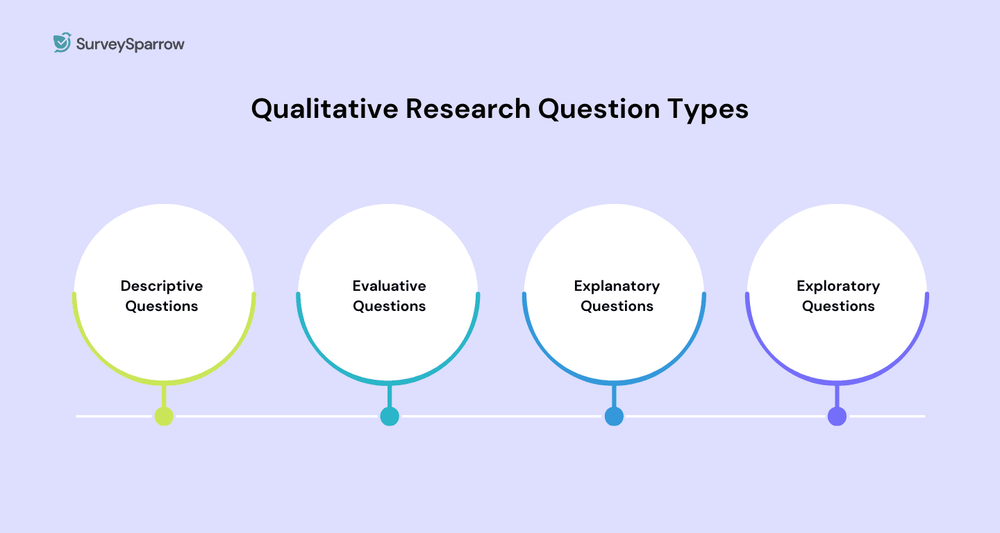
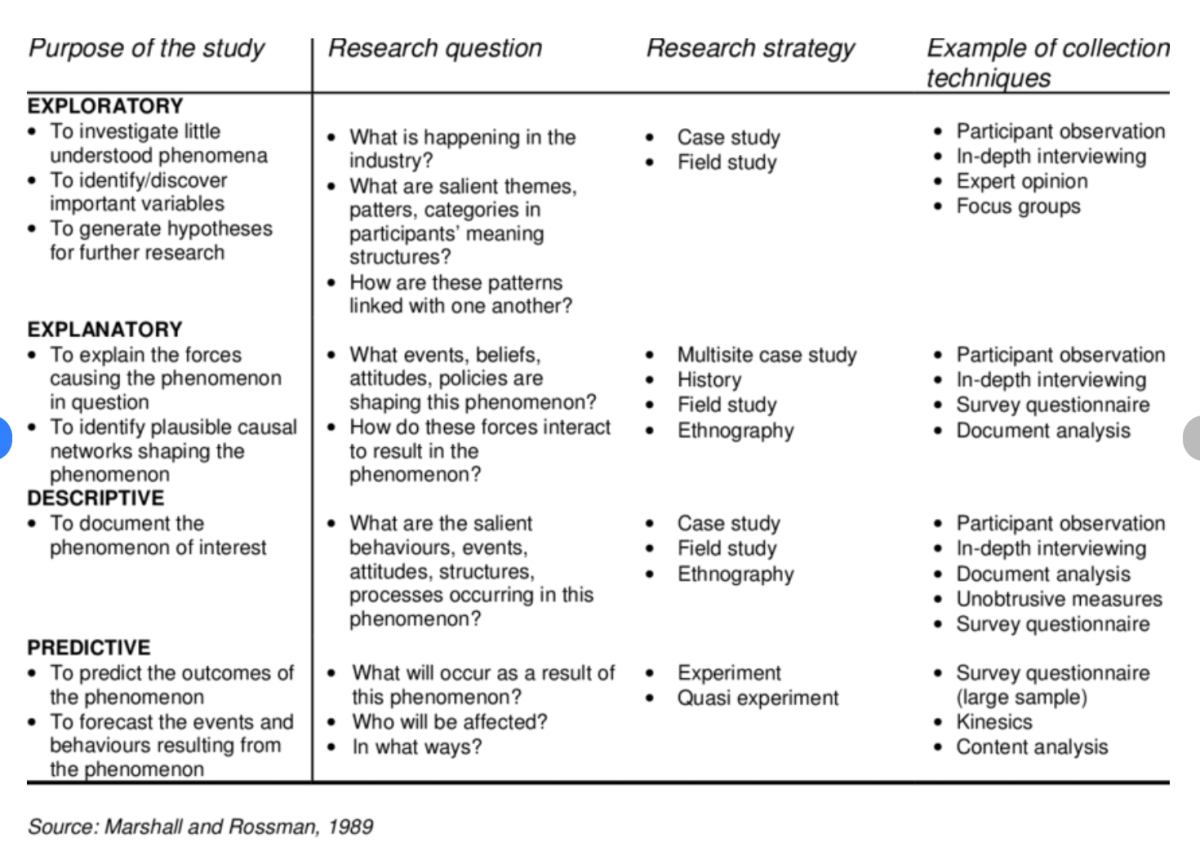
There are several types of research questions you can ask in qualitative research, each with its own strengths and weaknesses. You've got your descriptive questions, which help you understand the "what" and "how" of a phenomenon. Then there are explanatory questions, which delve into the "why" behind something. And finally, you've got exploratory questions, which are perfect for when you're venturing into uncharted territory - they help you identify patterns, themes, and areas for further research.

For example, if you're studying the impact of social media on mental health, a descriptive question might be "What are the most common social media platforms used by young adults?" An explanatory question might be "How does social media use affect symptoms of anxiety and depression in young adults?". And an exploratory question might be "What are the emerging trends and themes in social media use among young adults, and how do they relate to mental health?". See how each type of question helps you tap into different aspects of the research topic?
Common pitfalls to avoid
When crafting your research questions, there are some common pitfalls to watch out for - like asking questions that are too broad or too narrow. You want to find that sweet spot where your questions are focused enough to yield meaningful insights, but not so focused that you miss the bigger picture. And please, for the love of all things good, avoid asking leading questions - you want to encourage honest, unbiased responses from your participants!
It's also important to consider the cultural and social context of your research - what might be relevant or significant in one culture or community might not be in another. So, be mindful of these factors when crafting your questions, and make sure you're being sensitive to the needs and experiences of your participants. I mean, you want to be respectful and empathetic, right - not like a clueless researcher who's totally out of touch!
Lastly, don't be afraid to revise and refine your research questions as you go along - it's all part of the iterative research process, and it's better to catch any mistakes or flaws early on. And remember, your questions are the foundation of your entire study - so take the time to get them right, and you'll be rewarded with rich, meaningful data that will help you answer your research question and make a real impact.