Requirements For Being A Psychologist
So, you think you want to be a mind detective? Being a psychologist isn’t just about nodding sympathetically and asking, “And how does that make you feel?” It’s a wild, deeply rewarding, and sometimes exhausting gig. But before you start diagnosing your friends at dinner parties, there’s a very specific—and surprisingly entertaining—path you have to walk.
The Never-Ending School Saga
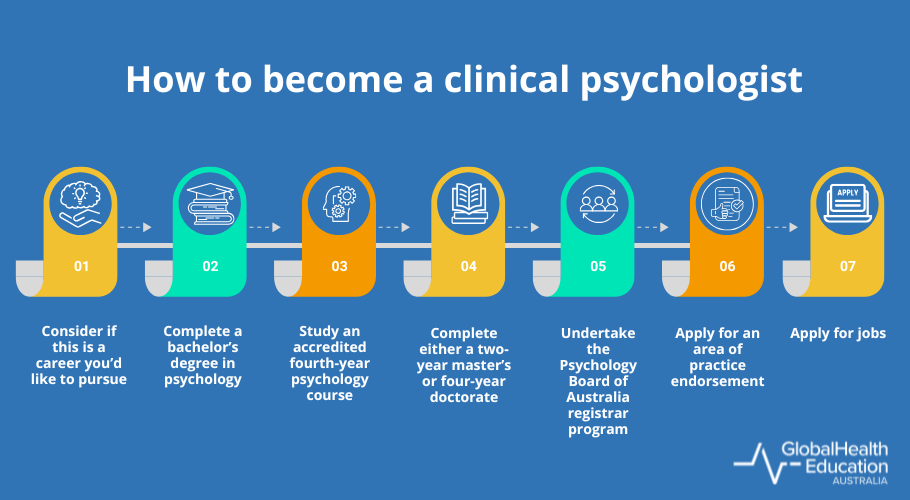
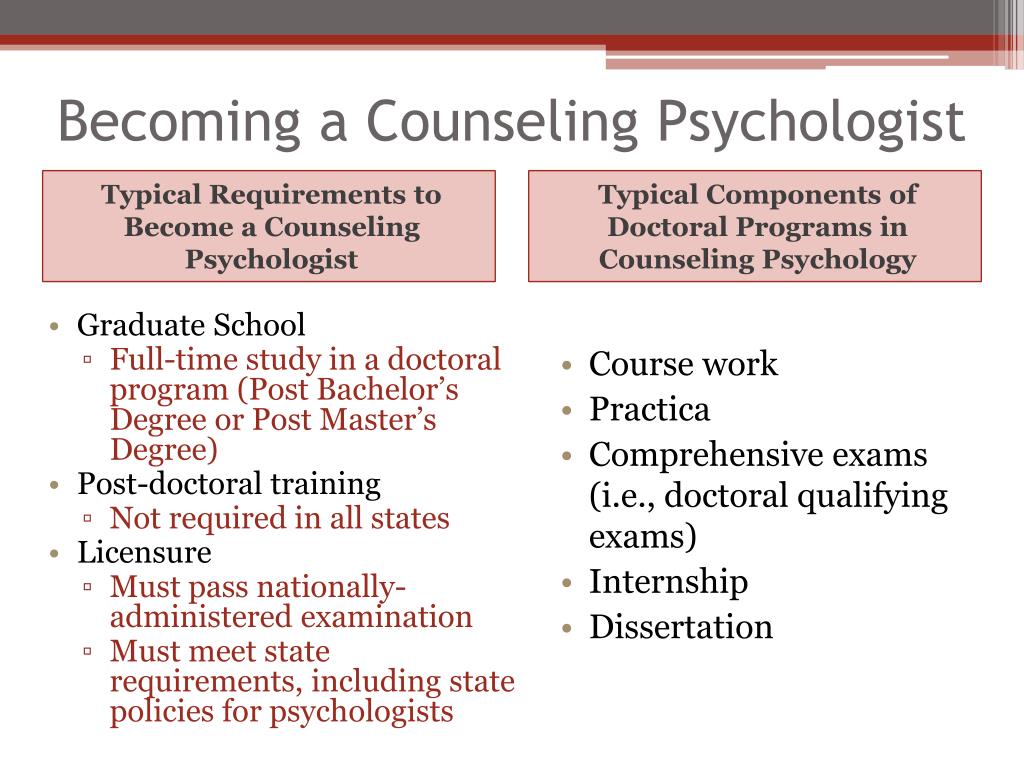
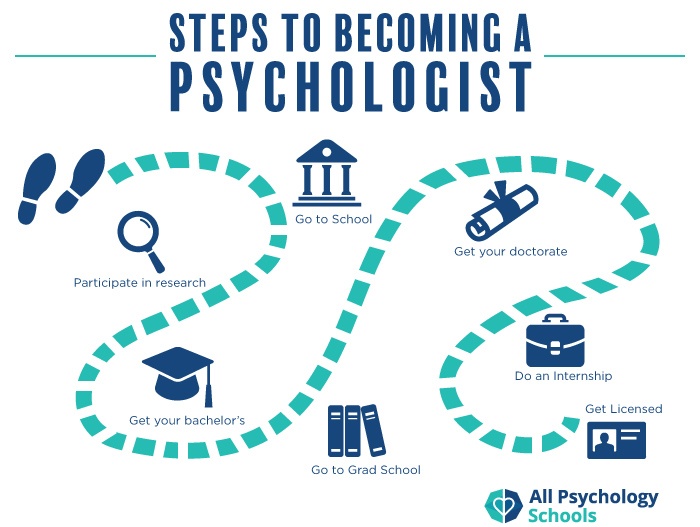
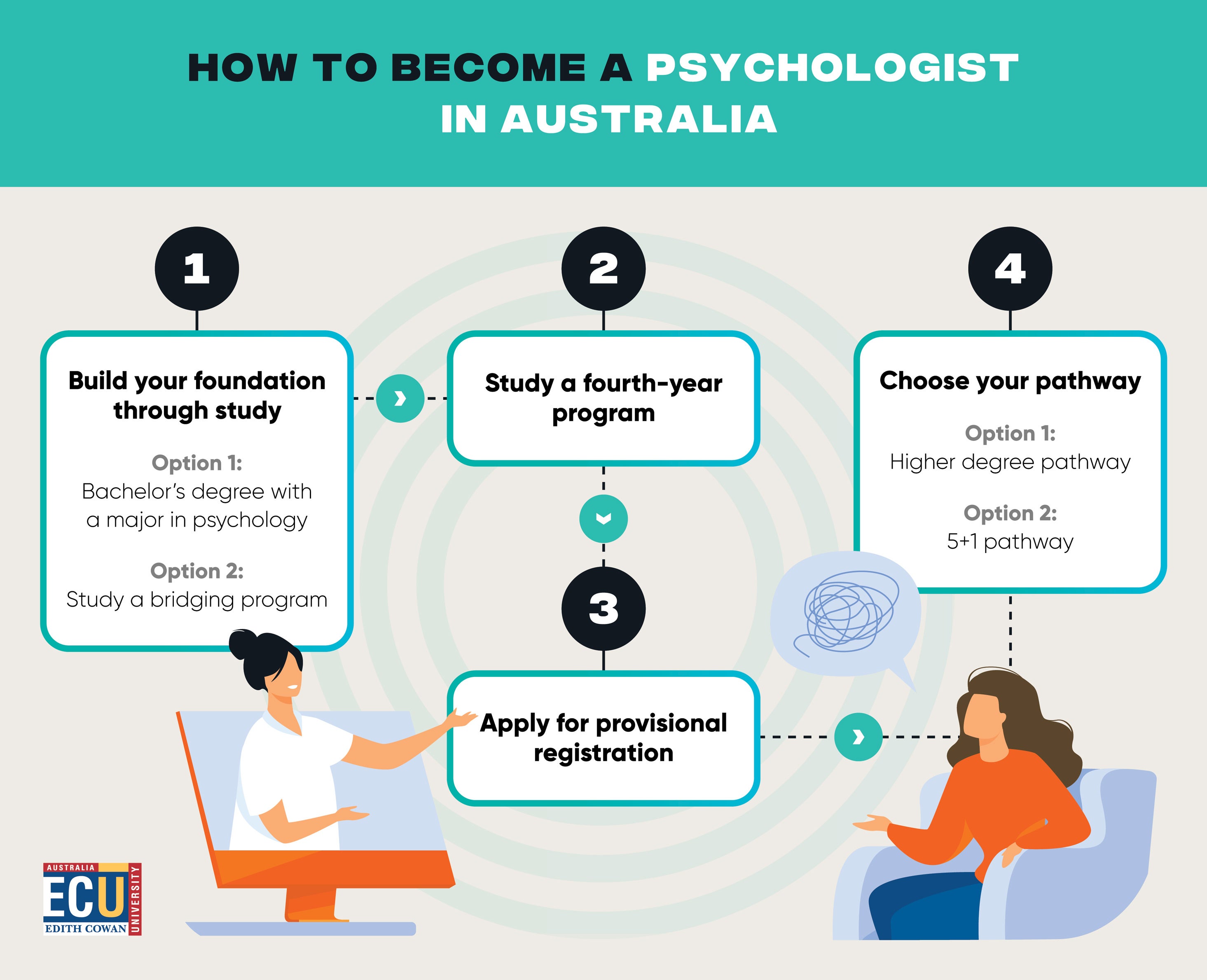
First, forget the idea that you’ll be done with homework after your bachelor’s degree. The minimum requirement is a master’s degree, but to be a true, licensed psychologist, you almost always need a Doctorate (Ph.D. or Psy.D.). That’s roughly six to eight years of higher education, which is basically the time it takes to grow a full human from scratch.
You’ll spend those years drowning in research papers, statistics, and brain anatomy. It’s less “reading minds” and more “learning why your brain forgets where you parked the car.” Believe it or not, the stats classes are where the magic happens—you’ll learn to spot lies in data, which is a superb party trick.
Must Read
“The most interesting part? You have to spend a full year of supervised clinical practice, which is basically an apprenticeship for your soul.”
Supervised Practice & The “Intern” Life
Before you get the fancy license, you’ll work as an intern or a supervised clinician. This is where you learn that real therapy is nothing like the movies. You’ll have a supervisor who watches your sessions (with consent, of course), and they’ll point out every little eyebrow twitch you missed.
It’s humbling, hilarious, and terrifying all at once. You’ll have to log thousands of direct patient hours, which is just a bureaucratic way of saying “countless cups of tea and a lot of heartfelt silence.”
The Licensing Exam Gauntlet
Here’s the thing that separates the casual fans from the pros: the EPPP (Examination for Professional Practice in Psychology). This is a monstrous, multi-hour test that covers everything from ethics to psychopharmacology. Passing it feels like winning a very niche, very nerdy Olympic gold.
And it’s not just one exam! Each state or province has its own ethics law test, too. You’ll become intimately familiar with the phrase “duty to warn,” which is a legal obligation that makes your job feel like a spy thriller. If a patient threatens someone, you must act—you get to play hero, but with paperwork.
Personality Requirements: The Soft Skills
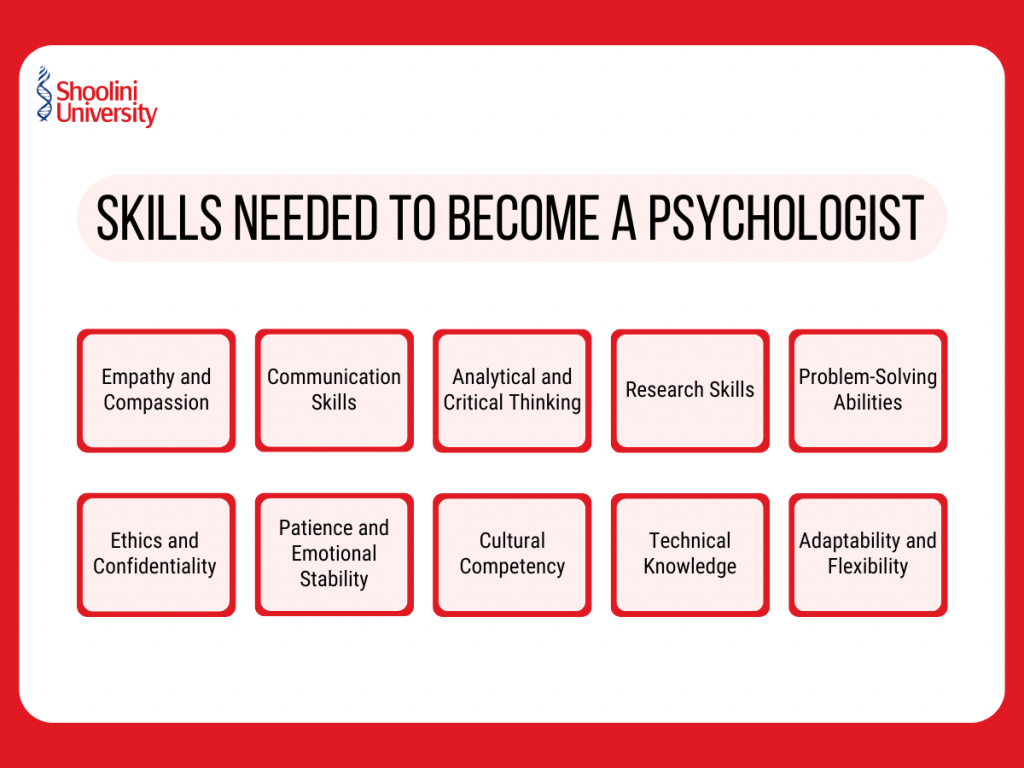
Now, let’s talk about the fun stuff—your personality. You need an almost superhuman amount of patience. Not the “waiting for a slow elevator” kind, but the “listening to someone recount the same dream about a flying walrus for the tenth time” kind.
:max_bytes(150000):strip_icc()/how-long-does-it-take-to-become-a-psychologist-2794935-5b841e6946e0fb00504573ef.png)
Empathy is a must, but so is a thick skin. You’ll hear heartbreaking stories, and you can’t bring them home with you. That’s why every good psychologist has their own therapist (yes, really—it’s encouraged, not just allowed).
The Continuous Education Trap (A Fun One)
Once you’re licensed, you cannot just coast. You have to take continuing education courses every few years to keep your license active. But here’s the kicker: these courses are actually brilliant. You’ll learn about dream interpretation, trauma-informed yoga, or the psychology of online gaming.

It’s like being a professional student forever, which is perfect if you’re the type who loves learning random, fascinating trivia. Some therapists even specialize in niche areas like animal-assisted therapy, so you can literally get paid to play with puppies. That’s not a joke.
Why It’s Worth Every Grey Hair
So, why do it? Because you get to be a trusted witness to human resilience. You’ll see people go from “I can’t get out of bed” to “I ran a 5k and adopted a cat.” That transformation is addictive in the best way.
You’re not just a listener; you’re a detective, a coach, and a cheerleader all rolled into one, with a fancy diploma on the wall.
It’s a long, grueling, and occasionally boring road (hello, ethics codes), but the payoff is a career that’s endlessly fascinating. And let’s be honest—getting to say, “I’m a psychologist” at a cocktail party pretty much makes you the most interesting person in the room. Just don’t analyze the appetizers.