Refinancing Student Loans Good Or Bad

Okay, let’s be real for a second. Staring at your student loan balance is like looking at a treadmill that’s slightly too fast—you’re moving, but you’re not sure you’re getting anywhere. And then someone whispers “refinancing” in your ear, and suddenly you’re in a financial rom-com where the lead actor looks suspiciously like a lower interest rate. But is it the hero of your story, or the villain who steals your federal protections while you’re not looking? Let’s grab a coffee (or a stress ball) and break this down together.
The Sweet, Sweet Siren Song of Lower Payments
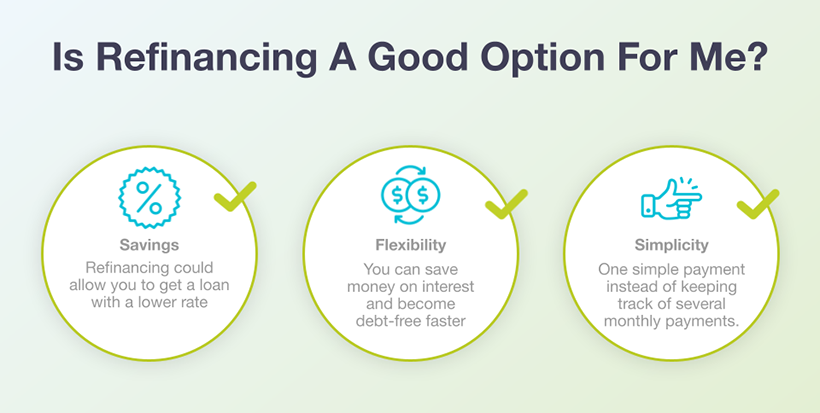
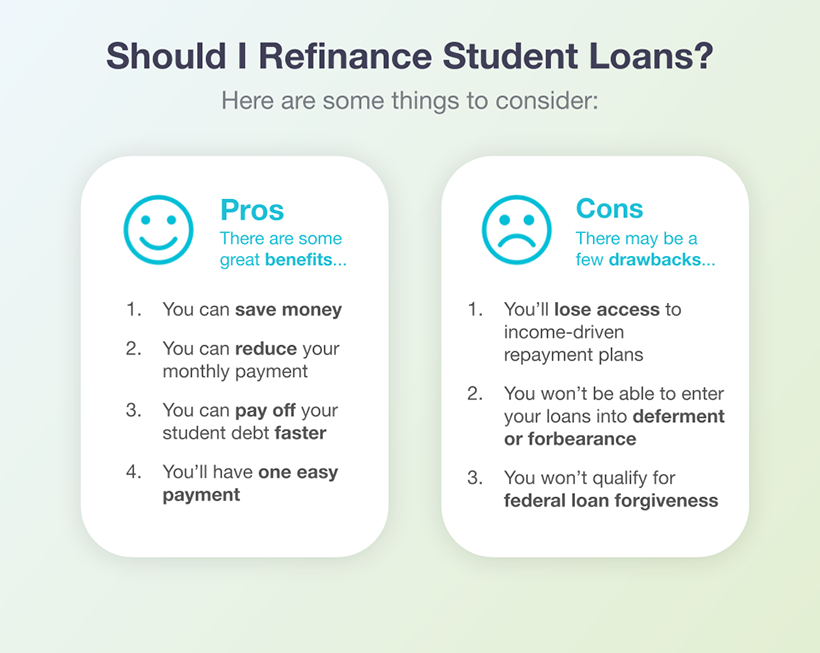
Here’s the deal: when you refinance, you’re basically taking your old loans, bundling them up like a burrito, and handing them to a private lender who says, “I’ll give you a shiny new rate—if you promise to behave.” The big plus is obvious: a lower interest rate can save you thousands over time. That’s not a joke; that’s real money that could buy you a lifetime supply of avocado toast (or, you know, an emergency fund).
Plus, you can often choose a shorter term (like 5 years) and become debt-free faster than you can say “adulting.” The feeling of making that final payment? Pure euphoria. It’s like finishing a marathon, except instead of a medal, you get a credit score that doesn’t flinch. Just be ready to say goodbye to your old servicer—some of them send a tear-jerking “It’s not you, it’s me” letter, but that’s just the industry’s way of coping.
Must Read
But Wait—What Are You Giving Up?
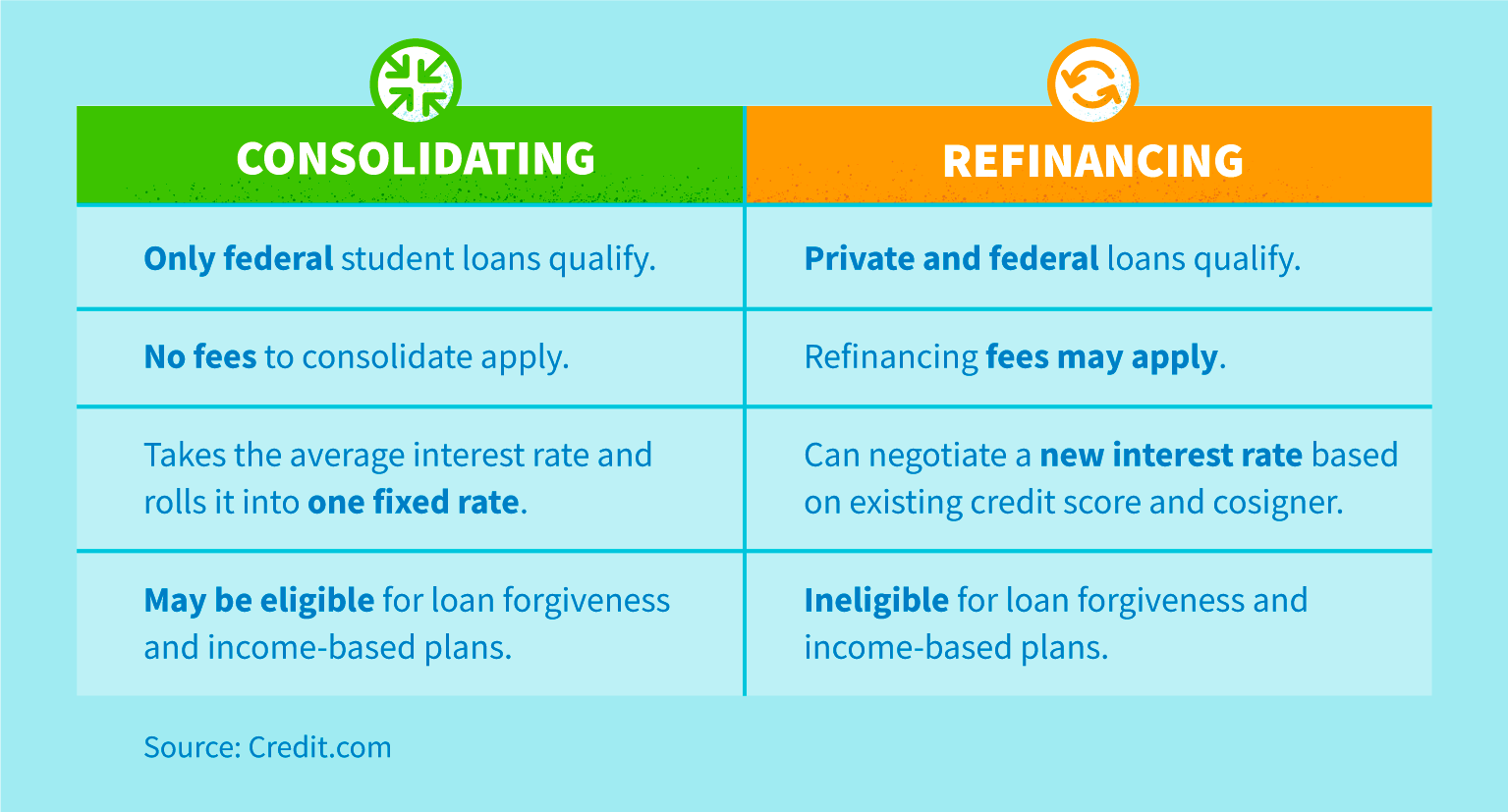
Here’s the plot twist: if you refinance federal student loans, you’re trading them for a private loan. And federal loans come with a security blanket that’s softer than a kitten’s ear: income-driven repayment plans, loan forgiveness programs (like Public Service Loan Forgiveness), and generous deferment options if you hit a rough patch. Lose those, and you’re like a superhero without a cape—still functional, but suddenly vulnerable to the villain called “Unemployment.”
So ask yourself: Do I actually use those federal perks? If you’re a teacher, a nurse, or someone working for a non-profit, refinancing is basically throwing away free money. But if you’re in a stable job with an emergency fund thicker than a dictionary, you might be fine taking the private route. It’s a personal choice, like deciding to get a pet snake—great for some, a nightmare for others.
The Interest Rate Tango (and Other Math Shenanigans)
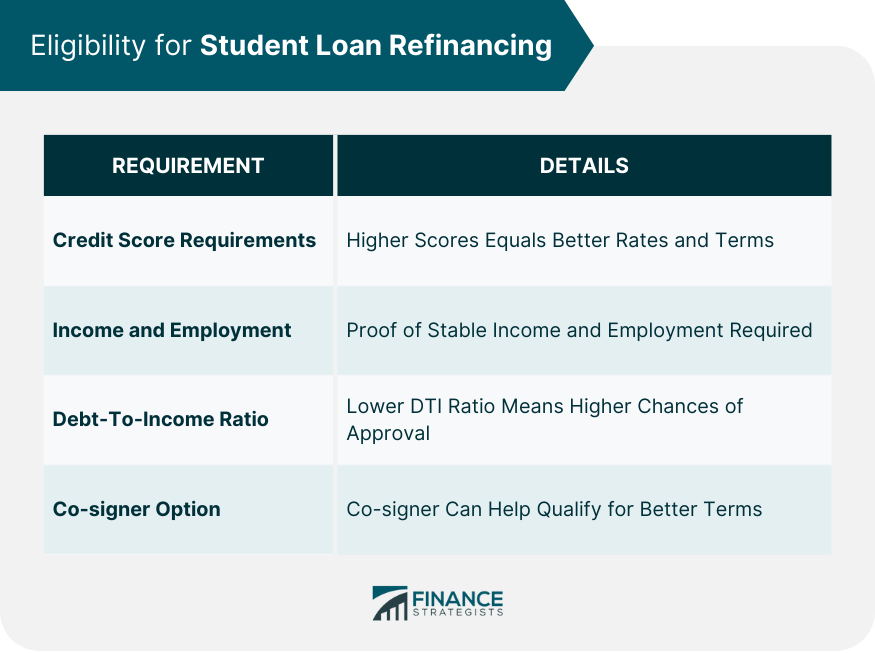
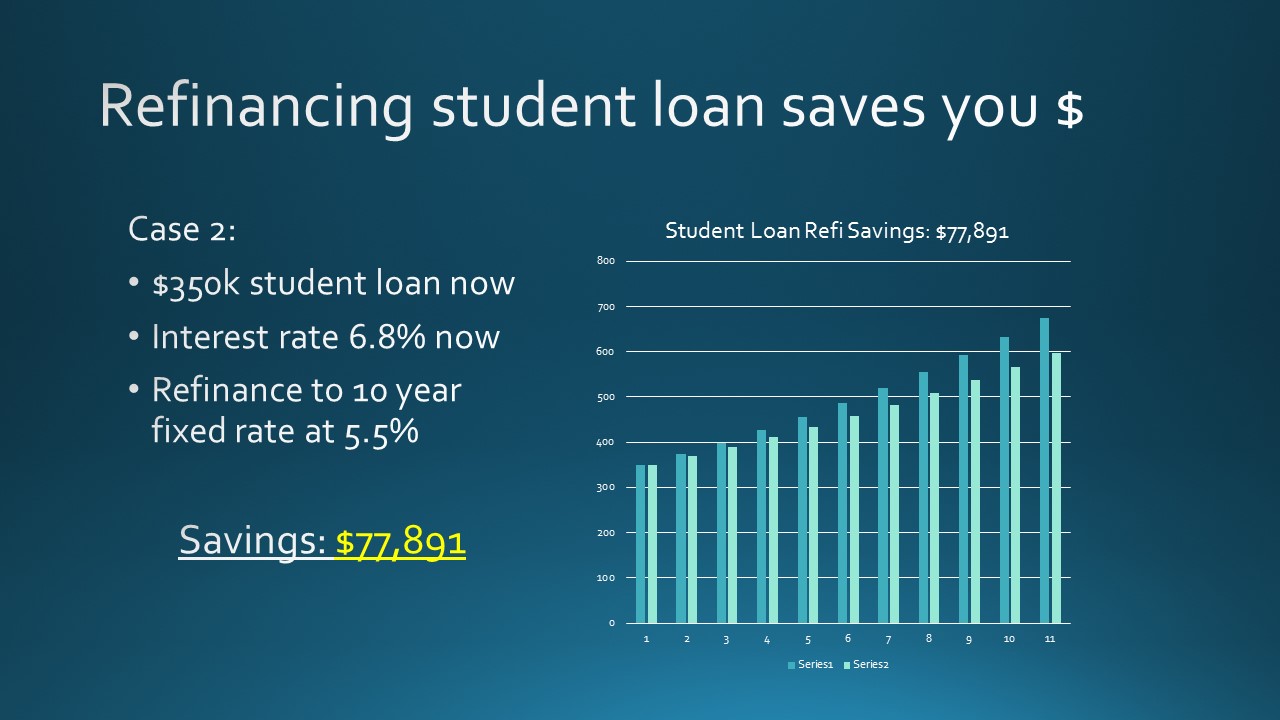
Let’s talk numbers, but I promise to keep it light. Say you have $50,000 at 6.8% interest—your old rate from college when you thought “variable” was a dance move. Refinancing to 4% could save you over $200 a month. That’s a new phone, a gym membership, or a really nice cheese board. But here’s the kicker: your new rate depends on your credit score and your income. If your credit is rough, you might get a rate that makes you weep into your ramen.
Also, consider the fees. Some lenders charge origination fees or prepayment penalties, which is like paying a cover charge to enter a club that’s already half-empty. Always read the fine print, even if it’s more boring than watching paint dry. A good rule of thumb: if the fee eats more than one month’s interest savings, run the other way.
When Refinancing Is a Rockstar Idea
You’re a prime candidate for refinancing if you have private loans with sky-high rates (like 9% or 10%—yikes). Those don’t have federal perks anyway, so you’re just losing dead weight. Also, if you’ve got a co-signer with a stellar credit score and you’re ready to ditch them (politely, of course), refinancing can help you feel independent—like moving out of your parents’ basement, but for your loans.
Another perfect scenario: you’ve got a high salary and a low debt-to-income ratio, and you’re not planning on any government forgiveness. In that case, refinancing is like upgrading from a bicycle to a sports car. Just don’t speed toward a balloon payment—choose a fixed rate if you want peace of mind. Variable rates are for adrenaline junkies, not for people who want to sleep at night.
The Final Verdict (Drumroll, Please)
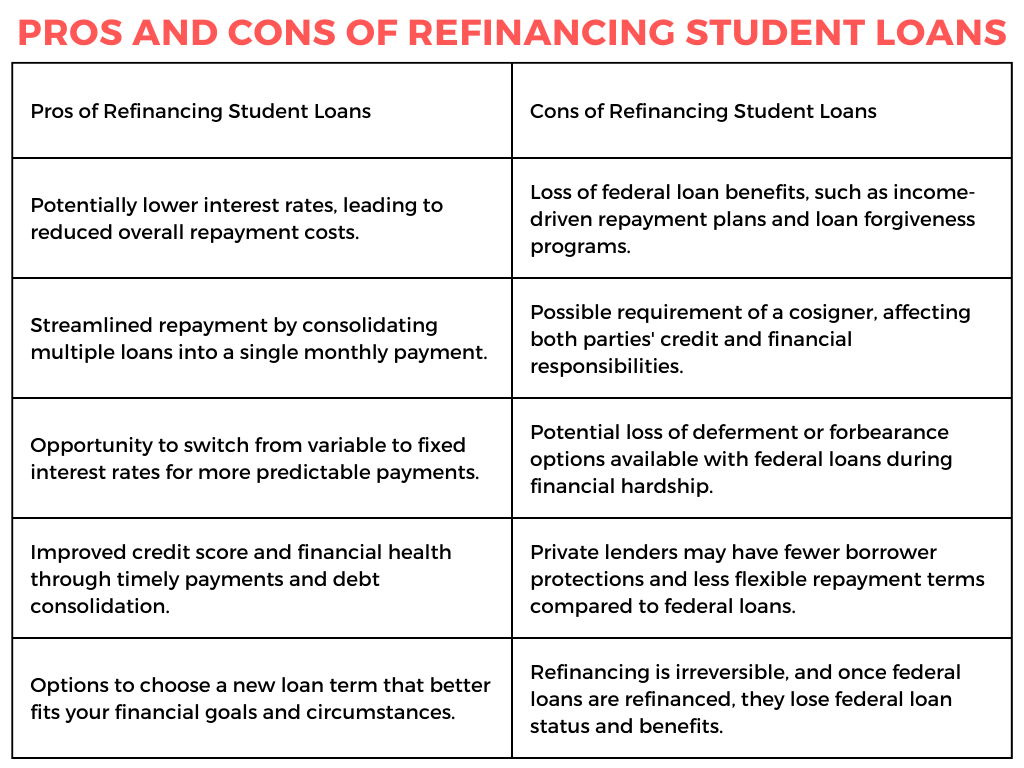
So, is refinancing good or bad? The answer is: it depends on your life, not your loan balance. If you’re financially stable and hate paying extra interest, go for it—just whisper a sweet apology to your federal benefits on the way out. If you’re relying on forgiveness or flexible payments, keep those federal loans glued to your side like a clingy ex who still pays for dinner.
Here’s my advice: run a comparison. Use a calculator, make a pro-and-con list, and maybe call your mom for moral support. And remember, no matter what you choose, you’re taking a step to control your money—that’s a win in itself. You’re not lazy, you’re not a math genius, and you’re definitely not alone. You’re just a human trying to make adult decisions, and guess what? You’ve already survived worse than a refinancing decision. So take a deep breath, pick your path, and go celebrate with a dessert that costs more than your monthly interest. You’ve earned it.
And hey, even if you refinance and it turns out to be a mistake, you can’t undo it—but you can always learn, laugh, and pay it off anyway. Debt is temporary, but your resilience is permanent. Now go be the awesome, financially-conscious human you were born to be.