Private Schools In Theni District

Theni, often whispered about in travel circles as the "Poor Man's Ooty," is a district carved from the fertile folds of the Western Ghats in Tamil Nadu. It is a land of cardamom-scented air, sprawling banana plantations, and the thunderous Veerapandi Falls. But beneath this agrarian idyll, a quiet, ambitious revolution is taking place in its classrooms. The private schools of Theni are no longer just alternative options to government institutions; they are high-stakes arenas where the future of the district’s middle class is being forged, debated, and occasionally, mortgaged. To understand Theni is to understand this educational ecosystem—a complex web of aspiration, linguistic anxiety, and economic strategy that mirrors the broader Indian paradox of wanting both roots and wings.
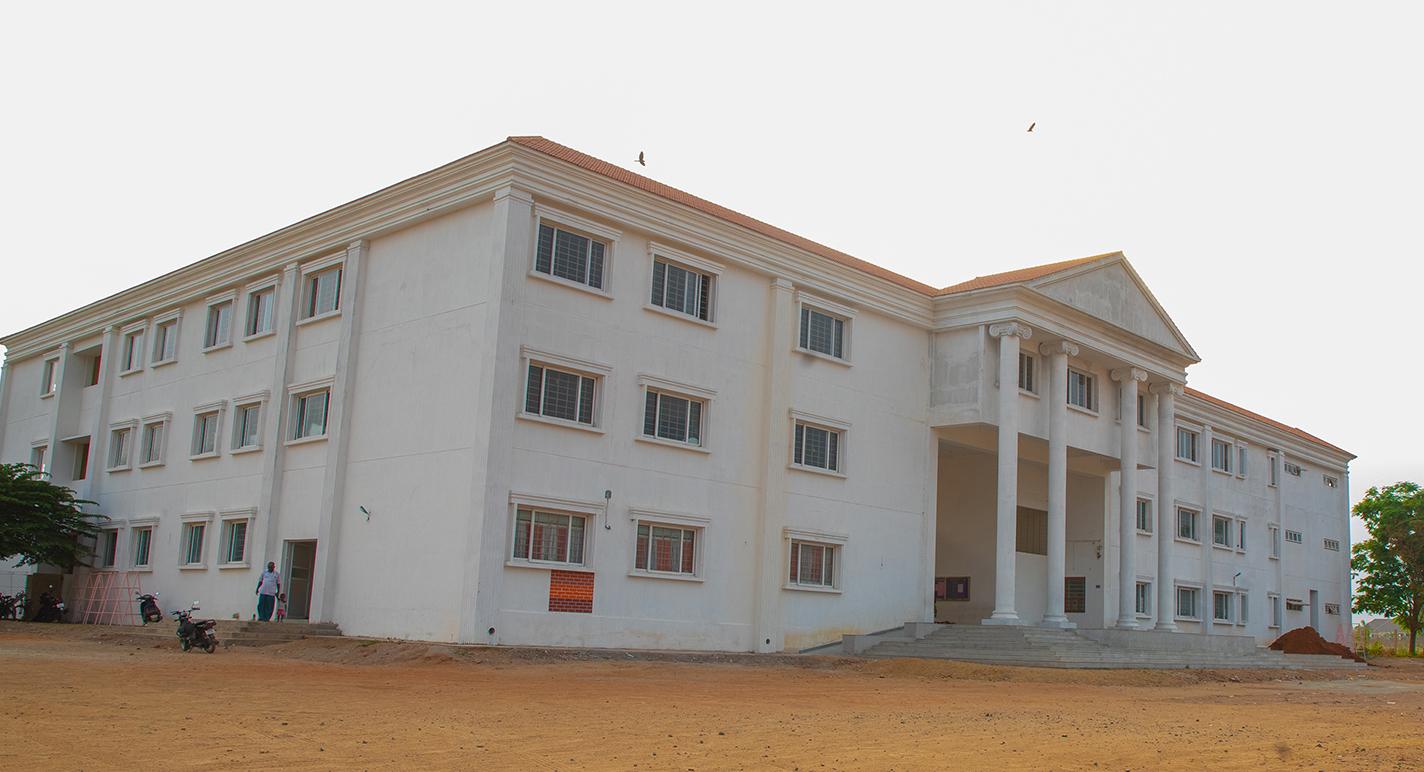
Historically, education in Theni was synonymous with the panchayat schools that dotted the paddy fields. But the economic liberalization of the 1990s, followed by the remittance economy and the rise of IT corridors in Coimbatore and Bengaluru, shifted the paradigm. Parents who once saw farming as a legacy now view it as a fallback. The private school, with its promise of English-medium instruction and "international methodologies," became the new temple of social mobility. Today, the district boasts a staggering density of institutions, from the humble, single-story matriculation schools in Cumbum to the sprawling, multi-acre CBSE campuses near Theni town, each vying for a finite pool of bright-eyed children.
The Great Linguistic Gamble: English vs. The Tamil Soul
Step into any private school staffroom in Theni, and you will feel an unspoken tension. On one hand, there is a fierce, almost desperate demand for English as a medium of instruction, driven by the mantra that "English is the key to the world." On the other, there is a palpable fear of cultural erasure. This is not the urban elitism of Chennai; this is a rural district where grandmothers still recite Thirukkural at dusk. Many private schools have cleverly navigated this by offering a dual-track system: a "Matriculation" stream that follows the Tamil Nadu state board in English, and a "State" stream that officially uses Tamil but often smuggles in English grammar as a "value-added" subject. It is a linguistic tightrope walk, where a child’s accent becomes a class marker.
Must Read
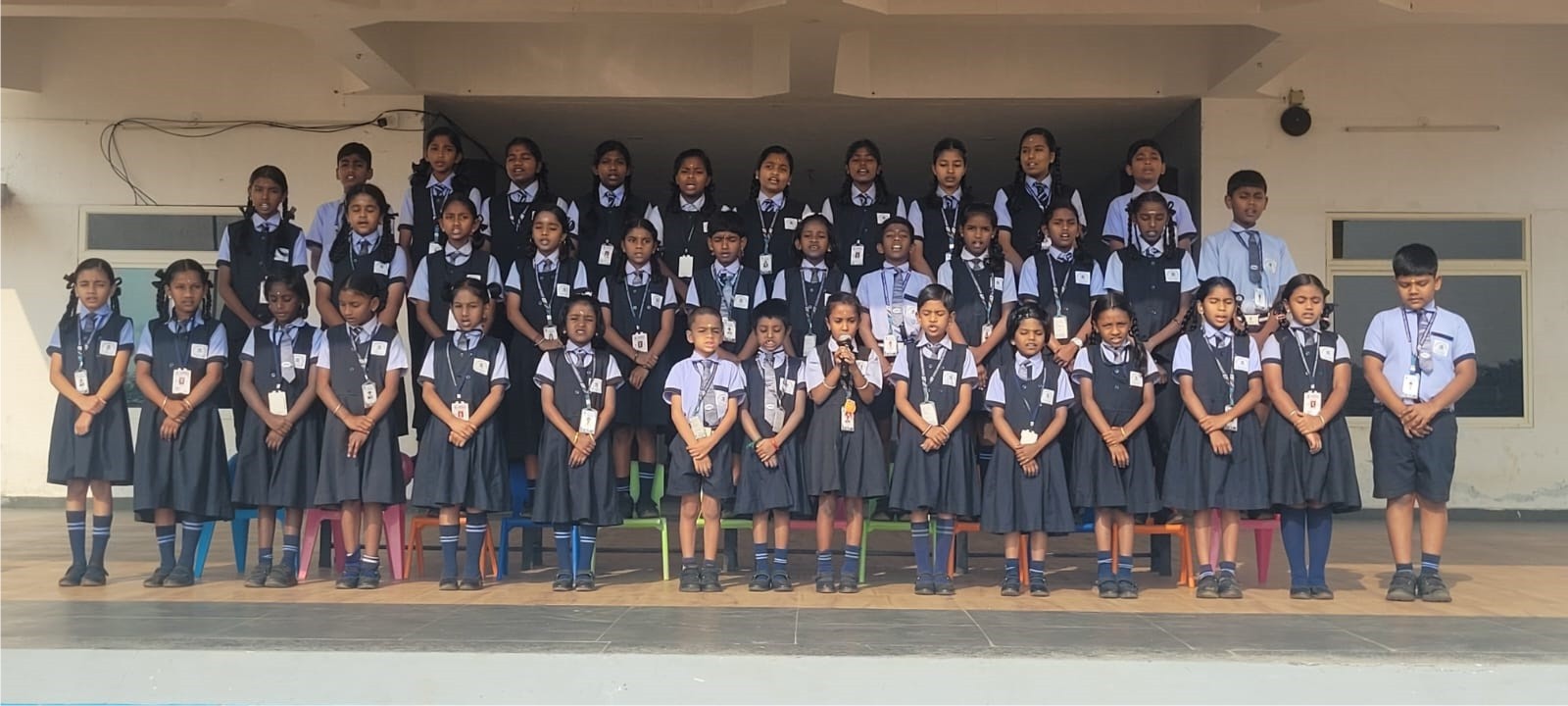
The psychological impact on students is profound and often unspoken. A child from a private school in Theni learns to code-switch effortlessly—speaking flawless English at a school assembly and reverting to a rapid-fire, colloquial Tamil within seconds at a local tea stall. This is not merely bilingualism; it is a survival mechanism, a form of identity tourism. However, it also breeds a subtle hierarchy. The "English medium" child is often perceived as smarter, even if the "Tamil medium" child excels in mathematics or classical literature. This bias, cultivated in the playground, has deep, long-term consequences for the district’s social fabric, creating a generation that admires its own culture from a respectful distance rather than from within its living embrace.
Lesser-known is the rise of "soft-skill" coaching embedded into the curriculum. Private schools here aren’t just teaching Newton’s laws; they are teaching posture, handshake firmness, and eye contact—skills designed to de-provincialize the children. Teachers, many of whom are local women with a B.Ed., are trained by urban consultants to rid students of their "Thani" or "unpolished" accent. It’s a strange, Sisyphean task—trying to erase the very melody that makes Theni’s Tamil unique, all to make a child more "global." Yet, the results are undeniable: students from these schools routinely clear NATA and JEE exams, not because the teaching is superior, but because the pressure cooker environment breeds a relentless, if anxious, discipline.
Inside the Anatomy of a Theni Private School: Fees, Facilities, and Frugality
Let’s talk money, because in Theni, education is a premium product wrapped in a budget-friendly illusion. The average private school fee ranges from ₹20,000 to ₹60,000 per annum—a significant sum when the average household income hovers around the ₹15,000 mark. But the parents don’t see it as an expense; they see it as an investment in "security." The case of D. Ramesh, a banana farmer in Kombai, is typical. He sends his two children to a private school in Chinnamanur, sells a portion of his yield early at a loss, and jokes, "My children will eat with a fork, so I will eat with my hands forever." This anecdote, common across the district, highlights the extreme sacrifice parents make. Schools know this, and it leads to a peculiar dynamic: they advertise air-conditioned smart classrooms (often with only one functional AC unit), but cut corners on laboratory equipment.
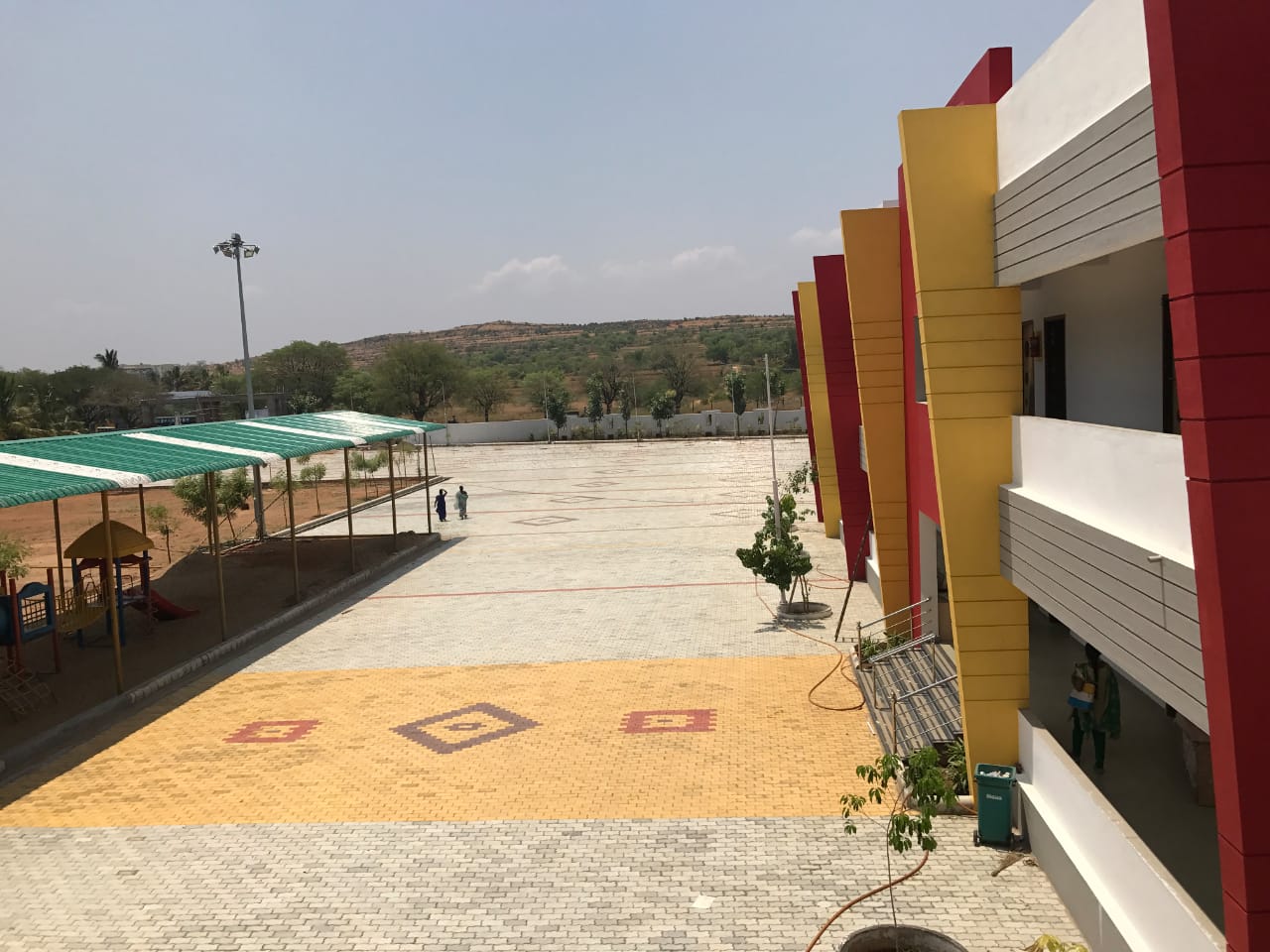
The facilities are a study in contrasts. On a Friday, you might see a gleaming, modern bus ferrying kids past a bullock cart. Inside the classrooms, you’ll find interactive flat panels funded by a local politician, but the library might have just 200 aged books, many of them encyclopedias from the 1990s. Schools often prioritize "visitor-facing" facilities—a grand entrance, a polished reception, and a well-maintained playground—over pedagogical resources. Yet, there is a rugged pragmatism here. The teachers, often underpaid (₹8,000 to ₹12,000 a month), compensate with sheer dedication. They conduct remedial classes at 7 AM and remedial phone calls at 9 PM. They are the unsung heroes who turn a lack of resources into a lesson on resourcefulness.
For parents, the school choice is a community-driven decision. The "open day" is a theatre of accountability, where parents inspect art projects and scold teachers for a missing grade. But the most telling case study is the rise of the "weekend coaching" economy. Private schools in Theni often have an unwritten rule: if you aren’t enrolled in a private tutor’s classes by Grade 9, you are falling behind. This has spawned a parallel industry of tuition centers run by ex-school teachers, who often promise "leaked question papers" (a dark, yet persistent myth) for a premium. It is a corrupting, yet oddly functional system, producing high scores through a brutal grind of repetition and test-taking strategy, rather than genuine conceptual fluidity.
So, what should a parent actually look for? First, ignore the glossy brochure and visit the school on a random Tuesday to see the actual teaching energy. Second, ask about the student-teacher ratio, not the official number, but the number that shows up to class. Third, enquire about the school’s "drop-out" rate after Grade 10—this reveals whether they focus on holistic education or just exam results. In Theni, the really good schools are often the ones that host an annual "Science Fair" where children are allowed to fail, because failure, in this district, is the only luxury the system cannot afford.
Decoding the Curriculum Chaos: CBSE vs. State Board
Why is the choice between CBSE and State Board such a big dilemma for parents in Theni?
The dilemma is rooted in geography and aspiration. The Tamil Nadu State Board (Samacheer Kalvi) is the "safe" option—it aligns with state government scholarships, local university entrance exams, and a grading system that is slightly more forgiving. For parents who envision their child staying in Tamil Nadu for engineering (Anna University) or medicine (NEET is a separate hurdle, but state board foundation is familiar), this is the logical choice. However, the State Board syllabus is often criticized for being theory-heavy and dated, with minimal focus on practical application or contemporary world perspectives.

On the other hand, the CBSE (Central Board) is the "migration" option. It is the passport for families who anticipate a transfer to another state or who dream of a future in IITs or NITs, which are heavily biased towards the CBSE pattern. The problem in Theni is that good CBSE schools are sparse; the ones that exist are often franchises with high fees and a revolving door of teachers. Parents fear that a child in a weak CBSE school will suffer from "double displacement"—neither mastering the local context nor gaining a competitive edge nationally. Interestingly, the rise of the National Education Policy (NEP) has added a third layer: many schools are now advertising "NEP-aligned" curriculums, which is often a marketing gloss for "we do the same thing but ask students to sing a patriotic song." The smartest parents in Theni are now looking at the school's examination tactics rather than the board name, asking specifically about how many weekly assessments are conducted and whether the school teaches NCERT concepts or just formulaic tricks.
Is the teaching quality in private schools really better than government schools, or is it just a perception?
This is a contentious question, and the data in rural Tamil Nadu paints a nuanced picture. On paper, private school teachers are more accountable because their jobs depend on student performance (and retention). They are present, they grade homework, and they communicate with parents frequently. In contrast, government schools often struggle with teacher absenteeism, especially in remote hamlets. However, the pedagogical skill is not always superior in private institutions. Many private schools hire fresh B.Ed graduates with zero classroom management experience, whereas government schools have systematic training and veteran teachers with deep expertise in Tamil literature and math.
In Theni, the perception gap is widened by infrastructure. Government schools, due to the "Kalvi Tholaikatchi" (television learning) initiative, often have better digital equipment than private schools, which rely on outdated projectors. The real difference lies in the pressure to perform. A private school will rank students publicly, hold parent-teacher meetings with "report cards" for the parents themselves, and use fear of expulsion as a motivator. A government school is more democratic but also less intense. Ironically, the top 5% of students in Theni's government schools often outperform the top 5% in private schools on conceptual reasoning tests, simply because they are not coached to parrot answers. Yet, parents choose private for the environment—the polished uniforms, the strict discipline, and the perceived "exposure" that comes from being in a peer group of similarly ambitious families.
What is the real deal with "English Medium" schools that don't actually teach in perfect English?
Ah, the great illusion of the Indian education market. In Theni, you will find schools that advertise "Pure English Medium" but where the classroom conversation is a patois of English grammar, Tamil sentence structure, and the local dialect. This is not necessarily a scam; it’s a transitional reality. Trained teachers who are fluent in English are expensive, and many local teachers are intermediate speakers. So, what happens is a "hybrid pedagogy." The textbook is in English, the board work is in English, but the explanation happens in Tamil. The students, in turn, answer in English but think in Tamil, which creates a unique cognitive pathway.
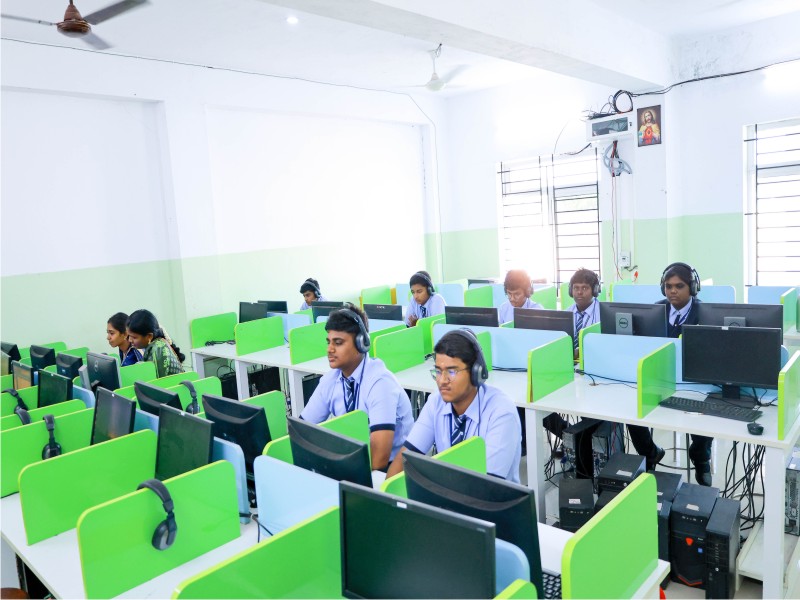
Strangely, this isn't always a disadvantage. Psychological research suggests that bilingual children who code-switch frequently develop greater executive function and creativity. The problem arises when schools pretend this isn't happening. When a child goes to an interview and fails to parse a complex English sentence, the school blames the child, not the system. For parents, the takeaway is to be pragmatic: listen to the quality of expression rather than the accent. A child who can explain a scientific concept in clear, grammatical English, even with a Tamil lilt, is more successful long-term than one who memorizes a phonetic script. The best schools in Theni, therefore, are those that invest in listening and speaking labs and encourage students to watch English news channels at home, bridging the gap between the classroom and the world.
What are the hidden costs (expenses beyond tuition) that parents should expect?
Many families in Theni are caught off guard by the "miscellaneous" line items that inflate the education bill by 40% to 60%. The first surprise is the "Smart Class Fee," a non-refundable annual charge of ₹2,000 to ₹5,000 for using digital content that is often freely available on YouTube. The second is the "Maintenance Fee" for bus transportation, which is not covered in the tuition—and with the winding ghat roads and petrol costs, this can add up to ₹500 per month. Third is the "Special Days" fee: dress codes for ethnic days, sports day uniforms, and science exhibition materials are monetized excessively. Fourth, and most insidious, is the "Compulsory Birthday Contribution" to the class fund, which is subtly mandated.
Beyond the school gate, there are hidden "shadow costs." Students are routinely pushed to take national-level Olympiad exams (which cost ₹200-₹500 each) by ambitious schools that use the results as marketing tools. Parents who decline are called in for a meeting where they are guilt-tripped about "lack of ambition." Additionally, the "private tuition" spiral is a hidden cost. If a school has a weak math teacher, the parents are forced to pay a third-party tutor ₹1,500 per month. The school knows this; in some cases, teachers deliberately under-teach to create external tuition demand (a darker, unspoken practice locally known as "the circle"). Budget-conscious parents must scrutinize the "Annual Prospectus" for a "Comprehensive Fee" and ask explicitly: "Is this the final total, or will there be more?"
How are private schools in Theni handling the mental health of students, given the enormous academic pressure?
Mental health is a taboo topic in most of rural India, and Theni is no exception. However, the pressure is immense. The school day starts at 8:30 AM and often extends until 5:30 PM, including "cramming classes" for grade 10 and 12. Then, the child attends tuition until 7:30 PM and studies at home until 10 PM. This is a 14-hour cognitive marathon, six days a week. The schools' response has been a mix of tokenism and genuine effort. Many private schools have introduced one mandatory "Yoga and Meditation" period per week—which students often use to catch up on homework. They also have a "counselor" on retainer, but this is usually a well-meaning social studies teacher who has undergone a weekend online certification.
The concerning trend is the rise in "exam anxiety" related complaints, often manifesting as stomach aches and frequent illness. Proactive schools have begun "no-homework weekends" once a month and have introduced "fail-safe" grading policies, where students cannot score below a 'C' in internal assessments, to preserve self-esteem. But the systemic issue remains: the culture of ranking. When a school walls up a list of "Top 10 Rank Holders" every Sunday, they are, by design, creating a social hierarchy that humiliates the lower half. A few progressive schools in the district, like the ones run by the CSI diocese, are shifting to "portfolio-based" assessments where students document their personal progress. For parents, the advice is to look for schools that talk about resilience rather than just results, and to check if the school has a system for identifying students who are withdrawing socially. The health of a child’s mind is worth more than a district rank, and in Theni, that balance is still an evolving, fragile negotiation.
The story of private schooling in Theni is, ultimately, a story of parental love expressed through strategic anxiety. It is the father working double shifts in a textile mill in a neighboring town, not to buy a new television, but to pay for an abacus course. It is the mother, a daily-wage laborer, who spends her evening struggling to read an English fairy tale from her daughter’s textbook, not understanding a word but understanding the importance of sitting beside her. These schools are not just structures of brick and mortar; they are vessels for the deferred dreams of a generation that did not have such choices. They are the physical manifestation of the belief that the next generation will have a softer life, a more literate life, a life with options.
Yet, we must question the cost of this relentless pursuit. Are we raising children in Theni who are proficient in everything and passionate about nothing? The emphasis on rote memorization for entrance exams is creating a generation of excellent test-takers but mediocre thinkers. There is a quiet conflict between the local and the global—a child who knows the exact name of a PLC controller for a robotics competition but cannot identify the wild basil growing in the courtyard that their grandma uses for a fever. The best private schools are the ones that realize this flaw and integrate local agricultural science and Tamil cultural studies into the curriculum, making the child a double agent of modernity and tradition.
Ultimately, as you drive through the sun-drenched roads of Theni, past the checkered red flags of the schools and the gold-bordered blazers of the students, you realize that this is a society in motion. It is messy, unequal, and often unfair. But it is alive with an indefatigable hope. The private school, with all its flaws, is a testament to the idea that destiny is not a monsoon crop; it is something you irrigate with discipline and sacrifice. For every cynical observation about fee structures and marketing gimmicks, there is a counterweight of a young teacher staying late to help a struggling child grasp a fraction problem. In that moment, the system works. Not because it’s perfect, but because the people within it—parents, teachers, and students—refuse to let the syllabus be the final word on their humanity.