Playing With Toys As An Adult
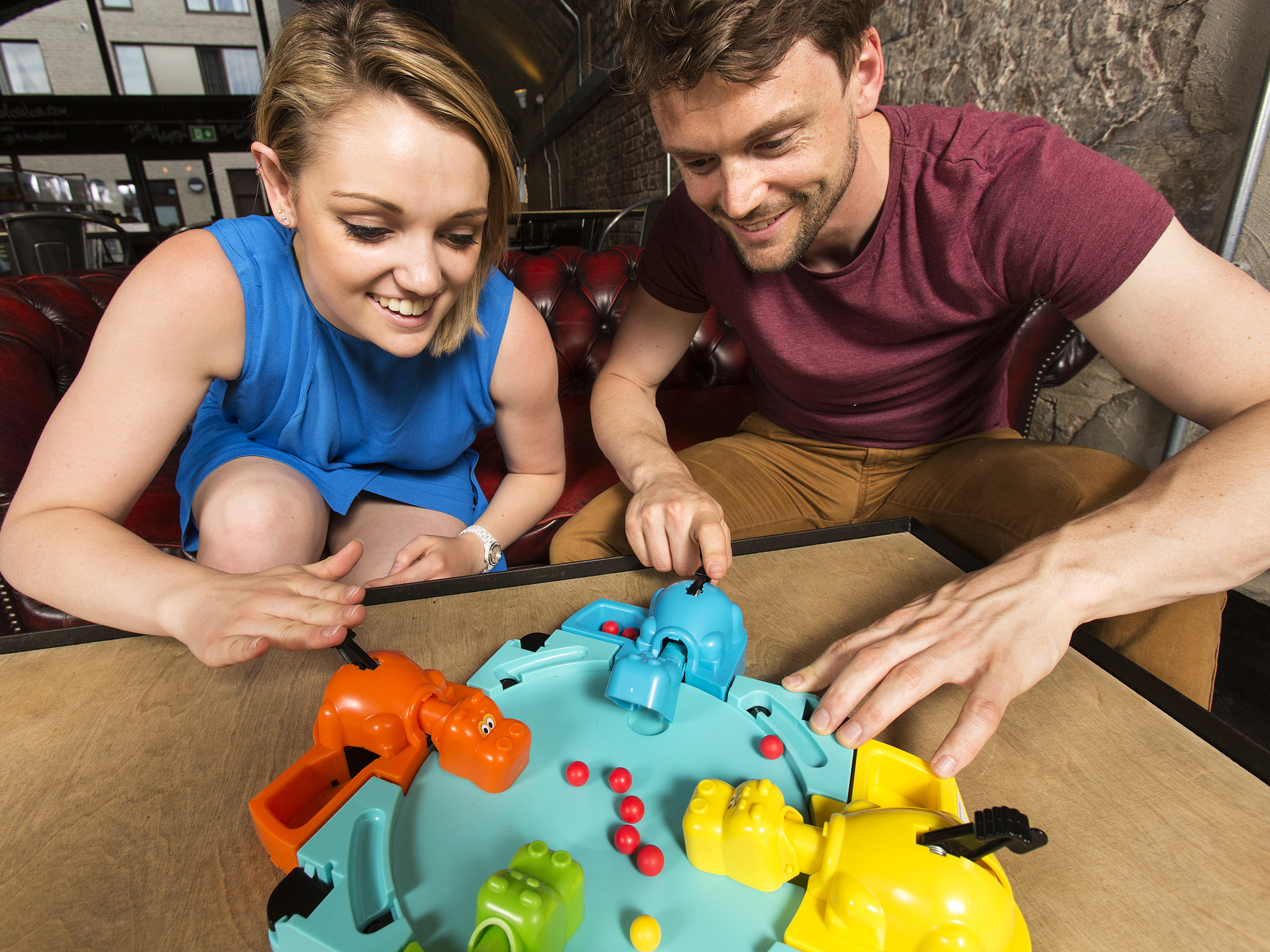
As we navigate the complexities of adulthood, it's easy to get caught up in the notion that play is a luxury of childhood. However, the truth is that playing with toys as an adult can be a powerful tool for cultivating mental well-being, sparking creativity, and fostering personal growth. Our brains are wired to respond to play, and it's a fundamental aspect of our emotional and psychological development. When we engage in play, our brains release dopamine, a neurotransmitter associated with pleasure, reward, and motivation. This can lead to a sense of euphoria and a deeper connection to our inner selves. In today's fast-paced world, where stress and anxiety are rampant, revisiting the joy of play can be a vital coping mechanism.
The psychological root of playing with toys as an adult lies in our innate desire for escapism and self-expression. As children, play allows us to explore, learn, and experiment with different identities and scenarios. This instinct doesn't disappear as we age; instead, it evolves. As adults, we may find ourselves drawn to toys and play as a way to temporarily escape the pressures of daily life, reconnect with our creative selves, and tap into our imagination. By acknowledging and embracing this aspect of ourselves, we can unlock a deeper sense of fulfillment and happiness. In modern times, the stigma surrounding adult play is slowly lifting, and many are embracing the benefits of playing with toys as a legitimate form of self-care and stress relief.
The Emotional Significance of Play
One of the primary emotional triggers associated with playing with toys as an adult is the fear of being judged. We may worry that others will view our love of play as immature or unprofessional. However, this fear is often rooted in our own insecurities and doubts. By confronting and overcoming this fear, we can tap into a deeper sense of confidence and self-acceptance. For instance, consider the story of Sarah, a successful businesswoman who secretly loves playing with puzzles. Despite her initial hesitation, she found that sharing her hobby with colleagues actually helped to break the ice and build connections. This experience taught her that embracing her playful side could be a strength, rather than a weakness.
Must Read
Another cognitive bias that may hinder our ability to engage in play is the notion of productivity. We may feel that we need to be constantly achieving or accomplishing something. However, this mindset can lead to burnout and exhaustion. By incorporating play into our daily routine, we can actually boost our productivity and enhance our focus. For example, take the case of Alex, a freelance writer who struggled with writer's block. By taking regular breaks to play with his childhood toys, he found that he could recharge and refocus, leading to more creative and inspired work.
Moreover, playing with toys as an adult can be a powerful way to reconnect with our inner child. This aspect of ourselves is often associated with wonder, curiosity, and awe. By embracing our inner child, we can tap into a deeper sense of joy and excitement. Consider the story of Emily, a retired teacher who rediscovered her love of painting through playing with art toys. This creative outlet allowed her to express herself and tap into her imagination, leading to a greater sense of fulfillment and purpose.
Cultivating a Playful Mindset
To incorporate play into our daily lives, we need to adopt a playful mindset. This involves being open-minded, curious, and willing to take risks. We can start by setting aside dedicated time for play, whether it's playing with toys, engaging in a hobby, or simply daydreaming. For instance, we could try scheduling playtime into our daily planner, just as we would any other important appointment. By doing so, we can prioritize our own needs and nurture our creative selves.

Another strategy is to seek out playful communities and like-minded individuals. This could involve joining a hobby group, attending a play-based workshop, or participating in online forums. By surrounding ourselves with others who share our passion for play, we can build connections, learn from others, and stay motivated. For example, consider the story of Jack, a software engineer who joined a local LEGO enthusiasts group. Through this community, he found a sense of belonging and camaraderie, which helped him to stay inspired and engaged in his hobby.
In addition, we can incorporate play into our daily routine by finding ways to make mundane tasks more enjoyable and engaging. For instance, we could turn chores into games or challenges, or listen to music that inspires and uplifts us. By doing so, we can transform our daily lives and find joy in unexpected places. Consider the story of Rachel, a busy entrepreneur who turned her daily commute into a game by listening to podcasts and audiobooks that sparked her creativity and imagination.
Finally, we need to be patient and kind to ourselves as we cultivate a playful mindset. It may take time to reconnect with our inner child and overcome our fears. By being gentle and compassionate towards ourselves, we can create a safe space for play and exploration. For example, consider the story of Michael, a former athlete who struggled to find joy in play after a career-ending injury. By being patient and kind to himself, he was able to rediscover his love of play and find new passions in life.
Frequently Asked Questions
What are the benefits of playing with toys as an adult?
Playing with toys as an adult can have numerous benefits, including reduced stress, improved mood, and increased creativity. It can also provide an opportunity for self-expression and self-discovery. By engaging in play, adults can reconnect with their inner child and tap into their imagination, leading to a greater sense of fulfillment and purpose. Furthermore, playing with toys can be a way to challenge oneself and learn new skills, which can be a powerful confidence booster.
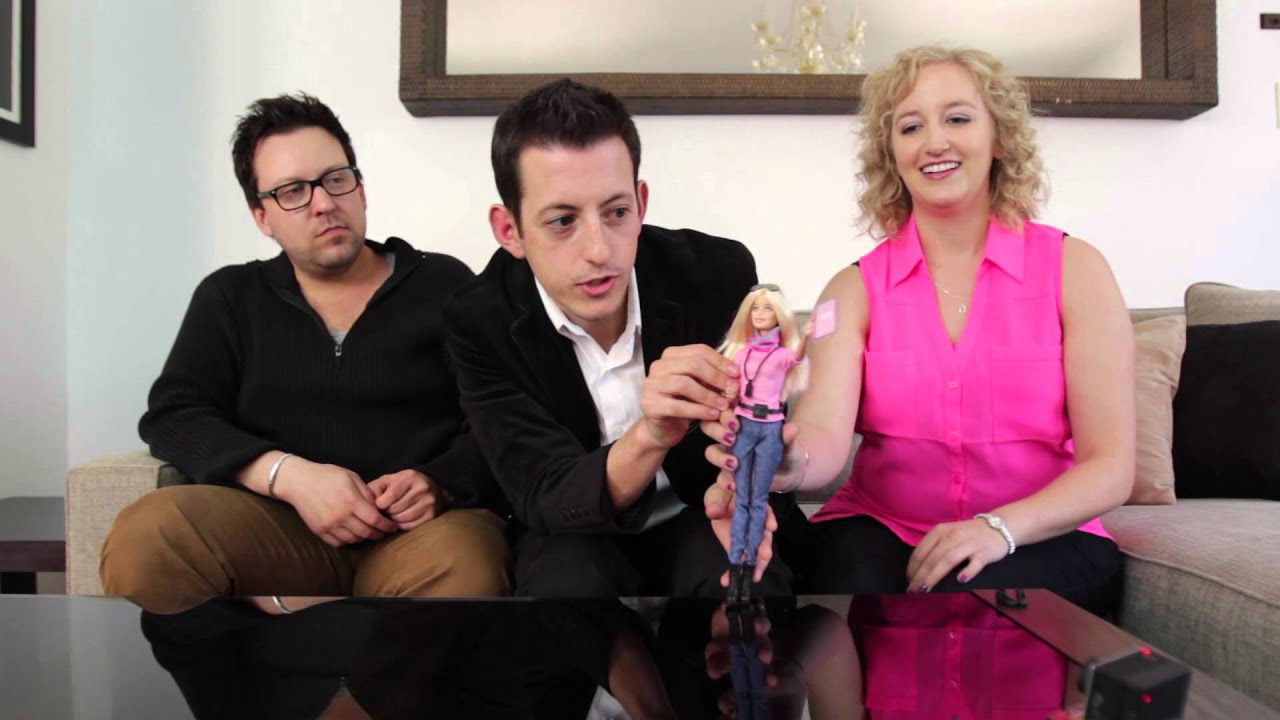
In addition, playing with toys can be a social activity, allowing adults to connect with others who share similar interests. This can lead to the formation of new friendships and communities, which are essential for our emotional and mental well-being. By embracing play, adults can break down barriers and build connections with others, leading to a more fulfilling and meaningful life. For instance, consider the story of a group of adults who formed a board game club, which became a source of comfort and support for its members during difficult times.
How can I incorporate play into my busy schedule?
Incorporating play into a busy schedule can be challenging, but there are several strategies that can help. One approach is to start small and schedule playtime into your daily planner. This could be as simple as taking a 10-minute break to play with a puzzle or engage in a hobby. Another approach is to find activities that combine play with other tasks, such as listening to music or podcasts that inspire and uplift you while you work or commute.
It's also essential to identify your priorities and make time for the things that bring you joy. By doing so, you can create a sense of balance in your life and make space for play. For example, consider the story of a working mother who prioritized her love of painting by setting aside one hour each day to engage in this activity. By doing so, she was able to recharge and refocus, leading to a greater sense of fulfillment and happiness in her personal and professional life.

What if I'm not sure what type of play is right for me?
Discovering the right type of play can be a process of exploration and experimentation. It may involve trying out different activities, such as painting, playing music, or engaging in sports. It's essential to be open-minded and willing to take risks, as you may discover new passions and interests that you never knew you had.
Another approach is to reflect on your childhood interests and reconnect with the activities that brought you joy as a child. This can be a powerful way to tap into your creative self and rediscover your sense of wonder. For example, consider the story of a former musician who rediscovered his love of playing the guitar after a 20-year hiatus. By revisiting this childhood passion, he was able to reconnect with his creative self and find a new sense of purpose in his life.
How can I overcome the fear of being judged for playing with toys as an adult?
Overcoming the fear of being judged can be a challenging but ultimately rewarding process. It involves acknowledging and accepting your fears, as well as reconnecting with your inner child. It's essential to remember that play is a fundamental aspect of human nature and that it's never too late to rediscover your sense of joy and wonder.
Another approach is to surround yourself with supportive people who understand and encourage your love of play. This can be a powerful way to build confidence and overcome self-doubt. For instance, consider the story of a group of friends who formed a play-based support group, where they could share their passions and interests without fear of judgment. By doing so, they were able to create a safe space for play and exploration, leading to a greater sense of fulfillment and connection in their lives.

Can playing with toys as an adult be a form of therapy?
Yes, playing with toys as an adult can be a form of therapy, as it provides an opportunity for self-expression, self-discovery, and stress relief. It can also be a way to process emotions and work through challenges in a safe and supportive environment. Many therapists and counselors are now incorporating play-based activities into their practice, as they recognize the healing potential of play and its ability to foster personal growth and transformation.
In addition, playing with toys can be a way to access and express emotions that may be difficult to articulate through traditional talk therapy. For example, consider the story of a client who used art therapy to process her feelings of grief and loss. By engaging in this creative activity, she was able to tap into her emotions and find a sense of closure and healing. By embracing play as a form of therapy, adults can unlock their full potential and live a more fulfilling life.
As we reflect on the journey of playing with toys as an adult, it's clear that this activity offers a wide range of benefits, from reduced stress and improved mood to increased creativity and self-expression. By embracing play, we can reconnect with our inner child, tap into our imagination, and find a sense of joy and wonder in our daily lives. As we continue to navigate the complexities of adulthood, it's essential to remember that play is not just a luxury of childhood, but a fundamental aspect of human nature that can bring us fulfillment, happiness, and balance in our lives.
Ultimately, playing with toys as an adult is a powerful way to cultivate a sense of curiosity, open-mindedness, and creativity. By embracing this aspect of ourselves, we can unlock our full potential, live a more authentic life, and find a sense of purpose and meaning in our daily experiences. As we embark on this journey of self-discovery and growth, it's essential to remember that play is not just a form of entertainment, but a way of life that can bring us joy, fulfillment, and happiness in all aspects of our lives.